
When your dog has diarrhea, reaching out to an online vet for dog diarrhea can be one of the quickest ways to get answers and peace of mind without leaving your home. Diarrhea in dogs is stressful—you’re worried about your pup’s comfort, wondering if it’s serious, and unsure what to do next. The good news? Many cases of dog diarrhea are manageable, and a telehealth vet can help you figure out exactly what’s going on.
Table of Contents
- Why Dog Diarrhea Happens: The Most Common Causes
- Solution 1: Start With a Bland Diet and Fasting
- Solution 2: Ensure Proper Hydration
- Solution 3: Add Digestive Support Supplements
- Solution 4: Identify and Eliminate Dietary Triggers
- Solution 5: Rule Out Parasites and Infections
- Solution 6: Manage Stress and Environmental Factors
- Solution 7: Know When to Seek Professional Help
- How Telehealth Vets Help With Dog Diarrhea
- Prevention: How to Reduce Future Episodes
- When to Consider Prescription Options
- What To Do Now
- Frequently Asked Questions
- Summary
This article is for informational purposes only and is not a substitute for professional veterinary advice. Always consult a licensed veterinarian for diagnosis and treatment.
In this guide, we’ll walk through seven proven solutions that actually work, explain when to seek help, and show you how telehealth makes getting veterinary support faster and easier than ever.
Why Dog Diarrhea Happens: The Most Common Causes
Dog diarrhea can stem from dozens of triggers. The most frequent culprits include sudden diet changes, eating something they shouldn’t have, food sensitivities, stress, or minor infections. Sometimes it’s as simple as your dog getting into the trash or switching to a new food brand too quickly.
Other times, diarrhea signals something that needs more attention—parasites, bacterial infections, inflammatory bowel conditions, or underlying health issues. The key is figuring out which category your dog falls into, and that’s where talking to a vet becomes invaluable.
Catching this early puts you in a great position to help your dog feel better fast.
Solution 1: Start With a Bland Diet and Fasting
One of the first and most effective remedies is giving your dog’s digestive system a break. A short fasting period—typically 12 to 24 hours—can help reset their gut and reduce inflammation.
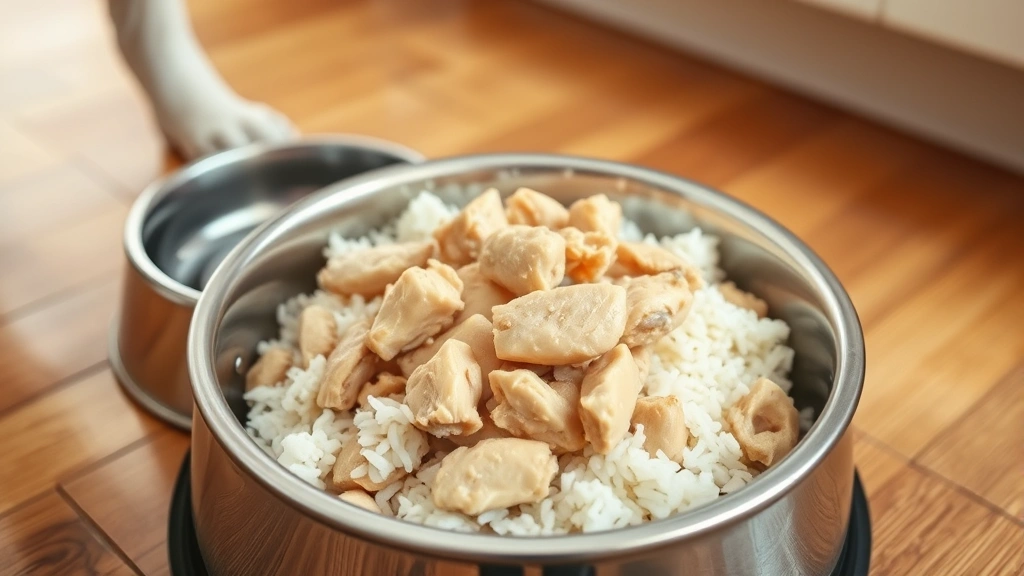
After fasting, introduce a bland diet consisting of plain boiled chicken and white rice in a 1:1 ratio. This combination is gentle on the stomach and easy to digest. Feed smaller, more frequent meals rather than one large meal.
- Fast for 12–24 hours (water is always okay)
- Introduce bland food gradually over 3–5 days
- Slowly mix in their regular food as they improve
- Avoid treats, table scraps, and fatty foods during recovery
Many pet owners see improvement within 24 to 48 hours with this approach alone.
Solution 2: Ensure Proper Hydration
Diarrhea causes fluid loss, which can lead to dehydration—especially in puppies and small breeds. Make sure fresh water is always available, and encourage your dog to drink regularly throughout the day.
If your dog isn’t drinking enough, you can offer low-sodium broth (cooled) or water-based treats like plain pumpkin puree to boost hydration. Watch for signs of dehydration like dry gums, lethargy, or skin that doesn’t bounce back when gently pinched.
Staying hydrated is crucial for recovery and helps prevent complications.
Solution 3: Add Digestive Support Supplements
Probiotics and digestive enzymes can help restore healthy gut bacteria and improve digestion. Many dogs respond well to probiotic supplements designed specifically for pets, which can reduce diarrhea duration and severity.
Pumpkin puree (plain, not pie filling) is another popular remedy that many vets recommend. It’s high in fiber and can help firm up stool naturally. A tablespoon or two mixed into food can make a real difference.
These supplements are generally safe and can be used alongside other treatments. Always check with your vet before starting any new supplement, especially if your dog is on medication.
Solution 4: Identify and Eliminate Dietary Triggers
Once your dog’s acute diarrhea improves, the next step is figuring out what caused it. Common food triggers include sudden diet changes, high-fat foods, dairy, and certain proteins or grains.
If you recently switched foods, go back to the old food and transition more slowly next time—ideally over 7 to 10 days, gradually mixing more new food in. If you suspect a food sensitivity or allergy, an online vet for dog diarrhea can guide you through an elimination diet or recommend a limited-ingredient food.
Keeping a food diary helps you spot patterns and identify what your dog’s stomach can’t tolerate.
Solution 5: Rule Out Parasites and Infections
Parasites like giardia, roundworms, and hookworms are common causes of persistent diarrhea in dogs. If diarrhea lasts more than a few days, contains blood, or is accompanied by vomiting or weight loss, parasites could be the culprit.
A vet will typically recommend a stool sample test to check for parasites and bacterial infections. This simple test can reveal exactly what’s going on and guide treatment. Many telehealth vets can order these tests and review results with you remotely.
Catching parasites early prevents them from affecting your dog’s overall health and nutrition.
Solution 6: Manage Stress and Environmental Factors
Stress, anxiety, and sudden changes in routine can trigger diarrhea in sensitive dogs. If your dog recently experienced a move, a new pet, a change in schedule, or loud noises, stress could be playing a role.
Create a calm, consistent environment. Maintain regular feeding times, exercise routines, and sleep schedules. Some dogs benefit from calming supplements or pheromone products designed to reduce anxiety.
Addressing the emotional side of diarrhea is just as important as the physical side.
Solution 7: Know When to Seek Professional Help
Most mild cases of diarrhea resolve within a few days with home care. However, certain signs mean you should reach out to a vet right away. If your dog shows any of these symptoms, don’t wait:
- Diarrhea lasting more than 3–5 days
- Blood or mucus in stool
- Vomiting along with diarrhea
- Lethargy, loss of appetite, or weight loss
- Severe abdominal pain or bloating
- Signs of dehydration
- A puppy or senior dog with diarrhea
If you are unsure whether your pet needs urgent care, a quick telehealth check-in with an online vet for dog diarrhea can give you peace of mind—no appointment needed. You’ll get professional guidance in minutes, not days.
How Telehealth Vets Help With Dog Diarrhea
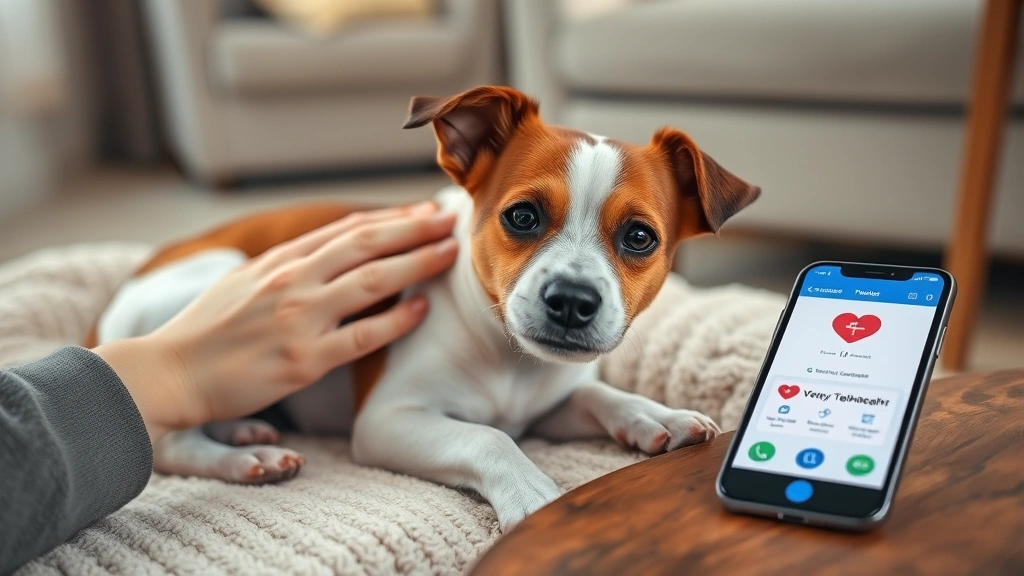
Telehealth veterinary services like The Pet Vet make it easy to get expert advice without the stress of a clinic visit. You can describe your dog’s symptoms, share photos or videos, and discuss your concerns directly with a licensed vet from home.
Vets can assess whether home care is appropriate, recommend specific treatments, order diagnostic tests, or advise you to visit an in-person clinic if needed. This flexibility is especially valuable when diarrhea strikes at night or on weekends.
Many pet owners find that a quick online consultation prevents unnecessary vet visits while ensuring their dog gets the right care at the right time.
Prevention: How to Reduce Future Episodes
Once your dog recovers, focus on prevention. Feed a consistent, high-quality diet and avoid sudden food changes. Keep your dog away from garbage, toxic plants, and human foods that upset their stomach.
Regular exercise, a stress-free environment, and up-to-date parasite prevention also go a long way. Annual wellness exams help catch underlying health issues before they cause problems.
If your dog has chronic diarrhea, work with your vet to identify the root cause—it could be a food allergy, inflammatory condition, or something else that benefits from a tailored treatment plan. Learn more about talking to a vet about digestive issues online to get personalized advice.
When to Consider Prescription Options
While most cases of acute diarrhea respond to diet and supportive care, some dogs may benefit from prescription support. Your vet might recommend anti-inflammatory medications, antibiotics if a bacterial infection is present, or other treatments based on the underlying cause.
Never give your dog any medication without veterinary guidance. A licensed vet will determine what’s appropriate for your dog’s specific situation and monitor for any side effects.
For more information on digestive health in pets, check out resources from the American Veterinary Medical Association (AVMA) or PetMD.
What To Do Now
- Assess your dog’s symptoms: Note the duration, consistency, color, and any other signs like vomiting or lethargy. This information helps a vet diagnose the issue faster.
- Start supportive care at home: Begin with fasting (if appropriate), then introduce a bland diet. Ensure your dog stays hydrated and has access to fresh water at all times.
- Schedule a telehealth consultation: If diarrhea lasts more than a few days or your dog shows concerning symptoms, connect with an online vet for professional guidance and peace of mind.
- Keep a food and symptom diary: Track what your dog eats and when symptoms occur to identify patterns and potential triggers.
- Plan prevention: Once your dog recovers, focus on consistent feeding, parasite prevention, and a stress-free environment to reduce future episodes.
Frequently Asked Questions
Can I treat dog diarrhea at home?
Yes, mild diarrhea often improves with fasting, a bland diet, and hydration. However, if it lasts more than a few days or your dog shows other symptoms, consult a vet to rule out serious causes.
How long does it take for dog diarrhea to go away?
Most cases resolve within 24 to 48 hours with proper care. Persistent diarrhea lasting more than 5 days warrants a veterinary evaluation.
Is an online vet visit helpful for dog diarrhea?
Absolutely. An online vet can assess symptoms, recommend treatment, and advise whether in-person care is needed—all from the comfort of your home.
What should I feed a dog with diarrhea?
Plain boiled chicken and white rice in equal parts is the gold standard. Avoid treats, table scraps, and fatty foods until your dog fully recovers.
When is dog diarrhea an emergency?
Seek immediate care if your dog shows blood in stool, severe lethargy, vomiting, signs of dehydration, or if diarrhea persists beyond 5 days despite home care.
Summary
Dog diarrhea is one of the most common concerns pet owners face, but it’s also one of the most manageable. By starting with proven solutions—fasting, bland food, hydration, and identifying triggers—you can help your dog feel better quickly. For persistent or concerning cases, an online vet for dog diarrhea provides fast, convenient access to professional expertise without the hassle of scheduling a clinic appointment.
Remember, you’re not alone in this. Millions of dog owners deal with diarrhea every year, and most cases resolve with simple, supportive care. Trust your instincts, monitor your dog closely, and reach out to a vet if you’re worried. Your dog is counting on you, and help is just a click away.