
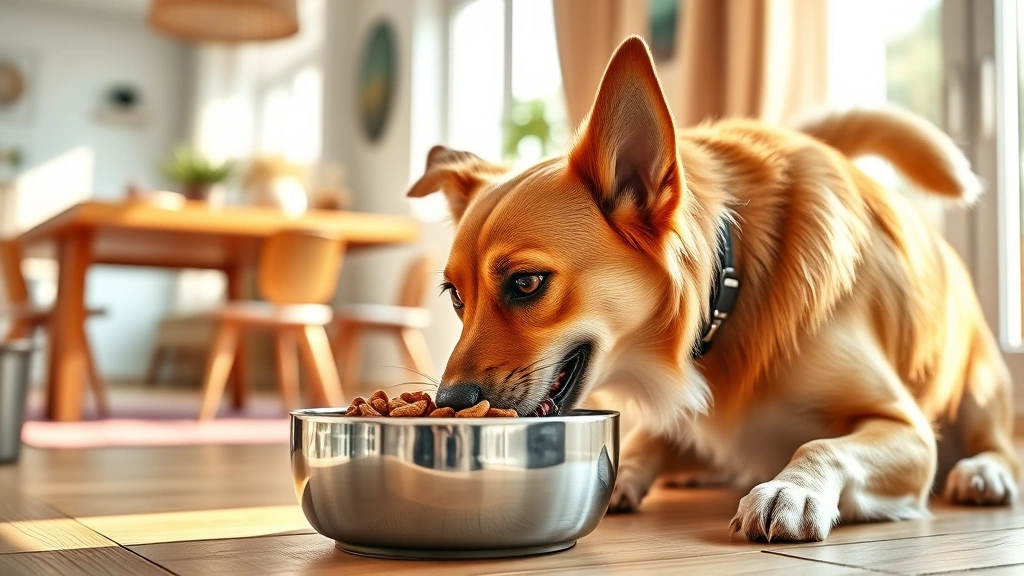
When your dog stops eating, it’s natural to feel worried—and rightfully so. An online vet for dog not eating can help you figure out what’s going on without the stress of waiting weeks for an appointment or the expense of an emergency room visit. Whether your furry friend is being picky or dealing with something more serious, understanding the causes and solutions can help you take action fast.
Table of Contents
- Why Is Your Dog Not Eating? Common Causes Explained
- Solution 1: Rule Out Dental Disease and Oral Pain
- Solution 2: Assess Recent Changes in Diet or Environment
- Solution 3: Check for Signs of Infection or Illness
- Solution 4: Evaluate Stress and Anxiety Levels
- Solution 5: Monitor for Gastrointestinal Issues
- Solution 6: Try Appetite-Stimulating Feeding Strategies
- Solution 7: Connect With an Online Vet Promptly
- When to Seek Emergency Care
- What to Prepare Before Your Online Vet Appointment
- Frequently Asked Questions
- What To Do Now
- The Bottom Line
This article is for informational purposes only and is not a substitute for professional veterinary advice. Always consult a licensed veterinarian for diagnosis and treatment.
Why Is Your Dog Not Eating? Common Causes Explained
Loss of appetite in dogs can stem from many different sources. Sometimes it’s something simple, like a change in food brand or a stressful event. Other times, it signals an underlying health issue that needs attention.
Common culprits include digestive upset, dental problems, infections, stress, or even medication side effects. The key is identifying the pattern—did your dog’s appetite disappear suddenly, or has it been gradually declining? This detail matters when you talk to an online vet about your dog not eating.
Solution 1: Rule Out Dental Disease and Oral Pain
One of the most overlooked reasons dogs stop eating is dental pain. If your pup’s teeth or gums are sore, they may avoid food altogether, even if they’re hungry.
Look for these signs: bad breath, drooling, swelling around the jaw, or reluctance to chew toys. If you notice any of these, an online vet can help you determine if a dental checkup is needed. Catching dental issues early puts you in a great position to prevent serious infections.
- Check for visible tartar or discolored teeth
- Watch for difficulty chewing or dropping food
- Note any behavioral changes related to eating
Solution 2: Assess Recent Changes in Diet or Environment
Dogs can be surprisingly sensitive to change. A new food brand, a move to a different home, or even a new pet in the household can trigger stress-related appetite loss.
If you’ve recently switched your dog’s food, try transitioning back to the old brand gradually over 7-10 days, mixing the two together. Environmental stress often resolves on its own as your pup adjusts, but patience and routine help tremendously.
Sometimes the simplest explanation is the right one—and that’s good news because it’s usually easy to fix.
Solution 3: Check for Signs of Infection or Illness
Infections, fever, and systemic illnesses frequently cause dogs to lose interest in food. Your dog may be experiencing symptoms like lethargy, vomiting, diarrhea, or unusual behavior alongside the appetite loss.
If your dog seems unwell in other ways, an online vet consultation about gastrointestinal issues can help you understand whether urgent care is needed. Many infections are treatable when caught early, so don’t wait if something feels off.
Solution 4: Evaluate Stress and Anxiety Levels
Just like humans, anxious dogs often lose their appetite. Loud noises, separation anxiety, or major life changes can suppress your pup’s hunger signals.

To help reduce stress, maintain a consistent daily routine, provide a safe, quiet space, and spend quality time with your dog. Calming supplements or pheromone diffusers may also help—your vet can recommend options tailored to your dog’s needs.
Creating a calm environment sometimes makes all the difference in restoring normal eating habits.
Solution 5: Monitor for Gastrointestinal Issues
Digestive problems are among the most common reasons dogs stop eating. Conditions ranging from sudden-onset gastrointestinal issues to chronic inflammation can suppress appetite.
If your dog has a history of vomiting, diarrhea, or constipation, or if these symptoms appear alongside appetite loss, it’s time to reach out to a vet. Keeping a brief log of your dog’s bathroom habits and any vomiting can give your vet crucial clues about what’s happening.
Solution 6: Try Appetite-Stimulating Feeding Strategies
While you’re investigating the root cause, there are ways to make eating more appealing to your dog.
- Warm up wet food slightly to enhance the aroma
- Offer smaller, more frequent meals instead of one large bowl
- Hand-feed a few bites to show your dog the food is okay
- Try a different protein or food texture temporarily
- Remove the food bowl after 15-20 minutes if uneaten
These strategies can help maintain nutrition while you work with a vet to identify the underlying cause. Sometimes a little creativity brings appetite back quickly.
Solution 7: Connect With an Online Vet Promptly
If your dog hasn’t eaten for more than 12-24 hours, or if appetite loss is paired with other concerning symptoms, reaching out to an online vet is your best move. If you are unsure whether your pet needs urgent care, a quick telehealth check-in can give you peace of mind—no appointment needed.
An online vet can ask detailed questions about your dog’s history, review any symptoms, and advise whether an in-person exam is necessary. Many issues are resolved through telehealth guidance alone, saving you time and money.
When to Seek Emergency Care
While many cases of appetite loss are manageable, some situations demand immediate attention. Seek emergency care if your dog shows:
- Severe vomiting or inability to keep water down
- Extreme lethargy or unresponsiveness
- Abdominal pain or bloating
- Difficulty breathing
- Signs of poisoning or toxic ingestion
Trust your instincts—if something feels urgent, don’t hesitate to contact an emergency clinic or call your regular vet for guidance.
What to Prepare Before Your Online Vet Appointment
Having information ready makes your telehealth visit more productive. Gather the following:
- Your dog’s age, breed, and current medications
- When appetite loss started and how complete it is
- Any other symptoms (vomiting, diarrhea, lethargy, etc.)
- Recent diet or environment changes
- Your dog’s vaccination and health history
- Photos or videos of your dog’s behavior if relevant
The more details you provide, the better your vet can help narrow down the cause and recommend next steps.
Frequently Asked Questions
How long can a dog safely go without eating?
Most healthy adult dogs can go 3-5 days without food, but this doesn’t mean they should. Loss of appetite lasting more than 24 hours warrants a vet check to rule out underlying issues.
Is it normal for dogs to be picky eaters?
Some dogs are naturally pickier than others, but sudden appetite loss is different from pickiness. If your dog usually eats well and suddenly refuses food, something has changed.
Can anxiety really cause a dog to stop eating?
Yes, absolutely. Stress and anxiety suppress appetite in dogs just as they do in humans. Identifying and reducing stressors often helps restore normal eating patterns.
Should I try a different dog food if my dog isn’t eating?
Not immediately. Switching foods too quickly can worsen digestive upset. Instead, consult a vet first to rule out medical causes, then make gradual food transitions if recommended.
What’s the difference between telehealth and an in-person vet visit?
Telehealth is great for initial assessments, advice, and follow-ups, but physical exams, blood work, and imaging require an in-person visit. Your online vet will let you know if an exam is needed.
What To Do Now
- Document the timeline: Note exactly when your dog’s appetite changed and whether it’s complete loss or partial decrease.
- Schedule a telehealth consultation: Reach out to an online vet today for a quick assessment—no waiting room, no travel stress.
- Monitor for red flags: Keep an eye out for vomiting, lethargy, abdominal pain, or other symptoms that signal urgency.
- Keep food available: Offer small, appealing meals every few hours while you investigate, but don’t force feeding.
- Follow your vet’s recommendations: Once you connect with a professional, follow their guidance on next steps, whether that’s dietary changes, medication, or further testing.
The Bottom Line
A dog not eating is stressful, but you have options. An online vet for dog not eating can help you understand what’s happening and create a plan without the wait or expense of traditional vet visits. Whether the issue is dental pain, stress, a dietary change, or something requiring more investigation, getting professional input quickly puts your mind at ease and your pup on the path to recovery.
Most appetite issues resolve when the underlying cause is addressed. By staying calm, gathering information, and reaching out for help, you’re already doing what’s best for your dog. Trust yourself, trust the process, and remember that early intervention leads to better outcomes.
Ready to get answers? Talk to an online vet about your dog not eating today. Your furry friend is counting on you.