
If your dog has been panting more than usual, you’re probably worried—and reaching out to an online vet for dog panting might be exactly what you need right now. Excessive panting can feel alarming when it’s not your pup’s normal behavior, especially if you’re unsure whether it’s something serious or just a warm day. The good news? A quick telehealth consultation can help you understand what’s happening and get your furry friend the care they need without the stress of a vet office visit.
Table of Contents
- Why Dogs Pant: The Normal vs. the Concerning
- Common Causes of Excessive Dog Panting
- When Should You Contact an Online Vet for Dog Panting?
- How Telehealth Works for Dog Panting Concerns
- Medication Solutions Your Vet Might Recommend
- At-Home Care While You Wait for a Vet Appointment
- Red Flags That Require Immediate Emergency Care
- Questions to Ask Your Online Vet During a Consultation
- Benefits of Choosing Telehealth for Your Dog’s Panting
- What To Do Now
- Frequently Asked Questions
- Summary: Taking Action for Your Dog’s Health
This article is for informational purposes only and is not a substitute for professional veterinary advice. Always consult a licensed veterinarian for diagnosis and treatment.
Why Dogs Pant: The Normal vs. the Concerning
Dogs pant for many reasons, and not all of them signal a problem. Your dog’s body uses panting as a cooling mechanism—it’s how they regulate temperature since they don’t sweat like humans do. On hot days, after playtime, or when they’re excited, panting is completely normal and nothing to worry about.
However, excessive or unusual panting can be a red flag. If your dog is panting heavily while resting indoors, panting at night, or showing signs of distress alongside the panting, these changes warrant attention. Catching this early puts you in a great position to help your pup feel better quickly.
Common Causes of Excessive Dog Panting
Understanding what might be causing your dog’s panting helps you explain symptoms clearly to a vet. Several conditions could be at play:
- Heat stress or overheating: The most common cause, especially in warm weather or after exercise.
- Anxiety or stress: Dogs pant when nervous, scared, or in new situations. Anxiety-related panting often comes with other behavioral signs.
- Respiratory infections: Conditions like kennel cough or pneumonia may cause rapid, labored breathing. Respiratory infections need prompt attention.
- Heart disease: Older dogs or those with pre-existing conditions may pant excessively due to heart issues. Heart disease in dogs requires careful management.
- Pain or discomfort: Dogs may pant when experiencing pain from injuries, arthritis, or other conditions.
- Medication side effects: Some medications can increase panting as a side effect.
- Hormonal imbalances: Conditions like Cushing’s disease or hyperthyroidism may trigger excessive panting.
When Should You Contact an Online Vet for Dog Panting?
Not every panting episode requires emergency care, but knowing when to reach out makes a real difference. You should contact a vet if your dog’s panting is sudden, persistent, or accompanied by other symptoms like lethargy, loss of appetite, or coughing.
If you’re unsure whether your pet needs urgent care, a quick telehealth check-in can give you peace of mind—no appointment needed. A vet can assess your dog’s situation through video and help you decide on next steps.
How Telehealth Works for Dog Panting Concerns
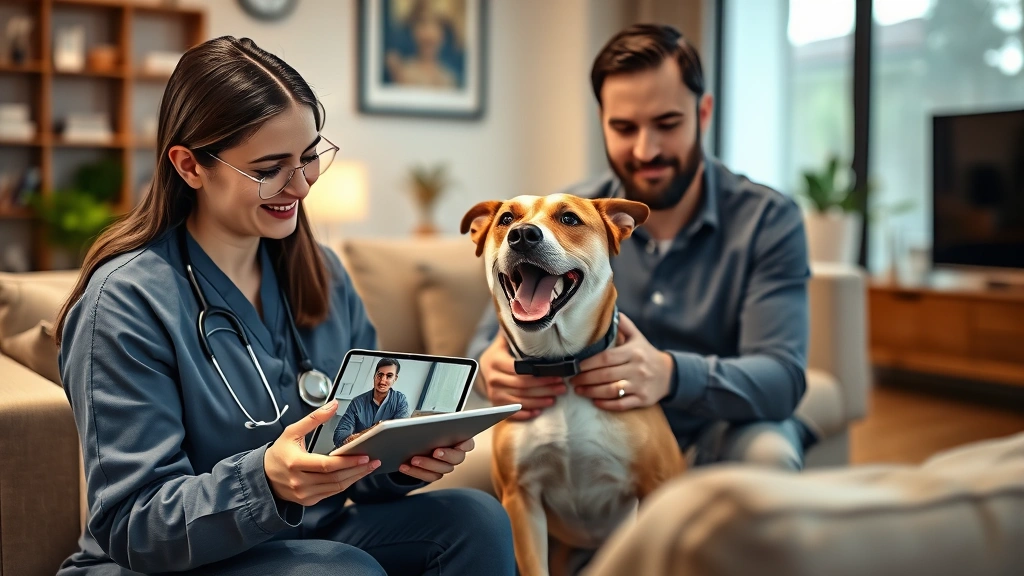
Telehealth veterinary services have made it easier than ever to get professional guidance without leaving home. When you contact an online vet for dog panting, here’s what typically happens:
- You describe your dog’s symptoms and medical history.
- The vet asks detailed questions about when the panting started, what your dog was doing, and any other changes you’ve noticed.
- You show the vet your dog on video so they can observe behavior and breathing patterns.
- The vet provides an assessment, recommendations, and may suggest follow-up care or in-person evaluation if needed.
This approach is especially helpful for mild to moderate cases and for pet owners who want quick reassurance or guidance before scheduling a full exam.
Medication Solutions Your Vet Might Recommend
Depending on the underlying cause of your dog’s panting, your vet may recommend specific treatment approaches. The medication solution isn’t one-size-fits-all—it depends entirely on what’s causing the excessive breathing.
For anxiety-related panting, your vet may discuss calming supplements or prescription options to help your dog feel more at ease. If a respiratory infection is suspected, antibiotics or other respiratory support might be recommended. For heart-related panting, your vet could suggest medications designed to support heart function and improve breathing.
During a telehealth consultation, your vet will explain which treatment approach makes sense for your dog’s specific situation. They’ll also discuss any lifestyle changes or supportive care that could help alongside medication.
At-Home Care While You Wait for a Vet Appointment
While you’re arranging a consultation, there are several things you can do to help your panting pup feel more comfortable:
- Keep your dog cool: Provide access to shade, fresh water, and air conditioning. Avoid strenuous exercise during hot parts of the day.
- Monitor breathing patterns: Note when panting occurs, how long it lasts, and what your dog is doing. This information helps your vet pinpoint the cause.
- Reduce stressors: If anxiety seems to trigger panting, create a calm, quiet space for your dog to relax.
- Watch for additional symptoms: Keep an eye out for coughing, wheezing, lethargy, or changes in appetite.
- Maintain hydration: Ensure fresh water is always available, especially if your dog is panting frequently.
Red Flags That Require Immediate Emergency Care
While telehealth is convenient, some situations need in-person emergency veterinary care right away. Seek immediate help if your dog shows signs of severe distress, such as:
- Extreme difficulty breathing or gasping for air
- Blue-tinged gums or tongue
- Collapse or loss of consciousness
- Severe lethargy or unresponsiveness
- Drooling excessively or inability to swallow
- Signs of choking or airway obstruction
These symptoms suggest your dog may need emergency stabilization that only an in-person vet clinic can provide. Don’t delay in these cases—call your nearest emergency vet clinic immediately.
Questions to Ask Your Online Vet During a Consultation
When you connect with an online vet for dog panting, having a list of questions ready helps you get the most from the appointment. Here are key things to ask:
- What could be causing my dog’s panting based on the symptoms I’ve described?
- Do I need to bring my dog in for a physical exam, or can this be managed via telehealth?
- What treatment options are available, and what do you recommend for my dog’s situation?
- Are there any lifestyle changes that could help reduce the panting?
- When should I expect to see improvement, and what should I monitor?
- What symptoms would mean I need emergency care?
Benefits of Choosing Telehealth for Your Dog’s Panting
Telehealth veterinary services offer unique advantages when your dog is experiencing panting or other concerning symptoms. You get professional guidance quickly, without the stress of car rides or waiting rooms that might increase your dog’s anxiety.
Telehealth is also more affordable than traditional vet visits for many pet owners, and it’s available outside standard business hours. You can consult from home, on your schedule, which is especially valuable when you’re worried about your pup’s health.
Plus, if your vet determines your dog needs in-person care, they can provide a referral or guidance on what to expect at the clinic visit.
What To Do Now
- Document your dog’s panting: Note when it started, how often it happens, and what your dog is doing when it occurs. Include any other symptoms you’ve noticed.
- Schedule a telehealth consultation: Reach out to an online vet service like The Pet Vet to discuss your dog’s symptoms and get professional guidance without delay.
- Prepare your dog’s medical history: Gather information about past illnesses, current medications, and any known health conditions to share with your vet.
- Create a calm environment: While waiting for your appointment, keep your dog cool, hydrated, and in a stress-free space.
- Know when to seek emergency care: If your dog shows signs of severe distress, skip telehealth and head to an emergency vet clinic immediately.
Frequently Asked Questions
Can an online vet diagnose why my dog is panting?
Yes, an online vet can often determine the cause of panting through conversation, observation, and questions about your dog’s history. However, some conditions may require blood work or imaging that needs an in-person visit.
Is telehealth appropriate for all types of dog panting?
Telehealth works well for mild to moderate panting cases and initial assessments. Severe breathing difficulties or signs of emergency require immediate in-person veterinary care.
How quickly can I get an appointment with an online vet?
Most telehealth services offer same-day or next-day appointments, and some provide urgent consultations within hours. This is much faster than traditional vet offices.
Will my online vet prescribe medication for my dog’s panting?
Yes, licensed veterinarians on telehealth platforms can prescribe medications when appropriate. They’ll explain why a particular medication may help and discuss any side effects.
What if the online vet thinks my dog needs in-person care?
Your telehealth vet will clearly communicate if your dog needs a physical exam, blood work, or imaging. They can provide referrals to local clinics or help you understand what to expect at an in-person visit.
Summary: Taking Action for Your Dog’s Health
Excessive panting in your dog deserves attention, but it doesn’t have to mean a stressful emergency room visit. By consulting with an online vet for dog panting, you can get professional guidance quickly, understand what might be happening, and explore medication solutions or other treatments tailored to your pup’s needs.
The key is to act thoughtfully: document what you’re seeing, reach out to a vet promptly, and know when symptoms require emergency care. Your dog is counting on you to be their advocate, and getting professional help—whether through telehealth or in-person care—is the best way to ensure they get back to their happy, healthy self.
Don’t let worry keep you from reaching out. A quick telehealth consultation could be exactly what you and your dog need right now.