
If your dog is vomiting, an online vet for dog vomiting can help you figure out what’s happening and get your pup feeling better fast—without the stress of a waiting room visit.
Table of Contents
- Why Dog Vomiting Happens: Common Causes
- When to Seek Immediate Care vs. Watchful Waiting
- How an Online Vet Can Help with Dog Vomiting
- At-Home Care While You Wait for Vet Guidance
- Red Flags That Require Urgent Veterinary Attention
- Understanding Dog Gastrointestinal Health Long-Term
- Why Telehealth Works for Dog Vomiting Concerns
- What to Do Right Now: Action Steps
- Preventing Future Vomiting Episodes
- Frequently Asked Questions
- Summary: Getting Help for Your Vomiting Dog
This article is for informational purposes only and is not a substitute for professional veterinary advice. Always consult a licensed veterinarian for diagnosis and treatment.
Watching your dog throw up is never fun. It’s scary, it’s messy, and it often leaves you wondering: Is this serious? Should I rush to the emergency clinic? Or can I wait until morning to call my regular vet?
The truth is, dog vomiting can range from a minor stomach upset to something that needs immediate attention. The good news? You don’t have to figure it out alone—and you don’t have to leave your house to get expert guidance.
Why Dog Vomiting Happens: Common Causes
Dog vomiting can stem from dozens of different causes. Some are minor; others need prompt care. Understanding what might be triggering your pup’s nausea is the first step toward helping them.
Dietary issues are among the most common culprits. Your dog may have eaten something they shouldn’t have—garbage, a new treat, or food that doesn’t agree with their stomach. A sudden diet change can also upset their digestive system.
Gastrointestinal infections caused by bacteria or viruses can make dogs vomit repeatedly. These are contagious in some cases and warrant veterinary attention.
Stress and anxiety can trigger vomiting too. If your dog recently experienced a big change—a move, a new pet, or loud noises—their stomach might react.
Other possibilities include parasites, pancreatitis, bloat, kidney disease, or toxin ingestion. Catching this early puts you in a great position to help.
When to Seek Immediate Care vs. Watchful Waiting
Not every episode of vomiting requires an emergency vet visit. But some signs tell you it’s time to act fast.
Get emergency care right now if your dog:
- Vomits repeatedly over a short period (more than 2-3 times in an hour)
- Shows signs of abdominal pain (hunched posture, whining, reluctance to move)
- Vomits blood or material that looks like coffee grounds
- Appears lethargic, weak, or unresponsive
- Has a distended or bloated belly
- Won’t drink water or shows signs of dehydration
- Recently ate something toxic or foreign
You can likely wait and monitor if:
- Your dog vomited once or twice but seems otherwise normal
- They’re eating, drinking, and playing as usual
- There’s no blood or unusual material in the vomit
- No recent dietary changes or known toxin exposure
When in doubt, a quick telehealth check-in with an online vet can give you peace of mind—no appointment needed.
How an Online Vet Can Help with Dog Vomiting
Telehealth veterinary services have transformed pet care. An online vet appointment lets you describe your dog’s symptoms, show the vet what’s happening, and get professional guidance in minutes—not days.
During a virtual consultation, your vet will ask detailed questions: When did the vomiting start? How many times? What does it look like? Is your dog eating? Drinking? Acting normal otherwise?
Based on your answers and observations, the vet can help you decide the next best step. Sometimes that means trying home care. Other times, they’ll recommend an in-person exam or bloodwork. Either way, you get expert input without unnecessary stress.
The beauty of telehealth is accessibility. You’re not limited to your local vets’ availability. If your regular vet is booked, an online vet can help you right away.
At-Home Care While You Wait for Vet Guidance
If your dog vomited once but seems otherwise fine, there are safe steps you can take at home while you arrange a vet consultation.
Withhold food temporarily. Give your dog’s stomach time to settle. Most vets recommend waiting 6-12 hours before offering food again.
Offer small amounts of water. Let your dog sip water slowly. Gulping large amounts can trigger more vomiting. Offer a few tablespoons every 15-20 minutes.
Keep them calm and comfortable. Minimize activity and stress. A quiet, comfortable space helps their digestive system recover.

Reintroduce food gradually. Start with bland, easy-to-digest options like plain boiled chicken, white rice, or a veterinary-prescribed bland diet. Feed small portions several times a day.
Monitor closely. Watch for any return of vomiting, changes in behavior, or new symptoms. If anything worsens, contact a vet immediately.
These steps work best for mild, occasional vomiting. If your dog continues to vomit or shows other symptoms, professional guidance is essential.
Red Flags That Require Urgent Veterinary Attention
Some symptoms alongside vomiting signal a more serious issue. Don’t wait if you notice these warning signs.
Persistent or projectile vomiting suggests something more than a simple upset stomach. This could indicate an obstruction, severe infection, or metabolic disease.
Vomiting combined with diarrhea points toward gastroenteritis or infection. Your dog is losing fluids and nutrients fast.
Loss of appetite lasting more than 24 hours is concerning. Dogs naturally want to eat; prolonged refusal signals illness.
Lethargy and weakness mean your dog isn’t bouncing back. This suggests systemic illness rather than a minor stomach upset.
Abdominal distension or pain could indicate bloat, a life-threatening emergency. A hard, swollen belly demands immediate care.
Pale gums or difficulty breathing indicate shock or severe illness. These are emergency signs.
Early intervention saves lives. If you’re unsure, reaching out to an online vet or emergency clinic is always the safer choice.
Understanding Dog Gastrointestinal Health Long-Term
Occasional vomiting happens. But if your dog vomits frequently, there may be underlying gastrointestinal issues worth investigating.
Chronic vomiting can indicate food sensitivities, inflammatory bowel disease, parasites, or other digestive disorders. A vet can run tests—bloodwork, fecal exams, ultrasounds—to pinpoint the cause.
Once diagnosed, many GI issues are manageable with diet changes, medications, supplements, or lifestyle adjustments. The key is getting answers so you can help your dog thrive.
Regular vet check-ups, quality nutrition, and parasite prevention go a long way in keeping your dog’s digestive system healthy.
Why Telehealth Works for Dog Vomiting Concerns
Traditional vet visits have their place. But for initial assessment and guidance, telehealth offers real advantages.
Speed. No waiting for an appointment weeks out. Get answers today.
Convenience. Consult from home while your dog is calm and comfortable.
Cost-effective. Virtual visits often cost less than in-person exams.
Reduced stress. Your dog avoids car rides and unfamiliar environments—which can actually reduce vomiting triggered by anxiety.
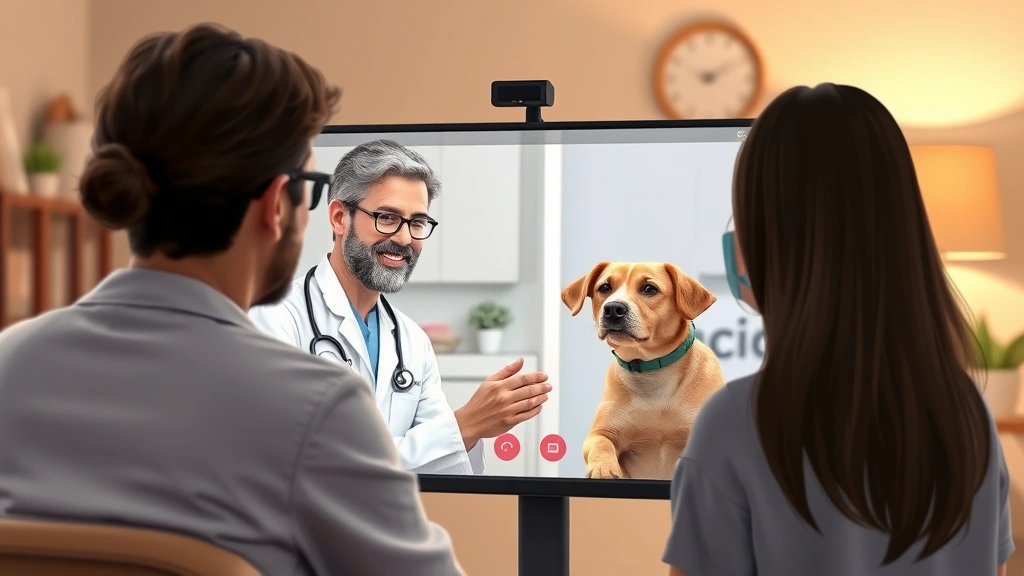
Expert guidance. You get professional advice from a licensed vet, helping you make informed decisions about next steps.
If your vet determines your dog needs in-person care, they can refer you to a local clinic or emergency hospital. But for initial triage and reassurance, telehealth is a game-changer.
What to Do Right Now: Action Steps
If your dog is vomiting, here’s what to do immediately:
- Assess the situation. Is your dog showing emergency red flags (repeated vomiting, blood, severe pain, lethargy)? If yes, contact an emergency vet or call poison control if toxin exposure is suspected. If no, move to step 2.
- Contact an online vet. Schedule a virtual vet appointment to describe symptoms and get professional input. Have details ready: when it started, how many times, what the vomit looked like, and your dog’s behavior since.
- Implement home care. While waiting for or during your telehealth visit, withhold food, offer small amounts of water, and keep your dog calm and comfortable.
- Follow vet recommendations. Based on the telehealth assessment, your vet may suggest monitoring at home, trying dietary changes, scheduling an in-person exam, or going to an emergency clinic. Follow their guidance closely.
- Track and document. Keep notes on vomiting frequency, appearance, and your dog’s behavior. This information helps your vet track progress and adjust care if needed.
Preventing Future Vomiting Episodes
While you can’t prevent all vomiting, smart habits reduce the risk.
Feed quality nutrition. Choose high-quality dog food appropriate for your dog’s age and health status. Avoid sudden diet changes; transition gradually over 7-10 days.
Control access to hazards. Keep garbage, toxic foods, and foreign objects out of reach. Supervise outdoor time to prevent eating grass, dirt, or unknown items.
Maintain parasite prevention. Regular flea, tick, and worm prevention protects your dog’s digestive health.
Manage stress. Provide a calm environment, regular exercise, and routine. Anxious dogs are more prone to stomach upset.
Schedule regular vet check-ups. Preventive care catches issues early before they cause serious problems.
Avoid table scraps and people food. Human food is a common vomiting trigger. Stick to vet-approved treats and meals.
Frequently Asked Questions
Can I use an online vet if my dog is vomiting?
Yes. Telehealth vets can assess vomiting symptoms, ask detailed questions, and help you decide if in-person care is needed. For non-emergency vomiting, it’s a great first step.
How long should I wait before calling a vet about vomiting?
If your dog vomits once but seems fine otherwise, you can monitor for 6-12 hours. If vomiting repeats, worsens, or your dog shows other symptoms, contact a vet immediately—don’t wait.
Is dog vomiting always serious?
No. A single episode from eating something disagreeable is usually harmless. But repeated vomiting, especially with other symptoms, warrants professional evaluation to rule out serious conditions.
What should I feed my dog after vomiting?
Wait 6-12 hours before offering food. Then start with bland, easy-to-digest options like plain boiled chicken and white rice in small portions. Gradually return to regular food over several days.
When is dog vomiting an emergency?
Seek emergency care if your dog vomits repeatedly, vomits blood, shows severe abdominal pain, appears lethargic, has a bloated belly, or recently ate something toxic. When in doubt, contact a vet.
Summary: Getting Help for Your Vomiting Dog
Finding your dog vomiting is stressful, but you have options. An online vet for dog vomiting provides fast, professional guidance without the hassle of a traditional vet visit.
Whether your dog’s vomiting is minor or concerning, telehealth lets you get answers quickly. Based on the vet’s assessment, you’ll know whether to monitor at home, try dietary changes, or seek in-person care.
The most important thing? Don’t panic, and don’t ignore persistent symptoms. Early intervention often means better outcomes. Your dog is lucky to have someone who cares enough to seek help.
If you’re unsure whether your pet needs urgent care, a quick telehealth check-in can give you peace of mind—no appointment needed. Reach out to a licensed vet today and get your pup back to their happy, healthy self.