
If your kitten is hiding under the bed, refusing to eat, or displaying excessive grooming when visitors arrive, an online vet for kitten anxiety can help you understand what’s happening and explore treatment options without the stress of a clinic visit. Anxiety in kittens is more common than many pet owners realize, and the good news is that help is just a video call away.
Table of Contents
- Understanding Kitten Anxiety: Why It Matters
- How Online Vets Can Help With Kitten Anxiety
- Common Signs Your Kitten May Be Experiencing Anxiety
- Medication Options: What Vets Often Recommend
- Behavioral Strategies to Pair With Medication
- When to Choose Telehealth vs. In-Person Visits
- Questions to Ask Your Online Vet About Kitten Anxiety
- Creating a Calm Environment for Your Anxious Kitten
- Long-Term Management and Monitoring
- Frequently Asked Questions
- What To Do Now
- Summary: Your Kitten Doesn’t Have to Suffer
This article is for informational purposes only and is not a substitute for professional veterinary advice. Always consult a licensed veterinarian for diagnosis and treatment.
Understanding Kitten Anxiety: Why It Matters
Kitten anxiety isn’t just nervousness—it’s a genuine behavioral and physiological response to stress. Young cats can experience anxiety from environmental changes, loud noises, new people, or even transitions to a new home. Recognizing the signs early makes a real difference in your kitten’s long-term well-being.
Many anxious kittens show physical symptoms like excessive meowing, loss of appetite, or destructive scratching. Others become withdrawn and avoid interaction entirely. The tricky part? These behaviors can also signal medical issues, which is why consulting with a vet—whether in-person or online—is so important.
How Online Vets Can Help With Kitten Anxiety
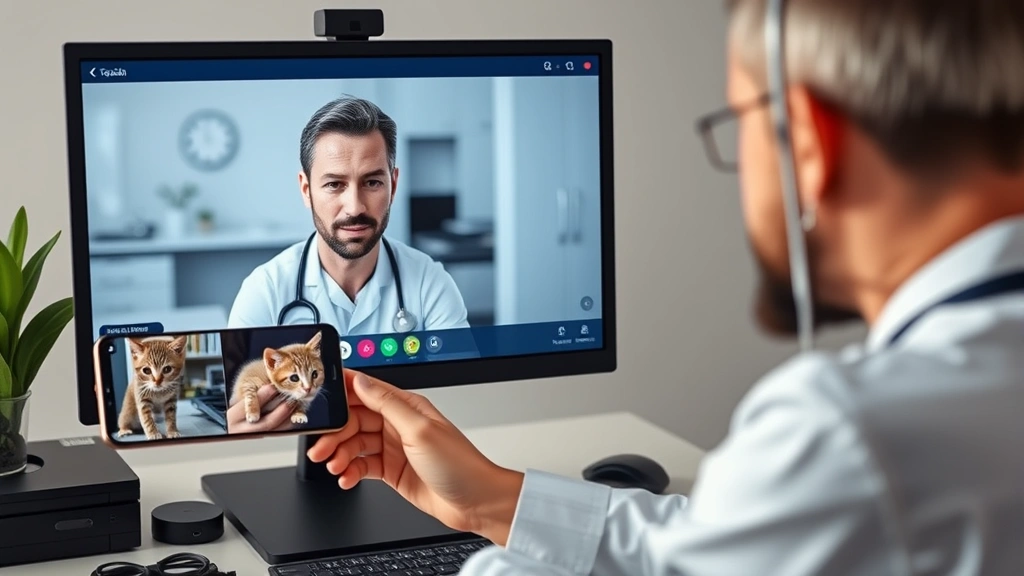
An online vet consultation for kitten anxiety offers several advantages. You can discuss your kitten’s symptoms from home, avoiding the additional stress of travel and clinic environments. Video appointments let vets observe your kitten’s behavior directly, which is crucial for accurate assessment.
Telehealth vets can review your kitten’s medical history, ask detailed questions about when anxiety started, and help rule out underlying health conditions. If you are unsure whether your pet needs urgent care, a quick telehealth check-in can give you peace of mind—no appointment needed.
Common Signs Your Kitten May Be Experiencing Anxiety
Recognizing anxiety symptoms is the first step toward helping your kitten. Here are the most common signs:
- Hiding or withdrawal: Spending most of the day under furniture or in dark spaces
- Changes in appetite: Eating significantly less or refusing meals entirely
- Excessive vocalization: Constant meowing, crying, or yowling
- Over-grooming: Licking or scratching specific areas until the fur thins
- Aggression or irritability: Swatting, biting, or hissing when normally friendly
- Litter box issues: Avoiding the box or going outside it
- Trembling or tension: Visible shaking or stiff body posture
Catching these signs early puts you in a great position to help your kitten before anxiety becomes deeply ingrained.
Medication Options: What Vets Often Recommend
While behavioral modification and environmental enrichment are foundational, medications can help anxious kittens feel calmer and more receptive to training. An online vet can discuss whether medication is appropriate for your kitten’s specific situation. Here’s an overview of commonly used medication categories:
SSRIs and Anti-Anxiety Medications
Selective serotonin reuptake inhibitors (SSRIs) are among the most frequently prescribed medications for feline anxiety. These work by increasing serotonin levels in the brain, helping to reduce fear and worry responses. Vets may recommend these for long-term anxiety management, especially in kittens showing persistent symptoms.
Other anti-anxiety medications work through different mechanisms, such as calming the nervous system or reducing stress hormone production. Your online vet can explain which approach might suit your kitten best based on their age, health status, and anxiety triggers.
Sedatives for Short-Term Stress
Sometimes kittens need temporary relief during particularly stressful events—moving day, vet visits, or loud celebrations. Short-acting sedatives can help your kitten stay calm without long-term side effects. These are typically prescribed for specific situations rather than ongoing use.
Herbal and Natural Supplements
Many pet owners prefer starting with gentler options. L-theanine, pheromone-based products, and herbal supplements derived from plants like valerian or chamomile may help some kittens relax. While less potent than prescription medications, they can be a good first step for mild anxiety.
Behavioral Strategies to Pair With Medication
Medication works best alongside behavioral interventions. Creating a calm environment is essential—provide hiding spots, vertical spaces, and quiet areas where your kitten can retreat. Interactive play sessions help burn nervous energy and build confidence.
Consulting an online vet about cat behavior problems can help you develop a comprehensive plan that combines environmental changes with training techniques. Positive reinforcement, gradual exposure to stressors, and consistent routines all support medication effectiveness.
Pheromone diffusers and calming music designed for cats can also create a soothing atmosphere. The goal is a multi-faceted approach where medication, environment, and behavior work together.
When to Choose Telehealth vs. In-Person Visits
Telehealth is ideal for initial consultations, follow-up discussions, and behavioral concerns. However, if your kitten needs a physical examination, bloodwork, or medication adjustments based on weight changes, an in-person visit may be necessary. Many pet owners use both—starting with an online vet for quick guidance, then scheduling a clinic visit if needed.
The flexibility of online vets means you can get expert advice quickly without waiting weeks for an appointment. For anxious kittens, reducing delays in getting help can prevent behaviors from worsening.
Questions to Ask Your Online Vet About Kitten Anxiety
When you connect with an online vet, come prepared with specific questions:
- Is my kitten’s anxiety behavioral, medical, or both?
- What are the safest medication options for a kitten of my pet’s age and weight?
- How long does it typically take to see improvement?
- Are there side effects I should monitor for?
- What environmental changes would help most?
- When should I follow up or consider in-person evaluation?
Having these answers helps you feel confident in your treatment plan and know what to expect moving forward.
Creating a Calm Environment for Your Anxious Kitten
Beyond medication, your home environment plays a huge role in managing anxiety. Minimize loud noises, establish predictable routines, and ensure your kitten has access to resources like food, water, and litter boxes in safe, quiet locations.
Enrichment is equally important—puzzle feeders, climbing trees, and window perches keep anxious kittens mentally engaged and physically active. Talking to a vet about cat anxiety online can help you identify which specific environmental modifications would benefit your kitten most.
Long-Term Management and Monitoring
Kitten anxiety often improves with consistent treatment, but management is ongoing. Regular check-ins with your vet—whether online or in-person—help track progress and adjust treatment as your kitten matures. Some kittens outgrow anxiety as they gain confidence; others benefit from long-term medication.
Keeping a simple log of your kitten’s behavior helps you and your vet identify patterns and measure improvement. Note eating habits, activity levels, and anxiety triggers to share during appointments.
Frequently Asked Questions
Can an online vet prescribe medication for kitten anxiety?
Yes, many licensed online vets can prescribe appropriate anxiety medications after evaluating your kitten’s symptoms and medical history. Prescription authority varies by state and platform.
How quickly does anxiety medication work in kittens?
Some medications show effects within days, while others take 2-4 weeks for full benefit. Your vet will discuss realistic timelines during your consultation.
Is it safe to use anxiety medication long-term in kittens?
Many anxiety medications are safe for long-term use when prescribed and monitored by a veterinarian. Regular follow-ups ensure your kitten tolerates the medication well.
What’s the difference between anxiety and normal kitten behavior?
Normal kittens are playful and curious; anxious kittens show persistent hiding, avoidance, or stress responses to routine situations. A vet can help distinguish between the two.
Can I treat kitten anxiety without medication?
Behavioral modification, environmental enrichment, and pheromone products help many kittens. However, medication may be necessary for severe anxiety or when other methods aren’t sufficient.
What To Do Now
Ready to help your anxious kitten? Here’s your action plan:
- Document symptoms: Write down when anxiety occurs, what triggers it, and how your kitten responds. This information is gold for your vet.
- Schedule an online consultation: Connect with a licensed vet through a telehealth platform to discuss your kitten’s anxiety and explore treatment options.
- Implement environmental changes: Create safe spaces, establish routines, and add enrichment while waiting for your appointment.
- Ask about medication options: During your consultation, ask your vet which medications or supplements might help your specific kitten.
- Plan follow-up care: Arrange a check-in appointment to monitor progress and adjust treatment if needed.
Summary: Your Kitten Doesn’t Have to Suffer
Kitten anxiety is treatable, and an online vet for kitten anxiety is an accessible, convenient way to get expert help. Whether your kitten is showing mild nervousness or severe anxiety, combining professional guidance with medication, behavioral strategies, and environmental support creates real, lasting change.
Your kitten’s anxiety isn’t a character flaw—it’s a signal that they need support. By taking action today, you’re giving your young cat the best chance to grow into a confident, happy adult. Telehealth makes that support easier to access than ever before.