
When your kitten starts coughing, it’s natural to feel worried—and reaching out to an online vet for kitten coughing can be one of the fastest ways to get answers without leaving home. A persistent cough in kittens isn’t something to ignore, but the good news is that many cases are manageable when caught early, and telehealth makes it easier than ever to get professional guidance quickly.
Table of Contents
- Why Kittens Cough: Common Causes
- Signs That Your Kitten’s Cough Needs Attention
- How an Online Vet Can Help With Kitten Coughing
- What to Expect During a Telehealth Consultation
- Common Management Strategies for Kitten Coughing
- When In-Person Examination Becomes Necessary
- Preventive Care to Reduce Future Coughing Episodes
- Understanding Medication Options (Without Specific Dosages)
- The Advantages of Choosing Telehealth for Your Kitten
- Frequently Asked Questions
- What To Do Now
- Summary
This article is for informational purposes only and is not a substitute for professional veterinary advice. Always consult a licensed veterinarian for diagnosis and treatment.
Why Kittens Cough: Common Causes
Kitten coughing can stem from several different sources, and understanding the potential cause helps you communicate better with your vet. The most common culprits include upper respiratory infections, hairballs, asthma, or even something as simple as irritation from dust or smoke.
Viral infections are particularly common in young kittens, especially those in shelters or multi-cat households. Bacterial infections can develop secondarily and may require additional intervention. Catching this early puts you in a great position to help your kitten feel better faster.
Foreign objects, allergies, and heart conditions are less common but still possible, which is why professional evaluation matters.
Signs That Your Kitten’s Cough Needs Attention
Not every cough requires emergency care, but certain symptoms warrant faster action. Watch for coughing that lasts more than a few days, wheezing, difficulty breathing, lethargy, or loss of appetite alongside the cough.
If your kitten seems to be struggling to breathe, has blue-tinged gums, or is drooling excessively, these are red flags. Additionally, if the cough is accompanied by nasal discharge, sneezing, or eye discharge, an infection may be developing.
Most mild coughs can wait for a scheduled telehealth appointment, but severe respiratory distress always warrants urgent in-person care.
How an Online Vet Can Help With Kitten Coughing
An online vet can evaluate your kitten’s cough by asking detailed questions about onset, duration, and accompanying symptoms. They can often determine whether the issue is likely viral, bacterial, or environmental based on your description and your kitten’s behavior.
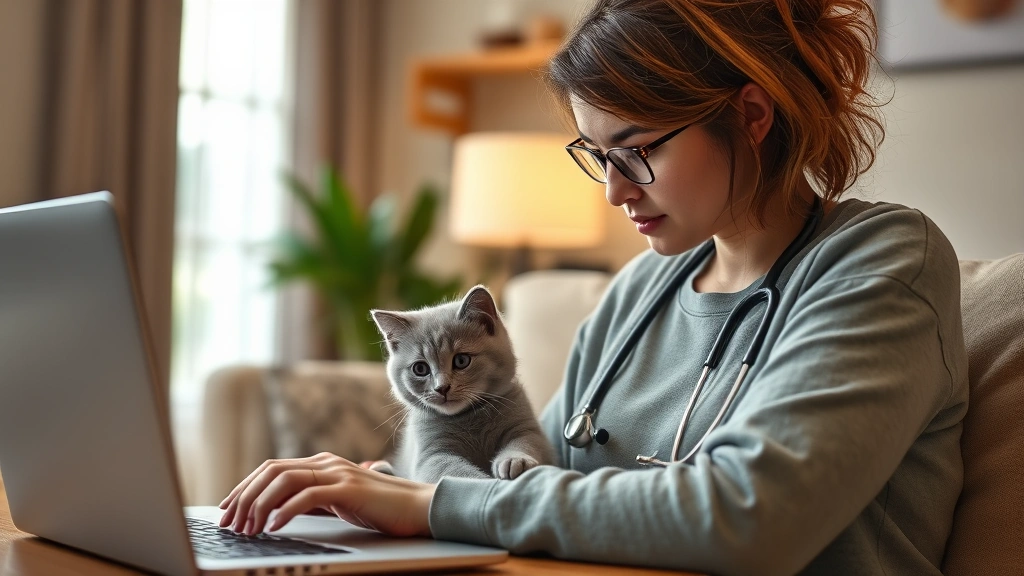
Telehealth vets can review video or photos you share, listen to you describe your kitten’s symptoms in real time, and provide initial guidance on whether in-person examination is necessary. Many cases of mild upper respiratory infection or hairball-related coughing can be managed with supportive care recommendations from a telehealth consultation.
If you are unsure whether your pet needs urgent care, a quick telehealth check-in can give you peace of mind — no appointment needed.
What to Expect During a Telehealth Consultation
During your online vet appointment, have your kitten nearby so the veterinarian can observe behavior if needed. Be ready to describe when the cough started, how often it occurs, what it sounds like (dry, wet, honking), and any other symptoms you’ve noticed.
The vet will likely ask about your kitten’s vaccination status, living environment, exposure to other animals, and any recent changes in diet or routine. They may also inquire about your kitten’s appetite, energy level, and litter box habits.
Based on this information, your vet can recommend next steps, which might include supportive care, prescription treatment, or referral for in-person examination.
Common Management Strategies for Kitten Coughing
For mild cases, supportive care often makes a significant difference. Keeping your kitten in a humidified environment can ease congestion and soothe irritated airways. A warm, quiet space away from smoke, perfumes, and other irritants helps tremendously.
Ensuring your kitten stays hydrated and maintains good nutrition supports immune function. Some vets recommend specific dietary adjustments or supplements, though these should always be discussed with your veterinarian first.
If your kitten isn’t eating well due to illness, your vet might suggest appetite-stimulating approaches or temporary dietary modifications.
When In-Person Examination Becomes Necessary
While telehealth is incredibly convenient, some situations require hands-on evaluation. If your kitten’s cough persists despite home care, worsens, or is accompanied by severe symptoms, in-person examination is essential.
Physical examination allows your vet to listen to lung sounds with a stethoscope, check for fever, assess hydration status, and perform diagnostic tests like X-rays if needed. Blood work or other lab tests cannot be done remotely.
Your online vet consultation can help determine whether your kitten needs these deeper diagnostics, making the transition to in-person care seamless.
Preventive Care to Reduce Future Coughing Episodes
Keeping your kitten’s vaccinations current is one of the best ways to prevent respiratory infections. Regular wellness checks help catch health issues before they become serious.
Maintain a clean living environment free from dust, smoke, and strong chemical odors. Ensure your kitten has access to fresh water and a balanced diet that supports immune health.
If you have multiple cats, isolate a sick kitten to prevent spread of contagious infections. Stress reduction and appropriate play also strengthen your kitten’s overall resilience.
Understanding Medication Options (Without Specific Dosages)
Depending on the underlying cause, your vet may recommend various supportive treatments. For bacterial infections, antibiotics may be prescribed. For viral infections, treatment focuses on supportive care since antibiotics don’t help viruses.
Anti-inflammatory medications can help ease discomfort and reduce airway inflammation. Cough suppressants are sometimes used, though your vet will determine if they’re appropriate for your kitten’s specific situation.
Always follow your veterinarian’s guidance on any prescribed treatment and report back if your kitten doesn’t improve as expected.
The Advantages of Choosing Telehealth for Your Kitten
Telehealth offers convenience, speed, and reduced stress for anxious kittens who dislike car rides. You can connect with a vet from your home, often within hours, without waiting weeks for an appointment.

Cost is frequently lower than traditional in-person visits, making veterinary care more accessible. For non-emergency concerns like mild coughing, telehealth provides peace of mind and professional guidance without the hassle.
The ability to get a second opinion or follow-up care without scheduling another appointment makes managing your kitten’s health easier.
Frequently Asked Questions
Can a kitten cough be caused by something serious?
Yes, while many kitten coughs are mild and self-limiting, some can indicate serious conditions like asthma, heart disease, or severe infection. Professional evaluation helps rule out serious causes.
Is it safe to use an online vet for my kitten’s cough?
Telehealth is safe for initial assessment and mild cases. However, if your kitten shows severe symptoms or doesn’t improve, in-person examination is necessary for proper diagnosis.
How quickly can I get an online vet appointment for my kitten?
Many telehealth services, including The Pet Vet’s online consultation service, can connect you with a veterinarian within hours, often much faster than traditional clinics.
What should I do if my kitten’s cough gets worse after a telehealth visit?
Contact your telehealth vet immediately or seek in-person emergency care if your kitten is struggling to breathe. Worsening symptoms may indicate the need for more intensive intervention.
Can telehealth vets prescribe medication for kitten coughing?
Yes, licensed telehealth veterinarians can prescribe appropriate medications based on their assessment. Prescriptions are typically sent to your pharmacy or mailed directly to you.
What To Do Now
- Document your kitten’s symptoms: Note when the cough started, how often it occurs, what it sounds like, and any other signs like sneezing, discharge, or behavior changes. This information helps your vet quickly assess the situation.
- Schedule a telehealth appointment: Contact The Pet Vet or another reputable telehealth service to connect with a veterinarian. Many offer same-day or next-day appointments.
- Create a comfortable recovery space: Set up a quiet, warm area with a humidifier if possible. Ensure your kitten has access to fresh water and their favorite foods to maintain nutrition during recovery.
- Monitor closely for worsening symptoms: Keep watch for difficulty breathing, loss of appetite, or lethargy. If any of these develop, seek immediate in-person care or emergency services.
- Follow your vet’s recommendations: Whether they suggest home care, medication, or follow-up visits, adherence to their guidance gives your kitten the best chance of recovery.
Summary
Your kitten’s cough deserves attention, but it doesn’t have to mean a stressful vet clinic visit. An online vet for kitten coughing offers fast, convenient assessment that can ease your worries and get your little one on the path to feeling better.
Telehealth allows you to describe symptoms, get professional guidance, and receive recommendations—all from the comfort of home. While some cases require in-person examination, many mild to moderate coughs can be effectively managed through remote consultation and supportive care.
Don’t wait if your kitten is coughing. Reach out to a telehealth veterinarian today, and remember that catching respiratory issues early gives your kitten the best outcome. You’re already being a great pet parent by seeking help.
For additional information on kitten health concerns and telehealth options, explore more resources or contact The Pet Vet directly.