
If your kitten is scratching at their ears constantly, shaking their head, or you’ve noticed a foul smell coming from inside their ear, you’re likely dealing with an online vet for kitten ear infection consultation in your near future—and that’s actually great news, because help is just a few clicks away.
Table of Contents
- Why Kittens Get Ear Infections So Easily
- Recognizing Signs Your Kitten May Be Experiencing an Ear Infection
- How Online Vet Consultations Work for Ear Infections
- What to Expect During Your Telehealth Visit
- Treatment Options Your Vet Might Recommend
- When Your Kitten Might Need In-Person Care
- Tips for Managing Your Kitten’s Ear Infection at Home
- Cost and Convenience of Online Vet Visits
- Preventing Future Ear Infections in Your Kitten
- Why Choose Telehealth for Your Kitten’s Ear Infection
- What To Do Now
- Summary: Fast Relief Is Within Reach
- Frequently Asked Questions
This article is for informational purposes only and is not a substitute for professional veterinary advice. Always consult a licensed veterinarian for diagnosis and treatment.
Ear infections in kittens can escalate quickly, but they’re also highly treatable when caught early. The beauty of modern veterinary telehealth is that you don’t need to wrestle your kitten into a carrier or sit in a waiting room for hours. A virtual vet visit can provide rapid assessment, peace of mind, and a clear treatment plan—all from your couch.
Let’s walk through what you need to know about kitten ear infections and how an online vet can help your little one feel better fast.
Why Kittens Get Ear Infections So Easily
Kittens have delicate, L-shaped ear canals that create the perfect environment for bacteria, yeast, and mites to thrive. Their immune systems are still developing, making them more vulnerable to infection than adult cats.
Common culprits include ear mites (highly contagious and common in young cats), bacterial infections, and yeast overgrowth. Sometimes a simple ear infection stems from water getting trapped during a bath or grooming, while other times it’s a sign of underlying allergies or immune issues.
The good news? Catching this early puts you in a great position to help your kitten recover quickly and comfortably.
Recognizing Signs Your Kitten May Be Experiencing an Ear Infection
Your kitten can’t tell you their ears hurt, so you’ll need to watch for behavioral clues. Excessive scratching, head shaking, or tilting their head to one side are classic warning signs.
You might also notice:
- A dark, waxy, or crusty discharge inside the ear
- Redness or swelling of the ear flap or canal
- A foul or yeasty odor emanating from the ears
- Sensitivity when you gently touch their ears
- Loss of balance or disorientation (in severe cases)
- Behavioral changes like irritability or reduced appetite
If your kitten is displaying any of these symptoms, a virtual vet visit can help you determine whether an infection is present and what the next steps should be.
How Online Vet Consultations Work for Ear Infections
Telehealth veterinary visits have transformed how pet owners access care. When you consult an online vet for kitten ear infection concerns, the process is straightforward and stress-free.
You’ll typically start by describing your kitten’s symptoms and providing photos or videos of their ears if possible. The vet will ask questions about onset, severity, and any recent changes in behavior or environment. Some platforms allow the vet to see your kitten via video, which helps them assess overall demeanor and behavior.
Based on this information, the vet can often make a preliminary assessment and recommend next steps—whether that’s a topical treatment, an in-person exam, or monitoring at home.
What to Expect During Your Telehealth Visit
A typical online vet consultation for a kitten ear infection takes 15–30 minutes. The veterinarian will ask detailed questions: When did the symptoms start? Is it one ear or both? Has your kitten been around other animals recently?
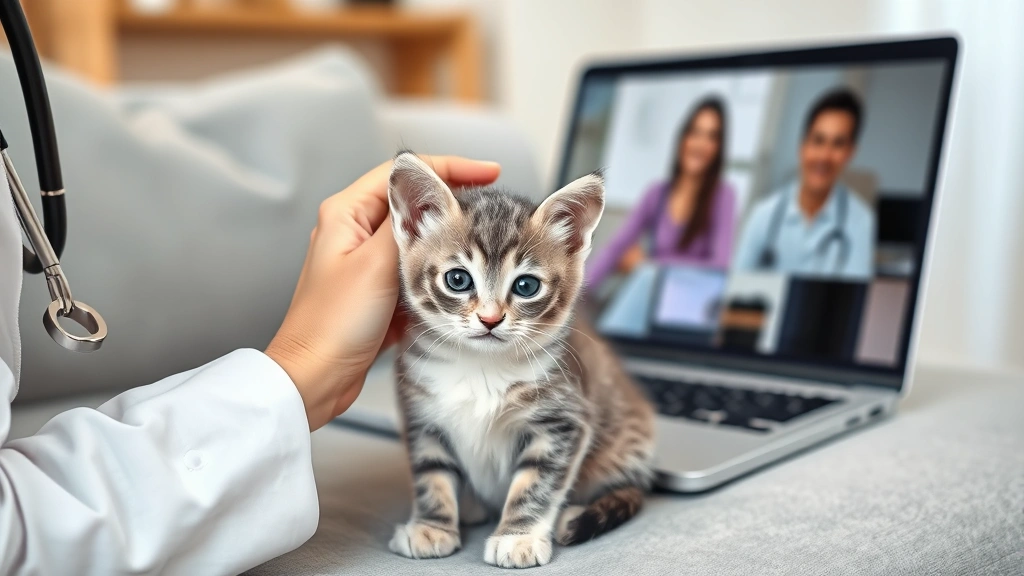
Be prepared to describe the discharge (color, texture, smell) and show photos if you have them. Clear, well-lit images of the inside of your kitten’s ear are incredibly helpful for remote diagnosis.
The vet may also ask about your kitten’s vaccination status, any previous health issues, and whether they’ve been exposed to other cats. This context helps rule out serious conditions and narrow down the most likely cause.
Treatment Options Your Vet Might Recommend
Treatment depends on what’s causing the infection. Ear mites, bacterial infections, and yeast infections all require different approaches, and your vet will tailor recommendations based on their assessment.
Your veterinarian may suggest:
- Prescription ear drops or ointments to apply at home
- Oral medications if the infection is severe or widespread
- Ear cleaning solutions to remove debris and discharge
- Follow-up visits to monitor progress
- Environmental changes (like keeping ears dry during baths)
- Treatment for any underlying allergies or conditions
The key is following your vet’s instructions closely and completing the full course of treatment, even if your kitten seems better after a few days.
When Your Kitten Might Need In-Person Care
While telehealth is fantastic for initial assessment and mild to moderate infections, some situations require an in-person exam. If your kitten is showing signs of severe pain, balance problems, or if the infection isn’t improving after a week of treatment, an in-person visit becomes necessary.
Your online vet will be honest about whether they think your kitten needs hands-on examination. Many telehealth platforms can connect you with local veterinary clinics for urgent care if needed, making the transition seamless.
Tips for Managing Your Kitten’s Ear Infection at Home
While your kitten is being treated, there are steps you can take to support their recovery and prevent future infections.
- Keep ears dry: Avoid getting water in your kitten’s ears during baths. Use a damp cloth to clean their face instead of dunking their head.
- Apply medications consistently: Set phone reminders to apply prescribed drops or ointments at the same time each day.
- Resist the urge to clean too deeply: While gentle surface cleaning is okay, avoid inserting anything into the ear canal—let your vet handle deep cleaning.
- Monitor for improvement: Take photos every few days to track whether redness or discharge is decreasing.
- Prevent reinfection: Wash your hands before and after handling your kitten’s ears, and keep their environment clean.
Catching this early and staying consistent with treatment typically results in full recovery within 1–2 weeks.
Cost and Convenience of Online Vet Visits
One of the biggest advantages of consulting an online vet for kitten ear infection issues is affordability and accessibility. Telehealth visits typically cost $30–$75, compared to $150–$300 for an in-person exam.
You also save time and stress—no carrier wrestling, no waiting room anxiety, and no exposure to other sick animals. If you’re unsure whether your pet needs urgent care, a quick telehealth check-in can give you peace of mind without pressure to book an expensive follow-up.
Many insurance plans and pet wellness memberships now cover telehealth visits, so check your policy before booking.
Preventing Future Ear Infections in Your Kitten
Prevention is always easier than treatment. Keep your kitten’s ears clean and dry, especially after baths or outdoor play.

Regular ear checks during grooming or playtime help you catch early signs of infection. If your kitten is prone to ear issues, discuss preventive strategies with your vet—sometimes a monthly cleaning or dietary adjustment makes a huge difference.
Kittens with allergies are more susceptible to ear infections, so addressing underlying allergies can reduce recurrence significantly.
Why Choose Telehealth for Your Kitten’s Ear Infection
Telehealth veterinary care removes barriers to getting your kitten help quickly. You don’t need an appointment weeks in advance, and you can consult a vet at midnight if your kitten suddenly seems uncomfortable.
For something like an ear infection—where early intervention matters but it’s rarely a life-threatening emergency—an online vet provides the perfect balance of expert guidance and convenience.
Platforms like The Pet Vet connect you with licensed veterinarians who specialize in remote diagnostics and can guide you through treatment step-by-step.
What To Do Now
- Document your kitten’s symptoms: Write down when the ear scratching started, what the discharge looks like, and any other behavioral changes you’ve noticed.
- Take clear photos: Capture well-lit images of your kitten’s ears (inside and outside) to share with your vet during the consultation.
- Schedule a telehealth visit: Book an online vet appointment at your earliest convenience—most platforms offer same-day or next-day availability.
- Prepare your kitten’s medical history: Have vaccination records and any previous health issues ready to discuss with the vet.
- Set up a treatment plan: Once you receive recommendations, create a calendar reminder for medication applications and follow-up check-ins.
Summary: Fast Relief Is Within Reach
Kitten ear infections are uncomfortable but highly treatable, especially when you act quickly. An online vet for kitten ear infection consultation gives you expert guidance without the hassle of traditional clinic visits.
By recognizing early symptoms, leveraging telehealth technology, and following your vet’s treatment recommendations, you can have your kitten feeling better within days. The combination of convenience, affordability, and quality care makes virtual veterinary visits an excellent choice for managing common issues like ear infections.
Your kitten is counting on you—and help is just a click away.
Frequently Asked Questions
Can an online vet diagnose an ear infection in my kitten?
Yes, in most cases. Vets can assess symptoms, review photos, and ask detailed questions to diagnose ear infections remotely. If they’re unsure or suspect a serious underlying condition, they’ll recommend an in-person exam.
How long does it take for a kitten’s ear infection to clear up?
With proper treatment, most ear infections resolve within 1–2 weeks. Consistency with medication is key—complete the full course even if symptoms improve.
Are ear infections in kittens contagious to other pets?
Ear mites are highly contagious, so if that’s the cause, other pets in your home may need treatment too. Bacterial and yeast infections are not contagious between animals.
What if my kitten’s ear infection doesn’t improve after a week?
Contact your vet for a follow-up visit. The infection may require a different treatment approach, or there could be an underlying condition that needs addressing.
Is it safe to clean my kitten’s ears at home?
Gentle external cleaning is fine, but avoid inserting anything into the ear canal. Ask your vet for specific cleaning recommendations based on your kitten’s condition.