
When your kitten seems unusually tired, uninterested in play, or spending most of the day sleeping, consulting an online vet for kitten lethargy can help you understand what’s really going on and get peace of mind fast. Lethargy in kittens isn’t always normal kitten behavior—sometimes it signals that your little one needs attention.
Table of Contents
- Understanding Kitten Lethargy: Is It Normal?
- Common Causes of Lethargy in Kittens
- Why Choose an Online Vet for Kitten Lethargy?
- What to Expect During a Telehealth Visit
- Medical Guidance Without the Guesswork
- When Lethargy Requires Urgent In-Person Care
- Supportive Care at Home While You Wait
- Nutrition and Recovery Support
- Related Concerns: Anxiety and Other Behavioral Issues
- Building a Long-Term Wellness Plan
- Frequently Asked Questions
- What To Do Now
- Summary
This article is for informational purposes only and is not a substitute for professional veterinary advice. Always consult a licensed veterinarian for diagnosis and treatment.
Finding the right support for a lethargic kitten doesn’t have to mean a stressful car ride and a vet waiting room. Telehealth options make it easier than ever to get expert guidance from home, especially when you’re worried but unsure if an emergency visit is necessary.
Understanding Kitten Lethargy: Is It Normal?
Kittens are naturally playful bundles of energy, but they also sleep a lot—up to 18 hours a day is totally normal for young cats. The key difference is knowing when sleepiness crosses into lethargy, which is abnormal tiredness and lack of interest in their surroundings.
True lethargy shows up as a kitten that doesn’t respond to toys, ignores food, or seems limp and unresponsive. If your kitten is still pouncing on toys and eating well, they may just be in a nap cycle. But if the behavior feels “off” to you, trust your instinct.

Catching changes early puts you in a great position to help your kitten feel better quickly.
Common Causes of Lethargy in Kittens
Lethargy can stem from many different sources, ranging from minor to serious. Understanding the possible causes helps you communicate better with your vet and recognize when urgent care might be needed.
Infections and Illness: Viral or bacterial infections, including upper respiratory infections, are common in kittens and often cause fatigue and reduced appetite. Parasites like worms and fleas can also drain a kitten’s energy.
Nutritional Issues: A kitten that isn’t eating enough or consuming poor-quality food may lack the calories and nutrients needed for normal activity. Young cats have higher metabolic needs than adult cats.

Stress and Environmental Changes: New homes, loud noises, or the absence of a littermate can stress kittens out, leading to withdrawn behavior and reduced activity.
Underlying Health Conditions: Conditions like feline leukemia virus, thyroid problems, or anemia may cause persistent lethargy and require veterinary investigation.
Vaccination or Recent Medical Events: Sometimes kittens feel tired for 24–48 hours after vaccinations, which is a normal response. However, prolonged lethargy afterward warrants a check-in.
Why Choose an Online Vet for Kitten Lethargy?
Virtual veterinary visits offer real advantages when you’re concerned about your kitten’s energy levels. You get expert guidance without the stress of transport, and you can describe symptoms in detail from the comfort of home.

An online vet can:
- Assess your kitten’s symptoms through video and conversation
- Recommend at-home monitoring or when to seek in-person care
- Discuss possible causes and next steps
- Provide peace of mind if your kitten’s lethargy is likely benign
- Help you decide whether urgent care is truly necessary
If you are unsure whether your pet needs urgent care, a quick telehealth check-in can give you peace of mind—no appointment needed. Many telehealth platforms, including virtual kitten vet appointments, connect you with licensed vets within minutes.
What to Expect During a Telehealth Visit
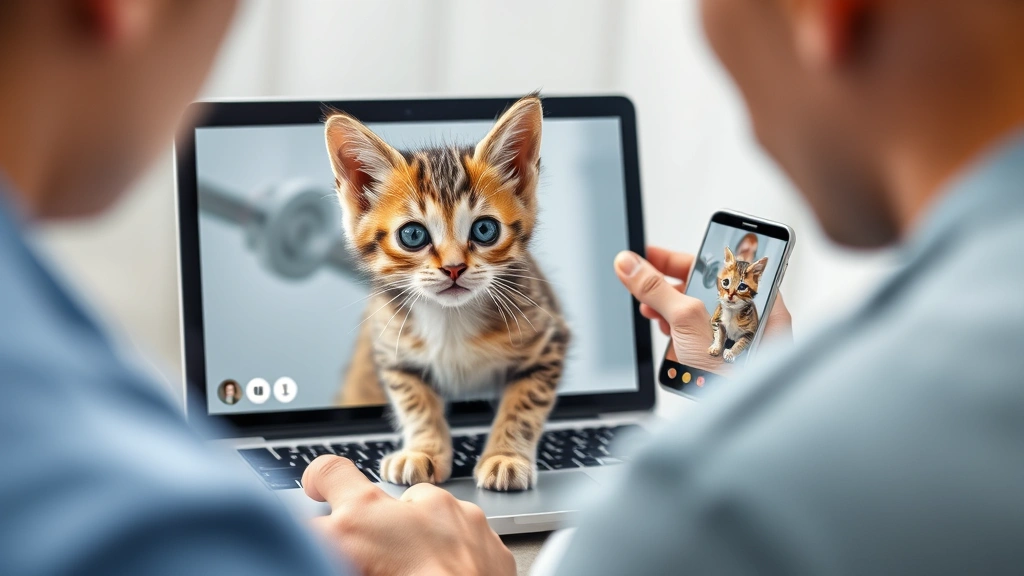
A typical online vet consultation for kitten lethargy involves a video or phone call with a licensed veterinarian. Have your kitten nearby so the vet can see their appearance and behavior firsthand.
Be ready to share:
- When the lethargy started and how it has progressed
- Your kitten’s eating and drinking habits
- Litter box behavior (urination and bowel movements)
- Any other symptoms like vomiting, diarrhea, or discharge
- Your kitten’s age, breed, and vaccination history
- Recent changes in environment or routine
The vet will ask targeted questions, observe your kitten if possible, and help narrow down potential causes. They may recommend monitoring, dietary changes, or scheduling an in-person exam if hands-on diagnostics are needed.
Medical Guidance Without the Guesswork
One of the biggest advantages of consulting an online vet is removing the guesswork from your kitten’s care. Rather than spending days wondering if lethargy is serious, you get professional input in real time.
A vet can help you understand whether your kitten may be experiencing a common, self-limiting issue or something that requires closer attention. They can also explain what warning signs should prompt an immediate emergency visit.
This clarity helps you feel more confident in your caregiving decisions and reduces anxiety about your kitten’s health.

When Lethargy Requires Urgent In-Person Care
While telehealth is incredibly convenient, some situations call for immediate in-person evaluation. Be alert for these red flags:
- Complete loss of appetite lasting more than a few hours
- Difficulty breathing or rapid, shallow breathing
- Pale gums or mucous membranes
- Severe lethargy combined with vomiting or diarrhea
- Signs of pain (crying, hunched posture, reluctance to move)
- Seizures or collapse
- Suspected poisoning or trauma
If your kitten shows any of these signs, seek emergency veterinary care immediately. Your online vet can help you assess urgency, but they cannot perform physical exams or run blood tests remotely.
Supportive Care at Home While You Wait
While you’re arranging a telehealth visit or waiting for an appointment, you can provide comfort and basic support to your lethargic kitten.
Keep Your Kitten Comfortable: Provide a quiet, warm space with easy access to food, water, and a litter box. Minimize stress and loud noises.

Monitor Food and Water Intake: Note how much your kitten eats and drinks. Even small amounts matter. Offer wet food if your kitten isn’t interested in dry kibble.
Gentle Observation: Watch for changes in behavior, appetite, or litter box habits. Keep notes to share with your vet.
Avoid Home Remedies: Don’t give supplements or over-the-counter treatments without veterinary approval, as they may interact with underlying conditions or mask important symptoms.
Nutrition and Recovery Support
A kitten’s diet plays a huge role in energy levels and recovery from illness. Quality kitten food should be high in protein and calories to support growth and activity.

If your kitten is recovering from an infection or stress-related lethargy, your vet may recommend:
- High-quality, age-appropriate kitten food
- Wet food to encourage eating and hydration
- Smaller, more frequent meals if appetite is reduced
- Gradual dietary changes to avoid digestive upset
Never switch foods abruptly, as this can cause stomach upset and worsen lethargy. Work with your vet to find the best nutrition plan for your kitten’s recovery.
Related Concerns: Anxiety and Other Behavioral Issues
Sometimes lethargy masks underlying stress or anxiety. If your kitten has experienced a recent change—new home, loss of a littermate, or loud environment—behavioral factors could be at play.
You can ask a vet about kitten anxiety during your telehealth visit. Stress-related lethargy often improves with environmental enrichment, patience, and sometimes behavioral support.

Similarly, if your kitten has other symptoms like ear issues, a vet can address multiple concerns in one visit. For example, you might talk to a vet about kitten ear infection online while discussing lethargy.
Building a Long-Term Wellness Plan
One telehealth visit isn’t the end—it’s the beginning of a proactive approach to your kitten’s health. Use the insights from your online vet to build a wellness routine that keeps your kitten thriving.
This includes:
- Regular check-ups to monitor growth and development
- Staying current on vaccinations and parasite prevention
- Providing a stimulating, stress-free environment
- Feeding high-quality kitten food appropriate for their age
- Scheduling follow-up visits if lethargy returns
Establishing a relationship with a trusted vet—whether in-person or telehealth—gives you a resource to turn to whenever you have concerns about your kitten’s behavior or health.

Frequently Asked Questions
How much sleep is normal for a kitten?
Kittens typically sleep 15–18 hours per day, which is completely normal. The difference between normal napping and lethargy is that alert kittens respond to stimulation and play when awake, while lethargic kittens seem unresponsive and uninterested.
Can I give my kitten supplements to boost energy?
Never give supplements without veterinary approval. Some supplements can interfere with diagnosis or interact with underlying conditions. Your vet will recommend safe, appropriate options if needed.
Is lethargy in kittens always serious?
Not always. Lethargy can stem from minor causes like stress or dietary changes, but it can also signal infections or other health issues. A professional assessment helps determine the severity and appropriate next steps.
How quickly can a telehealth vet respond?
Many telehealth platforms connect you with a vet within minutes to an hour. Response times vary by platform and time of day, so check your provider’s availability when you schedule.
What if the online vet recommends an in-person visit?
Trust that recommendation. Some conditions require physical exams, blood work, or imaging that can only be done in a veterinary clinic. Your telehealth vet will guide you on urgency and next steps.
What To Do Now
- Schedule a telehealth consultation: Use The Pet Vet’s virtual kitten vet appointment service or another reputable telehealth platform to speak with a vet within hours, not days.
- Gather information about your kitten: Write down when lethargy started, your kitten’s eating and bathroom habits, and any other symptoms to share during your visit.
- Create a comfortable space: Set up a quiet area with food, water, and a litter box. Keep your kitten calm and stress-free while you await professional guidance.
- Monitor closely: Watch for any changes in behavior, appetite, or warning signs. Keep notes so you can provide detailed updates to your vet.
- Follow up on recommendations: Whether your vet suggests monitoring at home or scheduling an in-person exam, follow through promptly to ensure your kitten gets the care they need.
Summary
Kitten lethargy is a symptom that deserves attention, but it doesn’t have to mean a stressful emergency room visit. An online vet for kitten lethargy offers a practical, low-pressure way to get expert guidance and peace of mind from home.
By understanding common causes, knowing when urgent care is needed, and taking action quickly, you’re setting your kitten up for a fast recovery and a healthy, playful life ahead. Trust your instincts, reach out to a vet when something feels off, and remember that early intervention often leads to the best outcomes.
Your kitten is lucky to have an owner who cares enough to seek help. Take that first step today.