
If your kitten is constantly licking their paws, you’re probably wondering what’s going on and whether an online vet for kitten licking paws can help you figure it out. This behavior might seem harmless at first, but excessive paw licking in kittens can signal anything from simple grooming habits to underlying health concerns that deserve attention.
Table of Contents
- Why Is Your Kitten Licking Their Paws So Much?
- Allergies as a Common Culprit in Kittens
- Parasites and Skin Infections in Young Cats
- Stress, Anxiety, and Behavioral Licking
- Dry Skin and Environmental Factors
- Pain or Injury as an Underlying Cause
- Solution 1: Switch to a Hypoallergenic Kitten Food
- Solution 2: Optimize Your Home Environment
- Solution 3: Implement Preventive Parasite Control
- Solution 4: Use Soothing Topical Products
- Solution 5: Increase Mental and Physical Enrichment
- Solution 6: Monitor and Document Changes
- Solution 7: Consult an Online Vet for Professional Guidance
- Frequently Asked Questions
- What To Do Now
- Summary: Taking Action on Your Kitten’s Paw Licking
This article is for informational purposes only and is not a substitute for professional veterinary advice. Always consult a licensed veterinarian for diagnosis and treatment.
The good news? You don’t have to wait weeks for an appointment or stress about what might be wrong. A quick telehealth consultation with a vet can help you understand whether your kitten needs immediate care or if there are simple steps you can take at home right now.
Why Is Your Kitten Licking Their Paws So Much?
Kittens naturally groom themselves, but there’s a difference between normal self-care and obsessive licking. When your kitten spends excessive time licking their paws, it often points to an underlying issue that needs investigating.
Common reasons include allergies, parasites, skin infections, or even stress and anxiety. Sometimes it’s as simple as dry skin from indoor heating or humidity changes. Other times, it could be a sign of pain or discomfort in their paws or legs.
The key is recognizing when normal grooming crosses into problem behavior. If you’re noticing red, swollen, or raw areas on the paws, or if the licking is interfering with sleep or playtime, that’s your cue to reach out to a vet.
Allergies as a Common Culprit in Kittens
Allergies are one of the most frequent reasons kittens lick their paws excessively. Just like humans, cats can develop allergies to food, environmental factors, or contact allergens.
Food allergies in kittens might develop from chicken, beef, fish, or grains in their diet. Environmental allergies could be triggered by pollen, dust mites, mold, or household products. Contact allergies happen when your kitten’s sensitive paws touch irritating substances like certain litters or cleaning products.
If allergies are the culprit, you might also notice your kitten scratching other parts of their body, having ear issues, or showing skin irritation. Catching this early puts you in a great position to identify and eliminate the allergen. An online vet consultation about kitten itching can help narrow down what might be triggering the problem.
Parasites and Skin Infections in Young Cats
Fleas, mites, and lice are common parasites that cause intense itching and paw licking in kittens. Even indoor kittens can pick up parasites from contaminated environments or from their mother.
Mites, particularly ear mites and mange mites, cause severe itching that drives kittens to lick constantly. Fungal infections like ringworm can also lead to paw licking, though ringworm often shows visible scaling or hair loss too.
The challenge is that parasites and infections require specific treatments, and the wrong approach could make things worse. This is where telehealth becomes invaluable—a vet can ask the right questions and sometimes even identify issues through photos or video.
Stress, Anxiety, and Behavioral Licking
Sometimes paw licking in kittens isn’t physical at all—it’s emotional. Stressed or anxious kittens may lick their paws as a self-soothing behavior, similar to how humans might bite their nails when nervous.
Changes in environment, new pets, loud noises, or inconsistent routines can trigger stress-related licking. Kittens separated too early from their mother may also develop this habit as a comfort mechanism.
If stress is the issue, environmental enrichment, play therapy, and sometimes calming supplements can help. A vet can rule out medical causes first, then help you address the behavioral component. You’re not alone in dealing with this—many kitten owners face the same challenge.
Dry Skin and Environmental Factors
Indoor environments, especially during winter or in dry climates, can cause your kitten’s skin to become dry and uncomfortable. Dry skin leads to itching, which leads to excessive licking and potential irritation.
Low humidity from heating systems, frequent bathing, or harsh soaps can all contribute to dryness. Some kittens have naturally sensitive skin that requires extra care and moisture.
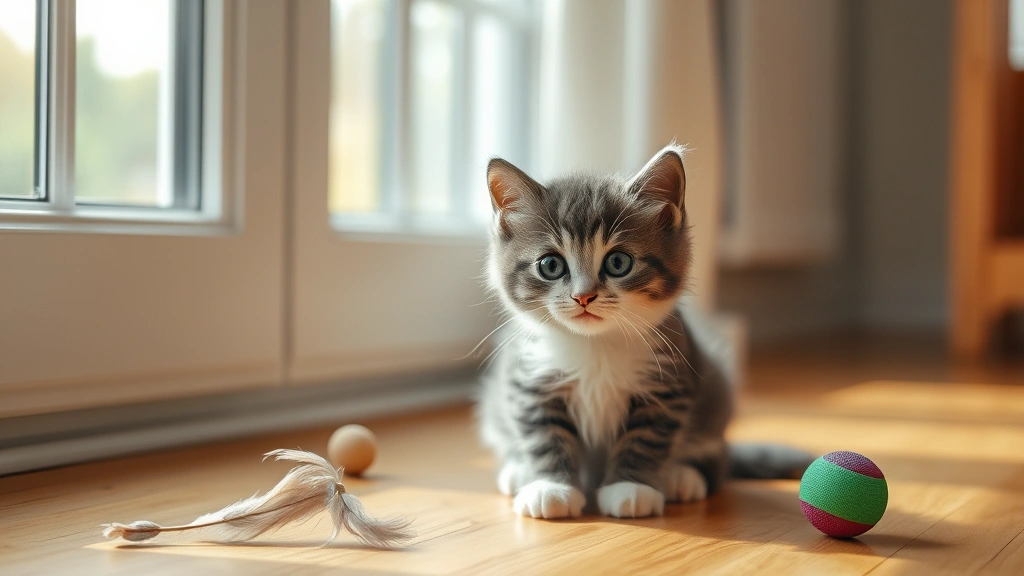
Simple solutions like using a humidifier, adjusting bathing frequency, or switching to gentler products sometimes make a huge difference. An online vet can suggest specific moisturizing products safe for kittens and help you adjust your kitten’s environment.
Pain or Injury as an Underlying Cause
Occasionally, excessive paw licking signals pain rather than itching. Your kitten may be licking a specific paw because of a thorn, splinter, fracture, or soft tissue injury you can’t see.
If your kitten is limping, reluctant to put weight on a paw, or only licking one specific area, pain is more likely the issue. Arthritis or joint problems, though less common in young kittens, can also cause localized licking.
A vet can perform a physical examination to check for hidden injuries or sensitivity. If you’re unsure whether your pet needs urgent care, a quick telehealth check-in can give you peace of mind—no appointment needed.
Solution 1: Switch to a Hypoallergenic Kitten Food
If food allergies are suspected, transitioning to a hypoallergenic or limited-ingredient diet often provides relief. These foods eliminate common allergens and focus on novel proteins your kitten hasn’t been exposed to.
The transition should happen gradually over 7–10 days to avoid digestive upset. Mix increasing amounts of the new food with the old food until you’ve fully switched.
Monitor your kitten’s paw licking over the next few weeks. Many kittens show improvement within 4–6 weeks on a new diet, though some take longer. Keep notes on any changes to share with your vet during a follow-up consultation.
Solution 2: Optimize Your Home Environment
Creating a calm, clean, and comfortable environment reduces stress and environmental triggers. Start by:
- Using a humidifier to maintain moisture levels (40–50% humidity is ideal)
- Choosing unscented, dust-free litter that’s gentle on paws
- Avoiding harsh cleaning products around areas where your kitten spends time
- Providing quiet spaces where your kitten can retreat and relax
- Maintaining a consistent daily routine with regular playtime and feeding schedules
These changes address multiple potential triggers at once. Even if the cause is medical, a supportive environment helps your kitten heal faster.
Solution 3: Implement Preventive Parasite Control
Regular parasite prevention is essential for all kittens, whether they go outdoors or not. Your vet can recommend safe, age-appropriate flea, tick, and worm treatments for your kitten.
Consistent prevention stops parasites before they cause itching and licking. Many modern preventatives are easy to apply and highly effective.
Even if you don’t think parasites are the issue, prevention is still important for your kitten’s overall health. A telehealth vet can recommend the best option for your kitten’s age and weight without requiring an in-person visit.
Solution 4: Use Soothing Topical Products
Gentle, vet-approved moisturizing sprays or balms can soothe irritated paws and reduce the urge to lick. Products with oatmeal, aloe, or chamomile are often calming and safe for kittens.
Apply these products after your kitten’s paws are clean and dry. Some products come in a spray format that’s easy to apply without stressing your kitten.
Always check with a vet before using any topical product to ensure it’s safe and won’t interfere with other treatments. Never use human products on your kitten without veterinary approval.
Solution 5: Increase Mental and Physical Enrichment
Bored or anxious kittens are more likely to develop stress-related licking behaviors. Increasing playtime, introducing puzzle toys, and providing climbing structures can redirect their focus.

Interactive play sessions 2–3 times daily help burn energy and reduce anxiety. Toys that mimic hunting, like feather wands or small balls, are especially engaging for kittens.
Window perches, cat trees, and hiding spots also provide mental stimulation and a sense of security. A mentally engaged kitten is less likely to develop obsessive grooming habits.
Solution 6: Monitor and Document Changes
Keep a detailed log of when your kitten licks their paws, how often it happens, and any patterns you notice. Does it happen more after eating certain foods? At specific times of day? After stressful events?
Note any other symptoms like redness, swelling, hair loss, ear issues, or changes in behavior. Take photos of the affected paws to share with your vet.
This documentation helps your vet make a more accurate diagnosis and track whether treatments are working. It’s one of the most valuable things you can do as a pet owner.
Solution 7: Consult an Online Vet for Professional Guidance
An online vet consultation about kitten itching is often the fastest way to get answers. Telehealth vets can review your kitten’s history, ask detailed questions, and sometimes identify issues through photos or video.
The advantage of telehealth is convenience—no waiting weeks for appointments or traveling with a stressed kitten. You can get professional guidance from home, often within hours.
If your kitten needs in-person examination or testing, your telehealth vet can refer you to a local clinic. But for initial assessment and guidance, online consultations are incredibly helpful.
Frequently Asked Questions
Is it normal for kittens to lick their paws?
Yes, grooming is normal, but excessive licking that causes redness, rawness, or hair loss isn’t. If you’re concerned about the frequency or intensity, a vet can help determine if it’s normal behavior or a sign of an issue.
Can I treat my kitten’s paw licking at home?
Some causes like dry skin or stress respond well to home care, but others like infections or parasites need veterinary treatment. A vet can help you identify which approach is appropriate for your kitten.
How long does it take to see improvement after starting treatment?
Timeline varies depending on the cause—dietary changes may take 4–6 weeks, while parasite treatments often show improvement within days. Your vet can give you a more specific timeframe based on your kitten’s situation.
Should I be worried if my kitten’s paws are red or raw?
Red or raw paws indicate irritation or infection that needs attention. Contact a vet promptly, as these areas can become infected if left untreated.
Can telehealth vets diagnose the cause of paw licking?
Telehealth vets can often narrow down the cause through detailed questioning and photo review, though some conditions may require in-person examination or testing. They’ll let you know if your kitten needs to be seen in person.
What To Do Now
- Document the behavior: Note when your kitten licks, how often, and any patterns. Take clear photos of the paws to share with a vet.
- Check for visible issues: Examine your kitten’s paws for redness, swelling, wounds, parasites, or foreign objects. Look at the paw pads and between the toes.
- Schedule a telehealth consultation: Connect with an online vet about paw licking to get professional guidance without waiting for an appointment. Share your documentation and photos.
- Implement environmental changes: Start with a humidifier, switch to gentle litter, and increase playtime to address potential stress or environmental triggers.
- Avoid home remedies without vet approval: Don’t apply unknown products or make major diet changes without professional guidance. Your vet can recommend safe, effective options.
Summary: Taking Action on Your Kitten’s Paw Licking
Excessive paw licking in kittens deserves attention, but it’s rarely an emergency if you act thoughtfully. Whether the cause is allergies, parasites, dry skin, stress, or something else, the right approach makes a real difference.
Start by documenting what you’re seeing, examine your kitten’s paws carefully, and reach out to a vet—whether online or in person—for professional guidance. Most causes of paw licking respond well to treatment once identified.
The beauty of modern telehealth is that you don’t have to wait or stress alone. An online vet consultation about cat itching can give you answers and a clear action plan within hours. Your kitten is counting on you to help them feel comfortable again, and you’re already on the right track by seeking information and professional support.
Remember: early intervention leads to better outcomes. The sooner you understand what’s causing the licking, the sooner your kitten can get back to being their playful, comfortable self.