
If you’ve noticed your kitten shaking, trembling, or appearing unsteady, reaching out to an online vet for kitten shaking can help you understand what’s happening and get answers fast—without the stress of a car ride or waiting room.
Table of Contents
- Why Is My Kitten Shaking?
- Medical Conditions That Cause Kitten Shaking
- When Should You Contact an Online Vet?
- Understanding Medication Options
- The Role of Telehealth in Diagnosing Kitten Shaking
- Home Care and Monitoring Tips
- Distinguishing Normal Kitten Behavior from Concerning Shaking
- What Related Symptoms Should Concern You?
- Building a Relationship With Your Online Vet
- Summary: Taking Action for Your Shaking Kitten
- Frequently Asked Questions
- What To Do Now
This article is for informational purposes only and is not a substitute for professional veterinary advice. Always consult a licensed veterinarian for diagnosis and treatment.
Watching your kitten shake is unsettling. Whether it’s a slight tremble after playtime or more persistent shaking, you’re probably wondering if it’s normal or something serious. The good news? Many causes are manageable, and telehealth makes it easier than ever to get professional guidance from the comfort of home.
Why Is My Kitten Shaking?
Kitten shaking can stem from several different causes, ranging from completely harmless to something requiring attention. Understanding the root cause is the first step toward helping your little one feel better.
Cold is one of the most common reasons kittens shake. Young kittens have difficulty regulating their body temperature, and even a slightly cool room can trigger visible trembling. If your kitten is shaking and seeking warm spots, warmth may be all they need.
Fear or stress can also cause noticeable shaking in kittens. New environments, loud noises, or unfamiliar people might send your kitten into a trembling state. This is a normal stress response, though it’s worth monitoring.
Hypoglycemia—low blood sugar—is another possibility, especially in very young or underweight kittens. This condition requires prompt attention because it can escalate quickly. Catching this early puts you in a great position to help.
Medical Conditions That Cause Kitten Shaking
Beyond environmental factors, several medical issues can trigger shaking in kittens. These range from infections to neurological concerns.
Fever and infection often cause shaking as the body fights illness. If your kitten is shaking and seems lethargic or has a reduced appetite, infection may be the culprit. Talking to a vet about kitten anxiety and other stress-related symptoms can help rule out behavioral causes.
Neurological issues like seizures can present as shaking, though true seizures typically involve loss of consciousness or unusual body movements. If you suspect seizure activity, contact your vet immediately.
Toxin exposure is a serious concern. If your kitten has access to certain plants, chemicals, or medications, poisoning could cause trembling. This is a medical emergency.
Hyperthyroidism, while more common in older cats, can occasionally affect younger felines and may cause trembling or hyperactivity. A blood test can confirm this condition.
When Should You Contact an Online Vet?
Not every shake requires an emergency visit, but knowing when to reach out matters. If your kitten is shaking persistently, appears in distress, or shows other symptoms like vomiting, difficulty breathing, or lethargy, contact a vet promptly.
If you are unsure whether your pet needs urgent care, a quick telehealth check-in can give you peace of mind—no appointment needed. Many online vets can assess your kitten’s symptoms in real-time through video.
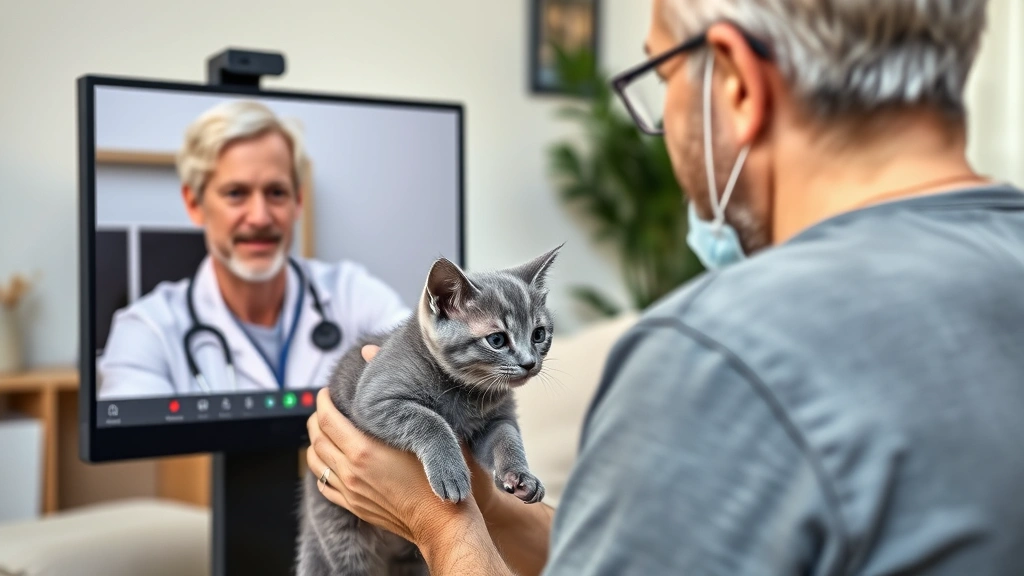
Here’s when to seek immediate help:
- Shaking accompanied by difficulty breathing or panting (learn more about kitten breathing fast online consultations)
- Loss of consciousness or seizure-like activity
- Inability to stand or walk normally
- Excessive drooling or difficulty swallowing
- Signs of poisoning or toxin exposure
- Shaking lasting more than a few hours without improvement
Understanding Medication Options
The right approach to treating kitten shaking depends entirely on the underlying cause. Your vet will recommend a treatment plan tailored to your kitten’s specific situation.
For shaking caused by anxiety or stress, your vet may discuss calming strategies or, in some cases, supportive care options. For infections or fever, treating the underlying condition is the priority. For hypoglycemia, feeding adjustments and monitoring are often the first line of support.
Never give your kitten any medication without explicit veterinary guidance. Even over-the-counter products can be unsafe for young cats. Your online vet can provide specific recommendations based on your kitten’s age, weight, and health status.
The Role of Telehealth in Diagnosing Kitten Shaking
Online vets can perform a thorough initial assessment through video consultation. They’ll ask detailed questions about when the shaking started, what triggers it, and what other symptoms your kitten is showing.
While telehealth can’t replace physical examination for certain conditions, it’s excellent for initial triage and guidance. Your online vet can advise whether an in-person visit is necessary or if home monitoring is appropriate.
Many owners find telehealth particularly helpful for behavioral concerns like kitten anxiety, where understanding the context and your kitten’s environment is key to finding solutions.
Home Care and Monitoring Tips
While awaiting or between vet consultations, here are practical steps to support your kitten:
- Keep your kitten in a warm, quiet space to reduce stress and maintain body temperature
- Ensure fresh water is always available and offer small, frequent meals to prevent hypoglycemia
- Monitor the frequency and duration of shaking episodes and note any patterns
- Watch for additional symptoms like changes in appetite, breathing, or behavior
- Avoid loud noises and unnecessary handling if your kitten seems anxious
Document everything you observe. Take short videos if possible—these are incredibly helpful for your vet to review during a telehealth consultation.
Distinguishing Normal Kitten Behavior from Concerning Shaking
Kittens naturally tremble during play, when excited, or after vigorous activity. This is completely normal and typically stops once they rest.
Concerning shaking is persistent, occurs at rest, or happens alongside other symptoms. If you’re uncertain, that’s exactly what online vets are there for—to help you distinguish between normal kitten quirks and something worth investigating.
Trust your instincts. You know your kitten best. If something feels off, it’s worth a quick professional opinion.
What Related Symptoms Should Concern You?
Shaking combined with other signs warrants faster action. If your kitten is shaking and also panting or breathing rapidly, this could indicate distress or a respiratory issue.
Similarly, shaking paired with vomiting, diarrhea, or refusal to eat suggests a systemic problem. Vomiting in kittens combined with trembling warrants prompt evaluation.
Any combination of shaking with neurological signs—like loss of balance, circling, or head tilting—requires immediate veterinary attention.
Building a Relationship With Your Online Vet
Having an established relationship with a telehealth vet means faster responses when concerns arise. Many platforms allow you to build a medical history and connect with the same provider repeatedly.
This continuity helps your vet understand your kitten’s baseline and recognize when something is truly different. It also builds trust and makes consultations more efficient.
Summary: Taking Action for Your Shaking Kitten
Kitten shaking can stem from benign causes like cold or stress, or from medical conditions requiring attention. The key is knowing when to reach out and having easy access to professional guidance.
An online vet for kitten shaking offers a convenient, low-pressure way to get answers and peace of mind. Whether your kitten’s trembling is nothing serious or something that needs care, telehealth puts expert support at your fingertips.
Frequently Asked Questions
Is it normal for kittens to shake?
Yes, light trembling during play or excitement is normal. However, persistent shaking at rest or accompanied by other symptoms warrants a vet check.
Can I give my kitten medicine for shaking at home?
No. Never give medication without veterinary guidance. Your online vet will recommend the appropriate approach based on the cause.
How quickly should I see a vet if my kitten is shaking?
If shaking is mild and your kitten is otherwise normal, a telehealth consultation within hours is fine. If accompanied by difficulty breathing, loss of consciousness, or other severe signs, seek immediate care.
Can stress cause my kitten to shake?
Absolutely. Fear, anxiety, and environmental stress commonly trigger trembling in kittens. Creating a calm environment and consulting your vet can help.
What’s the difference between shaking and seizures?
Shaking is usually conscious trembling, while seizures involve loss of awareness, rigid body movements, or unusual behavior. If you suspect seizures, contact your vet immediately.
What To Do Now
- Observe and document: Note when your kitten shakes, how long it lasts, and any other symptoms present. Take a brief video if possible.
- Assess the environment: Ensure your kitten is warm, comfortable, and in a quiet space. Rule out obvious stressors.
- Schedule a telehealth consultation: Contact The Pet Vet or another online veterinary service to get a professional opinion without delay.
- Prepare information: Have your kitten’s age, weight, diet, and any recent changes ready to share with your vet.
- Follow recommendations: Implement any home care or monitoring suggestions your vet provides, and report back on progress.
Your kitten is counting on you to be their advocate. Reaching out to an online vet is a smart, caring step that often brings quick reassurance and clarity.