
When your kitten starts vomiting, it’s natural to worry—and reaching out to an online vet for kitten vomiting can give you answers fast, without the stress of a clinic visit. Kitten vomiting ranges from mild hairballs to signs of something more serious, and knowing what to do next can make all the difference in your pet’s recovery.
Table of Contents
- Why Is My Kitten Vomiting? Understanding the Root Causes
- When Should You Consult an Online Vet About Your Kitten’s Vomiting?
- Treatment 1: Dietary Adjustment and Meal Timing
- Treatment 2: Hydration and Electrolyte Support
- Treatment 3: Dietary Modification and Food Elimination
- Treatment 4: Hairball Management and Prevention
- Treatment 5: Parasite Prevention and Deworming
- Treatment 6: Probiotics and Digestive Enzymes
- Treatment 7: Medical Management and When Medication Helps
- How Telehealth Vets Diagnose Kitten Vomiting
- Red Flags: When Your Kitten Needs Emergency Care
- Creating a Supportive Home Environment During Recovery
- Frequently Asked Questions
- What To Do Now: Your Action Plan
- Summary: Taking Control of Your Kitten’s Health
This article is for informational purposes only and is not a substitute for professional veterinary advice. Always consult a licensed veterinarian for diagnosis and treatment.
The good news? Most cases of kitten vomiting respond well to targeted care when caught early. In this guide, we’ll walk through what causes vomiting in kittens, how telehealth vets can help, and seven evidence-based treatments that actually work.
Why Is My Kitten Vomiting? Understanding the Root Causes
Kitten vomiting can stem from many sources, and pinpointing the cause is the first step toward relief. Common triggers include hairballs, food sensitivities, rapid eating, parasites, infections, or gastrointestinal inflammation.
Some kittens vomit because they’re eating too quickly or consuming food that doesn’t agree with their stomach. Others may have ingested something they shouldn’t have, or they could be dealing with an underlying infection. Catching this early puts you in a great position to help your kitten feel better fast.
Age matters too—very young kittens (under 8 weeks) have more delicate digestive systems and may vomit more easily than older kittens. If your kitten is also showing signs of lethargy, diarrhea, or loss of appetite, these combined symptoms warrant prompt attention.
When Should You Consult an Online Vet About Your Kitten’s Vomiting?
Not every instance of vomiting requires an emergency room visit, but some situations definitely call for professional guidance. If your kitten is vomiting repeatedly over several hours, appears dehydrated, or hasn’t eaten in more than 12 hours, professional advice is essential.
An online vet consultation about kitten vomiting offers a quick way to assess whether your kitten needs urgent care or if home management is appropriate. If you are unsure whether your pet needs urgent care, a quick telehealth check-in can give you peace of mind—no appointment needed.
Telehealth vets can review photos or videos of your kitten, ask detailed questions about timing and frequency, and recommend next steps. Many pet owners find this middle ground invaluable when they’re unsure whether a vet clinic visit is necessary.
Treatment 1: Dietary Adjustment and Meal Timing
One of the simplest yet most effective treatments is adjusting how and when your kitten eats. Smaller, more frequent meals can prevent the stomach from becoming overly full, which is a common vomiting trigger.
Instead of leaving food out all day, try feeding your kitten three to four small portions spaced throughout the day. This approach gives the digestive system time to process food properly and reduces the likelihood of regurgitation.
Additionally, slowing down your kitten’s eating pace helps tremendously. You can achieve this by using puzzle feeders, placing a ball in the food bowl, or hand-feeding small portions. Proper meal prep for pets also ensures your kitten is getting appropriate nutrition without digestive upset.
Treatment 2: Hydration and Electrolyte Support
Vomiting depletes your kitten’s fluids and essential electrolytes, which is why hydration support is crucial. Ensure fresh, clean water is always available, and consider offering water in multiple locations around your home.
Some kittens prefer running water, so a cat water fountain may encourage more drinking. If your kitten is severely dehydrated or won’t drink, your vet may recommend oral rehydration solutions or IV fluids—something a telehealth vet can help you determine.
Monitoring your kitten’s hydration status is simple: gently pinch the skin on the back of the neck. If it snaps back quickly, hydration is likely adequate. If it returns slowly, your kitten may need professional intervention.
Treatment 3: Dietary Modification and Food Elimination
Food sensitivities or allergies are frequent culprits behind kitten vomiting. Switching to a limited-ingredient diet or a prescription digestive formula can reduce stomach irritation significantly.
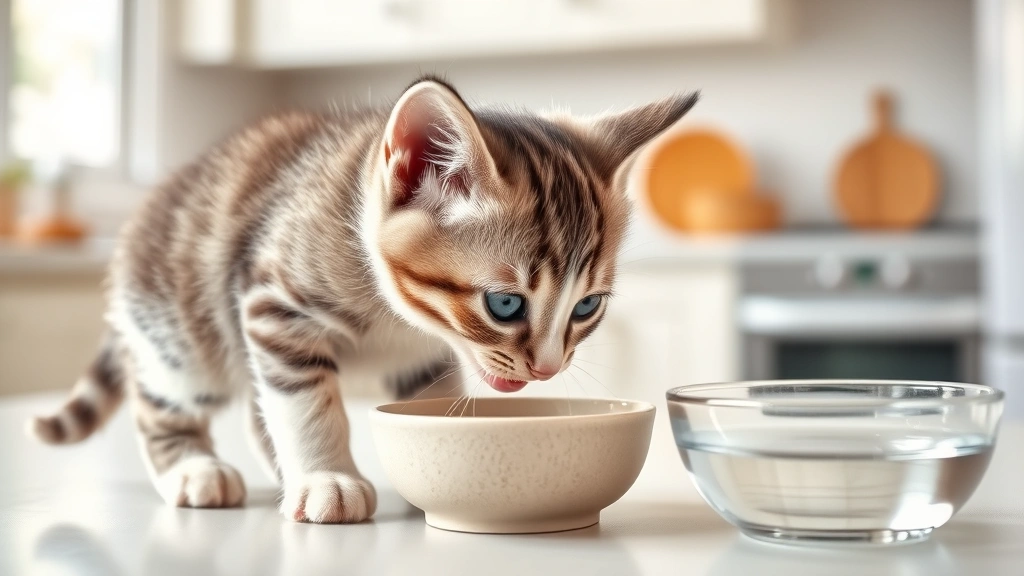
Your vet may recommend a temporary bland diet consisting of easily digestible proteins and carbohydrates. Common options include boiled chicken and rice or prescription gastrointestinal formulas designed specifically for sensitive stomachs.
If you suspect a particular food is triggering vomiting, elimination trials—where you remove the suspected ingredient for several weeks—can help identify the problem. This process works best with professional guidance from your veterinarian.
Treatment 4: Hairball Management and Prevention
Hairballs are one of the most common reasons kittens vomit, especially as they grow and groom more frequently. Regular brushing removes loose fur before your kitten ingests it, significantly reducing hairball formation.
Brush your kitten several times per week using a soft-bristled brush or metal comb. Long-haired kittens benefit from daily brushing to prevent matting and excessive fur ingestion.
Specialized hairball control foods contain added fiber that helps move hair through the digestive tract. Your vet can recommend whether these are appropriate for your kitten’s age and health status.
Treatment 5: Parasite Prevention and Deworming
Internal parasites are a leading cause of vomiting in young kittens. Even indoor kittens can acquire parasites through contaminated food, water, or their mother’s milk.
A regular deworming schedule is essential—most kittens need deworming every two weeks until 12 weeks of age, then monthly until 6 months old. Your vet will recommend the appropriate deworming protocol based on your kitten’s age and risk factors.
If your kitten hasn’t been dewormed recently, this should be one of your first steps. Parasites are easily treatable, and addressing them often resolves vomiting within days.
Treatment 6: Probiotics and Digestive Enzymes
Probiotics support healthy gut bacteria and can help restore digestive balance after vomiting episodes. These beneficial microorganisms reduce inflammation and improve nutrient absorption.
Digestive enzymes assist in breaking down food more completely, reducing the workload on your kitten’s stomach. Many pet owners see improvement within one to two weeks of starting these supplements.
Always choose products formulated specifically for cats, as feline digestive systems differ from dogs. Your vet can recommend brands with proven efficacy and appropriate dosing for your kitten’s size.
Treatment 7: Medical Management and When Medication Helps
In some cases, your vet may recommend medication to reduce nausea, decrease stomach acid, or address underlying inflammation. These medications can provide relief while other treatments take effect.
Antiemetic medications (nausea reducers) are particularly helpful for kittens experiencing frequent vomiting. Anti-inflammatory medications may be recommended if your kitten’s vomiting is linked to gastritis or inflammatory bowel disease.
Your veterinarian will discuss whether medication is appropriate for your kitten’s specific situation and monitor progress over time. A telehealth vet can help you understand these options and coordinate care with your local veterinarian if needed.
How Telehealth Vets Diagnose Kitten Vomiting
Online vets use a combination of detailed questioning, visual assessment, and your observations to narrow down the cause. They’ll ask about vomiting frequency, appearance of vomit, timing relative to meals, and any other symptoms your kitten is showing.

While telehealth vets cannot perform physical exams or laboratory tests directly, they can guide you toward appropriate next steps. If bloodwork or imaging is needed, they’ll recommend a local veterinary clinic or explain why in-person evaluation is necessary.
Discussing kitten not eating alongside vomiting online is particularly valuable, as these symptoms together paint a clearer diagnostic picture. Telehealth consultations are especially useful for initial triage and peace of mind.
Red Flags: When Your Kitten Needs Emergency Care
Certain signs indicate your kitten needs immediate in-person veterinary care rather than a telehealth consultation. These include repeated vomiting over several hours, vomit containing blood, severe lethargy, or signs of abdominal pain.
If your kitten has ingested something toxic, is unable to keep any food or water down, or shows difficulty breathing, seek emergency care immediately. Don’t wait for a telehealth appointment in these situations.
Trust your instincts as a pet owner. If something feels seriously wrong, an emergency vet clinic is the safest choice. Your kitten’s safety always comes first.
Creating a Supportive Home Environment During Recovery
While your kitten recovers, create a calm, quiet space where they can rest without stress or disturbance. Keep the litter box, food, and water in separate areas to encourage natural bathroom and eating habits.
Monitor your kitten’s behavior closely and keep notes on vomiting frequency, appetite, and energy levels. This information is invaluable for your vet and helps track whether treatments are working.
Avoid sudden diet changes, stressful situations, or introducing new toys during recovery. Consistency and patience are key to helping your kitten’s digestive system stabilize.
Frequently Asked Questions
Is kitten vomiting always serious?
Not always. Occasional hairballs or mild dietary upset are common and often resolve with simple adjustments. However, frequent or persistent vomiting warrants professional evaluation to rule out underlying issues.
Can I treat my kitten’s vomiting at home?
Many mild cases respond well to home care like dietary adjustment, increased hydration, and parasite prevention. However, professional guidance helps ensure you’re addressing the root cause rather than just symptoms.
How long does it take for treatments to work?
Simple treatments like dietary changes may show improvement within 24-48 hours. Parasite treatment often works within days, while other conditions may take one to two weeks of consistent care to resolve.
Should I fast my kitten if they’re vomiting?
Brief fasting (2-4 hours) can help settle an upset stomach, but prolonged fasting isn’t recommended for kittens. Resume small, frequent meals as soon as your kitten shows interest in eating.
Can telehealth vets prescribe medication for kitten vomiting?
Many telehealth vets can prescribe medications after consultation, depending on your location and the specific medication. They’ll discuss options with you and coordinate with local pharmacies for easy access.
What To Do Now: Your Action Plan
- Document symptoms: Write down when vomiting occurs, how often, what the vomit looks like, and any other symptoms you’ve noticed. This information is crucial for your vet.
- Schedule a telehealth consultation: Connect with a vet online to discuss your kitten’s vomiting and get personalized guidance based on your kitten’s age and symptoms.
- Implement dietary adjustments: Switch to smaller, more frequent meals and consider a bland or limited-ingredient diet as recommended by your vet.
- Ensure proper hydration: Provide fresh water in multiple locations and monitor your kitten’s fluid intake closely.
- Confirm parasite prevention: Verify that your kitten is on an appropriate deworming schedule and discuss flea and tick prevention with your vet.
Summary: Taking Control of Your Kitten’s Health
Kitten vomiting can be stressful, but most cases respond beautifully to prompt, targeted care. Whether you start with an online vet for kitten vomiting or visit a local clinic, the key is taking action early and staying consistent with treatment.
The seven treatments outlined here—dietary adjustment, hydration support, food elimination, hairball management, parasite prevention, probiotics, and medical management—address the most common causes of vomiting in kittens. Combined with professional veterinary guidance, these approaches give your kitten the best chance at a full recovery.
Remember, your kitten is counting on you. By seeking professional advice and implementing evidence-based treatments, you’re giving your little one the gift of good health. Most kittens bounce back quickly once the underlying cause is addressed—and your peace of mind is priceless.