
When your puppy has diarrhea, it’s natural to feel worried—and reaching out to an online vet for puppy diarrhea might be exactly what you need right now. Diarrhea in puppies is one of the most common reasons pet parents seek veterinary guidance, and the good news is that many cases resolve quickly with the right approach.
Table of Contents
- Why Puppies Get Diarrhea: Common Causes
- When to Contact an Online Vet About Your Puppy’s Diarrhea
- Solution 1: Assess Recent Diet Changes
- Solution 2: Implement a Bland Diet Temporarily
- Solution 3: Ensure Proper Hydration
- Solution 4: Consider Probiotics for Puppy Gut Health
- Solution 5: Rule Out Parasites and Infections
- Solution 6: Monitor Stress and Environmental Factors
- Solution 7: Get Professional Guidance With Telehealth
- What to Do Now
- Summary: Taking Action on Puppy Diarrhea
- Frequently Asked Questions
This article is for informational purposes only and is not a substitute for professional veterinary advice. Always consult a licensed veterinarian for diagnosis and treatment.
Puppies have sensitive digestive systems, and loose stools can happen for dozens of reasons—from dietary changes to minor infections. The challenge is knowing when to worry and when a simple home adjustment will do the trick. That’s where telehealth veterinary care comes in handy. You can describe what’s happening, get professional insight, and move forward with confidence, all from your couch.
Why Puppies Get Diarrhea: Common Causes
Understanding what’s causing your puppy’s loose stools is the first step toward fixing the problem. Most cases fall into a few predictable categories.
Dietary sensitivity or sudden food changes are the leading culprits. Puppies thrive on consistency, and switching kibble brands or introducing new treats too quickly can upset their gut. Their digestive systems are still maturing, so they’re more reactive than adult dogs.
Parasites and infections are another common reason puppies experience diarrhea. Intestinal worms, giardia, and bacterial overgrowth can all cause loose stools. Young puppies are especially vulnerable because their immune systems are still developing. Catching this early puts you in a great position to help.
Stress, eating non-food items, or rapid temperature changes can also trigger temporary diarrhea. The key is recognizing patterns and knowing when to reach out for help.
When to Contact an Online Vet About Your Puppy’s Diarrhea
Not every bout of loose stools requires emergency care, but certain signs warrant professional attention sooner rather than later. Knowing the difference helps you make the right decision for your puppy.
You should consider contacting a vet if your puppy’s diarrhea lasts more than 24 hours, especially if it’s accompanied by vomiting, lethargy, or loss of appetite. Puppies dehydrate quickly, so prolonged diarrhea is more serious in young dogs than in adults.
Blood or mucus in the stool, fever, or extreme abdominal pain are also red flags. Additionally, if your puppy seems unusually tired or stops playing, don’t wait—reach out to a professional. You can talk to a vet about dog diarrhea online quickly and get guidance on whether in-person care is needed.
Solution 1: Assess Recent Diet Changes
Before anything else, look back at what your puppy has eaten in the past week. Did you switch food brands? Introduce new treats? Add table scraps?
If you’ve made a dietary change, consider reverting to the previous food for a few days while your puppy’s system settles. If a change is necessary, transition gradually over 7–10 days by mixing increasing amounts of the new food with the old.
Review what treats or human foods your puppy may have accessed. Foods dogs should avoid include fatty table scraps, dairy, and high-fiber items that can trigger loose stools.
Solution 2: Implement a Bland Diet Temporarily
A bland diet gives your puppy’s digestive system a chance to recover. This isn’t a long-term fix, but it’s a proven short-term relief strategy.

Plain boiled chicken (no seasoning) mixed with plain white rice is the gold standard. Offer small, frequent meals rather than one large meal to avoid overwhelming the digestive system. Most puppies respond well within 24–48 hours.
Once stools firm up, gradually reintroduce regular puppy food over several days. This slow transition prevents a relapse.
Solution 3: Ensure Proper Hydration
Diarrhea drains fluids from your puppy’s body fast. Dehydration in puppies can become serious quickly, so water intake is critical.
Offer fresh, clean water frequently throughout the day. If your puppy seems reluctant to drink, try offering water in a shallow bowl or even using a dropper to encourage sipping. Some puppies respond better to room-temperature water than cold water.
Watch for signs of dehydration: dry gums, sunken eyes, or skin that doesn’t bounce back when gently pinched. If you notice these signs, contact a vet immediately.
Solution 4: Consider Probiotics for Puppy Gut Health
Probiotics are beneficial bacteria that support digestive health. Many vets recommend them for puppies experiencing diarrhea, as they help restore healthy gut flora.
Puppy-specific probiotic supplements are available at most pet stores and online retailers. They come in powders, chews, or capsules. Always choose products designed for puppies, as their needs differ from adult dogs.
A quick online vet consultation can help you choose the right probiotic for your puppy’s specific situation.
Solution 5: Rule Out Parasites and Infections
Parasites are extremely common in puppies and one of the most treatable causes of diarrhea. If your puppy hasn’t been dewormed recently, this is likely a factor.
An online vet can ask about your puppy’s deworming history and recommend appropriate parasite screening. Some puppies may need fecal testing to identify the exact culprit, which your vet can arrange.
Early parasite treatment prevents complications and gets your puppy feeling better fast. Catching this early puts you in a great position to help.
Solution 6: Monitor Stress and Environmental Factors
Puppies are sensitive to their environment. New homes, loud noises, changes in routine, or separation anxiety can all trigger diarrhea.
Create a calm, consistent space for your puppy. Maintain regular feeding and bathroom schedules. Gradual exposure to new situations—rather than sudden changes—helps prevent stress-related digestive upset.
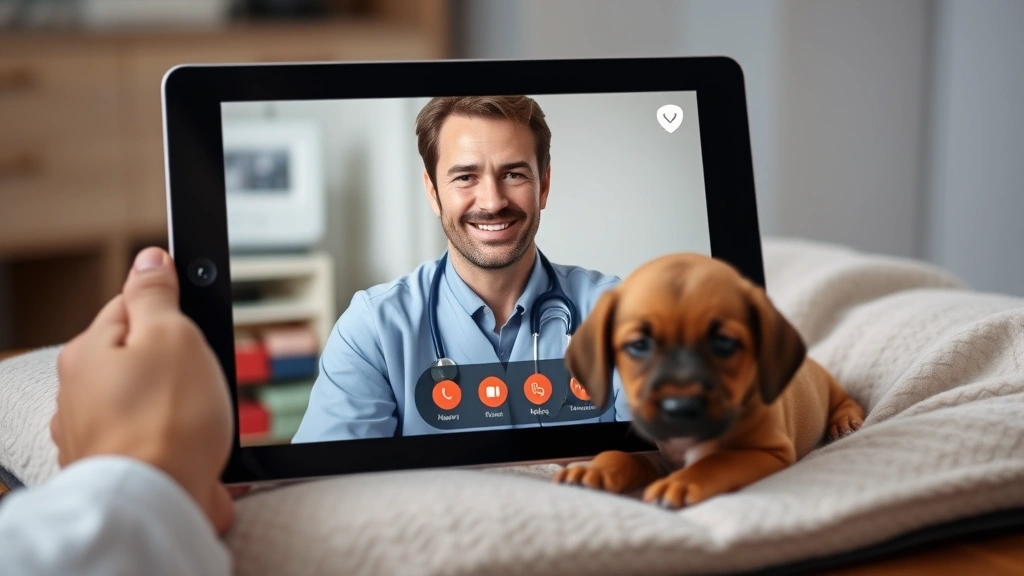
If your puppy recently joined your family or experienced a major change, give them time to adjust. Patience and routine are powerful healers.
Solution 7: Get Professional Guidance With Telehealth
If home remedies aren’t working after 24–48 hours, or if your puppy shows any concerning symptoms, telehealth is your fastest path to answers. Dog gastrointestinal issues sudden onset can escalate quickly, so professional input matters.
If you are unsure whether your pet needs urgent care, a quick telehealth check-in can give you peace of mind—no appointment needed. A vet can review your puppy’s symptoms, medical history, and recent changes to pinpoint the cause and recommend next steps.
Telehealth is especially valuable if your regular vet’s office is booked or if it’s after hours. You get expert advice when you need it most.
What to Do Now
- Document your puppy’s symptoms: frequency of diarrhea, consistency, color, and any other signs (vomiting, lethargy, appetite changes).
- Review recent diet and environmental changes to identify potential triggers.
- Offer small, frequent meals of bland food and ensure constant access to fresh water.
- Schedule a telehealth consultation with The Pet Vet if symptoms persist beyond 24 hours or worsen.
- Keep your puppy’s deworming and vaccination records handy to share with your vet.
Summary: Taking Action on Puppy Diarrhea
Puppy diarrhea is stressful, but it’s rarely an emergency if you act thoughtfully. Most cases resolve with dietary adjustments, hydration, and time. The seven solutions above—from diet changes to parasite screening—cover the most common causes and most effective remedies.
The beauty of modern telehealth is that you don’t have to figure this out alone. An online vet for puppy diarrhea can guide you through the decision-making process, rule out serious conditions, and get your puppy back to normal faster. Trust your instincts, stay calm, and reach out for professional support when you need it.
Frequently Asked Questions
How long should I wait before calling a vet about my puppy’s diarrhea?
If diarrhea lasts more than 24 hours, is accompanied by vomiting or lethargy, or contains blood, contact a vet immediately. For mild cases, 24 hours of home care is often reasonable before seeking professional guidance.
Can I use human probiotics for my puppy?
No—always use puppy-specific probiotics. Human formulas may not contain the right strains or dosages for your puppy’s developing digestive system.
Is diarrhea in puppies always a sign of parasites?
No, parasites are common but not the only cause. Dietary changes, stress, infections, and sensitivities can all trigger diarrhea. A vet can help identify the specific cause.
What should I feed my puppy during diarrhea?
Plain boiled chicken and white rice are ideal temporary options. Avoid fatty foods, dairy, and high-fiber items until stools firm up.
Can telehealth vets prescribe medication for puppy diarrhea?
Yes, many telehealth vets can prescribe medications when appropriate. They’ll assess your puppy’s condition and recommend treatment options based on the underlying cause.
Remember, online vet care for dogs is a convenient first step for many digestive concerns, and your vet can always recommend in-person evaluation if needed.