
If your puppy won’t stop scratching, biting, or licking their skin, you’re not alone—and reaching out to an online vet for puppy itching can be one of the smartest first steps you take. Itching is one of the most common complaints pet owners bring to veterinarians, and the good news is that many cases respond beautifully to early intervention.
Table of Contents
- Why Puppies Itch: The Most Common Culprits
- Signs Your Puppy’s Itching Needs Professional Attention
- How an Online Vet Can Help With Puppy Itching
- Relief Solution #1: Parasite Prevention
- Relief Solution #2: Dietary Changes and Elimination Diets
- Relief Solution #3: Soothing Baths and Skin Care
- Relief Solution #4: Supplements and Omega Fatty Acids
- Relief Solution #5: Topical Treatments and Creams
- Relief Solution #6: Environmental Management
- Relief Solution #7: Monitoring and Follow-Up Care
- When to Seek In-Person Veterinary Care
- The Role of Stress in Puppy Itching
- Cost-Effective Tips for Managing Puppy Itching at Home
- Frequently Asked Questions
- What To Do Now
- Summary: Relief Is Within Reach
This article is for informational purposes only and is not a substitute for professional veterinary advice. Always consult a licensed veterinarian for diagnosis and treatment.
Watching your puppy scratch constantly is stressful. You wonder if it’s normal, serious, or something you caused. The truth? Puppy itching usually has a straightforward cause—and getting professional guidance quickly can prevent the problem from getting worse. Let’s walk through what might be happening and how telehealth can help you get answers fast.
Why Puppies Itch: The Most Common Culprits
Puppy skin is sensitive, and itching can stem from several sources. Understanding the root cause is the first step toward relief.
Fleas and parasites top the list, even in indoor puppies. A single flea bite can trigger intense itching that lasts for days. Puppies may also pick up mites, lice, or intestinal parasites that cause skin irritation.
Food allergies and sensitivities are another major player. Chicken, beef, wheat, and dairy are common culprits. Unlike environmental allergies that come and go with seasons, food sensitivities often cause year-round itching.
Environmental allergies to pollen, dust, or mold can make your puppy’s skin go haywire. These tend to worsen during certain seasons but can persist year-round in some climates.
Dry skin and humidity changes affect puppies too, especially during winter or in dry climates. Low moisture can trigger flaking and itching.
Yeast or bacterial infections often develop secondary to other issues. When a puppy scratches excessively, they can break the skin barrier and invite infection. Catching this early puts you in a great position to help.
Signs Your Puppy’s Itching Needs Professional Attention
Not all itching requires emergency care, but some signs warrant a faster response. Watch for these red flags:
- Constant scratching that disrupts sleep or play
- Hair loss, bald patches, or visible skin lesions
- Red, inflamed, or weeping skin
- Foul odor coming from the skin or ears
- Swelling around the face, paws, or ears
- Behavior changes like excessive licking of one area
- Itching that started suddenly after a diet change or environmental exposure
If you notice any of these, an online vet consultation about dog licking paws can help you determine urgency without the stress of a clinic visit.
How an Online Vet Can Help With Puppy Itching
Telehealth veterinarians can assess many skin issues through video consultation. They’ll ask detailed questions about when the itching started, where it’s worst, and what you’ve already tried.
During a telehealth visit, your vet can review photos or video of affected areas, discuss your puppy’s diet and environment, and recommend next steps. For many cases—especially allergies and mild infections—this is enough to get started on a relief plan.
If your vet needs to examine your puppy in person (for skin scrapings or cultures, for example), they’ll let you know. But many itching cases resolve with guidance from a telehealth consultation.
If you are unsure whether your pet needs urgent care, a quick telehealth check-in can give you peace of mind—no appointment needed. The Pet Vet makes it easy to connect with a licensed veterinarian from home.
Relief Solution #1: Parasite Prevention
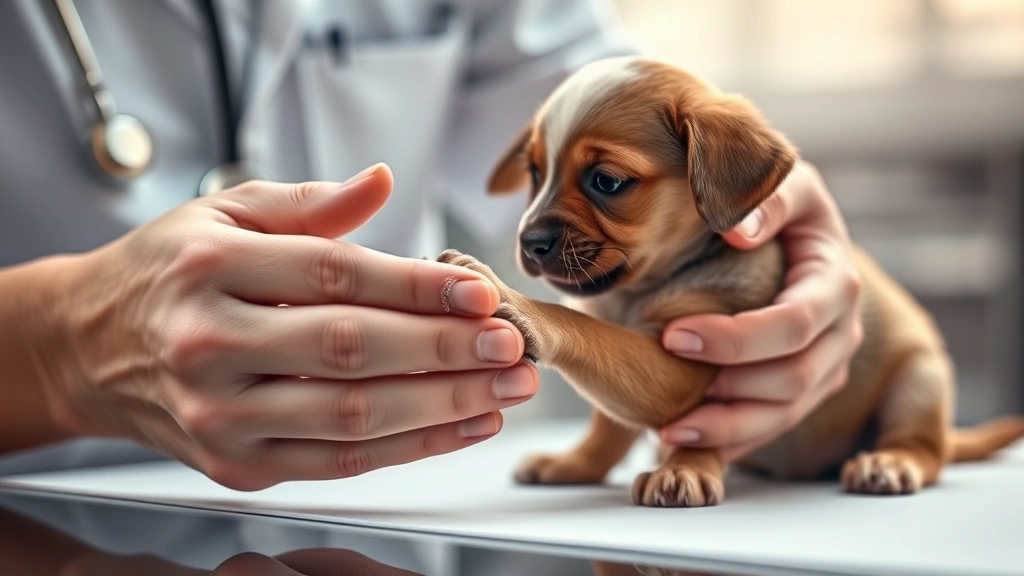
The first step in addressing puppy itching is ensuring your pup is on a strong parasite prevention plan. Even indoor puppies can get fleas from wildlife, other pets, or contaminated environments.
Your vet will recommend an appropriate flea, tick, and heartworm prevention based on your puppy’s age and weight. Modern preventatives are safe for young puppies and work quickly to break the itch cycle.
If parasites are the culprit, you should notice improvement within 7–10 days of starting prevention. Your vet can advise on the right product and schedule for your puppy’s age.
Relief Solution #2: Dietary Changes and Elimination Diets
If food allergies are suspected, your vet may recommend switching to a limited-ingredient diet or a hydrolyzed protein formula. These diets reduce the number of potential allergens your puppy is exposed to.
An elimination diet typically takes 8–12 weeks to show results, so patience is key. Your vet will guide you on which diet to try and what to watch for.
Many puppies improve significantly once you identify and remove the offending ingredient. Keeping a food diary and tracking itching patterns helps your vet pinpoint the problem faster.
Relief Solution #3: Soothing Baths and Skin Care
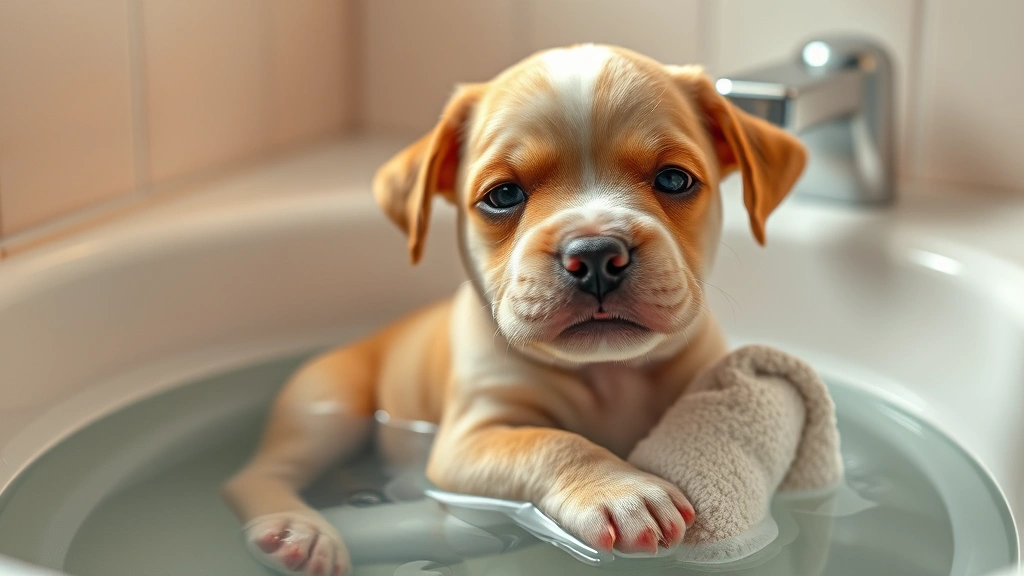
Gentle, regular baths with a medicated or oatmeal-based shampoo can provide immediate relief. Warm (not hot) water and a soft cloth work best.
Your vet may recommend specific shampoos designed for itchy skin. These often contain colloidal oatmeal, aloe, or hypoallergenic formulas that calm inflammation without harsh chemicals.
Bathing 2–3 times weekly during flare-ups can help, but don’t overdo it—too-frequent bathing can dry out the skin further. Always pat dry gently and avoid rubbing.
Relief Solution #4: Supplements and Omega Fatty Acids
Omega-3 and omega-6 fatty acids support skin health from the inside out. Many puppies with itching respond well to fish oil or dedicated skin supplements.
These supplements take 4–6 weeks to show full benefit, so consistency matters. Your vet can recommend a puppy-safe dose and the best form (liquid, capsule, or chew).
Combined with other treatments, omega supplements often reduce itching intensity and improve coat quality.
Relief Solution #5: Topical Treatments and Creams
For localized itching or hot spots, topical treatments can provide quick relief. Your vet may recommend hydrocortisone creams, antimicrobial sprays, or soothing balms.
These work best on small areas and prevent your puppy from further damaging irritated skin. Always follow your vet’s instructions on application frequency and duration.
Prevent your puppy from licking treated areas by using an Elizabethan collar if needed. This gives the skin time to heal without interference.
Relief Solution #6: Environmental Management
Sometimes the simplest fixes make the biggest difference. If environmental allergies are the issue, reducing exposure helps tremendously.
Consider these adjustments:
- Use air purifiers to reduce dust and pollen indoors
- Wash bedding weekly in hypoallergenic detergent
- Bathe your puppy after outdoor time to rinse off pollen and allergens
- Keep humidity levels balanced (40–50% is ideal)
- Use a humidifier in dry climates to prevent skin drying
Your vet can help you identify which environmental factors affect your specific puppy.
Relief Solution #7: Monitoring and Follow-Up Care
The best relief plan includes consistent monitoring. Track which solutions work and how quickly your puppy responds.
Keep notes on:
- Itching intensity (1–10 scale)
- Which areas are most affected
- Time of day itching is worst
- Any patterns with diet, weather, or environment changes
- How treatments affect these patterns
Share these notes during follow-up telehealth visits. This data helps your vet fine-tune the treatment plan and catch complications early.
When to Seek In-Person Veterinary Care
While telehealth is incredibly useful, some situations require hands-on examination. Your vet may recommend an in-person visit if:
- Your puppy has severe or spreading skin lesions
- Signs of infection appear (pus, foul odor, warmth)
- Itching doesn’t improve after 2–3 weeks of treatment
- Your puppy shows systemic signs like fever or lethargy
- Skin scrapings or cultures are needed for diagnosis
Think of telehealth as your first line of defense and in-person care as the backup when you need it. Many cases never need to progress that far.
The Role of Stress in Puppy Itching
Stress and anxiety can worsen itching or even trigger it in sensitive puppies. Changes like moving homes, new pets, or loud noises can spike scratching behavior.
If stress seems to be a factor, your vet may discuss calming strategies or, in some cases, anxiety management. Creating a calm, predictable environment helps reduce both stress and itch cycles.
This is another area where talking to a vet about puppy behavior problems online can provide quick reassurance and guidance.
Cost-Effective Tips for Managing Puppy Itching at Home
Relief doesn’t always mean expensive treatments. Simple, budget-friendly strategies can make a real difference:
- Cool compresses: Apply a damp, cool cloth to itchy areas for 5–10 minutes
- Oatmeal soaks: Blend plain oatmeal and add to bathwater for soothing relief
- Coconut oil: A small amount rubbed on dry patches can calm irritation (ask your vet first)
- Distraction and exercise: A tired puppy scratches less; regular play redirects attention
- Proper grooming: Regular brushing removes loose fur and improves skin circulation
Your vet can suggest which of these work best for your puppy’s specific situation.
Frequently Asked Questions
Can puppies outgrow itching problems?
Some puppies do outgrow certain allergies, but most itching issues persist without treatment. Early intervention prevents secondary infections and skin damage that can complicate recovery.
Is it safe to use human anti-itch products on puppies?
No. Human products can be toxic if ingested during grooming. Always use veterinary-approved treatments designed for puppies.
How quickly will my puppy feel relief?
Relief timelines vary. Parasite treatments work within days, dietary changes take weeks, and supplements take 4–6 weeks. Your vet will set realistic expectations based on the cause.
Can I diagnose the cause of itching myself?
It’s difficult without professional training. A vet—whether in-person or via telehealth—can narrow down the cause through questions, observation, and testing. Self-diagnosis often leads to trial-and-error that delays relief.
What if my puppy’s itching is getting worse?
Worsening itching can signal secondary infection or an escalating allergic reaction. Contact your vet right away for guidance; this may warrant an in-person exam or adjusted treatment.
What To Do Now
Taking action today puts your puppy on the path to relief. Here’s your next-step checklist:
- Schedule a telehealth consultation with The Pet Vet to discuss your puppy’s itching. Describe when it started, where it’s worst, and any recent diet or environment changes. A vet can assess the situation and recommend initial steps without leaving home.
- Start a symptom tracker noting itching intensity, affected areas, time of day, and any patterns. Share this data during your vet visit—it’s invaluable for diagnosis.
- Review your puppy’s current parasite prevention and diet. Confirm these are age-appropriate and up-to-date. If unsure, ask your vet during the telehealth visit.
- Prepare photos or video of affected skin areas to share during consultation. Clear images help your vet assess severity and guide recommendations.
- Create a calm environment for your puppy while you investigate. Reduce stressors, maintain a consistent routine, and avoid letting them over-groom affected areas.
Summary: Relief Is Within Reach
Puppy itching is frustrating, but it’s also one of the most manageable health issues when caught early. Whether the cause is parasites, allergies, infections, or environmental factors, solutions exist—and many start with a simple telehealth consultation.
An online vet for puppy itching can diagnose the problem, recommend relief solutions, and guide you through treatment without the stress of a clinic visit. From parasite prevention and dietary changes to soothing baths and supplements, you have multiple proven tools at your disposal.
The Pet Vet is here to support you every step of the way. When your puppy is scratching and you need answers fast, telehealth makes expert guidance accessible, affordable, and convenient. Don’t let your puppy suffer—reach out to a vet today and start the relief journey.
Your puppy’s comfort is worth it, and you’ve got this.