
If your dog has been diagnosed with pancreatitis in dogs, you’re probably feeling worried and overwhelmed right now. This inflammatory condition of the pancreas can be painful and scary to watch, especially when your pup isn’t acting like themselves. The good news? With the right treatment plan and medications, many dogs recover well and go on to live comfortable, happy lives.
Table of Contents
- What Is Pancreatitis in Dogs and Why It Matters
- Recognizing the Signs: When to Seek Help
- How Veterinarians Diagnose Pancreatitis
- The Role of Medications in Pancreatitis Treatment
- Common Medication Classes Used for Pancreatitis
- Dietary Management: The Foundation of Recovery
- What to Expect During Treatment
- Preventing Future Pancreatitis Episodes
- When to Call Your Vet (and When It’s Urgent)
- Frequently Asked Questions
- What To Do Now
- Summary: Managing Pancreatitis in Dogs with Confidence
This article is for informational purposes only and is not a substitute for professional veterinary advice. Always consult a licensed veterinarian for diagnosis and treatment.
What Is Pancreatitis in Dogs and Why It Matters
Pancreatitis is inflammation of the pancreas, a small but crucial organ that produces digestive enzymes and insulin. When the pancreas becomes inflamed, it can’t do its job properly, leading to digestive upset, pain, and potentially serious complications if left untreated.
There are two main types: acute pancreatitis (sudden onset) and chronic pancreatitis (ongoing inflammation). Both require veterinary attention, though acute cases often feel more urgent. Catching this early puts you in a great position to help your dog recover faster and more completely.
Recognizing the Signs: When to Seek Help
Your dog might be experiencing pancreatitis if they show signs like vomiting, loss of appetite, abdominal pain (hunched posture), diarrhea, lethargy, or fever. Some dogs show just one or two symptoms, while others display several at once.
If you notice these signs, contact your veterinarian right away. If you’re unsure whether your pet needs urgent care, a quick telehealth check-in with The Pet Vet can give you peace of mind—no appointment needed. Early intervention makes a real difference in outcomes.
How Veterinarians Diagnose Pancreatitis
Your vet will typically use blood tests (looking for elevated pancreatic enzymes), ultrasound imaging, and sometimes additional diagnostics to confirm pancreatitis. They may also ask detailed questions about your dog’s diet, recent foods, and medical history.
Once diagnosed, your vet will create a personalized treatment plan. While this article discusses medications commonly used, remember that every dog is different, and your vet’s recommendations are based on your individual pet’s needs.
The Role of Medications in Pancreatitis Treatment
Medications are a cornerstone of managing pancreatitis in dogs. They work by reducing inflammation, controlling pain, preventing infection, and supporting the digestive system while the pancreas heals. Most treatment plans combine several medications working together.
The specific medications your dog needs depend on the severity of their condition, whether it’s acute or chronic, and any other health issues they may have. Your veterinarian will adjust the plan as your dog improves.
Common Medication Classes Used for Pancreatitis
Several categories of medications are typically used to treat pancreatitis in dogs. Understanding what each does can help you feel more confident in your dog’s treatment plan and recognize why your vet chose specific medications.
Anti-Inflammatory Medications
These reduce swelling and inflammation in the pancreas, easing pain and allowing the organ to function better. Anti-inflammatory drugs are often the foundation of pancreatitis treatment. Your vet may recommend different options depending on your dog’s overall health and any other conditions they have.
Pain Management Medications
Pancreatitis can be quite painful, and managing discomfort is essential for your dog’s recovery and quality of life. Pain relief medications help your pup eat, rest, and heal more effectively. Your vet may use different pain management strategies depending on severity.

Anti-Nausea and Digestive Support Medications
Vomiting and nausea are common with pancreatitis, making it hard for dogs to eat and keep food down. Medications that control nausea and support digestion help your dog maintain nutrition during recovery. These are especially important in the early stages of treatment.
Antibiotics (When Needed)
In severe cases where infection is a concern, your vet may prescribe antibiotics. These prevent secondary bacterial infections that could complicate recovery. Not all pancreatitis cases require antibiotics, but your vet will determine if they’re necessary for your dog.
Pancreatic Enzyme Supplements
In some cases, especially with chronic pancreatitis, enzyme supplements help compensate for the pancreas’s reduced ability to produce digestive enzymes. These support nutrient absorption and overall digestive health. Your vet will advise if your dog needs these supplements.
Medications to Support Pancreatic Function
Certain medications may help protect pancreatic tissue and support healing. Your vet might include these in your dog’s treatment plan to optimize recovery and reduce the risk of recurrence. These work best when combined with dietary changes and rest.
Dietary Management: The Foundation of Recovery
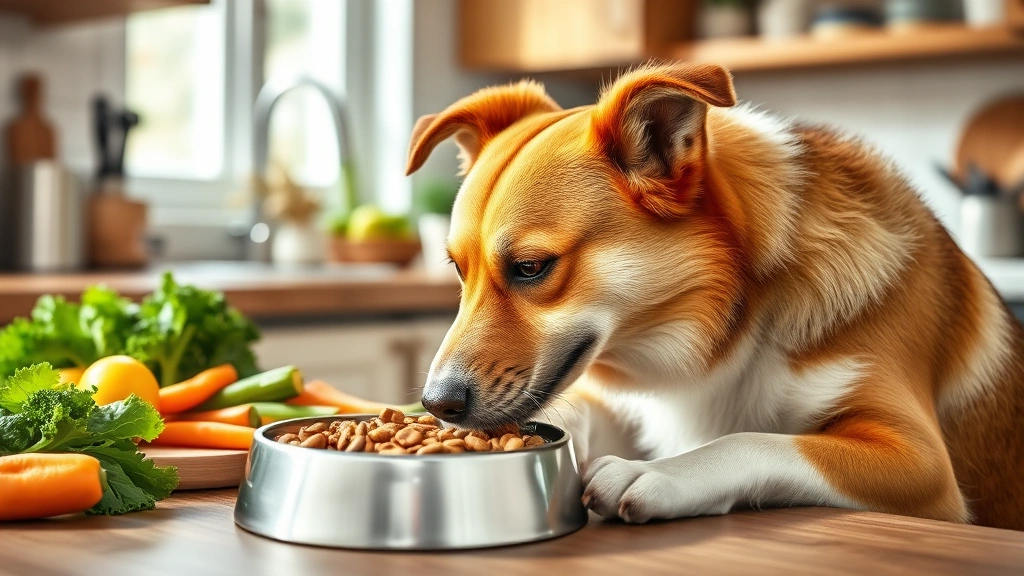
While medications are crucial, diet plays an equally important role in managing pancreatitis. Your vet will likely recommend a low-fat diet, as high fat intake can trigger or worsen pancreatitis. This is why avoiding foods that are poisonous to dogs and toxic human foods for dogs is so critical.
Many pet owners don’t realize that table scraps and high-fat treats are major pancreatitis triggers. Stick to veterinary-approved foods during recovery. Your vet may recommend prescription diets specifically formulated for pancreatitis-prone dogs.
Beyond food choices, weight appropriate portion timing and age appropriate feeding frequency help prevent flare-ups. Smaller, more frequent meals are often easier on the pancreas than large meals.
What to Expect During Treatment
Most dogs with acute pancreatitis improve within a few days to a week with proper treatment and rest. Your vet may recommend hospitalization for severe cases to provide IV fluids, medications, and monitoring. For milder cases, home care with oral medications and dietary changes may be sufficient.
Chronic pancreatitis requires long-term management with ongoing medications, dietary control, and regular vet check-ins. Your dog may need periodic adjustments to their treatment plan as their condition evolves. Many dogs with chronic pancreatitis live good quality lives with proper management.
Preventing Future Pancreatitis Episodes
Once your dog has had pancreatitis, they’re at higher risk for future episodes. Prevention strategies are just as important as treatment. Here’s what you can do:
- Maintain a consistent, low-fat diet approved by your vet
- Avoid table scraps and high-fat treats entirely
- Keep your dog at a healthy weight through appropriate exercise and portion control
- Monitor for early warning signs (vomiting, loss of appetite, lethargy)
- Keep all veterinary appointments for regular check-ups
- Give medications exactly as prescribed, even if your dog seems better
Prevention is truly the best medicine when it comes to pancreatitis. Small changes in daily habits can dramatically reduce the risk of recurrence.
When to Call Your Vet (and When It’s Urgent)
Contact your vet immediately if your dog shows signs of pancreatitis returning, such as vomiting, severe lethargy, or refusal to eat. These could indicate a flare-up requiring urgent treatment. Don’t wait—early intervention prevents complications.
For less urgent concerns or questions about your dog’s medications and diet, a telehealth consultation with The Pet Vet offers convenient answers without leaving home. We’re here to support you throughout your dog’s recovery journey.
Frequently Asked Questions
Can pancreatitis in dogs be cured completely?
Acute pancreatitis can often be resolved with proper treatment, though dogs may be prone to future episodes. Chronic pancreatitis is managed long-term but cannot be cured; however, most dogs live comfortably with appropriate care.
How long does it take for a dog to recover from pancreatitis?
Acute cases often improve within days to weeks with treatment, while chronic pancreatitis requires ongoing management. Recovery speed depends on severity, your dog’s age, and how quickly treatment begins.
Will my dog need to stay on medications forever?
Acute pancreatitis may resolve with short-term medication, but chronic cases typically require long-term or lifetime management. Your vet will determine the best approach for your individual dog.
Is pancreatitis painful for dogs?
Yes, pancreatitis causes abdominal pain and discomfort, which is why pain management medications are an essential part of treatment. Proper pain relief helps your dog heal and maintain quality of life.
Can I prevent pancreatitis with diet alone?
Diet is crucial for prevention, especially avoiding high-fat foods and table scraps. However, some dogs have genetic predispositions to pancreatitis, so working closely with your vet on a comprehensive prevention plan is important.
What To Do Now
If your dog has been diagnosed with pancreatitis, here are your next steps:
- Schedule a detailed consultation with your veterinarian to understand your dog’s specific condition, medication plan, and dietary requirements. Ask questions about what to expect during recovery.
- Stock your home with the prescribed diet before starting treatment. Remove all high-fat foods, treats, and table scraps from easy access to prevent accidental consumption.
- Set up a medication schedule using phone reminders or a pill organizer to ensure your dog receives medications on time and consistently. Consistency is key to recovery.
- Monitor your dog closely for symptom changes and keep a log of eating, vomiting, energy levels, and bathroom habits. This information helps your vet track progress and adjust treatment if needed.
- Book a follow-up telehealth appointment with The Pet Vet in one week to check in on your dog’s progress and address any concerns. Early support prevents complications.
Summary: Managing Pancreatitis in Dogs with Confidence
Pancreatitis in dogs is a serious condition, but it’s very manageable with the right combination of medications, diet, and veterinary care. Understanding how medications work, recognizing warning signs, and staying committed to prevention strategies puts you in the best position to help your dog thrive.
Your veterinarian is your partner in this journey. Don’t hesitate to ask questions, seek second opinions, or reach out for support through telehealth services when you need guidance. With proper care and attention, many dogs with pancreatitis go on to live long, happy, comfortable lives alongside their families.
Remember: you’re doing great by seeking information and taking action for your pup. That’s what good pet parents do, and your dog is lucky to have you.