
When your dog is experiencing digestive discomfort, pet-antacids can be an important tool in your veterinary toolkit to help ease their suffering. If you’ve noticed your furry friend refusing meals, drooling excessively, or showing signs of stomach pain, you’re probably wondering what steps to take next—and that’s completely understandable.
Table of Contents
- Understanding Canine Acid Reflux and Stomach Upset
- What Are Pet-Antacids and How Do They Work?
- Common Signs Your Dog May Need Antacid Support
- Types of Pet-Antacids Available
- Dietary Management Alongside Antacid Therapy
- Natural and Home Remedies: What Actually Works
- When to Seek Immediate Veterinary Care
- Prevention: Keeping Your Dog’s Digestive System Healthy
- Working With Your Vet on a Treatment Plan
- Pet-Antacids and Other Medications
- Frequently Asked Questions
- What To Do Now
- Summary
This article is for informational purposes only and is not a substitute for professional veterinary advice. Always consult a licensed veterinarian for diagnosis and treatment.
Understanding Canine Acid Reflux and Stomach Upset
Dogs, much like humans, can experience acid reflux and digestive upset. This occurs when stomach acid backs up into the esophagus, causing irritation and discomfort. Your pup might be more prone to these issues if they’ve eaten something unusual, gulped their food too quickly, or have an underlying digestive sensitivity.
The good news? Catching digestive issues early puts you in a great position to help your dog feel better fast.
What Are Pet-Antacids and How Do They Work?
Pet-antacids are medications designed to neutralize excess stomach acid and reduce inflammation in the digestive tract. They work by either buffering the acid already present or reducing the amount of acid your dog’s stomach produces. This helps relieve that burning sensation and allows the stomach lining to begin healing.
Different formulations target different aspects of acid-related discomfort, which is why your vet might recommend one type over another based on your dog’s specific situation.
Common Signs Your Dog May Need Antacid Support
Recognizing when your dog is struggling with digestive issues is the first step toward relief. Here are some telltale signs:
- Excessive drooling or lip smacking
- Loss of appetite or reluctance to eat
- Vomiting or regurgitation, especially on an empty stomach
- Restlessness or difficulty settling down
- Visible discomfort when eating
- Bad breath or unusual odors from the mouth
- Whining or signs of abdominal pain
If you notice any of these symptoms persisting for more than a day or two, it’s time to reach out to your veterinarian. Early intervention can prevent more serious complications down the road.
Types of Pet-Antacids Available
Your veterinarian may recommend several different approaches to managing your dog’s stomach acid. Some are available over-the-counter, while others require a prescription. The right choice depends on your dog’s age, weight, overall health, and the underlying cause of their discomfort.
Common options include antacids that neutralize existing acid, medications that reduce acid production, and protective agents that coat and soothe the stomach lining. Each works slightly differently, so your vet’s recommendation is crucial for choosing the most effective option for your specific pup.
Dietary Management Alongside Antacid Therapy
While pet-antacids can provide relief, diet plays an equally important role in managing your dog’s digestive health. Feeding smaller, more frequent meals rather than one or two large meals can significantly reduce the burden on your dog’s stomach. This approach helps prevent the buildup of excess acid.
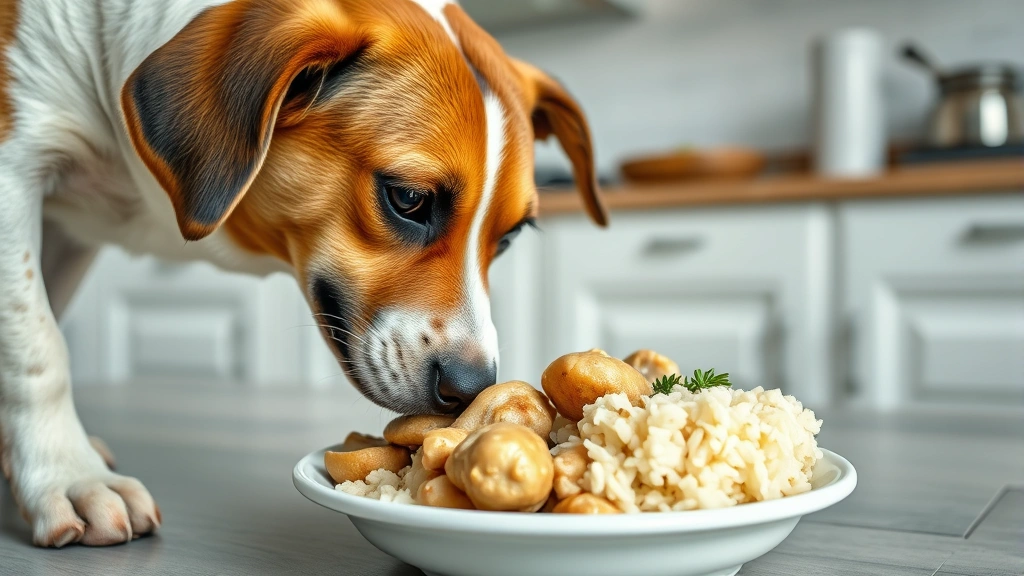
Consider exploring an elimination diet feeding plan with your vet to identify any food triggers that might be causing upset. Additionally, proper food safety and feeding timeline practices ensure your dog isn’t accidentally exposed to spoiled or contaminated food that could irritate their digestive system.
Natural and Home Remedies: What Actually Works
Many pet owners wonder about natural alternatives alongside conventional pet-antacids. While some remedies may provide comfort, it’s essential to discuss any home treatments with your veterinarian first. Bone broth, plain pumpkin, and slippery elm are sometimes mentioned in pet circles, but their effectiveness varies from dog to dog.
The safest approach is combining professional veterinary guidance with gentle dietary adjustments. Never replace prescribed antacid therapy with unproven remedies without consulting your vet first.
When to Seek Immediate Veterinary Care
While many cases of stomach upset respond well to rest and pet-antacids, some situations require urgent attention. Seek immediate veterinary care if your dog is vomiting repeatedly, showing signs of severe pain, unable to keep any food or water down, or if symptoms worsen despite treatment.
Persistent digestive issues could indicate underlying conditions like pancreatitis, gastritis, or food allergies that need professional diagnosis. If you’re ever unsure whether your pet needs urgent care, a quick telehealth check-in with The Pet Vet can give you peace of mind—no appointment needed.
Prevention: Keeping Your Dog’s Digestive System Healthy
The best approach to digestive upset is prevention. Feed your dog high-quality, consistent food and avoid sudden diet changes, which can trigger stomach upset. Keep harmful foods and objects out of reach, and supervise your pup during meals to prevent gulping or choking.
Regular exercise, proper nutrition for immune support, and stress management all contribute to better digestive health. Some dogs with chronic sensitivities benefit from ongoing dietary adjustments or preventative approaches tailored to their needs.
Working With Your Vet on a Treatment Plan
Your veterinarian is your best partner in managing your dog’s digestive health. They can perform necessary diagnostics, rule out serious underlying conditions, and recommend the most appropriate pet-antacids for your individual dog. Be honest about your dog’s symptoms, diet, and any previous health issues.
If your dog has other health conditions like thyroid issues or seasonal allergies, these may interact with digestive treatments, so full transparency helps your vet make the best recommendations. Follow-up appointments ensure the treatment plan is working effectively.
Pet-Antacids and Other Medications
If your dog is already taking other medications, it’s crucial to discuss potential interactions with your veterinarian. Some pet-antacids can affect how other drugs are absorbed or metabolized. Your vet will ensure any antacid therapy complements rather than interferes with your dog’s existing treatment plan.

This is especially important for dogs on medications for chronic conditions or those requiring anti-nausea medication for other reasons.
Frequently Asked Questions
Can I give my dog over-the-counter antacids meant for humans?
Never give your dog human antacids without explicit veterinary approval. Dosages, formulations, and ingredients safe for humans may not be appropriate for dogs. Always use products specifically formulated for pets or prescribed by your vet.
How long does it take for pet-antacids to work?
Most pet-antacids begin providing relief within 30 minutes to a few hours, though this varies by product type and your individual dog. Your veterinarian will advise on expected timelines and when to follow up if symptoms persist.
Are there side effects associated with pet-antacids?
Most pet-antacids are well-tolerated when used as directed, but some dogs may experience mild side effects. Your vet will discuss any potential reactions and monitor your dog’s response to treatment.
Can dietary changes alone resolve my dog’s stomach issues?
For some dogs, dietary adjustments are sufficient, but others may need medication support. The underlying cause determines whether antacids are necessary alongside diet changes—your vet will help determine the best approach.
Is stomach upset in dogs always serious?
Occasional mild upset is common and often resolves with rest and dietary care. However, persistent symptoms warrant veterinary evaluation to rule out underlying conditions that may require treatment.
What To Do Now
- Schedule a veterinary consultation: Contact your vet or use a telehealth service like The Pet Vet to discuss your dog’s symptoms and get a professional recommendation for pet-antacids or other treatments.
- Document your dog’s symptoms: Keep a brief log of when symptoms occur, what your dog ate, and how severe the discomfort seems. This information helps your vet make an accurate diagnosis.
- Evaluate your dog’s current diet: Review ingredient lists and feeding practices. Consider whether recent food changes, table scraps, or rapid eating might be contributing factors.
- Prepare for dietary adjustments: Discuss with your vet whether smaller, more frequent meals or a different food formula might help alongside antacid therapy.
- Monitor response to treatment: Once your vet recommends pet-antacids, track whether symptoms improve and report any concerns or lack of improvement at follow-up appointments.
Summary
Pet-antacids can be a valuable tool for managing your dog’s digestive discomfort, but they work best as part of a comprehensive approach that includes proper diet, veterinary oversight, and attention to your dog’s overall health. Every dog is unique, and what works for one pup may not be ideal for another.
The most important step is consulting with a qualified veterinarian who can properly diagnose your dog’s condition and recommend the most appropriate treatment plan. Whether through traditional pet-antacids, dietary management, or a combination of approaches, your vet will help get your furry friend back to their happy, comfortable self. Don’t hesitate to reach out to The Pet Vet for convenient, professional guidance on your dog’s digestive health.