
If your dog is suddenly coughing, breathing heavily, or seeming unusually tired, pulmonary edema in dogs might be what’s happening—and it’s understandable to feel worried. This condition, where fluid builds up in the lungs, can develop quickly and needs prompt veterinary attention. The good news? Catching it early and working with your vet puts you in a strong position to help your dog feel better.
Table of Contents
- What Is Pulmonary Edema in Dogs?
- Common Causes of Fluid in Dogs’ Lungs
- Recognizing the Signs: Symptoms of Pulmonary Edema
- How Vets Diagnose Pulmonary Edema
- Treatment Approaches for Pulmonary Edema in Dogs
- Managing Cough and Breathing Difficulties
- The Role of Diuretics and Cardiac Support
- Home Care and Monitoring Tips
- When to Seek Emergency Care
- Long-Term Outlook and Prevention
- Working With Your Vet on a Treatment Plan
- Frequently Asked Questions
- What To Do Now
- Summary
This article is for informational purposes only and is not a substitute for professional veterinary advice. Always consult a licensed veterinarian for diagnosis and treatment.
What Is Pulmonary Edema in Dogs?
Pulmonary edema occurs when fluid accumulates in the air sacs and tissues of the lungs, making it harder for your dog to breathe and get oxygen into their bloodstream. Think of it like water filling up spaces where air should be—it’s a serious condition that requires veterinary care.
This fluid buildup doesn’t happen randomly. It’s usually a sign that something else is going on with your dog’s heart, lungs, or overall system. Understanding the underlying cause is just as important as treating the edema itself.
Common Causes of Fluid in Dogs’ Lungs
Heart disease is one of the most frequent culprits behind pulmonary edema in dogs. When the heart doesn’t pump efficiently, fluid backs up into the lungs. Congestive heart failure, valve disease, and dilated cardiomyopathy are common heart conditions that lead to this problem.
Other causes include:
- Pneumonia or severe respiratory infections
- Trauma or chest injuries
- Kidney disease affecting fluid balance
- Severe allergic reactions or anaphylaxis
- Toxin exposure
- Liver disease
- Low blood protein levels (related to conditions like hypoalbuminemia in dogs)
Your veterinarian will work to identify the root cause, as this determines the best treatment approach for your dog.
Recognizing the Signs: Symptoms of Pulmonary Edema
One of the first things you might notice is a persistent, often dry cough that seems to come out of nowhere. Your dog may cough more when lying down or during excitement or exercise. This happens because the fluid irritates the airways.
Other warning signs include:
- Rapid or labored breathing (even at rest)
- Wheezing or crackling sounds when breathing
- Lethargy or unusual fatigue
- Reluctance to exercise or play
- Blue-tinged gums or tongue (in severe cases)
- Restlessness or difficulty settling down
- Foamy or pink-tinged discharge from the mouth or nose
If you’re seeing any combination of these signs, especially difficulty breathing, don’t wait—contact your veterinarian right away. Catching this early puts you in a great position to help.
How Vets Diagnose Pulmonary Edema
Your vet will start with a physical exam, listening to your dog’s lungs with a stethoscope for abnormal sounds. They’ll also ask about your dog’s history, recent changes, and any other symptoms you’ve noticed.
Chest X-rays are usually the next step—they clearly show fluid in the lungs and help rule out other conditions like pneumonia. Your vet may also recommend:
- Blood tests to check organ function and protein levels
- An ultrasound or echocardiogram to evaluate the heart
- Blood pressure measurement
These diagnostic tools help your vet understand exactly what’s causing the edema and create a targeted treatment plan.

Treatment Approaches for Pulmonary Edema in Dogs
Treatment depends on the underlying cause and how severe the edema is. In acute, life-threatening situations, your dog may need hospitalization with oxygen therapy to help them breathe more easily while medications begin working.
The main goal is to remove excess fluid from the lungs and address the root cause. Your veterinarian may recommend medications that help the heart pump more effectively, reduce fluid buildup, or manage related conditions.
Beyond medication, your vet might suggest:
- Restricted activity and rest
- A low-sodium diet to help manage fluid retention
- Weight management if your dog is overweight
- Monitoring at home with regular check-ins
Each dog’s situation is unique, so your vet will tailor the approach to your pet’s specific needs.
Managing Cough and Breathing Difficulties
A persistent cough is one of the most bothersome symptoms for both dogs and their owners. While treating the underlying cause is essential, your vet may also recommend dog cough medication to help ease your dog’s discomfort and improve their quality of life.
Keeping your dog calm and stress-free can also help reduce coughing episodes. Gentle exercise, a comfortable resting area, and a quiet environment all make a difference. If your dog seems to struggle more at night, elevating their head with extra bedding can help them breathe easier.
The Role of Diuretics and Cardiac Support
When fluid buildup is the main problem, certain medications help the kidneys remove excess fluid through increased urination. This reduces the load on the lungs and heart. Your vet will monitor your dog’s response and adjust as needed.
For dogs with heart disease causing the edema, medications that improve heart function are crucial. These work by making the heart a more efficient pump, reducing the backup of fluid into the lungs. Regular follow-up appointments help ensure these treatments are working well.
Home Care and Monitoring Tips
Once your dog is home, your role in monitoring their progress is vital. Keep a simple log of any changes you notice—coughing frequency, breathing patterns, activity level, and appetite. This information helps your vet fine-tune treatment.
Here’s what to focus on at home:
- Watch for worsening cough or labored breathing—these warrant an immediate vet call
- Ensure your dog has easy access to fresh water and a comfortable resting spot
- Follow dietary recommendations from your vet, especially regarding salt intake
- Give all medications exactly as prescribed, even if your dog seems better
- Keep stress and excitement to a minimum during recovery
Consistency with medication and monitoring makes a real difference in how quickly your dog improves.
When to Seek Emergency Care
Some signs mean your dog needs immediate veterinary attention. Severe difficulty breathing, blue-tinged gums, collapse, or a sudden worsening of symptoms all require emergency care—don’t wait for a regular appointment.
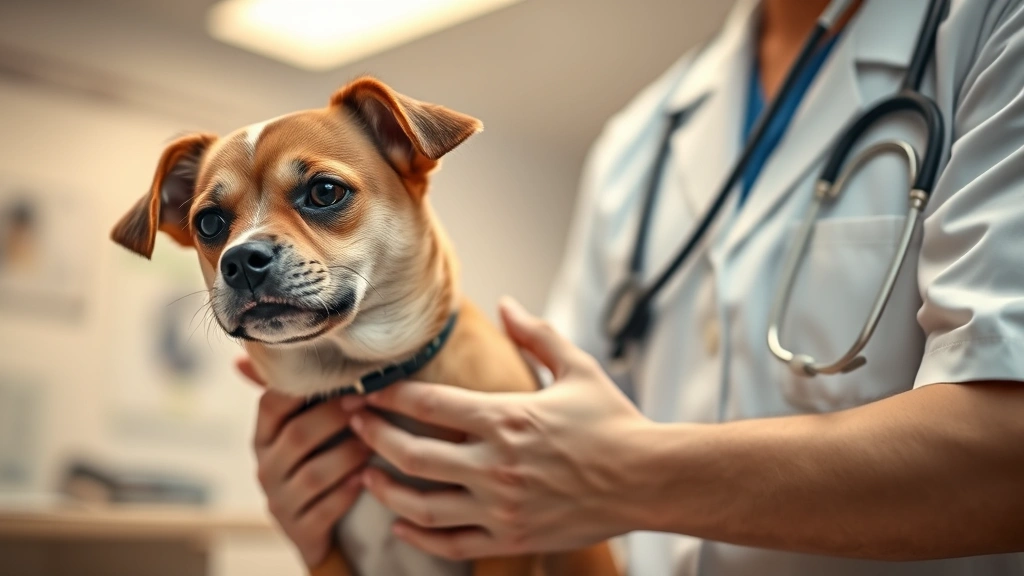
If you’re unsure whether your pet needs urgent care, a quick telehealth check-in can give you peace of mind—no appointment needed. A vet can assess your dog’s breathing and symptoms right away and advise whether an in-person visit is necessary.
Long-Term Outlook and Prevention
The long-term prognosis for pulmonary edema depends on what caused it. Dogs with heart disease may manage the condition well for months or years with proper treatment and monitoring. Those with acute causes like pneumonia or toxin exposure often recover well with appropriate care.
Preventing future episodes means staying on top of your dog’s health. Regular vet checkups, maintaining a healthy weight, and catching heart disease early all help. If your dog has ascites in dogs or other fluid-related conditions, managing those proactively reduces the risk of pulmonary complications.
Working With Your Vet on a Treatment Plan
Your veterinarian is your partner in helping your dog recover. Be open about your concerns, ask questions, and share observations about how your dog is responding to treatment. If something doesn’t seem right, speak up—adjustments to the plan are often needed.
Regular follow-up appointments and bloodwork help ensure treatment is working and catch any complications early. This ongoing partnership gives your dog the best chance at a comfortable, longer life.
Frequently Asked Questions
Can pulmonary edema in dogs be cured?
The underlying cause determines if it can be cured. Edema from pneumonia or toxin exposure may resolve completely with treatment, while edema from heart disease typically requires ongoing management to control symptoms.
How quickly does pulmonary edema develop?
It can develop over days or weeks in chronic conditions, or come on suddenly in acute situations like severe allergic reactions or trauma. Either way, prompt veterinary care is essential.
Is pulmonary edema painful for dogs?
Dogs may experience discomfort from difficulty breathing and coughing, but they don’t feel pain from the fluid itself. Treating the condition relieves these uncomfortable symptoms.
Can my dog exercise with pulmonary edema?
Exercise should be restricted during active edema, as it puts extra strain on the heart and lungs. Your vet will advise when and how much activity is safe as your dog improves.
What’s the difference between pulmonary edema and pneumonia?
Pulmonary edema is fluid buildup from fluid leakage; pneumonia is a lung infection. Both cause coughing and breathing difficulty, but they require different treatments—your vet’s diagnosis is crucial.
What To Do Now
- Schedule a veterinary appointment immediately if your dog shows signs of respiratory distress or persistent cough
- Document your dog’s symptoms (cough frequency, breathing patterns, activity level) to share with your vet
- If your dog has known heart disease, ensure they’re on their prescribed medications and schedule regular check-ups
- Create a comfortable, quiet resting area for your dog with elevated bedding to help breathing
- Consider a telehealth consultation if you’re uncertain about the urgency of your dog’s symptoms
Summary
Pulmonary edema in dogs is a serious condition, but it’s manageable with prompt diagnosis and appropriate treatment. Whether it stems from heart disease, infection, or another cause, your veterinarian has tools and medications to help your dog feel better and breathe easier. Stay alert to symptoms, follow your vet’s recommendations closely, and remember that catching this early gives your dog the best outcome. You’re doing the right thing by learning about this condition—that awareness helps you protect your beloved pet.