
If you’ve noticed your dog drooling more than usual, struggling to eat, or showing swelling around the jaw, you may be dealing with salivary gland problems in dogs—a condition that worries many pet owners but is often manageable with the right care and attention.
Table of Contents
- What Are Salivary Glands and Why Do They Matter?
- Common Signs Your Dog May Have Salivary Gland Problems
- Types of Salivary Gland Problems in Dogs
- How Vets Diagnose Salivary Gland Problems
- Medication Options for Salivary Gland Problems
- Supportive Care at Home
- When Surgery Becomes Necessary
- Preventing Salivary Gland Problems
- When to Seek Emergency Care
- Understanding Your Dog’s Recovery Timeline
- Related Oral Health Concerns
- Summary: Taking Action for Your Dog’s Salivary Health
- Frequently Asked Questions
- What To Do Now
This article is for informational purposes only and is not a substitute for professional veterinary advice. Always consult a licensed veterinarian for diagnosis and treatment.
Salivary gland issues in dogs range from mild inflammation to serious infections, and understanding what’s happening can help you respond quickly. Your pup’s salivary glands play a crucial role in digestion and oral comfort, so when something goes wrong, it affects their quality of life. The good news? Most salivary gland problems respond well to early intervention.
What Are Salivary Glands and Why Do They Matter?
Dogs have four pairs of salivary glands: the parotid, submandibular, sublingual, and zygomatic glands. These tiny organs produce saliva that lubricates food, aids in swallowing, and contains enzymes that begin the digestive process. When these glands become inflamed, infected, or blocked, your dog experiences discomfort and may struggle with basic functions like eating and drinking.
Think of saliva as your dog’s natural mouth protector—it keeps tissues moist, fights bacteria, and maintains oral pH balance. When salivary gland function declines, your dog loses these protective benefits.
Common Signs Your Dog May Have Salivary Gland Problems
Recognizing early symptoms puts you in a strong position to help your dog before complications develop. Watch for these warning signs:
- Excessive drooling or ropey saliva
- Facial swelling, especially near the jaw or under the chin
- Difficulty eating or reluctance to chew
- Bad breath or foul odor from the mouth
- Pawing at the face or mouth
- Fever or lethargy
- Discharge from the mouth or nose
- Head tilting or ear sensitivity
Catching these early signs is important—it often means faster recovery and fewer complications. If you notice any combination of these symptoms, scheduling a vet visit is your next best move.
Types of Salivary Gland Problems in Dogs
Salivary gland issues come in several forms, each requiring different approaches. Understanding the type helps you know what to expect during treatment.
Sialadenitis (Salivary Gland Inflammation)
Inflammation of the salivary glands often stems from infection, trauma, or autoimmune conditions. Bacterial infections are the most common culprit, though viruses and fungi can also trigger inflammation. Your dog may experience pain when chewing and show noticeable facial swelling.
Sialoliths (Salivary Stones)
These mineral deposits form inside salivary ducts, blocking saliva flow and causing backup and pressure. Stones develop over time from mineral accumulation and are more common in certain breeds. They can be uncomfortable and may lead to secondary infections if not addressed.
Salivary Mucocele (Saliva Pooling)
When a salivary duct ruptures, saliva collects in surrounding tissues, forming a fluid-filled pocket. This appears as soft swelling, often under the tongue or jaw. Mucoceles can become infected and require prompt attention to prevent serious complications.
Xerostomia (Dry Mouth)
Sometimes salivary glands produce insufficient saliva, leading to dry mouth. This may result from autoimmune disease, medication side effects, or systemic illness. Dogs with dry mouth struggle with eating and face increased risk of dental disease and oral infections.
How Vets Diagnose Salivary Gland Problems
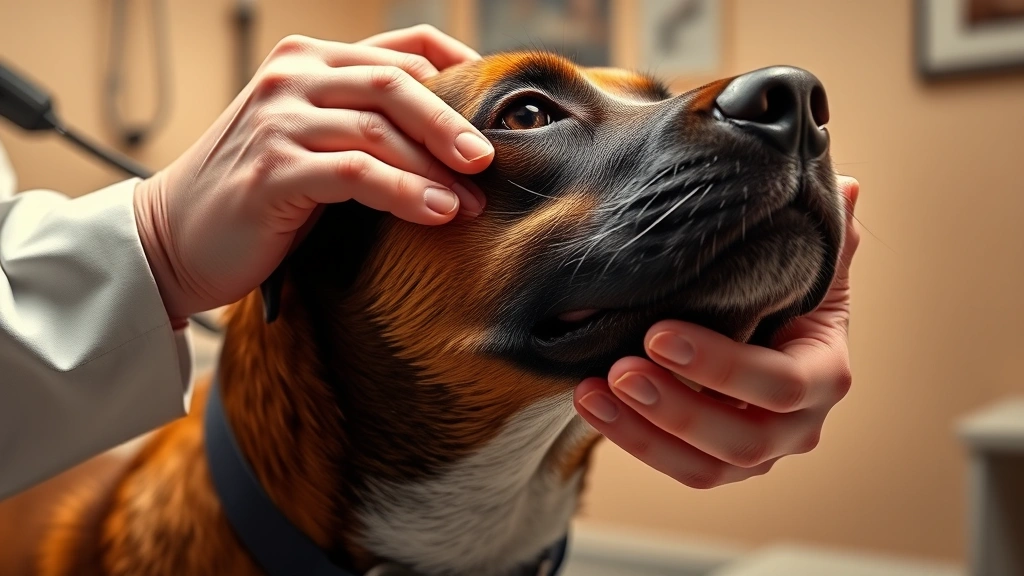
Your veterinarian will start with a physical exam, feeling the jaw and neck for swelling or lumps. They may perform blood work to check for infection or systemic disease. Imaging like ultrasound or X-rays helps visualize the glands and identify stones, blockages, or abnormal tissue.
In some cases, your vet may recommend a saliva test or biopsy to confirm the diagnosis. These diagnostic steps ensure your dog receives treatment targeted to their specific condition, not just generic symptom relief.
Medication Options for Salivary Gland Problems
Treatment depends on the underlying cause, but medications play an important role in managing most cases. Here’s what you should know about common approaches:
Antibiotics
If bacterial infection is present, your vet may prescribe antibiotics to clear the infection and reduce inflammation. Antibiotics work best when started early, so don’t delay if your dog shows signs of infection. Your vet will recommend a specific type and duration based on culture results when available.
Anti-Inflammatory Medications
Nonsteroidal anti-inflammatory drugs (NSAIDs) help reduce swelling and pain associated with salivary gland inflammation. These medications improve comfort and may help restore normal gland function. Your vet will discuss appropriate options and monitoring for your individual dog.
Pain Management
Depending on severity, your vet may recommend pain relief to help your dog eat and drink comfortably during recovery. Pain control is especially important for dogs with sialoliths or mucoceles, where discomfort can be significant.
Medications for Dry Mouth
If your dog has xerostomia, your vet might suggest medications that stimulate saliva production or recommend frequent water access and oral moisturizers. Some cases respond to treating the underlying cause, such as adjusting medications that contribute to dry mouth.
Remember: Your veterinarian will determine specific medications and treatment duration based on your dog’s diagnosis. Never adjust dosages without professional guidance.
Supportive Care at Home
While medications do the heavy lifting, supportive care helps your dog recover faster and feel more comfortable. These steps work alongside veterinary treatment:
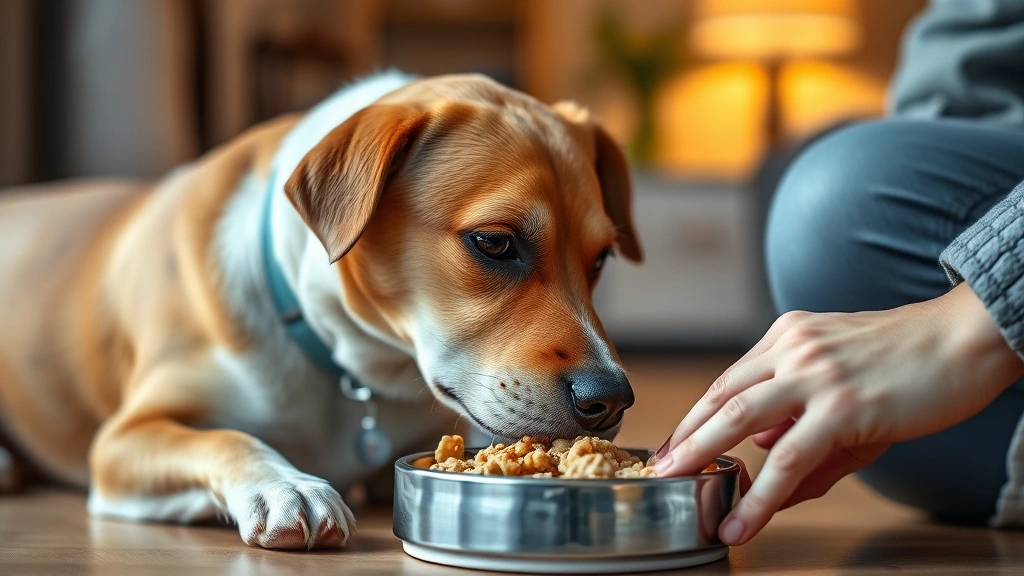
- Offer soft foods: Switch to wet food, broth-soaked kibble, or specially formulated soft diets to reduce chewing strain.
- Ensure fresh water: Keep water bowls accessible and consider adding water to meals to increase hydration.
- Apply warm compresses: Gently apply a warm, damp cloth to swollen areas for 10-15 minutes several times daily to ease discomfort.
- Maintain oral hygiene: Gentle brushing or rinsing with saltwater can prevent secondary infections while glands heal.
- Monitor eating habits: Watch to ensure your dog is eating and drinking normally; report changes to your vet.
When Surgery Becomes Necessary
Some salivary gland problems require surgical intervention. If your dog has a mucocele that doesn’t respond to conservative treatment, recurrent infections, or stones that block ducts, surgery may be the best option. Surgical removal of affected glands is generally safe, as dogs have multiple glands and can function normally with fewer.
Your vet will discuss surgical risks and benefits thoroughly before recommending this step. Most dogs recover well and experience significant improvement in comfort and quality of life post-surgery.
Preventing Salivary Gland Problems
While you can’t prevent all salivary gland issues, certain habits reduce risk. Maintaining excellent dental health through regular brushing and professional cleanings prevents many oral infections that can spread to salivary glands. A balanced diet supports immune function and overall oral health.
Regular vet checkups catch early signs of gland problems before they progress. If your dog has had salivary issues before, your vet may recommend more frequent monitoring. Staying alert to changes in drooling, eating, or facial appearance helps you catch problems early.
When to Seek Emergency Care
Most salivary gland problems aren’t emergencies, but certain signs warrant urgent attention. Seek immediate care if your dog shows severe facial swelling affecting breathing, fever above 104°F, inability to swallow, or signs of shock like pale gums or weakness. If you are unsure whether your pet needs urgent care, a quick telehealth check-in with The Pet Vet can give you peace of mind—no appointment needed.
Understanding Your Dog’s Recovery Timeline
Recovery from salivary gland problems varies by cause and severity. Mild inflammation may improve within 1-2 weeks with antibiotics and supportive care. More serious cases or those requiring surgery may take 4-6 weeks for full recovery. Your vet will provide a timeline specific to your dog’s situation.
During recovery, patience and consistent care matter. Some dogs experience temporary setbacks, especially if they’re stressed or skip medications. Staying in close contact with your vet helps you adjust treatment if needed.
Related Oral Health Concerns
Salivary gland problems often coexist with other mouth issues. Gum disease in dogs frequently accompanies salivary gland inflammation, as both involve oral bacteria. Similarly, mouth ulcers in dogs can develop when salivary glands aren’t protecting tissues properly. Addressing these related conditions together improves overall outcomes.
Some dogs with salivary problems also experience vomiting in dogs due to difficulty swallowing or secondary infections. Your vet will evaluate your dog’s complete oral and digestive health. If nausea becomes an issue during treatment, dog anti-nausea medication can help your pup eat comfortably while recovering.
Summary: Taking Action for Your Dog’s Salivary Health
Salivary gland problems in dogs are treatable, especially when caught early. By recognizing symptoms, seeking prompt veterinary care, and following through with prescribed medications and supportive care, most dogs recover well and return to normal eating and comfort levels. Your attention to changes in your dog’s behavior and appearance is the first line of defense.
Remember: Your dog depends on you to notice when something’s off. Trust your instincts, and don’t hesitate to reach out to your vet with concerns. Early intervention often means simpler treatment and faster recovery.
Frequently Asked Questions
Can salivary gland problems in dogs go away on their own?
Mild cases may improve with rest and hydration, but most require veterinary treatment. Infections and blockages typically worsen without intervention.
Are salivary gland problems contagious between dogs?
Most salivary gland issues aren’t contagious. However, if a bacterial or fungal infection is present, good hygiene practices prevent spread.
How much does treatment for salivary gland problems cost?
Costs vary widely depending on diagnosis and treatment type—from $200-500 for medication management to $1,500-3,500 for surgery. Your vet can provide estimates.
Will my dog need medication forever?
Most dogs complete treatment within weeks to months. Chronic conditions like xerostomia may require long-term management, but many cases resolve completely.
Can diet affect salivary gland health?
Yes. Proper nutrition supports immune function and oral health. Soft foods during treatment prevent strain on affected glands.
What To Do Now
- Schedule a vet appointment: If you’ve noticed excessive drooling, facial swelling, or eating difficulties, book an exam with your veterinarian or use The Pet Vet telehealth for a quick initial assessment.
- Document symptoms: Write down when symptoms started, what you’ve observed, and any changes in behavior or eating habits to share with your vet.
- Prepare for home care: Stock soft foods, warm compress supplies, and fresh water bowls in anticipation of your vet’s recommendations.
- Follow medication instructions carefully: Once prescribed, administer all medications exactly as directed and complete the full course even if your dog seems better.
- Schedule a follow-up: Plan a recheck appointment with your vet to confirm improvement and adjust treatment if needed.