
If your senior cat is moving slower, spending more time curled up in one spot, or wincing when they jump, senior cat heating pads might be exactly what they need to feel more comfortable. As cats age, arthritis and joint stiffness become increasingly common, and the soothing warmth of a heating pad can provide real relief without medication.
Table of Contents
- Why Senior Cats Benefit From Heating Pads
- Understanding Arthritis in Aging Felines
- The Science Behind Heat Therapy for Cats
- Key Features to Look for in Senior Cat Heating Pads
- Top Heating Pad Options for Senior Cats
- Safety Considerations for Your Senior Cat
- Combining Heating Pads With Other Senior Cat Care
- Common Concerns About Heating Pad Use
- Signs Your Senior Cat Needs a Heating Pad
- What to Do Now: Action Steps for Your Senior Cat
- Frequently Asked Questions
- Summary: Comfort and Care for Your Aging Feline
This article is for informational purposes only and is not a substitute for professional veterinary advice. Always consult a licensed veterinarian for diagnosis and treatment.
Watching your beloved feline companion struggle with the aches and pains of aging is heartbreaking. The good news? Heating pads designed for senior cats offer a simple, drug-free way to ease discomfort and help your cat enjoy their golden years with more mobility and happiness. In this guide, we’ll explore the best options available and help you choose the perfect one for your pet.
Why Senior Cats Benefit From Heating Pads
As cats age, their bodies undergo natural changes. Muscles lose elasticity, joints become stiffer, and conditions like arthritis become more prevalent. Heat therapy works by increasing blood circulation to affected areas, reducing muscle tension, and providing comfort similar to what a cat naturally seeks when they curl up in sunny windowsills.
Senior cats instinctively seek warmth because it feels good on their aging joints. A quality heating pad mimics this natural comfort and can significantly improve their quality of life. Many pet owners report that their older cats become more active and playful after regular use of heating pads.
Understanding Arthritis in Aging Felines
Feline arthritis is one of the most common conditions affecting senior cats, yet many owners don’t realize their cat is experiencing pain. Cats are naturally stoic animals and hide discomfort well. Signs may include reluctance to jump, stiffness after rest, or behavioral changes like increased irritability.
Catching these early signs puts you in a great position to help. By combining heat therapy with other supportive care—like the nutritional strategies discussed in our feline kidney support diet guide—you can create a comprehensive wellness plan for your aging cat.
The Science Behind Heat Therapy for Cats
Heat therapy isn’t just comforting; it’s backed by veterinary science. Warmth increases blood flow, which delivers oxygen and nutrients to tissues while removing metabolic waste. This process reduces inflammation and promotes healing at the cellular level.
Additionally, heat activates sensory receptors in the skin that can help block pain signals from reaching the brain—a principle known as the “gate control theory of pain.” For senior cats experiencing joint stiffness, this dual benefit makes heating pads an excellent non-pharmaceutical option.
Key Features to Look for in Senior Cat Heating Pads
Not all heating pads are created equal. When shopping for your senior cat, prioritize these essential features:
- Temperature Control: Look for pads with adjustable settings so you can find your cat’s comfort zone without risk of overheating.
- Safety Certification: Choose pads that are UL-certified and designed specifically for pets to avoid electrical hazards.
- Soft, Washable Covers: Older cats appreciate comfort, and removable covers make cleaning easy.
- Appropriate Size: A pad large enough for your cat to stretch out on, but not so large it takes up their entire sleeping space.
- Chew-Resistant Wiring: Even though senior cats are less likely to chew, durability matters.
- Auto-Shutoff Function: Safety features that prevent overheating are essential for peace of mind.
Top Heating Pad Options for Senior Cats
Here are seven excellent choices that pet owners and veterinarians recommend for aging felines:
1. Orthopedic Heated Pet Bed with Memory Foam
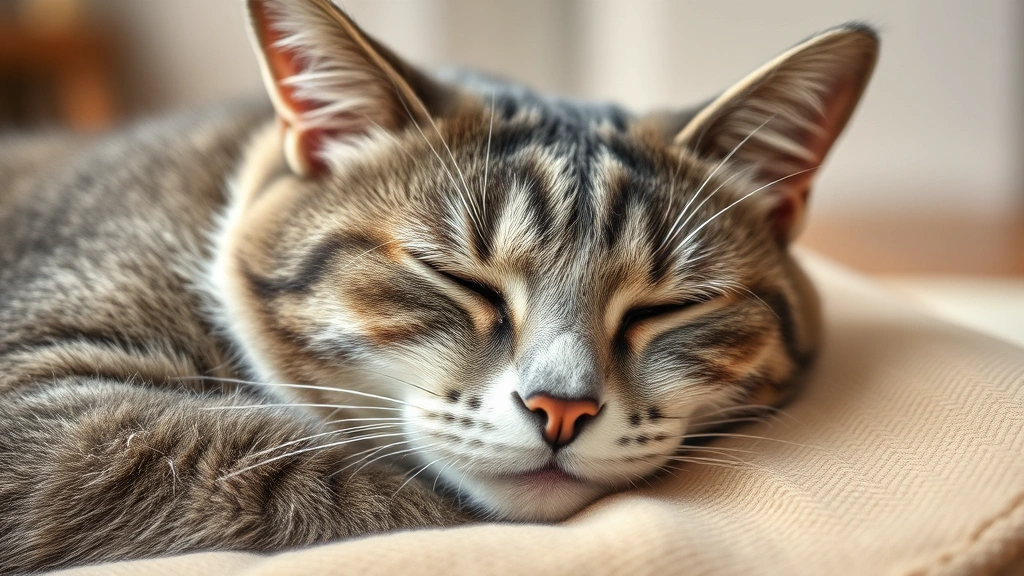
These premium options combine the benefits of heating with orthopedic support. Memory foam contours to your cat’s body, reducing pressure on arthritic joints while the built-in heating element provides consistent warmth. Many models feature removable, washable covers and multiple heat settings.
2. Under-Bed Heating Pad
Perfect for cats who prefer to rest on their favorite furniture, under-bed heating pads slip beneath blankets or bedding. They’re thin, unobtrusive, and provide gentle, even heat distribution. These work wonderfully on cat trees or window perches.
3. Microwaveable Heat Pads
For a chemical-free option, microwaveable pads heat in minutes and retain warmth for hours. They’re ideal for cats sensitive to electrical heating and offer excellent portability. Simply reheat as needed throughout the day.
4. Self-Warming Pet Beds
These innovative beds use your cat’s own body heat to generate warmth through reflective materials. No electricity required, making them completely safe and perfect for cats in any location. They’re lightweight and easy to move around.
5. Heated Cat Mats with Thermostat Control
These mats feature precise thermostat controls that maintain a consistent temperature without manual adjustment. The waterproof design makes them easy to clean, and the thin profile fits anywhere in your home.
6. Heated Pet Loungers
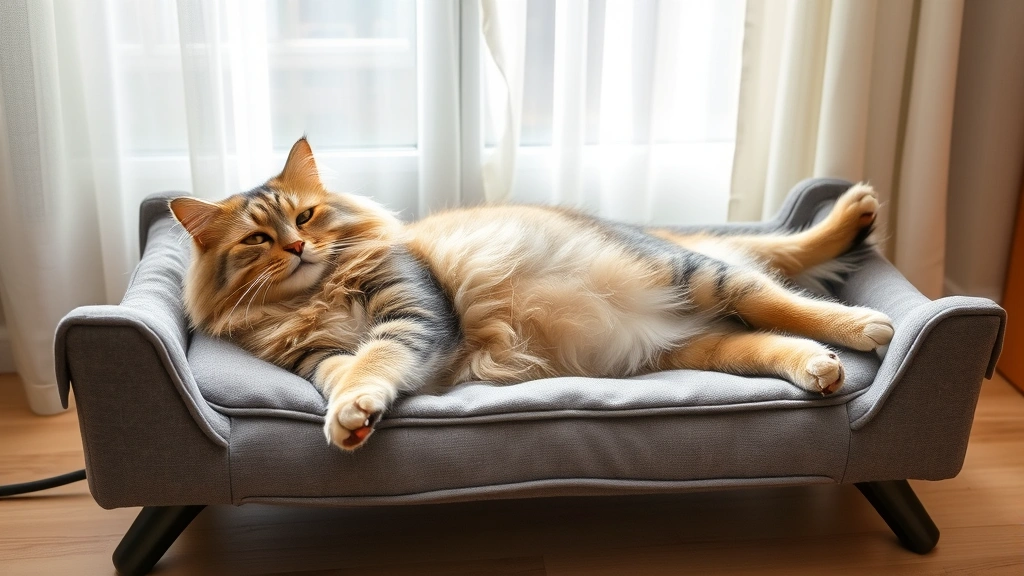
Combining a cozy lounger design with heating technology, these products give your senior cat a dedicated comfort zone. The raised edges provide security while the heating element soothes aching joints. Many include removable, machine-washable covers.
7. Infrared Heating Pads
Infrared technology penetrates deeper into tissues than traditional heating, potentially offering enhanced therapeutic benefits. These pads are particularly popular for cats with significant arthritis pain and are often recommended by veterinary professionals.
Safety Considerations for Your Senior Cat
While heating pads are generally safe, certain precautions matter. Never place a heating pad directly on your cat’s skin without a barrier—always use a blanket or cover. Monitor the first few uses to ensure your cat doesn’t overheat, and watch for signs of discomfort like excessive panting or restlessness.
Senior cats may have reduced ability to regulate body temperature, so set heating pads to medium or low settings. If your cat has diabetes, heart disease, or other chronic conditions, consult your veterinarian before introducing heat therapy. If you’re unsure whether your cat’s symptoms warrant a heating pad or if there might be an underlying condition, a quick telehealth check-in can give you peace of mind—no appointment needed.
Combining Heating Pads With Other Senior Cat Care
Heating pads work best as part of a comprehensive approach to senior cat wellness. Consider pairing heat therapy with proper nutrition, regular gentle exercise, and appropriate supplements recommended by your vet. Our guide on muscle wasting in cats provides additional strategies for maintaining your senior cat’s strength and mobility.
Environmental modifications also matter. Ensure litter boxes are easily accessible, food and water bowls are at comfortable heights, and your cat has multiple resting spots throughout your home. These adjustments, combined with heating pad therapy, create an aging-friendly environment.
Common Concerns About Heating Pad Use
Many pet owners worry about whether heating pads are truly safe for cats. The answer is yes, when used properly. Modern pet heating pads are designed with safety features like automatic shutoff and temperature regulation that prevent overheating.
Another common concern: Will my cat become dependent on the heating pad? No. Heat therapy doesn’t create dependency; it simply provides comfort. Your cat will naturally gravitate toward the pad when they need warmth and avoid it when they don’t.
Some owners also wonder if heating pads can interfere with medications. Generally, they don’t, but always mention heating pad use to your veterinarian during check-ups to ensure it complements any treatment plan.
Signs Your Senior Cat Needs a Heating Pad
If your aging cat shows any of these signs, a heating pad may provide significant relief:
- Stiffness, especially after sleeping or resting
- Reluctance to jump or climb stairs
- Limping or favoring certain limbs
- Decreased activity or increased sleeping
- Difficulty using the litter box comfortably
- Behavioral changes like increased irritability or withdrawn behavior
- Visible discomfort when moving, stretching, or grooming
If your senior cat is experiencing these symptoms, heating pads could make a real difference in their daily comfort. Consider also reviewing our article on elderly cat constipation remedies, as mobility issues and constipation often occur together in aging cats.
What to Do Now: Action Steps for Your Senior Cat
- Assess Your Cat’s Needs: Observe your senior cat for signs of joint stiffness or discomfort over the next few days. Note which times of day they seem most uncomfortable—this helps you determine when to use the heating pad most.
- Research and Select a Pad: Based on your cat’s preferences and your home setup, choose one of the seven options outlined above. Read customer reviews from other senior cat owners to see real-world results.
- Consult Your Veterinarian: Before introducing heat therapy, mention it at your cat’s next check-up. Your vet can confirm that a heating pad is appropriate for your cat’s specific health status and may suggest complementary treatments.
- Introduce the Pad Gradually: Place the heating pad in your cat’s favorite resting spot and turn it on to a low or medium setting. Allow your cat to investigate and use it at their own pace—don’t force interaction.
- Monitor and Adjust: Over the first week, watch how your cat responds. Note any changes in activity level, comfort, or behavior. Adjust the temperature setting based on your cat’s preferences and response.
Frequently Asked Questions
Can heating pads help with arthritis pain in senior cats?
Yes, heating pads can significantly reduce arthritis pain by increasing blood circulation and relaxing muscles. Many veterinarians recommend them as a complementary therapy alongside other pain management strategies.
How many hours per day should my senior cat use a heating pad?
Most cats naturally regulate their own use, moving on and off the pad as needed. Leaving it available for 4-8 hours daily is typical, though some cats benefit from longer access during particularly stiff periods.
Are heated beds or heating pads better for senior cats?
Both work well; the choice depends on your cat’s preferences and your home layout. Some cats prefer the flexibility of a pad they can move away from easily, while others enjoy the cozy structure of a heated bed.
What temperature should I set the heating pad to?
Start with low to medium settings (usually around 100-102°F) and observe your cat’s response. Most cats find these temperatures comfortable without risk of overheating. Never use high settings without veterinary guidance.
Can I use a human heating pad for my cat?
It’s not recommended. Pet-specific heating pads have safety features and temperature controls designed for animals. Human heating pads may overheat or lack proper safeguards for pet use.
Summary: Comfort and Care for Your Aging Feline
Senior cat heating pads offer a simple, effective way to ease the discomfort of aging and help your beloved companion enjoy their golden years with greater mobility and happiness. Whether you choose an orthopedic heated bed, a microwaveable pad, or an infrared option, the warmth and comfort will make a noticeable difference in your cat’s quality of life.
Remember that heating pads work best as part of a holistic approach to senior cat care that includes proper nutrition, veterinary oversight, and environmental adjustments. By taking action now to address your cat’s comfort needs, you’re giving them the gift of easier, more enjoyable days ahead.
Your senior cat has given you years of companionship and love. A heating pad is a thoughtful way to show that you’re committed to making their later years as comfortable and joyful as possible.