
A senior cat kidney diet can make a real difference in your older cat’s quality of life, and finding the right foods is one of the most powerful tools you have as a pet owner. If your senior cat has been diagnosed with kidney disease or you’re noticing subtle changes in eating habits, appetite, or water intake, you’re probably feeling concerned—and that’s completely understandable. The good news? Dietary adjustments can help slow progression and keep your furry friend feeling better for longer.
Table of Contents
- Understanding Kidney Disease in Senior Cats
- Why Diet Matters for Cats with Kidney Problems
- The 7 Best Foods for Senior Cats with Kidney Disease
- Key Nutrients to Monitor in a Senior Cat Kidney Diet
- Transitioning Your Senior Cat to a Kidney Diet
- Foods to Avoid with Kidney Disease
- Monitoring Your Cat’s Response to the Diet
- Supplements and Additional Support
- Working with Your Vet on a Personalized Plan
- Frequently Asked Questions
- Summary: Supporting Your Senior Cat’s Kidney Health
- What To Do Now
This article is for informational purposes only and is not a substitute for professional veterinary advice. Always consult a licensed veterinarian for diagnosis and treatment.
Understanding Kidney Disease in Senior Cats
Kidney disease is incredibly common in cats over age 7, affecting roughly one in three senior cats. As cats age, their kidneys naturally lose function, and this decline can accelerate into chronic kidney disease (CKD). Your cat’s kidneys filter waste from the blood, so when they’re not working optimally, harmful substances build up in the bloodstream.
The earlier you catch kidney issues, the more dietary intervention can help. Catching this early puts you in a great position to help your cat live comfortably for years to come.
Why Diet Matters for Cats with Kidney Problems
Diet is one of the few things you can directly control when managing kidney disease. The right senior cat kidney diet reduces the workload on failing kidneys by limiting phosphorus and protein while maintaining adequate nutrition. Think of it like giving your cat’s kidneys a lighter load to process.
Phosphorus is particularly important to monitor—high levels accelerate kidney damage, while controlled levels slow decline. Protein needs careful balance too: too much stresses the kidneys, but too little causes muscle wasting. This is why a kidney-specific diet, developed with veterinary input, works better than standard senior formulas.
The 7 Best Foods for Senior Cats with Kidney Disease
1. Prescription Kidney Diet Wet Foods
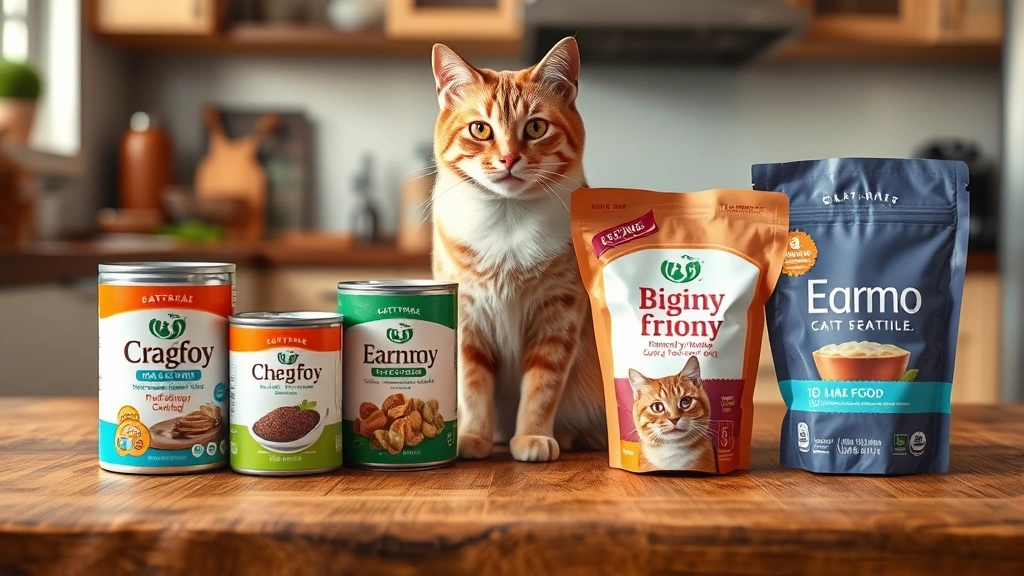
Prescription formulas like Hill’s k/d, Royal Canin Renal Support, and Purina Pro Plan Veterinary Diets NF are specifically engineered for cats with kidney disease. These contain controlled phosphorus and protein levels, plus added omega-3 fatty acids to support kidney function. Your vet can recommend the best option for your cat’s specific stage of disease.
2. High-Quality Wet Food (Kidney-Friendly Brands)
Wet food is ideal for senior cats with kidney issues because it increases hydration, which helps flush the kidneys. Look for brands like Fancy Feast Classic, Tuna & Whitfish, or other low-phosphorus options approved by your veterinarian. Wet food also tends to be more palatable for cats with reduced appetite.
3. Homemade Renal Diet (Vet-Supervised)
Some pet owners prefer preparing meals at home. A homemade renal diet can work wonderfully if formulated by a veterinary nutritionist to ensure proper nutrient balance. Never guess at recipes—incorrect ratios can worsen kidney disease. Work with your vet to get a proper prescription.
4. Low-Phosphorus Canned Fish Options
Canned fish like tuna or salmon (in water, not oil) can be part of a kidney diet when given in appropriate portions. These are highly palatable for picky eaters and provide moisture. Always check phosphorus content on labels and use as directed by your veterinarian.
5. Chicken-Based Kidney-Friendly Foods
Lean chicken is easier on kidneys than red meats. Several kidney-specific brands offer chicken formulations that are lower in phosphorus and protein. These appeal to cats who prefer poultry and can be mixed with prescription foods if your cat needs variety.
6. Broth-Based Meals and Hydration Foods
Bone broth (low-sodium, vet-approved) or hydration-focused foods increase fluid intake. Dehydration worsens kidney function, so anything that encourages drinking—like adding water to wet food or offering broths—supports kidney health.
7. Therapeutic Treats Designed for Kidney Support
Kidney-specific treats exist, though they should be limited to no more than 10% of daily calories. Brands like Virbac and Hill’s make treats formulated for renal support. These help with compliance if your cat needs medication or training.
Key Nutrients to Monitor in a Senior Cat Kidney Diet
Understanding what makes a kidney diet special helps you make informed choices. Here are the critical nutrients:
- Phosphorus: Keep below 0.4-0.6% on a dry matter basis. High phosphorus accelerates kidney decline.
- Protein: Moderate levels (8-12% dry matter) reduce nitrogen waste without causing muscle loss.
- Sodium: Lower sodium helps manage blood pressure, which protects kidneys.
- Omega-3 Fatty Acids: These reduce inflammation and support kidney function.
- Potassium: May need monitoring depending on kidney stage; work with your vet.
- Moisture: High-water foods promote hydration and kidney flushing.
Transitioning Your Senior Cat to a Kidney Diet
Cats are notoriously resistant to food changes. A slow transition—mixing new food with old over 7-10 days—helps prevent digestive upset and food refusal. Start with 25% new food, 75% old food, gradually increasing the new diet’s proportion.
If your cat refuses the new diet, try warming wet food slightly to enhance aroma, or ask your vet about appetite stimulants. Patience and persistence matter here; it may take weeks for acceptance.
Foods to Avoid with Kidney Disease
Certain foods can harm cats with kidney problems and should be eliminated:
- High-phosphorus foods (organ meats, some fish)
- High-sodium treats and human foods
- Standard senior cat foods (not formulated for kidney disease)
- Dry kibble exclusively (lacks hydration)
- Foods with excessive protein from low-quality sources
Monitoring Your Cat’s Response to the Diet
After starting a kidney diet, watch for improvements: increased energy, better appetite, less vomiting, and improved coat quality. Your vet will monitor bloodwork—specifically BUN (blood urea nitrogen) and creatinine levels—to assess kidney function over time.
Regular check-ins every 3-6 months help catch changes early. If you notice weight loss, increased lethargy, or worsening symptoms, contact your vet promptly. If you’re unsure whether your pet needs urgent care, a quick telehealth check-in can give you peace of mind—no appointment needed.
Supplements and Additional Support
Some cats benefit from supplements alongside a kidney diet. Phosphate binders, potassium supplements, or omega-3 supplements may be recommended by your vet based on bloodwork. Never add supplements without veterinary guidance, as imbalances can worsen kidney disease.
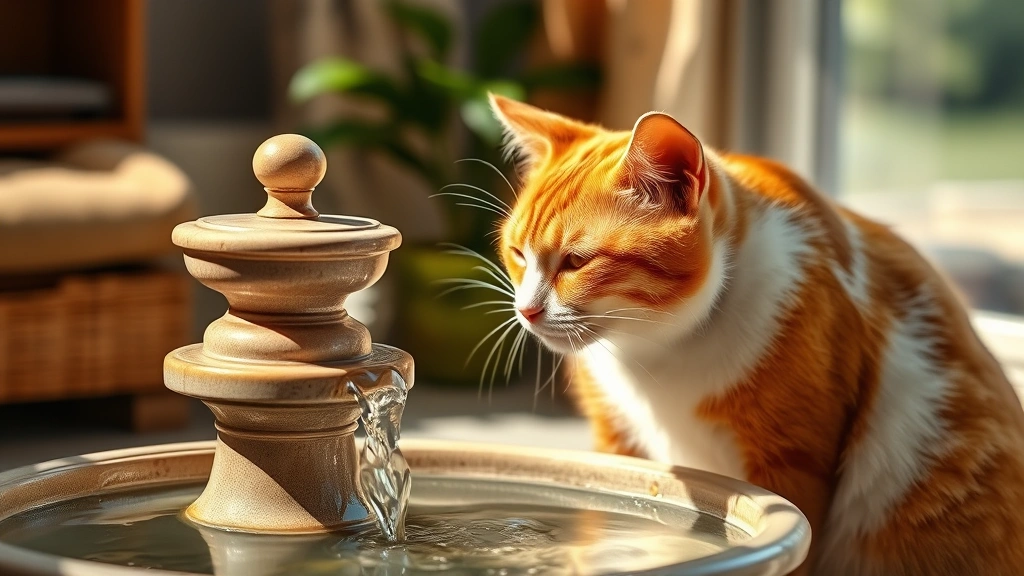
Ensure your senior cat has constant access to fresh water. Some cats drink more from fountains or running water sources, so offering multiple water stations encourages hydration—essential for kidney health.
Working with Your Vet on a Personalized Plan
Every cat’s kidney disease progresses differently. Your veterinarian will stage your cat’s CKD (stages 1-4) and recommend a diet tailored to that stage. Early-stage disease may need less aggressive dietary restriction than advanced disease.
Don’t hesitate to ask your vet about urinary health cat food options or homemade renal diet recipes if you want alternatives to prescription brands. Your vet may also recommend a board-certified veterinary nutritionist for complex cases.
Frequently Asked Questions
Can a kidney diet reverse kidney disease in cats?
No, kidney disease cannot be reversed, but a proper diet can slow progression significantly and improve quality of life. Early intervention makes the biggest difference.
How long do cats live with kidney disease on a proper diet?
This varies widely depending on disease stage at diagnosis and individual factors. Some cats live years comfortably with dietary management; your vet can give you realistic expectations.
Is prescription kidney food necessary, or can I use regular senior cat food?
Prescription kidney diets are specifically formulated to reduce phosphorus and protein—regular senior foods don’t meet these requirements and won’t provide the same benefit.
What if my cat refuses the kidney diet?
Work with your vet on slow transitions, warming food, or mixing with flavored broths. Some cats need appetite stimulants or different food brands to adjust.
Should I give my cat treats while on a kidney diet?
Yes, but limit treats to 10% of daily calories and choose kidney-specific options. Regular treats can disrupt the careful nutrient balance.
Summary: Supporting Your Senior Cat’s Kidney Health
A senior cat kidney diet is one of the most effective tools for managing feline kidney disease. By choosing the right foods—prescription formulas, high-quality wet foods, or vet-supervised homemade options—you’re directly supporting your cat’s kidney function and overall comfort.
Focus on controlled phosphorus and protein, increase hydration through wet food, and work closely with your veterinarian to monitor progress. Every cat responds individually, so patience and personalization matter.
Your senior cat is counting on you, and the effort you put into dietary management pays dividends in quality time together. Start the conversation with your vet today about the best kidney diet for your cat’s specific needs.
What To Do Now
- Schedule a veterinary appointment to confirm kidney disease stage and get a personalized diet recommendation for your senior cat.
- Ask your vet for a list of approved kidney-friendly foods and prescription options, then research 2-3 that match your cat’s preferences.
- Begin a slow 7-10 day food transition, mixing the new kidney diet with your cat’s current food to prevent refusal and digestive upset.
- Set up a feeding schedule and monitor your cat daily for changes in appetite, energy, and symptoms—keep notes to share with your vet.
- Book a follow-up bloodwork appointment in 4-6 weeks to assess how your cat’s kidneys are responding to the new diet.