
If you’re trying to decide between a Seresto flea tick collar for dogs and other flea and tick prevention options, you’re not alone—this is one of the most common questions pet parents ask their vets. Fleas and ticks aren’t just annoying; they can carry serious diseases that affect your dog’s health, so choosing the right prevention method matters.
Table of Contents
- What Is the Seresto Flea Tick Collar?
- How Seresto Compares to Topical Treatments
- Oral Flea and Tick Prevention: A Modern Alternative
- Injectable Flea and Tick Prevention
- Natural and Over-the-Counter Alternatives
- Potential Side Effects and Safety Considerations
- Choosing the Right Prevention Method for Your Dog
- Cost Comparison: Is Seresto Worth It?
- What Veterinarians Say About Seresto vs. Alternatives
- Frequently Asked Questions
- What To Do Now
- Summary
This article is for informational purposes only and is not a substitute for professional veterinary advice. Always consult a licensed veterinarian for diagnosis and treatment.
The good news? You have several effective options to protect your furry friend. Let’s explore how the Seresto collar stacks up against other popular flea and tick prevention methods so you can make an informed decision for your dog.
What Is the Seresto Flea Tick Collar?
The Seresto collar is a wearable flea and tick prevention device that releases active ingredients over an extended period. It’s designed to protect dogs from fleas, ticks, and sometimes mosquitoes for up to eight months with a single collar.

The collar works by creating a gas and vapor barrier around your dog’s head and neck, which repels and kills parasites. Many pet owners appreciate the long-lasting protection without monthly applications or injections.
How Seresto Compares to Topical Treatments
Topical treatments—often called “spot-on” products—are applied directly to your dog’s skin, usually between the shoulder blades. Brands like Advantage, Frontline, and NexGard Plus offer monthly or bi-monthly protection.
Key differences:

- Application frequency: Seresto lasts up to 8 months; topicals require monthly reapplication
- Ease of use: Collar goes on once; topicals need monthly reminders
- Coverage: Topicals protect the entire body; Seresto’s protection is strongest near the neck and head
- Cost: Seresto may be more economical long-term, but topicals offer flexibility
If you struggle to remember monthly applications or prefer a “set it and forget it” approach, the Seresto collar might appeal to you. However, topical treatments often provide more comprehensive body coverage and faster-acting results.
Oral Flea and Tick Prevention: A Modern Alternative
Oral medications like Simparica, Bravecto, and NexGard have revolutionized flea and tick prevention. These tablets or chews are given by mouth and work systemically throughout your dog’s body.
Advantages of oral prevention:

- Fast-acting (some kill fleas within 30 minutes)
- Comprehensive body protection
- No bathing or swimming restrictions
- Easy to administer for dogs that like treats
- Options range from monthly to every three months
The main drawback? You need to remember to give them regularly, and some dogs are pickier about taking pills. Cost can also be higher than Seresto for some formulations.
Injectable Flea and Tick Prevention
Your veterinarian can administer injectable flea and tick prevention, such as Program or Capstar, which provides protection for several months. These injections offer convenience similar to the Seresto collar but require a vet visit.
When injections make sense:

- Your dog won’t tolerate collars or oral medications
- You prefer professional administration
- You want guaranteed compliance
- Your dog has a history of skin sensitivity to collars
Injectable options are less common than collars or oral treatments, but they’re worth discussing with your veterinarian if other methods haven’t worked for your dog.
Natural and Over-the-Counter Alternatives
Some pet owners prefer natural flea and tick prevention options like essential oil sprays, diatomaceous earth, or herbal collars. While these appeal to many, their effectiveness varies significantly compared to prescription options.
Most veterinarians recommend prescription-strength prevention because it’s been rigorously tested for safety and efficacy. Natural alternatives may provide supplementary protection but shouldn’t be your dog’s only defense against fleas and ticks, especially in high-risk areas.
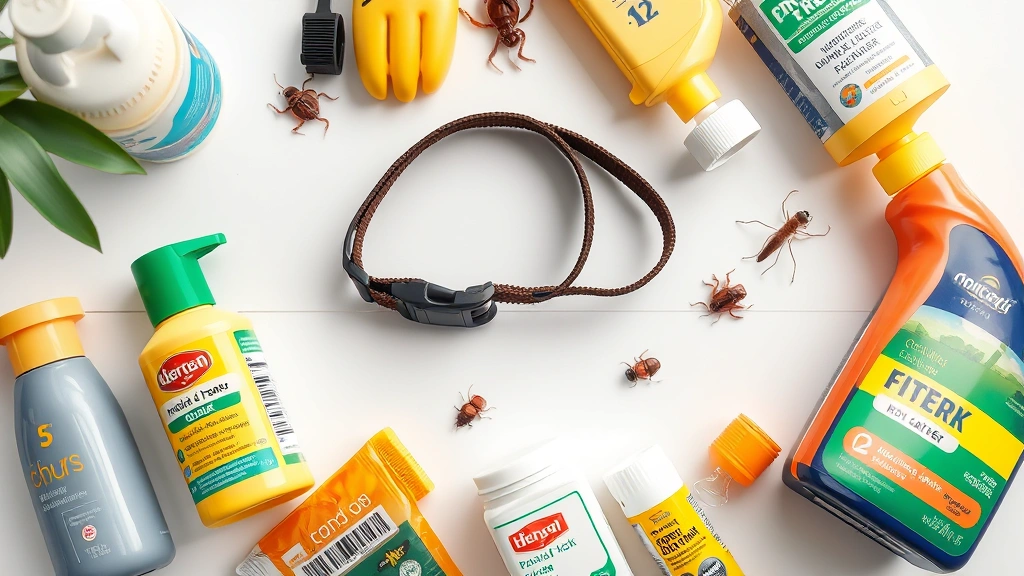
If you’re interested in natural options, discuss them with your vet to ensure they won’t interfere with other treatments your dog receives.
Potential Side Effects and Safety Considerations
All flea and tick prevention methods carry some risk of side effects, though serious reactions are uncommon. With the Seresto collar, some dogs may experience localized skin irritation where the collar sits, or mild behavioral changes.
Topical treatments might cause temporary skin irritation at the application site. Oral medications can occasionally cause mild gastrointestinal upset or lethargy. Catching any unusual reactions early puts you in a great position to help your dog—simply contact your vet if you notice anything concerning.
Dogs with certain health conditions, such as seizure disorders or severe allergies, may need special consideration when choosing flea and tick prevention. Always inform your veterinarian about your dog’s complete health history.
Choosing the Right Prevention Method for Your Dog
The best flea and tick prevention depends on several factors:
- Your dog’s lifestyle: Indoor-only dogs may need less aggressive prevention than outdoor adventurers
- Your climate: Warmer regions with year-round flea seasons may benefit from longer-lasting options
- Your dog’s preferences: Some dogs tolerate collars poorly; others resist pills
- Your schedule: Monthly treatments require consistency; longer-lasting options reduce that burden
- Your budget: Calculate annual costs across options
- Your dog’s health status: Certain medications work better for dogs with specific conditions
Rather than assuming one method is universally “best,” think about what works best for your unique situation and your dog’s individual needs.
Cost Comparison: Is Seresto Worth It?
The Seresto collar typically costs between $40 and $60 per collar, with each lasting eight months. Over a year, you’d need approximately 1.5 collars, bringing annual costs to roughly $60–$90.
Topical treatments average $15–$25 per month, or $180–$300 annually. Oral medications range from $20–$40 per dose, totaling $240–$480 yearly depending on the frequency.
From a purely financial perspective, Seresto may be more economical. However, factor in convenience, effectiveness for your specific dog, and your vet’s recommendation when making your final decision.

What Veterinarians Say About Seresto vs. Alternatives
Most veterinarians consider Seresto a legitimate prevention option, though many prefer topical or oral treatments for comprehensive body coverage. The American Veterinary Medical Association (AVMA) recognizes multiple prevention methods as effective when used correctly.
Your vet’s recommendation should be your primary guide. They understand your dog’s health history, your local parasite prevalence, and which method aligns best with your dog’s specific needs. If you’re unsure whether your pet needs a particular prevention method or which option suits them best, a quick telehealth check-in with a veterinarian can give you peace of mind—no appointment needed.
Frequently Asked Questions
Can I use Seresto alongside other flea and tick prevention?
No—combining multiple flea and tick prevention methods can lead to overdosing and serious side effects. Use only one prevention method at a time, and always consult your vet before switching products.

How long does the Seresto collar actually last?
Seresto collars are designed to provide protection for up to eight months. However, effectiveness may decrease if the collar gets wet frequently or is removed for extended periods.
Is Seresto safe for puppies?
Seresto has age and weight restrictions. Most formulations are approved for puppies eight weeks and older, but always check the label and confirm with your vet before using on young dogs.
What should I do if my dog shows a reaction to any flea prevention?
Remove the product immediately and contact your veterinarian. Describe the symptoms you’ve observed so your vet can recommend a safer alternative that works for your dog.
Do I still need heartworm prevention if I use flea and tick prevention?
Yes—flea and tick prevention does not protect against heartworms. Heartworm prevention is a separate treatment your dog needs year-round in most climates. Discuss a complete parasite prevention plan with your vet.
What To Do Now
- Schedule a veterinary consultation: Before switching or starting any flea and tick prevention, discuss your dog’s lifestyle, health history, and your preferences with your vet to identify the best option.
- Compare costs and convenience: Calculate the annual expense of each method and consider how each fits into your routine—monthly reminders, collar changes, or pill administration.
- Start prevention before flea season: Don’t wait until you spot fleas or ticks on your dog. Begin prevention in early spring or year-round, depending on your climate.
- Monitor your dog closely: After starting any new prevention method, watch for unusual behavior, skin irritation, or other side effects for the first few weeks.
- Keep records: Document when you apply or administer flea and tick prevention to ensure you never miss a dose and can track what works best for your dog.
Summary
The Seresto flea tick collar for dogs offers a convenient, long-lasting prevention option that works well for many pet owners. However, it’s not automatically the best choice for every dog. Topical treatments, oral medications, and injectable options each have distinct advantages depending on your dog’s needs, your lifestyle, and your budget.
The most important step is consulting with your veterinarian to develop a personalized parasite prevention plan. Your vet can weigh the pros and cons of each method for your specific dog and recommend the safest, most effective option. With the right prevention strategy in place, you can help keep your furry friend healthy and protected from fleas, ticks, and the diseases they carry.