
If your dog is suddenly reluctant to jump, yelping in pain, or dragging their back legs, you might be dealing with a slipped disc in dogs—a condition that can range from mildly uncomfortable to seriously limiting. Finding out your beloved companion has a slipped disc can feel overwhelming, but understanding what’s happening and knowing your treatment options puts you in the best position to help them recover.
Table of Contents
- What Is a Slipped Disc in Dogs?
- Common Signs Your Dog May Have a Slipped Disc
- Which Dogs Are at Higher Risk?
- How Vets Diagnose a Slipped Disc
- Conservative Treatment Options for Mild to Moderate Cases
- Surgical Treatment for Severe Cases
- Managing Pain and Inflammation
- Related Conditions That Mimic Slipped Disc Symptoms
- Long-Term Management and Prevention
- When to Seek Emergency Care
- Getting Support: When to Consider Telehealth
- Frequently Asked Questions
- What To Do Now
- Summary: Managing Your Dog’s Slipped Disc
This article is for informational purposes only and is not a substitute for professional veterinary advice. Always consult a licensed veterinarian for diagnosis and treatment.
What Is a Slipped Disc in Dogs?
A slipped disc, medically called intervertebral disc disease (IVDD), happens when one of the cushioning discs between your dog’s spine vertebrae ruptures or herniates. Think of these discs as shock absorbers that sit between each bone in the spine. When a disc slips out of place, it can press on the spinal cord and cause pain, weakness, or even paralysis.
The severity depends on how much the disc has bulged and where it’s located along the spine. Some dogs experience mild discomfort that improves with rest, while others face more serious neurological signs. Catching this early puts you in a great position to help your dog recover and prevent further damage.
Common Signs Your Dog May Have a Slipped Disc
Your dog can’t tell you exactly what hurts, so it’s important to recognize the warning signs. Here’s what to watch for:
- Back or neck pain – Your dog may cry out, arch their back, or seem stiff when moving
- Reluctance to jump or climb stairs – They may avoid activities they once enjoyed
- Limping or dragging limbs – Particularly noticeable in the hind legs
- Loss of bladder or bowel control – A sign of more severe spinal cord compression
- Muscle weakness or trembling – Your dog may struggle to stand or walk normally
- Hunched posture – They hold their body differently to protect the painful area
- Reluctance to move or play – General lethargy and withdrawal from normal activities
If you notice any of these signs, don’t panic—many dogs recover well with appropriate care. Schedule a veterinary exam as soon as possible to get a proper diagnosis.
Which Dogs Are at Higher Risk?
Certain breeds and body types are more prone to slipped discs. Dogs with long backs and short legs—like Dachshunds, Basset Hounds, and Corgis—face higher risk because their spine structure puts extra stress on the discs. However, any dog can develop IVDD, regardless of breed.
Age also plays a role. Middle-aged and senior dogs are more likely to experience disc problems as their spinal discs naturally degenerate over time. Overweight dogs face increased risk too, since extra weight puts additional pressure on the spine.
How Vets Diagnose a Slipped Disc
Your veterinarian will start with a physical exam, checking your dog’s reflexes, strength, and pain response. They may gently manipulate the spine to pinpoint where the problem is. From there, imaging is usually needed to confirm the diagnosis.
X-rays can show some disc problems, but MRI or CT scans are more detailed and often necessary for a complete picture. These advanced imaging techniques allow your vet to see exactly where the disc is pressing on the spinal cord. In some cases, your vet may recommend a myelogram, where contrast dye is injected around the spinal cord before imaging.
Conservative Treatment Options for Mild to Moderate Cases
Many dogs with mild to moderate slipped discs improve significantly with conservative (non-surgical) treatment. This approach focuses on reducing inflammation, managing pain, and giving the spine time to heal.
Rest and activity restriction is the foundation of recovery. Your dog needs strict cage rest for several weeks—no jumping, running, or rough play. Think of it as giving the injured disc time to settle back into place or for scar tissue to stabilize the area.
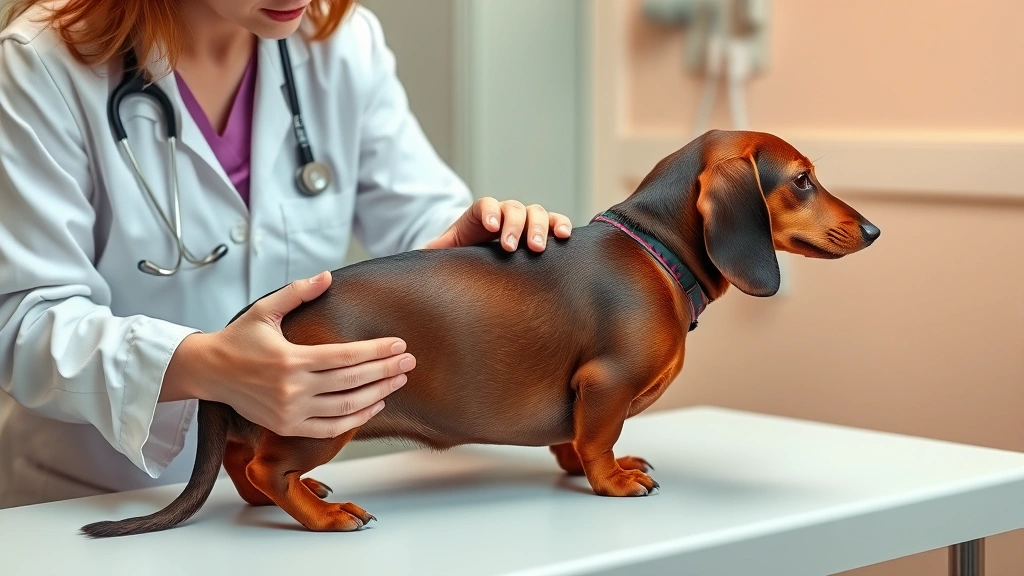
Pain management medications help your dog feel more comfortable while healing occurs. Your vet may recommend nonsteroidal anti-inflammatory drugs (NSAIDs) to reduce swelling and pain. Other pain relief options might include muscle relaxants to ease spasms or medications that support nerve function. The specific choice depends on your dog’s individual situation and any other health conditions they may have.
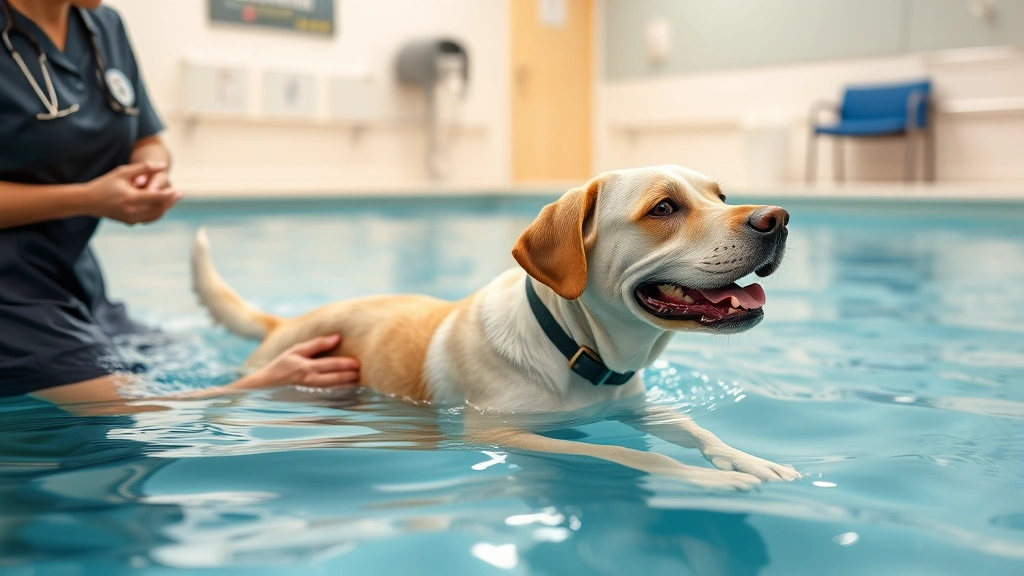
Physical therapy and rehabilitation can speed recovery once acute pain subsides. A certified canine rehabilitation therapist can guide gentle exercises that strengthen supporting muscles without stressing the healing disc. Underwater treadmill therapy is particularly beneficial because the water supports your dog’s weight while allowing controlled movement.
Weight management is crucial too. If your dog is overweight, your vet may recommend a controlled diet to reduce stress on the spine. Our low fat dog recipes can help support healthy weight during recovery.
Surgical Treatment for Severe Cases
If your dog isn’t improving with conservative care, or if they’re showing signs of significant spinal cord damage (like paralysis or loss of bladder control), surgery may be necessary. A procedure called a hemilaminectomy or fenestration removes bone and disc material pressing on the spinal cord, relieving pressure and allowing the cord to heal.
Surgery offers the best chance for recovery in severe cases, but it’s not without risks. Your vet will discuss whether your dog is a good surgical candidate based on their age, overall health, and how long symptoms have been present. Generally, dogs that undergo surgery sooner after symptom onset have better outcomes.
Managing Pain and Inflammation
Effective pain management is essential for your dog’s comfort and recovery. Beyond medications, several strategies can help:
- Create a comfortable resting space – Use orthopedic bedding that supports the spine and reduces pressure points
- Apply heat therapy – Warm compresses (not too hot!) can ease muscle tension and improve circulation
- Use supportive harnesses – Special harnesses can help distribute weight more evenly and reduce strain on the affected area
- Consider supplements – Glucosamine and omega-3 fatty acids may support joint and disc health, though discuss these with your vet first
- Maintain a calm environment – Stress can worsen pain, so keep your dog’s space quiet and predictable
Your veterinarian might also discuss other pain management options like acupuncture or laser therapy, which some pet owners find helpful alongside conventional treatment.
Related Conditions That Mimic Slipped Disc Symptoms
Sometimes other conditions can look like a slipped disc. Canine vestibular disease causes balance problems and can seem like spinal issues. Senior dog anxiety might make your older dog reluctant to move, which you could mistake for pain.
Conditions like pancreatitis in dogs can also cause a hunched posture and reluctance to move. This is why a proper veterinary diagnosis is so important—treating the wrong condition wastes precious time your dog could spend recovering.
Long-Term Management and Prevention
Once your dog has recovered from a slipped disc, preventing future episodes is key. Here’s what you can do:
- Maintain a healthy weight – Extra pounds put unnecessary stress on the spine
- Avoid high-impact activities – Minimize jumping and rough play, especially for predisposed breeds
- Use ramps or stairs – Help your dog get on and off furniture without jumping
- Practice regular, gentle exercise – Short walks and swimming are excellent for maintaining muscle support
- Consider supportive supplements – Talk to your vet about ongoing joint support
- Keep your dog’s environment safe – Remove tripping hazards and slippery surfaces
Many dogs that experience one slipped disc are at risk for another, so these preventive measures become part of your long-term care routine.
When to Seek Emergency Care
Most slipped disc cases benefit from prompt veterinary attention, but some situations need immediate emergency care. If your dog suddenly loses the ability to walk, loses bladder or bowel control, or shows signs of severe pain, get them to an emergency clinic right away.
These signs suggest significant spinal cord compression that requires urgent intervention. The window for optimal surgical outcomes is often measured in hours, so don’t delay if you notice these red flags.
Getting Support: When to Consider Telehealth
If you’re unsure whether your dog needs urgent care or want a second opinion on treatment options, a quick telehealth check-in can give you peace of mind—no appointment needed. A veterinarian can review your dog’s symptoms and help you decide the next best step, whether that’s an emergency visit or scheduling a full diagnostic workup at your regular clinic.
Telehealth is particularly helpful for follow-up questions during recovery or when you need guidance on pain management between veterinary visits.
Frequently Asked Questions
Can a slipped disc in dogs heal on its own?
Mild cases often improve significantly with rest and conservative treatment, though complete healing takes time. Severe cases with neurological signs typically require veterinary intervention to prevent permanent damage.
How long does recovery from a slipped disc take?
Most dogs show improvement within 2-4 weeks of starting treatment, but full recovery can take 6-12 weeks or longer. Surgical cases may have a slightly faster timeline, though rehabilitation is still essential.
Will my dog be able to play normally again?
Many dogs return to normal activity after recovery, though those prone to IVDD may need lifelong activity restrictions to prevent recurrence. Your vet can guide what’s safe for your individual dog.
Are there any long-term effects of a slipped disc?
Some dogs experience chronic pain or mild weakness even after recovery. Others recover completely with no lasting issues, depending on severity and how quickly treatment began.
What’s the difference between IVDD and other spinal problems?
IVDD specifically refers to intervertebral disc disease, while other spinal issues might involve bone problems, ligament injuries, or other conditions. Proper imaging helps your vet distinguish between them.
What To Do Now
- Schedule a veterinary exam – If you notice any signs of spinal pain or weakness, contact your vet to arrange a physical examination and discuss next steps
- Document your dog’s symptoms – Keep notes on when symptoms started, what activities trigger pain, and how your dog’s movement has changed—this helps your vet tremendously
- Prepare your home for recovery – Set up a comfortable resting area with orthopedic bedding, install ramps if needed, and plan for activity restriction before your vet appointment
- Ask about imaging and treatment options – During your visit, ask your vet whether imaging is recommended and what treatment approach they suggest for your dog’s specific situation
- Discuss pain management strategies – Talk with your vet about all available pain relief options and create a comprehensive management plan tailored to your dog’s needs
Summary: Managing Your Dog’s Slipped Disc
A slipped disc in dogs can be frightening, but it’s far from hopeless. Many dogs recover well with appropriate treatment, whether that’s conservative care with rest and medications or surgical intervention in more severe cases. The key is catching the problem early and working closely with your veterinarian to develop a treatment plan suited to your dog’s unique situation.
Throughout recovery, remember that patience and consistency matter. Stick to activity restrictions, follow your vet’s recommendations, and don’t rush the healing process. Your dog is counting on you, and with proper care, they have an excellent chance of returning to a comfortable, active life.
If you have questions about your dog’s symptoms or need guidance on whether to seek immediate care, don’t hesitate to reach out to your veterinarian or consider a telehealth consultation for quick reassurance.