
Overview
The timing of your dog’s medication relative to their meals significantly impacts how well the medication absorbs and works, with some medications requiring food while others need an empty stomach. Understanding your dog’s digestive system, feeding schedule, and individual factors like age, size, and health status is essential to ensuring medications are administered effectively and safely.
Table of Contents
- How Your Dog’s Digestive System Affects Medication Timing
- Feeding Schedules by Life Stage — and What That Means for Medication
- Medications That Work Best With Food
- Medications That Need an Empty Stomach
- Illness, Surgery, and Recovery: Adjusting the Routine
- Common Mistakes That Can Reduce How Well Medication Works
- What To Do Right Now
- Practical Tips for Staying on Top of Your Dog’s Medication Schedule
- Conclusion
- Frequently Asked Questions
If you have ever stood in your kitchen holding a pill and wondering whether to give it before or after your dog’s meal, you are not alone. It is a genuinely confusing situation — and the timing does matter more than most people realise. Getting it right can make a real difference to how well the medication works for your dog.
This article is for informational purposes only and is not a substitute for professional veterinary advice. Always consult a licensed veterinarian for diagnosis and treatment.
When medications are given at the wrong time relative to meals, they may not absorb properly. They could also cause stomach upset, or may not reach the levels needed to be effective. This guide will help you understand the relationship between your dog’s feeding schedule and their medication — from puppyhood through to their senior years.
How Your Dog’s Digestive System Affects Medication Timing
Dogs evolved as opportunistic eaters. Their digestive systems were built to handle large meals followed by periods without food. This means scheduled meals with gaps in between suit them well.
Food typically moves from a dog’s stomach to the small intestine within four to six hours. This varies based on meal size, composition, and the individual dog. Knowing this helps you understand when your dog’s stomach is truly empty — which matters for certain medications.
Metabolism also plays a role. Smaller dogs generally process food and medications faster than larger breeds. A Chihuahua and a Great Dane may need the same medication but respond to it differently based on their size and metabolic rate.
Other factors that influence how your dog processes food and medication include:
- Age
- Activity level
- Current health status
- Breed and body size
According to the American Kennel Club, understanding your dog’s individual metabolism can help optimise both nutrition and medication effectiveness.
Feeding Schedules by Life Stage — and What That Means for Medication
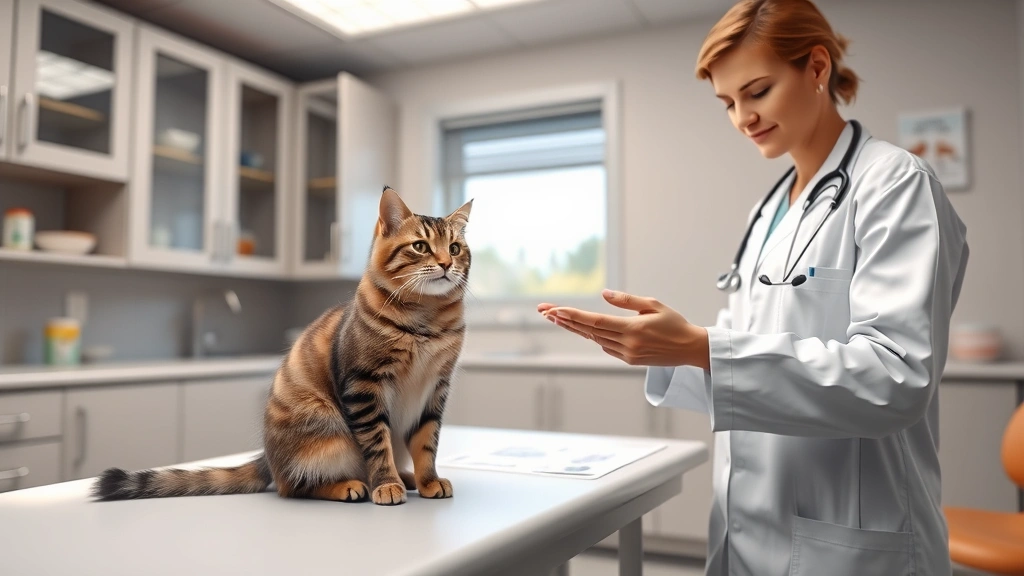
Puppies
Puppies have faster metabolic rates and smaller stomachs. Most do best with three to four meals daily until around six months of age. This frequent schedule actually makes medication easier — you have more opportunities to give medication with food.
Always check with your vet whether your puppy’s specific medication should be given with or without food. Puppies are growing quickly, and their needs may differ from adult dogs.
Adult Dogs
Most healthy adult dogs do well with two meals a day — roughly twelve hours apart. This predictable routine makes medication timing straightforward.
- Morning medications can be given with breakfast
- Evening medications can be given with dinner
- This works well for medications that should be taken with food
Senior Dogs
Older dogs may have slower digestion and are more likely to be on multiple long-term medications. Many senior dogs benefit from three smaller meals a day rather than two larger ones.
Common long-term conditions in senior dogs that may require ongoing medication include:
- Arthritis
- Heart disease
- Thyroid conditions
A consistent routine becomes especially important at this life stage. Work with your vet to build a schedule that fits your dog’s needs.
Medications That Work Best With Food
Many common dog medications should be given with a meal. This helps prevent stomach upset and, in some cases, improves how well the medication is absorbed.
Medications that are generally given with food include:
- Non-steroidal anti-inflammatory drugs (NSAIDs) — such as carprofen and meloxicam
- Corticosteroids — such as prednisone and prednisolone
- Many antibiotics — such as amoxicillin and cephalexin
- Certain antifungal medications
- Some supplements and vitamins
The amount of food needed varies by medication. Some need a full meal for proper absorption. Others work fine with just a few bites or a small treat. Your vet will advise what is appropriate for your dog’s specific prescription.
Giving medication with food also has a practical benefit — it makes hiding a pill much easier. Most dogs are happy to take medication when it is tucked inside something tasty. Just make sure your dog actually swallows the pill rather than eating around it.
Medications That Need an Empty Stomach
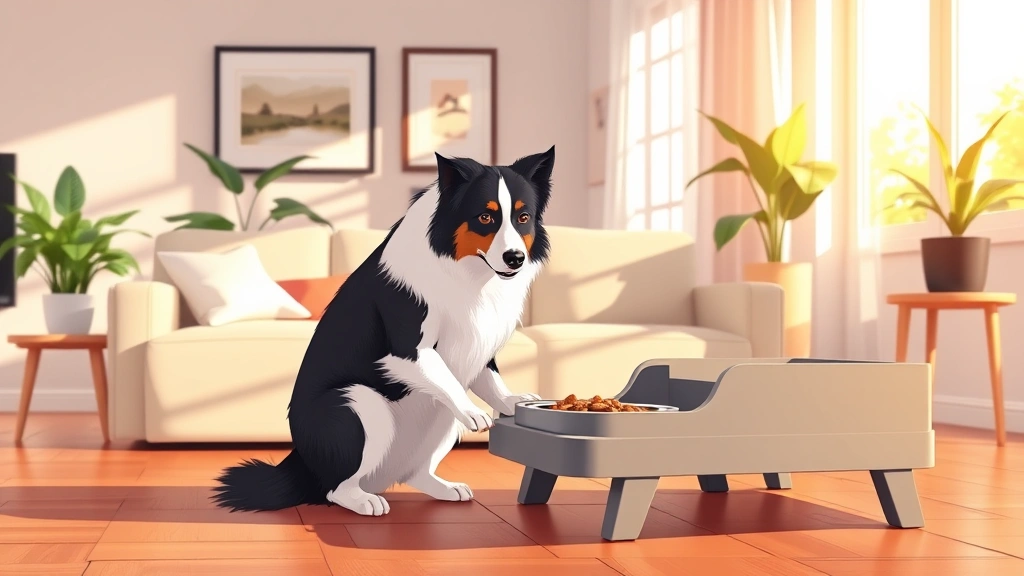
Some medications need to be given when your dog has not eaten recently. Food can interfere with how these medications are absorbed, which may make them less effective.
Medications that are typically given on an empty stomach include:
- Thyroid medications (such as levothyroxine)
- Some antibiotics (certain types)
- Certain gastrointestinal medications
- Some anti-nausea medications
For most dogs, “empty stomach” means at least two hours after eating and at least one hour before the next meal. In practice, this often means first thing in the morning before breakfast, or late at night after an early dinner.
If your dog needs both empty-stomach and with-food medications, timing becomes more important. A typical approach might look like this:
- Give the empty-stomach medication first thing in the morning
- Wait one hour, then offer breakfast with the with-food medication
- Give any remaining medications at dinner as directed
Always confirm the exact timing with your vet, as individual medications may have specific requirements.
For more detail on medication administration, visit our guide on pet care topics.
Illness, Surgery, and Recovery: Adjusting the Routine
When your dog is unwell or recovering from surgery, their normal routine often changes. Appetite may drop significantly. Yet they still need their medications — which can feel stressful to manage.
It is completely normal to feel worried during this time. Staying calm and focusing on small, manageable steps is the best thing you can do for your dog.
During illness or recovery, consider these adjustments:
- Offer smaller, more frequent meals rather than sticking to the usual schedule
- Choose highly palatable foods to encourage eating
- Try warming food slightly — this can make it more appealing
- Offer low-sodium chicken broth, plain boiled chicken, or a small amount of wet food
- Try hand-feeding if your dog ignores food in their bowl
Post-surgical care may involve several medications at once — pain relief, antibiotics, and possibly anti-nausea medication. Each may have different timing requirements. Writing out a clear schedule helps ensure nothing is missed during a stressful period.
Research published by the American Veterinary Medical Association suggests that maintaining some nutritional intake during illness supports recovery. Even small amounts of food alongside medication can help.
If your dog is on appetite stimulants, these are typically given before offering food so they have time to take effect. Your vet will advise on the exact timing for your dog’s situation.
Common Mistakes That Can Reduce How Well Medication Works
Even well-meaning pet owners can fall into habits that affect how well a medication performs. Here are the most common ones to watch for:
- Inconsistent timing. Giving medication at different times each day creates unpredictable levels in your dog’s system. Try to give it at the same time relative to meals each day.
- Assuming timing does not matter. For some medications, poor timing could significantly reduce how much is absorbed. It is worth getting this right.
- Crushing pills without checking first. Some tablets have special coatings that control how the medication is released. Crushing them can make the medication less effective or cause stomach upset. Always ask your vet before altering how you give any medication.
- Doubling up after a missed dose. If you miss a dose, do not automatically give two at once. In most cases, if the next dose is due soon, simply skip the missed one and continue as normal. If you are unsure, call your vet.
- Not telling your vet about your dog’s feeding routine. Your vet needs to know how often your dog eats to prescribe a workable schedule. Mention if your dog is a picky eater or has an unusual routine.
- Stopping medication early. Even if your dog seems better, finishing the full course is important. Stopping antibiotics early, for example, could lead to the infection returning or becoming harder to treat.
What To Do Right Now
If you are feeling unsure about your dog’s medication schedule, here are five practical steps you can take today:
- Write down all current medications. Note the name of each medication, what it is for, and the instructions your vet gave you for timing relative to meals.
- Map out your dog’s current feeding times. Write down when your dog eats each day. This gives you anchor points to build the medication schedule around.
- Set phone alarms for each medication. Label each alarm clearly — for example, “Buddy — morning tablet with breakfast.” This removes the guesswork.
- Call your vet if anything is unclear. If you are unsure whether a medication should be given with or without food, or how to handle a missed dose, a quick call to your vet clinic can give you a clear answer.
- If you are unsure whether your pet needs urgent care, a quick telehealth check-in can give you peace of mind — no appointment needed. The Pet Vet offers accessible online consultations that let you talk through your concerns with a professional from home.
Practical Tips for Staying on Top of Your Dog’s Medication Schedule
Once you have the basics in place, these strategies can help you stay consistent — especially if multiple people share care of your dog.
- Use a weekly pill organiser labelled with your dog’s name and medication times
- Keep all medications in one clearly labelled location
- Prepare each dose right before giving it to avoid confusion
- Keep a simple log or calendar to record when each dose was given
- Check storage requirements — some medications need refrigeration
- Check expiration dates regularly
For dogs who resist taking medication, try building a positive association. Offer a high-value treat immediately after the medication is taken. Some owners create a short “pill routine” — a favourite activity or a moment of extra attention right after medicine time.
When hiding pills in food, choose your vehicle carefully. Good options include:
- Pill pockets
- Plain cream cheese
- Xylitol-free peanut butter
- A small piece of cheese
Avoid hiding pills in your dog’s regular meal food — some dogs become suspicious of their normal diet if they associate it with medication.
If you have multiple dogs, separate them during medication time. Mix-ups between dogs can be serious, particularly if the medications or doses differ.
For more resources on managing your dog’s health, visit our complete collection of pet care guides.
Conclusion
Getting medication timing right is one of the most practical things you can do to support your dog’s health. Whether your dog needs medication with food, on an empty stomach, or at a specific interval, building a consistent routine around their feeding schedule makes a real difference.
Puppies, adult dogs, and senior dogs all have different needs. Special situations like illness or recovery may require extra flexibility and planning. A written schedule, phone alarms, and clear communication with your vet go a long way toward keeping everything on track.
Every dog is an individual. General guidelines provide a useful starting point, but your vet is the best person to help you tailor a feeding and medication routine to your dog’s specific needs and health conditions.
Explore our comprehensive category guides for more information on specific health conditions and medication management.
Frequently Asked Questions
How long after eating is a dog’s stomach considered empty?
A dog’s stomach is generally considered empty around two hours after eating, though full emptying can take four to six hours depending on meal size and content. For medications that need an empty stomach, waiting at least two hours after a meal and giving the medication at least one hour before the next meal is usually sufficient. Your vet can confirm what is appropriate for your dog’s specific medication.
Can I give my dog medications at the same time as their food?
It depends on the medication. Many should be given with food to reduce the chance of stomach upset. Others may need to be given on an empty stomach to be absorbed properly. Always follow your vet’s instructions for each specific medication your dog is taking.
What should I do if my dog vomits after taking medication?
Contact your vet before giving another dose. If vomiting happens within about thirty minutes of administration, the medication may not have been fully absorbed — but giving an extra dose without guidance could be harmful. Your vet may suggest giving the medication with food, trying a different formulation, or adjusting the timing.
How do I manage multiple medications with different timing requirements?
A written schedule is the most reliable approach. Map out each medication’s timing relative to meals, set phone alarms as reminders, and use a pill organiser to track doses. Some medications may need to be spaced apart even if both require food — check with your vet whether any of your dog’s medications interact or need to be given separately.
Is it better to feed my dog once or twice daily when giving medications?
For most adult dogs on medication, twice-daily feeding tends to work well. It provides two consistent anchor points for medication administration and helps reduce stomach upset. It also supports more stable energy levels throughout the day. That said, your vet may recommend a different feeding frequency depending on your dog’s age, health, and specific medications.