
If you’ve noticed swollen lymph nodes in cats, you’re probably feeling worried right now—and that’s completely understandable. Your cat’s health is everything, and discovering lumps or bumps anywhere on their body can feel alarming. The good news? Catching this early puts you in a great position to help your feline friend get the care they need.
Table of Contents
- What Are Lymph Nodes and Why Do They Swell?
- Common Signs Your Cat May Have Swollen Lymph Nodes
- Common Causes of Swollen Lymph Nodes in Cats
- How Vets Diagnose Swollen Lymph Nodes
- 7 Proven Treatment Approaches for Swollen Lymph Nodes in Cats
- Home Care and Supportive Measures
- When to Seek Immediate Veterinary Care
- Prevention: Keeping Your Cat’s Immune System Strong
- Understanding Your Cat’s Prognosis
- Frequently Asked Questions
- What To Do Now
- Summary: Moving Forward With Confidence
This article is for informational purposes only and is not a substitute for professional veterinary advice. Always consult a licensed veterinarian for diagnosis and treatment.
Swollen lymph nodes in cats can signal several different health conditions, ranging from minor infections to more serious concerns. Understanding what you’re looking at, recognizing the warning signs, and knowing when to seek help will empower you to be the best advocate for your cat’s wellbeing.
What Are Lymph Nodes and Why Do They Swell?
Lymph nodes are small, bean-shaped structures scattered throughout your cat’s body that are part of their immune system. They act as filters, trapping bacteria, viruses, and other harmful particles. When your cat’s body is fighting off an infection or dealing with inflammation, these nodes can become enlarged as they work overtime.
Think of them as your cat’s internal alarm system. When they swell, it’s their body’s way of saying “something needs attention here.” The swelling itself isn’t the problem—it’s your cat’s immune response doing its job. However, the underlying cause is what matters most.
Common Signs Your Cat May Have Swollen Lymph Nodes
Swollen lymph nodes in cats don’t always announce themselves loudly. Sometimes the signs are subtle, which is why knowing what to look for is crucial. Your cat might be experiencing discomfort without showing obvious pain.
Here are the key signs to watch for:
- Visible lumps or bumps under the skin, especially around the neck, jaw, or behind the ears
- Loss of appetite or decreased interest in food
- Lethargy and unusual tiredness or lack of playfulness
- Fever (normal cat temperature is 100.5–102.5°F)
- Difficulty swallowing or drooling more than usual
- Sneezing or coughing if upper respiratory involvement is present
- Behavioral changes like hiding or being withdrawn
Catching these early signs means you can reach out to your vet before things escalate. Early intervention often leads to better outcomes.
Common Causes of Swollen Lymph Nodes in Cats
Understanding what might be causing the swelling helps you prepare for your vet visit. Several conditions can trigger lymph node enlargement in cats, and your veterinarian will work to identify the specific cause.
Infections are among the most common culprits. Bacterial infections, viral infections (including feline leukemia virus and feline immunodeficiency virus), and fungal infections can all cause lymph nodes to swell. Your cat might also be dealing with feline urinary tract infections or respiratory issues that trigger this response.
Inflammatory conditions like miliary dermatitis in cats can also lead to swollen lymph nodes as the body responds to skin irritation. Additionally, conditions affecting the digestive system, such as acid reflux in cats, may trigger immune responses that enlarge these nodes.
Lymphoma is a more serious possibility that veterinarians must rule out. This is cancer of the lymph tissue, and while it’s less common in cats than in older dogs, it does occur. Early detection is vital, which is why professional evaluation is so important.
Allergies and autoimmune conditions can also cause swelling as your cat’s immune system reacts to perceived threats.
How Vets Diagnose Swollen Lymph Nodes
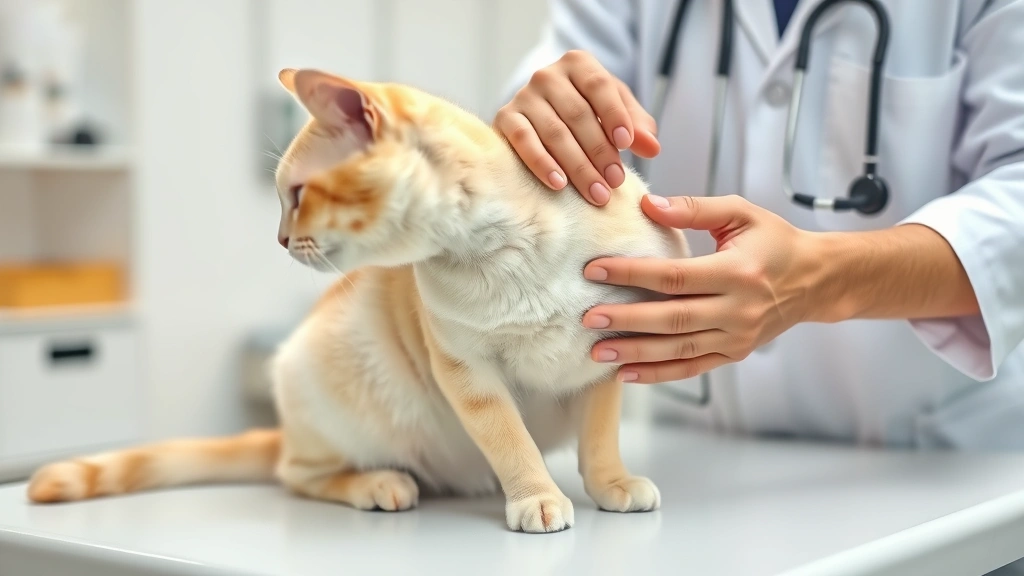
Your veterinarian will take a thorough approach to figuring out what’s going on. The diagnostic process typically begins with a physical examination, where they’ll palpate (feel) the swollen nodes and assess your cat’s overall health.
Your vet may recommend:
- Blood tests to check for infections, immune responses, and organ function
- Ultrasound imaging to visualize internal lymph nodes and other organs
- Fine needle aspiration or biopsy to collect cells from the swollen nodes for microscopic examination
- Viral testing if feline leukemia or immunodeficiency virus is suspected
- X-rays if chest involvement is suspected
These tests help pinpoint the exact cause so your vet can recommend the right treatment plan. Don’t hesitate to ask your veterinarian to explain each step—understanding the process helps you feel more confident in the care your cat is receiving.
7 Proven Treatment Approaches for Swollen Lymph Nodes in Cats
Treatment depends entirely on what’s causing the swelling. Here are the most common approaches your veterinarian might recommend:
1. Antibiotics for Bacterial Infections
If your cat has a bacterial infection, antibiotics may be prescribed to fight the infection and allow the lymph nodes to return to normal size. Your vet will determine the appropriate antibiotic based on the specific bacteria involved.
2. Antiviral Medications
For viral infections, your vet might recommend supportive care and antiviral medications to help your cat’s immune system fight the virus. Some cats respond well to immune-boosting supplements under veterinary guidance.
3. Anti-inflammatory Medications
These can help reduce swelling and discomfort while your cat’s body heals. Your vet will choose options that are safe for your specific cat.
4. Antifungal Treatments
If a fungal infection is the culprit, antifungal medications (either topical or systemic) may be prescribed to eliminate the infection.
5. Dietary Support and Supplements
Proper nutrition plays a crucial role in immune function. Your vet might recommend specific dietary changes or supplements. If your cat has kidney concerns, a feline kidney support diet could be beneficial. Learning about safe human foods for cats can help you support their recovery with appropriate additions to their diet.
6. Chemotherapy (for Lymphoma)
If lymphoma is diagnosed, your vet will discuss treatment options, which may include chemotherapy protocols designed specifically for cats. Modern feline chemotherapy often has fewer side effects than people expect.
7. Monitoring and Follow-up Care
Many cases require close monitoring with follow-up exams and blood work to ensure the underlying condition is improving and the lymph nodes are returning to normal size.
Home Care and Supportive Measures
While your vet handles the medical treatment, you play an important role in supporting your cat’s recovery at home. Keep your cat comfortable, stress-free, and in a quiet environment where they can rest.
Ensure your cat has:
- Fresh water available at all times
- Easy access to food (warming it slightly can make it more appealing if appetite is low)
- A clean litter box in a quiet location
- Minimal stress and loud noises
- A comfortable resting area away from household activity
Monitor your cat closely and report any changes—whether improvements or new symptoms—to your veterinarian. Your observations help guide treatment adjustments.
When to Seek Immediate Veterinary Care
While not all swollen lymph nodes require emergency care, certain situations demand immediate attention. If your cat is having difficulty breathing, is unable to eat or drink, or shows signs of severe distress, contact your vet right away or visit an emergency clinic.
Additionally, seek prompt care if your cat has a high fever, is extremely lethargic, or if you notice rapid changes in the size of the swollen nodes. If you are unsure whether your pet needs urgent care, a quick telehealth check-in can give you peace of mind — no appointment needed.

Prevention: Keeping Your Cat’s Immune System Strong
While you can’t prevent every illness, you can take steps to support your cat’s overall health and resilience. Keep your cat’s vaccinations current, as this protects against many infections that could cause lymph node swelling.
Regular veterinary check-ups allow your vet to catch problems early, before they become serious. A healthy diet, fresh water, regular play, and a stress-free environment all contribute to a robust immune system. Indoor cats generally face fewer infectious disease risks than outdoor cats, so consider keeping your cat indoors for their safety.
Understanding Your Cat’s Prognosis
The outlook for swollen lymph nodes in cats varies depending on the underlying cause. Many infections respond well to treatment, and lymph nodes often return to normal size once the infection or inflammation is resolved.
More serious conditions like lymphoma require ongoing management, but many cats live well with appropriate treatment. Your veterinarian will discuss realistic expectations and what long-term care might look like for your specific cat. Remember, getting a diagnosis is the first step toward helping your cat feel better.
Frequently Asked Questions
Are swollen lymph nodes in cats always serious?
Not necessarily. While they indicate your cat’s immune system is responding to something, many causes are treatable and resolve completely with proper care. Your vet will determine the severity based on the underlying cause.
Can I feel my cat’s lymph nodes normally?
Healthy lymph nodes are usually too small to feel. If you can easily feel lumps under your cat’s skin, especially in the neck, jaw, or behind the ears, this warrants a veterinary evaluation.
How long does it take for swollen lymph nodes to go down?
Recovery time depends on the cause. Some infections clear in days to weeks with treatment, while other conditions may take longer. Your vet will give you a timeline based on your cat’s specific situation.
Can stress cause swollen lymph nodes in cats?
Stress can weaken the immune system, making cats more susceptible to infections that cause swelling, but stress alone doesn’t directly cause enlarged lymph nodes. The underlying infection or condition is what needs treatment.
Is lymphoma in cats always fatal?
Lymphoma is serious and requires treatment, but many cats respond well to therapy and enjoy good quality of life for months or longer. Your vet will discuss prognosis and treatment options specific to your cat.
What To Do Now
If you’ve noticed swollen lymph nodes in your cat, here’s your action plan:
- Schedule a veterinary appointment as soon as possible—don’t wait to see if it resolves on its own. Early evaluation is key to successful treatment.
- Document what you’ve observed—note when you first noticed the swelling, any other symptoms, changes in appetite or behavior, and how your cat seems to be feeling overall. This information helps your vet tremendously.
- Prepare a list of questions for your vet visit, including how you can support your cat at home and what the next steps in diagnosis and treatment will be.
- Keep your cat comfortable and calm while you await the appointment. Minimize stress and ensure they have easy access to food, water, and their litter box.
- Follow your vet’s recommendations carefully and attend all follow-up appointments. Consistent care is what helps your cat recover.
Summary: Moving Forward With Confidence
Discovering swollen lymph nodes in your cat can feel frightening, but you’re already doing the right thing by seeking information and understanding what might be happening. Swollen lymph nodes are your cat’s body’s way of fighting back against illness—and with proper veterinary care, many conditions are very treatable.
The key is getting your cat evaluated promptly, following your veterinarian’s treatment plan, and providing supportive care at home. Your attentiveness to your cat’s health and willingness to act quickly gives them the best chance at recovery. Trust your instincts, ask questions, and remember that your veterinarian is your partner in keeping your beloved cat healthy and happy.
Reach out to The Pet Vet today if you need guidance or want to discuss your cat’s symptoms with a veterinary professional. We’re here to help you navigate your cat’s health concerns with compassion and expertise.