
If you’ve noticed your cat coughing, it’s natural to feel concerned—and that’s exactly why you should talk to vet about cat coughing sooner rather than later. A persistent cough in cats isn’t something to ignore, as it can signal anything from a minor irritation to a more serious underlying condition that needs prompt attention.
Table of Contents
- Why Cat Coughing Deserves Your Attention
- Common Causes of Cat Coughing
- When to Seek Veterinary Care for Your Cat’s Cough
- What Happens During a Vet Exam for Cat Coughing
- Medication Options Your Vet May Consider
- Supporting Your Cat at Home While Treating the Cough
- The Role of Nutrition and Hydration
- When to Consider Online Veterinary Consultation
- Understanding Your Cat’s Prognosis
- Frequently Asked Questions
- What To Do Now
- Summary: Taking Action on Your Cat’s Cough
This article is for informational purposes only and is not a substitute for professional veterinary advice. Always consult a licensed veterinarian for diagnosis and treatment.
Cats don’t cough as frequently as dogs do, which makes a cough even more noteworthy when it happens. Whether your feline friend has been hacking for a few days or you’ve noticed a pattern, understanding what might be going on—and knowing when to seek professional guidance—can help you feel more confident and prepared.
Why Cat Coughing Deserves Your Attention
A cough in cats can stem from multiple sources, and pinpointing the exact cause requires a trained eye. Your cat’s cough might be dry and hacking, or it could sound wet and productive. The frequency, duration, and context matter tremendously when your vet is evaluating what’s happening.
Unlike dogs, cats tend to mask illness, so a visible cough is often a sign that something genuinely needs attention. This is your cat’s way of telling you that their respiratory system is irritated or compromised in some way.
Common Causes of Cat Coughing
Understanding potential triggers can help you provide better context when you talk to vet about cat coughing. Here are the most frequent culprits:
- Asthma and allergies: Feline asthma is surprisingly common and often mimics a human cough or wheeze.
- Respiratory infections: Viral or bacterial infections can cause inflammation and coughing.
- Hairballs: Sometimes a cough is your cat’s way of working up a hairball.
- Heart disease: Certain heart conditions can trigger coughing, especially in older cats.
- Parasites: Lungworms or other parasitic infections may cause persistent coughing.
- Foreign objects: Rarely, something stuck in the throat can provoke coughing.
- Environmental irritants: Smoke, dust, or strong odors can irritate airways.
Catching this early puts you in a great position to help your cat feel better quickly. A vet visit will help rule out serious conditions and identify the true source of the problem.
When to Seek Veterinary Care for Your Cat’s Cough
Not every cough requires an emergency visit, but certain signs mean you shouldn’t wait. If your cat is coughing frequently throughout the day, struggling to breathe, showing lethargy, or refusing food, those are red flags that demand prompt attention.
Similarly, if the cough has persisted for more than a week or is getting worse, scheduling an appointment is essential. Your vet can perform a physical exam, listen to your cat’s lungs, and potentially recommend diagnostics like X-rays or bloodwork.
If you are unsure whether your pet needs urgent care, a quick telehealth check-in can give you peace of mind—no appointment needed. Many vets, including those at The Pet Vet, offer convenient online consultations to help you assess the situation.
What Happens During a Vet Exam for Cat Coughing
When you take your cat in (or connect with a vet online), expect a thorough evaluation. Your vet will ask detailed questions about when the cough started, how often it occurs, and whether you’ve noticed any other symptoms like sneezing, discharge, or changes in appetite.
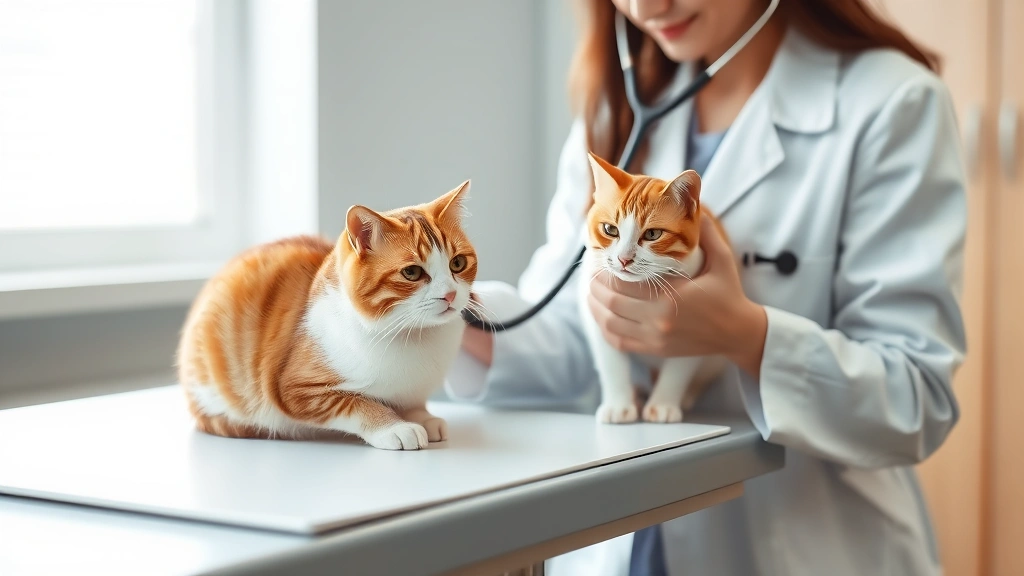
The physical exam typically includes listening to your cat’s heart and lungs with a stethoscope, checking their temperature, and assessing their overall condition. Depending on what your vet finds, they may recommend additional testing to narrow down the diagnosis.
This information is crucial for determining the right course of treatment and ensuring your cat gets relief as quickly as possible.
Medication Options Your Vet May Consider
Your veterinarian has several therapeutic options available, depending on the underlying cause of your cat’s cough. While specific dosing should always come directly from your vet, here’s an overview of medication categories that may be discussed:
- Bronchodilators: These help open airways and reduce inflammation in cats with asthma or airway constriction.
- Corticosteroids: Anti-inflammatory medications can calm irritated airways and reduce coughing.
- Antibiotics: If a bacterial infection is present, antibiotics may be prescribed to clear the infection.
- Antiparasitic medications: For parasitic causes, targeted antiparasitic treatments can resolve the issue.
- Cough suppressants: In some cases, your vet may recommend medication to reduce the cough reflex itself.
- Antihistamines: If allergies are the culprit, antihistamines may help reduce inflammation.
- Cardiac medications: If heart disease is diagnosed, specific heart medications may be necessary.
Your vet will choose the right medication (or combination) based on their diagnosis and your cat’s individual health profile. Always follow dosing instructions precisely and report any side effects immediately.
Supporting Your Cat at Home While Treating the Cough
Beyond medication, environmental and lifestyle adjustments can significantly help your coughing cat feel better. Here are practical steps you can take right away:
- Minimize airborne irritants by avoiding smoke, strong perfumes, and scented candles.
- Keep your cat’s living space clean and dust-free, especially around their sleeping area.
- Ensure adequate humidity in your home—dry air can irritate airways further.
- Provide fresh water constantly to keep your cat hydrated.
- Reduce stress through calm, predictable routines and quiet spaces.
These supportive measures complement medication and help create an environment where your cat can heal more comfortably.
The Role of Nutrition and Hydration
A well-nourished cat is better equipped to fight off infection and recover from respiratory issues. Make sure your cat has access to high-quality food and fresh water throughout the day.
Some cats may lose appetite when they’re not feeling well, so offering wet food or broth (without onions or garlic) can encourage eating. Staying hydrated is especially important for cats with respiratory conditions, as it helps thin mucus and ease coughing.
When to Consider Online Veterinary Consultation
If you’re hesitant about an in-person visit or want a quick professional opinion before scheduling an appointment, talking to a vet about cat health concerns online is increasingly convenient and accessible. Telehealth consultations work well for initial assessments, follow-up questions, and determining whether your cat needs in-person diagnostics.
The Pet Vet and similar platforms allow you to describe your cat’s symptoms, share photos or videos, and get professional guidance without leaving home. This can be especially helpful if you’re unsure whether the cough warrants an urgent visit.
Understanding Your Cat’s Prognosis
The good news is that many causes of cat coughing are very treatable once properly diagnosed. Asthma, infections, and allergies often respond well to appropriate medication and environmental management.
Even more serious conditions like heart disease can be managed effectively with the right treatment plan. Your vet will discuss your cat’s specific prognosis and what to expect as treatment progresses.

Most importantly, addressing the cough early gives your cat the best chance at a full recovery and a return to normal, comfortable breathing.
Frequently Asked Questions
Is cat coughing always serious?
Not always, but it should never be ignored. While some causes are minor (like hairballs or mild irritation), others require medical attention. When in doubt, contact your vet.
Can I give my cat over-the-counter cough medicine?
No—never give your cat any medication without veterinary approval. Many human and pet medications can be harmful to cats and may mask a serious underlying condition.
How long does it take for cat cough medication to work?
This varies depending on the medication and the underlying cause. Some cats show improvement within days, while others may need several weeks. Your vet will monitor progress and adjust treatment as needed.
Could my cat’s cough be contagious to other pets?
It depends on the cause. Viral respiratory infections can spread to other cats, while asthma or heart-related coughs are not contagious. Your vet will clarify whether isolation is necessary.
What if my cat’s cough comes back after treatment?
Recurring coughs may indicate a chronic condition like asthma that requires ongoing management, or there may be a new underlying issue. Return to your vet for re-evaluation and possible adjustments to the treatment plan.
What To Do Now
- Schedule a vet appointment: Contact your veterinarian or use a telehealth service like The Pet Vet to get your cat evaluated as soon as possible.
- Document the cough: Note when your cat coughs, how long episodes last, and any other symptoms you observe—this information helps your vet tremendously.
- Reduce environmental irritants: Start minimizing smoke, dust, and strong odors in your home right away to ease your cat’s discomfort.
- Keep medications on hand: Once your vet prescribes treatment, fill the prescription immediately and set reminders for dosing.
- Plan for follow-up: Ask your vet when you should check back in to assess how well the treatment is working.
Summary: Taking Action on Your Cat’s Cough
Your cat’s cough is a signal that something needs attention, and the best thing you can do is take it seriously. By deciding to talk to vet about cat coughing, you’re already taking the right step toward helping your feline friend feel better.
Whether the cause turns out to be something simple like a hairball or something more complex like asthma, professional diagnosis and treatment make all the difference. Modern veterinary medicine offers many effective options, and catching the problem early improves outcomes significantly.
Don’t delay—reach out to your vet today, or if you need a quick initial assessment, consider an online consultation with The Pet Vet. Your cat is counting on you, and getting answers will give you both much-needed peace of mind.
Remember, a healthy, happy cat is just one vet visit away. Take action now, and you’ll be on the path to helping your beloved pet breathe easier and feel like themselves again.