
If you’ve noticed your cat sleeping more than usual or seeming less interested in play, it’s time to talk to vet about cat lethargy — because what looks like laziness could signal something your feline friend needs help with. Lethargy in cats isn’t always normal, and catching it early can make a real difference in your pet’s health and happiness.
Table of Contents
- What Exactly Is Cat Lethargy?
- Common Causes of Cat Lethargy You Should Know
- When Should You Reach Out to Your Vet?
- What to Expect When You Talk to Your Vet
- Understanding Medication and Treatment Options
- Telehealth: A Convenient First Step
- Home Care While Awaiting a Vet Visit
- Why Early Intervention Matters
- Other Cat Symptoms Worth Discussing With Your Vet
- Frequently Asked Questions
- What To Do Now
- Summary: Taking Action on Cat Lethargy
This article is for informational purposes only and is not a substitute for professional veterinary advice. Always consult a licensed veterinarian for diagnosis and treatment.
What Exactly Is Cat Lethargy?
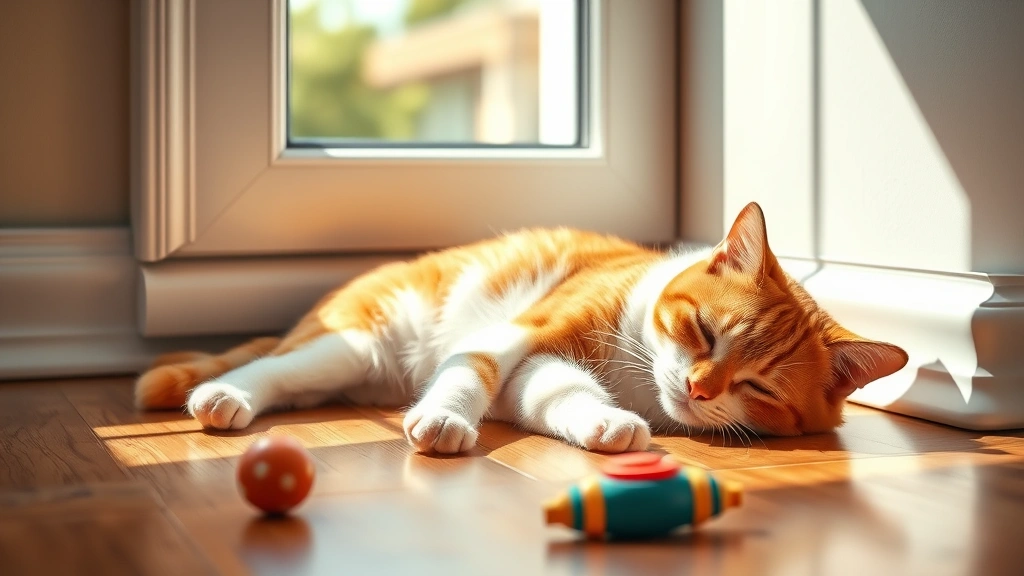
Cat lethargy refers to a noticeable lack of energy, enthusiasm, or interest in activities your cat normally enjoys. While cats do sleep 12–16 hours per day naturally, lethargy goes beyond that — it’s when your cat seems withdrawn, unresponsive, or just “off.”
The difference matters. A healthy cat will still perk up at feeding time, respond to toys, or greet you at the door. A lethargic cat might ignore these things entirely, moving slowly or showing little interest in their surroundings.
Common Causes of Cat Lethargy You Should Know
Lethargy is one of the most non-specific symptoms in veterinary medicine — meaning it can point to dozens of different conditions. That’s why it’s so important to talk to a vet about cat lethargy rather than guessing at home.
Here are some of the most common culprits:
- Infections: Viral, bacterial, or parasitic infections can drain energy fast. Feline leukemia (FeLV) and feline immunodeficiency virus (FIV) are serious examples.
- Thyroid problems: Hyperthyroidism is especially common in older cats and can cause lethargy along with weight loss and increased thirst.
- Kidney disease: Chronic kidney disease affects many older cats and often shows up as fatigue, loss of appetite, and increased drinking.
- Diabetes: High blood sugar can leave your cat feeling exhausted and weak.
- Anemia: Low red blood cell counts reduce oxygen delivery to tissues, causing tiredness.
- Pain or arthritis: Cats hide pain well, but lethargy can be their way of telling you something hurts.
- Gastrointestinal issues: Conditions like colitis in cats or giardia in cats drain energy through inflammation or nutrient loss.
- Stress or anxiety: Environmental changes, new pets, or household upheaval can make cats withdrawn.
- Medication side effects: Some treatments can cause drowsiness or low energy as a side effect.
The good news? Most causes of lethargy are manageable when caught early. Catching this early puts you in a great position to help your cat feel better faster.
When Should You Reach Out to Your Vet?
Not every instance of sleepiness requires an emergency vet visit, but certain signs mean you shouldn’t wait. Contact your vet right away if your cat shows lethargy combined with:
- Loss of appetite lasting more than a few hours
- Vomiting or diarrhea
- Difficulty breathing or rapid breathing
- Excessive thirst or urination
- Hiding for extended periods
- Unusual behavior or aggression
- Fever or feeling unusually warm to the touch
If your cat seems alert otherwise but just a bit quieter than usual, a routine appointment within the next day or two is often appropriate. Trust your instincts — you know your cat best.
What to Expect When You Talk to Your Vet
When you talk to vet about cat lethargy, your veterinarian will take a thorough history and perform a physical exam. They’ll ask questions like:
- How long has your cat seemed lethargic?
- Are there other symptoms (appetite changes, litter box habits, etc.)?
- Is your cat up to date on vaccines and parasite prevention?
- Any recent diet or environment changes?
- Is your cat on any medications?
Your vet may recommend blood work, urinalysis, or imaging to pinpoint the cause. These diagnostic tests are invaluable because they give concrete answers rather than guesses. Early diagnosis often means simpler, more effective treatment.
Understanding Medication and Treatment Options
Once your vet identifies the cause of lethargy, treatment depends entirely on what’s driving it. Some conditions require medication, while others respond to diet changes, environmental adjustments, or lifestyle modifications.
Your veterinarian will discuss all options with you and explain how each treatment works. They’ll also talk about what to watch for, how long recovery typically takes, and when to follow up. Never adjust or stop medications without consulting your vet first.
The goal is always to restore your cat’s energy, appetite, and quality of life. Most cats respond well to appropriate treatment when started promptly.
Telehealth: A Convenient First Step
If you’re unsure whether your cat’s lethargy warrants an urgent visit, telehealth can be a helpful first step. A quick video consultation with a licensed veterinarian can help you decide whether an in-person exam is needed right away or if you can schedule a routine appointment.
Platforms like The Pet Vet allow you to ask a vet online about your cat’s symptoms without the stress of travel or waiting rooms. You can also ask a kitten vet online if your younger cat is showing signs of lethargy. If you are unsure whether your pet needs urgent care, a quick telehealth check-in can give you peace of mind — no appointment needed.
Home Care While Awaiting a Vet Visit
While you’re arranging to talk to vet about cat lethargy, there are gentle steps you can take at home:
- Encourage hydration: Offer fresh water in multiple locations. Some cats prefer running water from a fountain.
- Offer tempting food: Try warming wet food slightly or offering their favorite treat. Don’t force eating, but make it appealing.
- Create a comfortable space: Ensure your cat has a quiet, warm area to rest without disturbance.
- Monitor closely: Keep track of appetite, water intake, litter box habits, and any other changes to share with your vet.
- Avoid stress: Keep the environment calm and predictable while your cat isn’t feeling their best.
These steps won’t treat the underlying cause, but they support your cat’s comfort while you seek professional guidance.
Why Early Intervention Matters
Cats are masters at hiding illness, which means by the time lethargy becomes obvious, the condition may have been developing for weeks. This is why early vet visits are so valuable — they catch problems before they become serious.
Conditions like kidney disease, hyperthyroidism, and diabetes are all manageable when caught early. Your cat can live a happy, comfortable life with proper treatment and monitoring. The sooner you talk to vet about cat lethargy, the sooner you can help.
Other Cat Symptoms Worth Discussing With Your Vet
Lethargy often travels with other symptoms that deserve attention. If your cat also shows signs like cat coughing, cat breathing fast, or kitten panting, mention these to your vet as well. These combinations can point to specific conditions and help your veterinarian narrow down the diagnosis.
Frequently Asked Questions
Is it normal for cats to be lethargic sometimes?
Yes, cats naturally rest a lot, but true lethargy — where your cat seems unresponsive and uninterested — is different and warrants a vet check.
Can stress cause lethargy in cats?
Absolutely. Environmental changes, new pets, or household stress can make cats withdrawn and less active. However, physical causes should be ruled out first.
How long does it take to diagnose cat lethargy?
A physical exam takes 15–30 minutes, but diagnostic tests like blood work may take a few hours to a few days for results.
What if my cat is lethargic but eating normally?
Even if appetite seems fine, lethargy paired with low activity is worth investigating. Some serious conditions don’t affect appetite right away.
Can I treat cat lethargy at home without a vet?
No — lethargy requires professional diagnosis to identify the underlying cause. Home care supports your cat’s comfort while you seek veterinary help.
What To Do Now
- Schedule a vet appointment: Contact your veterinarian or use a telehealth service to discuss your cat’s lethargy within the next 24 hours.
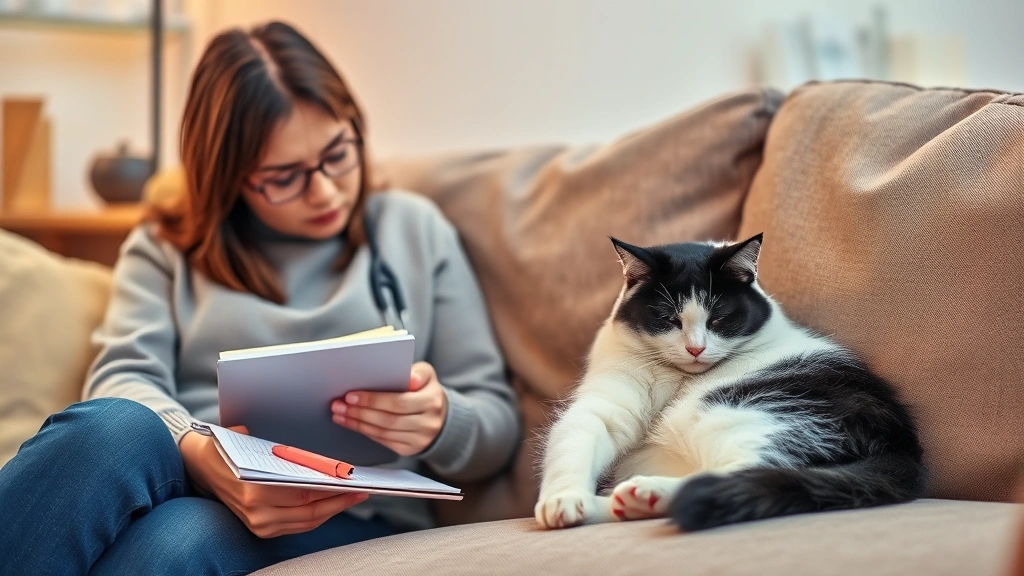
- Document symptoms: Write down when the lethargy started, any other changes you’ve noticed, and your cat’s current diet and medications.
- Prepare your home: Set up a comfortable, quiet space with fresh water and food to support your cat while you arrange care.
- Keep records handy: Have your cat’s vaccination and medical history available for the vet visit.
- Stay observant: Monitor your cat closely and note any changes in behavior, appetite, or bathroom habits to share with your vet.
Summary: Taking Action on Cat Lethargy
Noticing that your cat seems lethargic can be worrying, but it’s also an opportunity to catch and address health issues early. When you talk to vet about cat lethargy, you’re giving your feline friend the best chance at a quick recovery and return to their normal self.
Lethargy can stem from dozens of causes — some simple, some serious — but all deserve professional evaluation. Your veterinarian has the tools and expertise to diagnose accurately and recommend the right treatment plan.
Don’t wait and hope it passes. Reach out to your vet today, whether through a traditional appointment or a convenient telehealth consultation. Your cat is counting on you to notice when something’s off, and taking action now is an act of love and care.
Your cat’s energy and happiness matter. Let’s get them back to feeling like themselves.