
If your cat has stopped eating or is eating significantly less than usual, it’s time to talk to vet about cat not eating as soon as possible. A loss of appetite in cats is never something to ignore—it can signal anything from a minor digestive upset to a serious underlying health issue.
Table of Contents
- Why Your Cat Stopped Eating: Understanding the Root Causes
- When to Talk to Your Vet About Your Cat’s Appetite Loss
- Solution 1: Schedule a Physical Examination With Your Veterinarian
- Solution 2: Address Dental Health and Mouth Pain
- Solution 3: Evaluate and Adjust Your Cat’s Diet
- Solution 4: Rule Out Stress and Environmental Changes
- Solution 5: Check Medications and Supplements
- Solution 6: Monitor Hydration and Consider Feeding Strategies
- Solution 7: Follow Up With Bloodwork and Diagnostic Testing
- What to Do Now: Your Action Plan
- Understanding Common Conditions That Affect Appetite
- Frequently Asked Questions
- Summary: Taking Action When Your Cat Won’t Eat
This article is for informational purposes only and is not a substitute for professional veterinary advice. Always consult a licensed veterinarian for diagnosis and treatment.
We know how stressful it is to watch your beloved feline companion turn away from their food bowl. The good news? Catching this early puts you in a great position to help your cat feel better quickly.
Why Your Cat Stopped Eating: Understanding the Root Causes
Cats are creatures of habit, and a sudden change in eating behavior usually means something is off. Unlike dogs, cats won’t eat just because food is available—they have strong preferences and sensitivities.
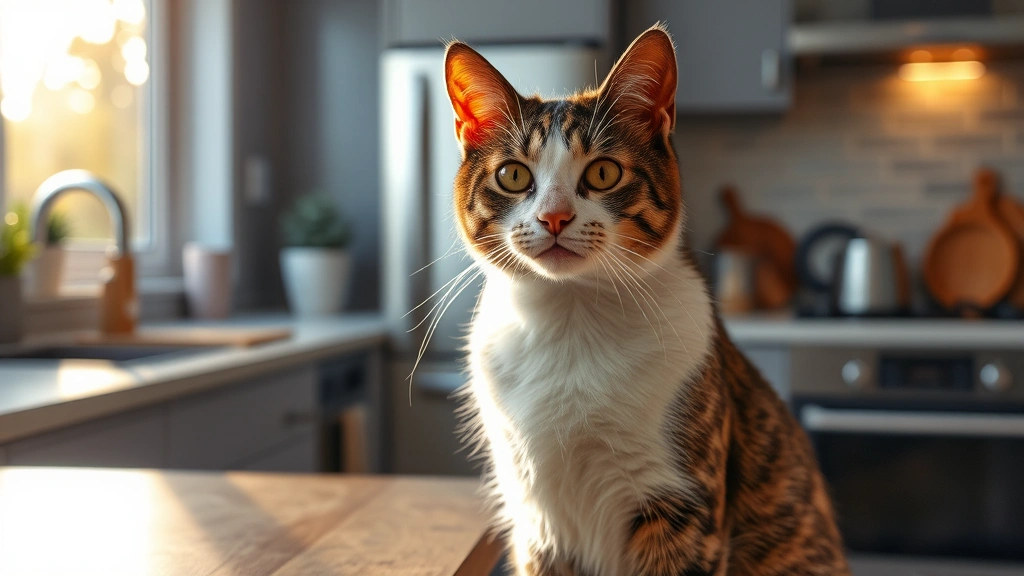
Common reasons your cat may be experiencing reduced appetite include dental pain, gastrointestinal issues, stress, medication side effects, or changes in their environment. Some cats are also incredibly sensitive to food texture, temperature, or even the color of their food bowl.
More serious causes can include gastritis in cats, kidney disease, hyperthyroidism, diabetes, or infections. This is exactly why you shouldn’t wait—a veterinarian can rule out dangerous conditions quickly.
When to Talk to Your Vet About Your Cat’s Appetite Loss
Timing matters. If your cat has skipped meals for more than 24 hours, or if they’ve lost interest in food for several days, contact your veterinarian immediately. Don’t assume they’ll “eat when they’re hungry”—cats can develop hepatic lipidosis (fatty liver disease) if they stop eating for extended periods.

Additional warning signs that warrant urgent attention include vomiting, diarrhea, lethargy, weight loss, or behavioral changes. If your cat seems lethargic or is hiding more than usual, these could indicate pain or illness.
Catching this early puts you in a great position to help. Many appetite issues are highly treatable when addressed promptly.
Solution 1: Schedule a Physical Examination With Your Veterinarian
The first step is always a thorough physical exam. Your vet will check your cat’s teeth for decay or disease, palpate their abdomen for pain or abnormalities, and listen to their heart and lungs.

Blood work and urinalysis are often recommended to screen for kidney disease, diabetes, thyroid problems, and infections. These tests are invaluable because they reveal what’s happening inside your cat’s body.
If you’re unsure whether your pet needs urgent care, a quick telehealth check-in can give you peace of mind—no appointment needed. Many cat owners find online consultations helpful for initial guidance.
Solution 2: Address Dental Health and Mouth Pain
Dental disease is one of the most overlooked causes of appetite loss in cats. If eating causes pain, your cat will naturally avoid food. You might notice bad breath, drooling, or difficulty chewing.
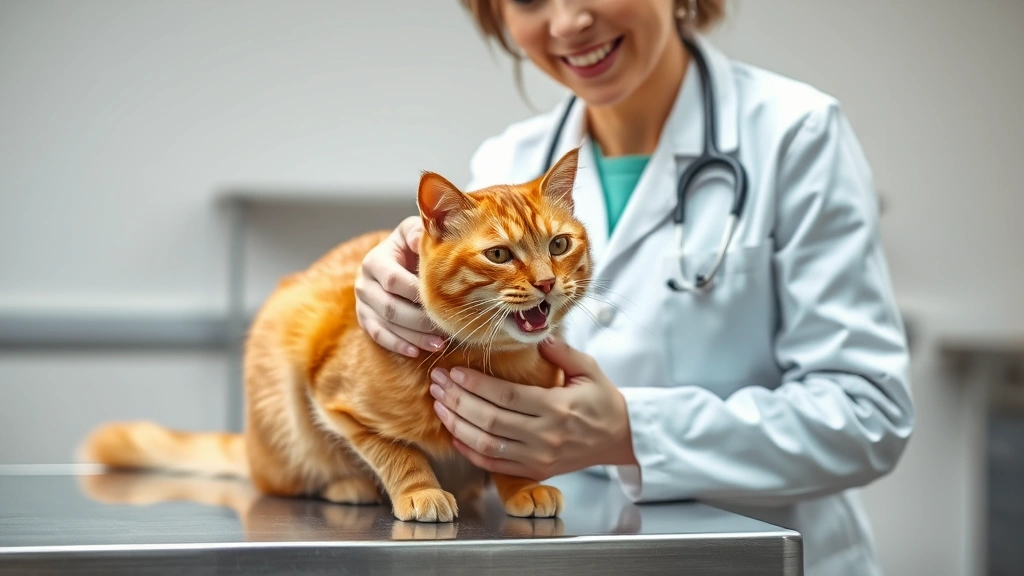
Your veterinarian can assess whether your cat needs a dental cleaning or extraction. Modern veterinary dentistry is safe and can dramatically improve your cat’s quality of life.
In the meantime, offering softer foods or warming wet food slightly can make eating less painful. Ask your vet which dietary adjustments are appropriate for your cat’s specific situation.
Solution 3: Evaluate and Adjust Your Cat’s Diet
Sometimes the issue is the food itself. Cats can develop preferences for certain textures, temperatures, or flavors. If you’ve recently switched brands or types of food, that could be the culprit.

Try offering a variety of options: wet food, pâté, chunks in gravy, or even fresh cooked chicken (unseasoned). Some cats prefer their food at room temperature or slightly warmed.
Be aware of foods cats should avoid, as certain ingredients can cause digestive upset or allergic reactions that reduce appetite. Your vet can recommend appropriate nutritional options tailored to your cat’s age, weight, and health status.
Solution 4: Rule Out Stress and Environmental Changes
Cats are sensitive creatures, and stress can absolutely suppress their appetite. Have there been recent changes in your home—new pets, moving furniture, construction noise, or changes in your routine?

Create a calm, safe space for your cat with their food bowl, water, litter box, and a comfortable hiding spot. Sometimes simply reducing stimulation helps restore appetite.
If anxiety seems to be the underlying issue, you can talk to a vet about cat anxiety online to explore calming strategies and potential interventions.
Solution 5: Check Medications and Supplements
If your cat is on any medications, appetite loss could be a side effect. Never stop medication without veterinary guidance, but definitely mention this symptom at your next appointment.

Your vet may adjust dosages, switch medications, or recommend taking pills with food to minimize side effects. In some cases, cat liver supplements or digestive support can help restore appetite and overall wellness.
Always discuss any new supplements or over-the-counter products with your veterinarian before introducing them.
Solution 6: Monitor Hydration and Consider Feeding Strategies
Dehydration often accompanies appetite loss. Ensure fresh water is available at all times. Some cats prefer running water from a fountain, which encourages drinking.

Try these feeding strategies while you work with your vet:
- Offer smaller, more frequent meals instead of one large bowl
- Hand-feed your cat to provide comfort and monitor intake
- Warm wet food to enhance aroma and palatability
- Feed in a quiet location away from the litter box
- Use elevated food bowls to reduce strain on the neck
These adjustments can help while you identify the underlying cause.
Solution 7: Follow Up With Bloodwork and Diagnostic Testing
If your cat’s appetite doesn’t improve after the initial exam, additional diagnostics may be needed. Ultrasound can reveal tumors, blockages, or organ abnormalities that blood work alone might miss.

Thyroid testing is especially important in older cats, as hyperthyroidism is common and highly treatable. X-rays can identify foreign objects or other structural problems.
Your veterinarian will guide you through which tests make sense based on your cat’s age, symptoms, and initial exam findings. Early diagnosis often means better outcomes.
What to Do Now: Your Action Plan
Don’t wait and hope the problem resolves on its own. Take these steps today:

- Schedule a veterinary appointment within 24 hours if your cat hasn’t eaten normally, or contact an emergency clinic if it’s after hours and your cat seems unwell
- Document your cat’s eating habits before the appointment—note when they last ate, how much, and any other symptoms you’ve observed
- Prepare a list of any recent changes in your home, medications, or diet that you can discuss with your vet
- Consider a telehealth consultation if scheduling an in-person visit will take several days—initial guidance can help you decide on next steps
- Keep fresh water available and offer small amounts of wet food frequently while you await professional evaluation
Understanding Common Conditions That Affect Appetite
Several medical conditions commonly cause appetite loss in cats. Gastritis in cats causes inflammation of the stomach lining and makes eating uncomfortable. Kidney disease is especially common in older cats and gradually reduces appetite as toxins build up.
Hyperthyroidism increases metabolism and can paradoxically decrease appetite despite increased energy needs. Diabetes and cancer also frequently present with appetite changes.
The important thing to remember is that your veterinarian has the tools and expertise to identify which condition—if any—is affecting your cat. That’s why professional evaluation is so critical.

Frequently Asked Questions
How long can a cat go without eating before it becomes dangerous?
Cats can develop hepatic lipidosis (fatty liver disease) within 48-72 hours of not eating. This is a serious condition, so contact your vet if your cat hasn’t eaten for more than 24 hours.
Could my cat’s appetite loss be caused by stress alone?
Yes, stress can suppress appetite, but it’s important to rule out medical causes first. Your vet can help determine whether stress or an underlying health issue is responsible.
Is it okay to try different foods without consulting my vet?
You can try offering different textures and temperatures, but if appetite loss persists beyond 24 hours, professional evaluation is necessary to rule out serious conditions.

Can I give my cat appetite stimulants at home?
Some appetite stimulants require veterinary prescription and should only be used under professional guidance. Never give medications without vet approval.
What’s the difference between picky eating and appetite loss?
Picky eating means your cat refuses certain foods but eats others. True appetite loss means your cat shows no interest in food at all. The latter requires urgent veterinary attention.
Summary: Taking Action When Your Cat Won’t Eat
When you need to talk to vet about cat not eating, remember that you’re taking the right step. Appetite loss is your cat’s way of communicating that something needs attention.
The seven solutions outlined here—from physical exams to dietary adjustments to stress reduction—form a comprehensive approach to identifying and addressing the problem. Your veterinarian is your partner in this process, armed with diagnostic tools and medical expertise you don’t have at home.
Don’t delay seeking professional help. Early intervention often leads to faster recovery and better outcomes. Your cat is counting on you, and reaching out to a veterinarian is the best thing you can do right now.
If you’re unsure about whether to schedule an in-person visit or prefer to start with guidance, you can always talk to a vet online about your cat’s eating issues. Whatever path you choose, taking action today is what matters most.
This article is for general education and is not a substitute for care from your own veterinarian. Learn about The Pet Vet and our editorial policy.