
If you’ve noticed your cat scratching more than usual or spotted red, irritated patches on their skin, it’s time to talk to vet about cat skin rash—because what seems like a minor itch could be your cat’s way of telling you something needs attention. Seeing your beloved feline uncomfortable is stressful, but the good news is that most cat skin issues are very treatable when caught early.
Table of Contents
- Why Your Cat’s Skin Rash Matters
- Common Causes of Cat Skin Rashes
- Signs Your Cat Needs Veterinary Attention
- What to Expect When You Talk to Your Vet About Cat Skin Rash
- Diagnostic Tools Your Vet Might Use
- Treatment Options Your Vet May Recommend
- At-Home Care While You Wait for Vet Guidance
- When to Consider Telehealth for Cat Skin Issues
- Prevention Tips for Future Skin Health
- When to Seek Emergency Care
- Frequently Asked Questions
- What to Do Now
- Summary: Taking Action on Your Cat’s Skin Health
This article is for informational purposes only and is not a substitute for professional veterinary advice. Always consult a licensed veterinarian for diagnosis and treatment.
Why Your Cat’s Skin Rash Matters
Cat skin rashes aren’t just cosmetic concerns—they’re often your pet’s way of signaling that something is off. Whether it’s an allergy, infection, or environmental irritant, your cat’s skin is their largest organ and a window into their overall health. Ignoring a rash can lead to secondary infections, hair loss, and increased discomfort for your furry friend.
The sooner you address the issue, the faster your cat can feel better. Catching this early puts you in a great position to help your cat return to their happy, comfortable self.
Common Causes of Cat Skin Rashes
Understanding what might be causing your cat’s rash helps you communicate more effectively with your vet. Here are the most common culprits:
- Allergies: Cats can develop allergies to food, environmental factors like pollen or dust, or contact allergens like certain plants or cleaning products.
- Parasites: Fleas, mites, and lice are frequent offenders, even if you don’t see visible bugs. A single flea bite can trigger intense itching in sensitive cats.
- Fungal infections: Ringworm is contagious and common in cats, especially younger or immunocompromised ones.
- Bacterial infections: Secondary bacterial infections often develop when cats over-groom or scratch, breaking the skin barrier.
- Stress and anxiety: Some cats develop psychogenic alopecia (over-grooming due to stress), which can cause bald patches and skin irritation.
- Dry skin: Indoor cats in low-humidity environments may develop flaky, irritated skin.
Signs Your Cat Needs Veterinary Attention
Not every minor scratch warrants an emergency vet visit, but certain signs mean you should reach out to your veterinarian right away. Watch for excessive scratching, visible hair loss, red or inflamed patches, scabs or crusting, discharge or oozing, or a foul odor coming from the affected area.
If your cat is also showing signs of lethargy, loss of appetite, or fever alongside the rash, these could indicate a more serious condition. Don’t wait—contact your vet immediately in these cases.
What to Expect When You Talk to Your Vet About Cat Skin Rash
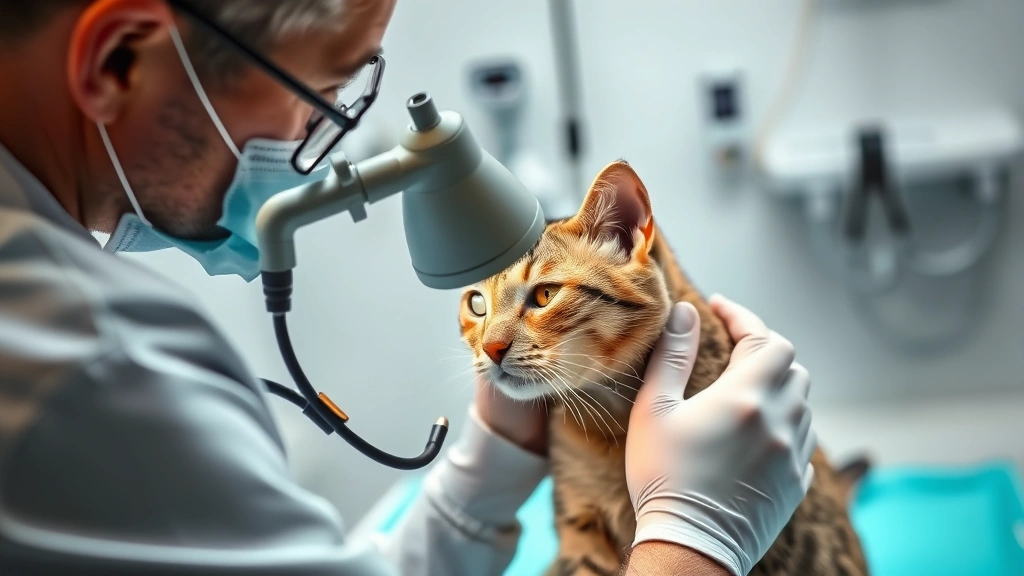
When you bring your cat in (or schedule an online consultation about cat itching), your vet will conduct a thorough examination. They’ll ask about when the rash started, whether it’s itchy or painful, any recent changes in diet or environment, and your cat’s medical history.
Your vet may perform diagnostic tests such as a skin scraping, fungal culture, or cytology to identify the underlying cause. These simple tests help pinpoint whether you’re dealing with parasites, fungal infections, or bacterial issues. This information is crucial for determining the right treatment plan.
Diagnostic Tools Your Vet Might Use
Understanding the diagnostic process can ease your mind about what’s happening behind the scenes. Your vet has several tools at their disposal:
- Wood’s lamp: A special ultraviolet light that can help detect certain fungal infections like ringworm.
- Skin scraping: Gently scraping the skin to collect cells and examine them under a microscope for mites or other parasites.
- Fungal culture: Growing a sample on special media to identify fungal infections, which takes several days but is very accurate.
- Cytology: Examining cells under a microscope to check for bacterial or yeast infections.
- Allergy testing: Blood or intradermal tests to identify specific allergens if allergy is suspected.
Treatment Options Your Vet May Recommend
Treatment depends entirely on what’s causing the rash. Your vet might recommend topical treatments like medicated shampoos, creams, or sprays that target the specific issue. For infections, oral medications may be necessary to clear the problem from the inside out.
If allergies are the culprit, your vet may suggest dietary changes, environmental modifications, or discuss options like cat steroid medication to reduce inflammation and itching. The key is addressing the root cause, not just the symptoms.
At-Home Care While You Wait for Vet Guidance
While you’re arranging a vet appointment, there are gentle steps you can take to help your cat feel more comfortable. Keep the affected area clean and dry, and resist the urge to apply human medications or home remedies without vet approval—some can actually make things worse.
Consider these supportive measures:
- Gently bathe the affected area with lukewarm water if your cat tolerates it, then pat dry thoroughly.
- Ensure your cat’s environment is clean; wash bedding frequently and vacuum to reduce potential irritants.
- Check that your cat is on an effective flea prevention, even if you don’t see fleas.
- Maintain a stress-free environment with plenty of enrichment and hiding spots.
- Monitor the rash closely and note any changes to report to your vet.
Catching this early puts you in a great position to prevent the rash from worsening while you get professional guidance.
When to Consider Telehealth for Cat Skin Issues
If you’re unsure whether your pet needs urgent in-person care, a quick telehealth check-in can give you peace of mind—no appointment needed. Telehealth is especially helpful for initial consultations, follow-ups, or when you want expert guidance on whether a rash requires emergency attention.
With The Pet Vet’s telehealth service, you can connect with a licensed veterinarian from home, show them photos of the rash, and get professional advice without the stress of travel or waiting room delays. This is particularly useful for cats, who often experience stress during vet visits.
Prevention Tips for Future Skin Health
Once your cat’s rash is resolved, maintaining their skin health is the best way to prevent future issues. Year-round flea and parasite prevention is non-negotiable, even for indoor cats. A high-quality diet rich in omega-3 and omega-6 fatty acids supports healthy skin and coat.
Keep your home environment clean and free of potential irritants. Maintain moderate humidity levels, especially during dry seasons. Regular grooming helps you spot early signs of skin problems before they become serious. Finally, minimize stress through environmental enrichment, consistent routines, and positive interactions.
When to Seek Emergency Care
Most cat skin rashes can wait for a regular vet appointment, but certain situations require immediate attention. If your cat has severe swelling around the face or throat, difficulty breathing, signs of shock (pale gums, rapid heartbeat), or extensive open sores with signs of infection, head to an emergency vet right away.
Additionally, if your cat seems in severe pain, is unable to eat, or the rash spreads rapidly across their body, don’t delay—get emergency care. These signs could indicate a serious allergic reaction or systemic infection that needs immediate treatment.

Frequently Asked Questions
Can cat skin rashes go away on their own?
Some minor rashes may improve with time, but most require veterinary intervention to identify the cause and prevent worsening. Without treatment, many rashes worsen due to secondary infections from scratching.
Is my cat’s rash contagious to other pets or me?
It depends on the cause. Fungal infections like ringworm and some parasites can spread to other animals and occasionally to humans. Your vet will advise on isolation measures if needed.
How long does it take for a cat skin rash to heal?
Healing time varies widely depending on the cause and severity—anywhere from one to several weeks. Parasitic infections may improve within days of treatment, while fungal infections can take weeks to months.
Can I use over-the-counter treatments on my cat’s rash?
It’s best to avoid OTC treatments without vet approval, as some can irritate cat skin or interfere with diagnosis. Always consult your vet first.
What’s the difference between a rash and normal shedding?
A rash typically involves visible inflammation, redness, scabs, or discharge, while normal shedding is just loose hair. If you’re unsure, your vet can quickly clarify.
What to Do Now
Don’t let your cat’s discomfort linger. Here’s your action plan:
- Schedule a vet appointment or telehealth consultation today. Whether in-person or online, getting professional eyes on the rash is your first step. If you prefer the convenience of telehealth, connect with a vet about your cat’s itching right now.
- Document the rash with photos and notes. Write down when it started, which areas are affected, whether your cat is scratching excessively, and any other symptoms you’ve noticed. This information helps your vet make a faster diagnosis.
- Review your cat’s current flea prevention. Make sure you’re using an effective, vet-recommended product year-round. If you haven’t started prevention, discuss options with your vet.
- Keep your cat’s environment clean and calm. Wash bedding, vacuum regularly, and minimize stressors while you await professional guidance.
- Avoid applying home remedies or human medications to the affected area until your vet gives the green light. Some substances can worsen the condition.
Summary: Taking Action on Your Cat’s Skin Health
Noticing a rash on your cat is concerning, but it’s also an opportunity to catch a treatable problem early. When you talk to vet about cat skin rash, you’re taking the most important step toward relief for your feline friend. Whether the cause is parasites, allergies, infection, or something else, your vet has the tools and expertise to identify it and recommend an effective treatment plan.
Remember, you don’t have to navigate this alone. Telehealth options make it easier than ever to get professional guidance quickly, and most skin issues respond well to proper treatment. Your cat is counting on you to advocate for their health—and by seeking veterinary care, you’re doing exactly that.
Don’t wait. Reach out to your vet today, and let’s get your cat back to feeling their best.