
If you’ve noticed your dog breathing fast, you’re right to be concerned—and talking to a vet about dog breathing fast should be your next step. Rapid breathing in dogs can range from completely normal (like after playtime) to a sign of something serious that needs immediate attention. The trick is knowing which scenario you’re dealing with, and that’s where we come in.
Table of Contents
- What Is Normal Breathing in Dogs?
- When Should You Talk to a Vet About Dog Breathing Fast?
- Sign #1: Rapid Breathing at Rest
- Sign #2: Labored or Difficult Breathing
- Sign #3: Panting Without Exercise or Heat
- Sign #4: Lethargy or Weakness Alongside Fast Breathing
- Sign #5: Pale Gums or Blue-Tinged Lips
- Sign #6: Coughing or Gagging with Fast Breathing
- Sign #7: Anxiety or Restlessness with Breathing Changes
- Common Causes of Fast Breathing in Dogs
- How to Talk to Your Vet About Dog Breathing Fast
- When to Seek Emergency Care
- At-Home Monitoring Tips
- What to Expect at the Vet Visit
- Breed-Specific Considerations
- Prevention and Long-Term Health
- Summary: Taking Action on Fast Breathing
- Frequently Asked Questions
- What to Do Now
This article is for informational purposes only and is not a substitute for professional veterinary advice. Always consult a licensed veterinarian for diagnosis and treatment.
What Is Normal Breathing in Dogs?
A healthy dog typically takes 10 to 30 breaths per minute while at rest. You can count your dog’s breathing by watching their chest rise and fall for one full minute. If your dog is relaxed, lying down, and breathing within this range, they’re likely just fine.
However, breathing rates change with activity, temperature, and emotional state. A dog that just finished playing fetch will naturally breathe faster. The key is understanding when fast breathing moves from normal to concerning.
When Should You Talk to a Vet About Dog Breathing Fast?
The moment your dog shows rapid breathing at rest—especially when they’re calm and haven’t been exercising—it’s worth paying attention. If the fast breathing persists for more than a few minutes after activity stops, that’s a red flag worth investigating with your veterinarian.
Catching this early puts you in a great position to help. Many conditions that cause rapid breathing respond well to early intervention, so don’t hesitate to reach out to your vet.
Sign #1: Rapid Breathing at Rest
This is the most telling sign that something may be off. If your dog is lying down, not stressed, and breathing noticeably faster than usual, rapid breathing at rest could indicate pain, anxiety, fever, or a respiratory issue. Your vet will want to know exactly when you noticed this and whether it’s constant or comes and goes.
Keep mental notes: Is your dog panting heavily even in a cool environment? Are they struggling to catch their breath? These details help your veterinarian narrow down the cause.
Sign #2: Labored or Difficult Breathing
Labored breathing looks different from regular fast breathing. Your dog may seem to be working harder to breathe, with their mouth open and nostrils flaring. Some dogs make wheezing or crackling sounds. This could signal anything from an airway obstruction to fluid in the lungs.
If your dog is struggling to breathe, don’t wait—contact your vet immediately or visit an emergency clinic. This is one situation where time matters.
Sign #3: Panting Without Exercise or Heat
Dogs pant to cool down, but excessive panting when it’s cool and your dog hasn’t been active is unusual. Unwarranted panting can be a sign of pain, stress, or underlying health conditions like heart disease or respiratory problems. Talk to your vet about dog panting patterns to rule out serious causes.
If your dog is panting constantly, even at night or in air conditioning, schedule a vet visit soon.
Sign #4: Lethargy or Weakness Alongside Fast Breathing
When rapid breathing pairs with unusual tiredness or weakness, your dog may be experiencing a systemic issue. This combination could point to anemia, infection, heart problems, or shock. Your dog might also seem less interested in their favorite activities.
This combination of symptoms warrants a prompt veterinary evaluation. Your vet will likely want to run blood work or imaging to get to the bottom of it.
Sign #5: Pale Gums or Blue-Tinged Lips
Healthy dog gums are pink. Pale or white gums, or bluish lips, suggest your dog isn’t getting enough oxygen or blood flow. This is a medical emergency. Dog heart disease emergency signs often include these color changes paired with rapid breathing.
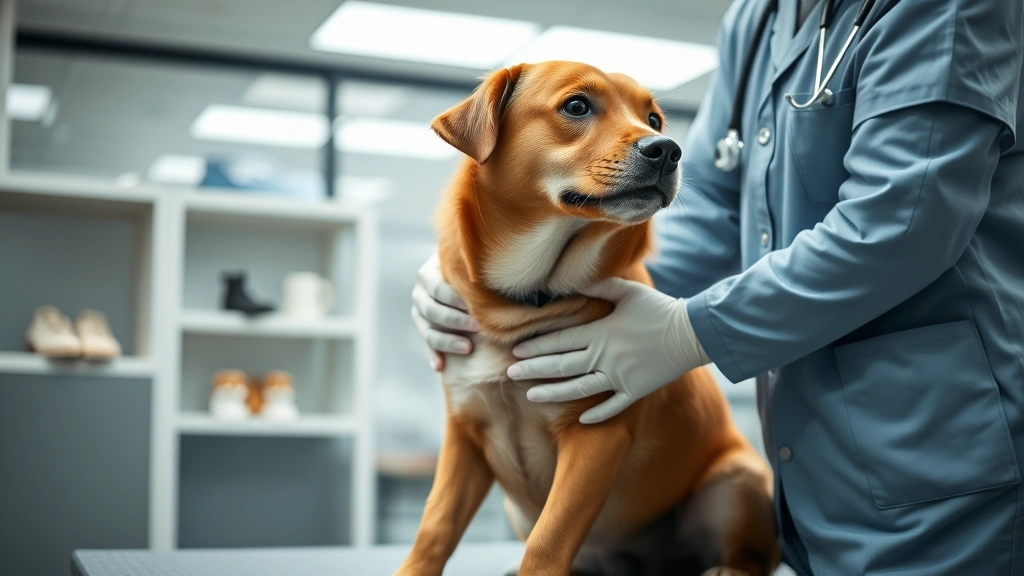
If you notice pale gums and fast breathing, get to an emergency vet immediately. Don’t wait for a regular appointment.
Sign #6: Coughing or Gagging with Fast Breathing
A persistent cough alongside rapid breathing could indicate pneumonia, bronchitis, heart disease, or a foreign object stuck in the throat. Some dogs gag as if something is caught. This combination deserves veterinary attention within 24 hours at minimum.
Keep track of when the coughing happens—during certain times of day, after eating, or constantly. This helps your vet diagnose the cause.
Sign #7: Anxiety or Restlessness with Breathing Changes
Some dogs breathe faster when anxious or scared. However, if your normally calm dog suddenly seems anxious and is breathing rapidly without an obvious trigger, something physical may be wrong. Pain, fever, or hormonal changes can make dogs feel unsettled.
If anxiety-driven fast breathing is new for your dog, mention it to your vet. They can rule out medical causes before exploring behavioral factors.
Common Causes of Fast Breathing in Dogs
Fast breathing can stem from many sources. Here are the most common ones:
- Heat or exercise: Normal and resolves quickly
- Stress or fear: Usually temporary
- Respiratory infections: Pneumonia, bronchitis
- Heart disease: Reduces oxygen circulation
- Pain: From injuries, arthritis, or other conditions
- Fever: Body’s response to infection
- Anemia: Low red blood cell count
- Obesity: Extra weight strains the respiratory system
- Medication side effects: Some drugs increase breathing rate
Your vet will help pinpoint which cause applies to your dog through a physical exam and, if needed, blood work or imaging.
How to Talk to Your Vet About Dog Breathing Fast
Come prepared with details. Write down:
- When you first noticed the fast breathing
- Whether it’s constant or comes and goes
- What your dog was doing when you noticed it
- Any other symptoms (coughing, lethargy, loss of appetite)
- Your dog’s age, breed, and medical history
- Any recent changes in behavior or environment
If you’re unsure whether your pet needs urgent care, a quick telehealth check-in can give you peace of mind—no appointment needed. Many pet owners find online vet visits helpful for peace of mind when they’re worried but not certain it’s an emergency.
When to Seek Emergency Care
Don’t wait for a regular appointment if your dog shows:
- Severe difficulty breathing or gasping for air
- Pale, white, or bluish gums or tongue
- Unconsciousness or collapse
- Excessive drooling or inability to swallow
- Choking sounds or inability to bark
- Rapid breathing paired with chest pain signs (whining, reluctance to move)
These warrant an immediate trip to an emergency veterinary clinic, not a wait-and-see approach.
At-Home Monitoring Tips
While you wait for a vet appointment, keep your dog comfortable and cool. Here’s what you can do:
- Keep them in a calm, quiet environment
- Ensure they have access to fresh water
- Avoid strenuous exercise or play
- Monitor their breathing rate and note any changes
- Watch for additional symptoms
- Keep a log of when fast breathing occurs
Don’t try to force your dog to rest if they seem anxious. Sometimes letting them find their own comfortable position helps.
What to Expect at the Vet Visit
Your vet will perform a thorough physical exam, listening to your dog’s heart and lungs with a stethoscope. They may ask you to demonstrate your dog’s normal breathing patterns. Depending on what they find, they might recommend blood work, X-rays, or ultrasound imaging.

Be honest about all symptoms, even ones that seem unrelated. Sometimes a piece of information you think is minor helps your vet solve the puzzle.
Breed-Specific Considerations
Some dog breeds are predisposed to breathing issues. Brachycephalic breeds (flat-faced dogs like Bulldogs and Pugs) naturally breathe faster and may snore or snuffle. However, even in these breeds, a sudden change in breathing warrants a vet check. Larger breeds are more prone to heart disease, which often presents with rapid breathing.
If you have a breed prone to respiratory issues, discuss this with your vet during regular check-ups so you know what’s normal for your dog.
Prevention and Long-Term Health
While you can’t prevent all breathing issues, you can support your dog’s respiratory health:
- Keep your dog at a healthy weight
- Provide regular, moderate exercise
- Maintain a smoke-free environment
- Schedule annual vet check-ups
- Watch for early warning signs of heart or respiratory disease
- Keep vaccinations current to prevent infections
Regular wellness visits help catch problems early, before they become serious. Your vet can spot subtle changes that might escape your notice.
Summary: Taking Action on Fast Breathing
Fast breathing in dogs ranges from completely normal to a sign of something serious. The key is knowing your dog’s baseline and watching for changes. If your dog is breathing fast at rest, showing signs of distress, or displaying other symptoms alongside rapid breathing, don’t hesitate to contact your vet.
Early intervention often makes a huge difference in outcomes. Your vet has the tools and expertise to figure out what’s going on and get your dog back to feeling better.
Frequently Asked Questions
How do I know if my dog’s fast breathing is normal?
Normal fast breathing occurs during or right after exercise, in warm environments, or when your dog is excited. If the breathing slows within a few minutes of rest in a cool space, it’s likely normal. Persistent fast breathing at rest is not normal.
Can anxiety cause fast breathing in dogs?
Yes, anxiety and stress can increase breathing rate. However, if your dog suddenly becomes anxious without an obvious trigger and breathes rapidly, a medical issue could be the underlying cause. Your vet can help distinguish between the two.
Is fast breathing a sign of heart disease in dogs?
Fast breathing can be one sign of heart disease, especially when paired with lethargy, coughing, or pale gums. However, many other conditions cause rapid breathing. Only a vet can diagnose heart disease through examination and testing.
Should I go to the emergency vet for fast breathing?
Go to the emergency vet immediately if your dog is struggling to breathe, has pale gums, is unconscious, or shows severe distress. For other cases of fast breathing, a same-day or next-day regular vet appointment is usually appropriate.
Can I check my dog’s breathing rate at home?
Yes. Count your dog’s chest rises for one full minute while they’re calm and resting. A rate above 30 breaths per minute at rest is worth discussing with your vet. Keep a log if fast breathing is intermittent.
What to Do Now
Take these steps today if you’re concerned about your dog’s breathing:
- Count your dog’s resting breathing rate for one full minute and note the number. If it’s consistently above 30 breaths per minute, contact your vet.
- Write down when you first noticed fast breathing and any other symptoms your dog is showing. Include details about their behavior, appetite, and energy level.
- Schedule a vet appointment for a same-day or next-day evaluation. If your dog shows emergency signs (pale gums, severe distress, unconsciousness), go to an emergency clinic instead.
- Keep your dog calm and cool while you wait for the appointment. Avoid strenuous activity and ensure they have fresh water available.
- Consider a telehealth vet visit if you want quick reassurance before a full exam. Online vet consultations for dog panting and breathing issues can help you decide if urgent care is needed.
Your dog depends on you to notice when something’s off. Reaching out to your vet about fast breathing shows you’re a caring, attentive pet parent. Trust your instincts—if something feels wrong, it’s worth getting checked out.