
If your dog has been scratching at their ears more than usual, shaking their head frequently, or you’ve noticed a foul odor coming from inside their ears, you’re right to be concerned. Learning when and how to talk to vet about dog ear infection can make all the difference in your pup’s comfort and recovery. Ear infections are one of the most common reasons pet owners reach out to veterinarians, and catching them early puts you in a great position to help.
Table of Contents
- Why Dog Ear Infections Are More Common Than You Think
- Recognizing the Signs: When to Talk to Your Vet About Dog Ear Infection
- Understanding Different Types of Ear Infections
- What to Expect When You Talk to Your Vet
- The Role of Allergies in Ear Infections
- At-Home Care and Prevention Strategies
- Telehealth: A Convenient Way to Talk to Your Vet
- When Ear Infections Become Emergencies
- Managing Chronic or Recurring Infections
- Related Health Concerns to Discuss
- Frequently Asked Questions
- What to Do Now
- Summary: Taking Action on Your Dog’s Ear Health
This article is for informational purposes only and is not a substitute for professional veterinary advice. Always consult a licensed veterinarian for diagnosis and treatment.
Why Dog Ear Infections Are More Common Than You Think
Dog ear infections happen more often than many pet owners realize. Your dog’s ear canal is shaped differently than a human’s—it’s more L-shaped and enclosed, which creates a warm, moist environment where bacteria and yeast thrive. Certain breeds with floppy ears or hair-filled ear canals are especially prone to infections.
Understanding the root causes helps you recognize when it’s time to reach out to your veterinarian. Some dogs are simply more susceptible due to genetics, while others develop infections from swimming, allergies, or ear mites.
Recognizing the Signs: When to Talk to Your Vet About Dog Ear Infection
The earlier you notice symptoms, the faster you can address them. Here are the most common warning signs:
- Excessive scratching or pawing at the ears, sometimes until the skin becomes raw
- Head shaking that seems more frequent or intense than normal
- Odor coming from the ear canal—often described as yeasty or musty
- Visible discharge that may be brown, yellow, or black in color
- Redness or swelling inside or around the ear flap
- Sensitivity to touch around the ear area—your dog may yelp or pull away
- Behavioral changes like increased irritability or difficulty sleeping
If you’re noticing even one or two of these signs, it’s worth scheduling a conversation with your veterinarian. Catching this early puts you in a great position to help your dog feel better quickly.
Understanding Different Types of Ear Infections
Not all dog ear infections are the same. Your vet will need to determine what type your dog is experiencing to recommend the right treatment approach.
Bacterial infections are common and often develop when moisture gets trapped in the ear or when your dog has scratched the area so much that bacteria enter through broken skin. Yeast infections thrive in warm, moist environments and are often linked to allergies or immune system issues. Ear mites are parasitic and highly contagious between pets, causing intense itching and dark, crumbly discharge.
When you talk to your vet about your dog’s ear infection, they’ll likely examine the ear canal with an otoscope and may take a sample to identify the exact cause. This diagnostic step is crucial because treatment varies significantly depending on the infection type.
What to Expect When You Talk to Your Vet
Knowing what to prepare before your appointment makes the conversation more productive. Your vet will want to know when the symptoms started, whether your dog has had ear infections before, and if there are any other health concerns happening at the same time.
Be ready to describe the discharge (color, consistency, smell), how often your dog is scratching, and whether anything seems to make it better or worse. If your dog swims frequently, spends time in humid environments, or has known allergies, mention those details too.
During the exam, your vet will look inside the ear canal, check for redness and swelling, and assess whether the eardrum appears intact. They may also recommend additional tests to rule out underlying conditions like allergies or autoimmune issues.
The Role of Allergies in Ear Infections
Many dog ear infections aren’t just random events—they’re often connected to underlying allergies. Dogs with food sensitivities or environmental allergies frequently experience recurring ear infections because allergies cause inflammation that makes ears more susceptible to bacterial and yeast overgrowth.

When you talk to your vet about your dog’s ear infection, ask whether allergies might be playing a role. If your dog has had multiple infections over the past year, your vet may recommend allergy testing or a dietary trial to identify and address the root cause rather than just treating the infection itself.
This proactive approach can prevent future infections and save you money and frustration in the long run. Many vets now recognize that treating the whole dog—not just the infected ear—leads to better long-term outcomes.
At-Home Care and Prevention Strategies
While your vet handles the medical treatment, there’s plenty you can do at home to support healing and prevent future infections.
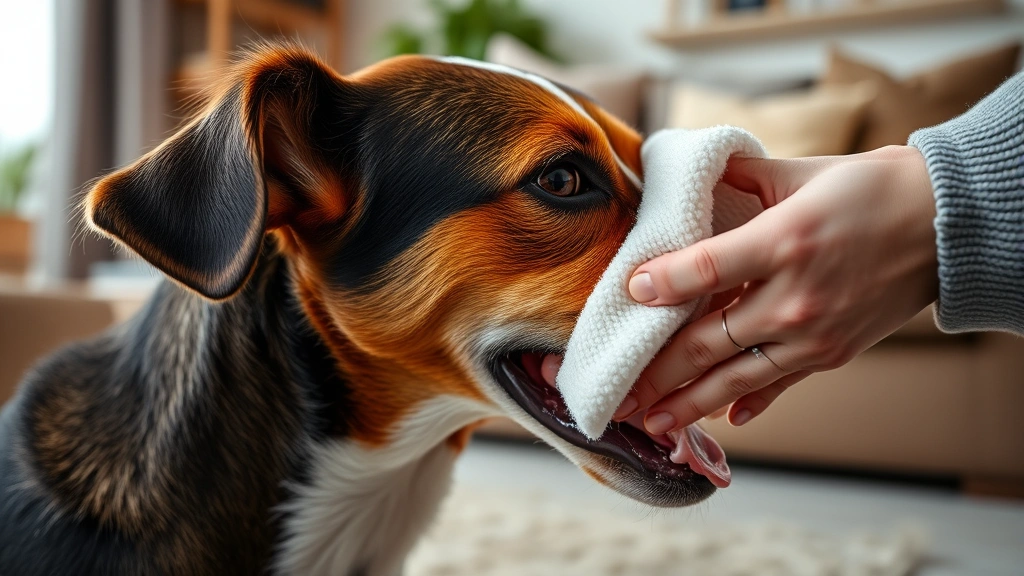
- Keep ears dry after baths or swimming by gently drying the ear flaps and canal with a soft cloth
- Limit swimming until the infection clears, or use cotton balls with petroleum jelly to protect ears during water activities
- Clean ears regularly with a vet-approved cleanser—your vet can show you the proper technique
- Avoid inserting objects into the ear canal; let your vet handle any deep cleaning
- Monitor for recurrence and note any patterns in when infections happen
These simple steps, combined with addressing any underlying allergies, create an environment where your dog’s ears stay healthy.
Telehealth: A Convenient Way to Talk to Your Vet
If you’re unsure whether your dog needs urgent care or want a quick professional opinion before scheduling an in-person visit, telehealth veterinary services offer a convenient option. A quick telehealth check-in can give you peace of mind—no appointment needed.
During a telehealth consultation, your vet can assess your dog’s symptoms, answer questions about ear care, and advise whether an in-person exam is necessary. This is especially helpful if you’re noticing early signs and want to catch the infection before it becomes severe, or if you have questions about at-home care while waiting for an appointment.
Many pet owners find that having this accessible option reduces anxiety and helps them make confident decisions about their dog’s health.
When Ear Infections Become Emergencies
Most ear infections aren’t emergencies, but certain situations warrant urgent attention. If your dog is experiencing severe pain, has a ruptured eardrum, or shows signs of infection spreading to the middle or inner ear (like loss of balance, head tilting, or neurological symptoms), seek immediate veterinary care.
Chronic or untreated ear infections can lead to serious complications, so staying proactive about scheduling vet visits when you first notice symptoms is important. Your vet can assess whether the situation is routine or requires expedited treatment.
Managing Chronic or Recurring Infections
Some dogs experience recurring ear infections despite treatment. If your dog falls into this category, talk to your vet about long-term management strategies.
Your vet might recommend regular ear cleaning schedules, dietary changes to address food sensitivities, or supplements that support ear health. For dogs with chronic issues, establishing a preventive routine often works better than waiting for infections to develop.
Breeds prone to ear problems—like Cocker Spaniels, Basset Hounds, and German Shepherds—benefit from owners who are proactive about ear maintenance and regular vet check-ins. This approach keeps your dog comfortable and reduces the frequency of infections over time.
Related Health Concerns to Discuss
When you talk to your vet about your dog’s ear infection, it’s a good opportunity to discuss related health issues. If your dog also has skin rashes or itching, these might indicate the same underlying allergy affecting multiple areas of the body.
Additionally, if you have multiple pets, mention whether any of them are experiencing similar symptoms. Some ear issues, like mite infestations, are contagious and may require treating all animals in the household. Your vet can provide guidance on protecting your other pets while treating the infected dog.
Frequently Asked Questions
How long does it take for a dog ear infection to clear up?
Most bacterial and yeast infections respond to treatment within 7-14 days, though some cases take longer depending on severity and the dog’s individual response to treatment.
Can I treat my dog’s ear infection at home without seeing a vet?
It’s not recommended. Your vet needs to identify the infection type to prescribe appropriate treatment. Using the wrong remedy can worsen the condition or delay healing.
Are dog ear infections contagious to humans?
No, dog ear infections are not contagious to humans, but some types (like mite infestations) can spread to other pets in your home.
What’s the difference between ear cleaning and ear treatment?
Cleaning removes debris and discharge, while treatment addresses the infection itself with medication. Your vet may recommend both as part of the recovery plan.
Why does my dog keep getting ear infections?
Recurring infections often signal underlying allergies, ear mite exposure, or structural factors that create a favorable environment for infection. Your vet can help identify the cause.
What to Do Now
- Schedule a vet appointment if you haven’t already—describe your dog’s symptoms when booking so the vet can allocate enough time for a thorough exam
- Document the symptoms you’ve noticed (when they started, what discharge looks like, how often scratching occurs) to share with your vet
- Ask about underlying causes during your appointment, especially if this is your dog’s first infection or if they’ve had recurring issues
- Get clear instructions on at-home care, including how to clean ears safely and what signs would warrant urgent follow-up care
- Consider telehealth if you want a quick professional opinion before committing to an in-person visit or if you have questions during recovery
Summary: Taking Action on Your Dog’s Ear Health
Knowing when and how to talk to your vet about your dog’s ear infection empowers you to act quickly and confidently. Ear infections are treatable, and early intervention prevents complications and reduces your dog’s discomfort.
Whether you’re noticing the first signs of infection or dealing with a chronic issue, your veterinarian is your best resource. They can diagnose the exact cause, recommend appropriate treatment, and help you develop strategies to prevent future infections.
Don’t wait if you’re seeing symptoms. Your dog’s comfort matters, and addressing ear infections promptly is one of the best ways to show you care. Reach out to your vet today—whether through a traditional appointment or a convenient telehealth consultation—and get your pup back to their happy, itch-free self.