
If you’ve noticed your dog sleeping more than usual, moving slower, or seeming less interested in activities they once loved, it’s time to talk to vet about dog lethargy. Lethargy—that persistent lack of energy and enthusiasm—is one of the most common signs that something isn’t quite right with your furry friend, and it deserves your attention.
Table of Contents
- What Causes Dog Lethargy?
- Why You Should Talk to Your Vet Right Away
- Common Medications for Dog Lethargy and Underlying Conditions
- What to Expect During Your Vet Visit
- Supporting Your Dog While on Medication
- When to Seek Urgent Care
- The Role of Telehealth in Managing Dog Lethargy
- Preventing Lethargy: Long-Term Wellness Tips
- Frequently Asked Questions
- What to Do Now
- Summary
This article is for informational purposes only and is not a substitute for professional veterinary advice. Always consult a licensed veterinarian for diagnosis and treatment.
Lethargy isn’t a diagnosis in itself; it’s a symptom that points to an underlying issue. The good news? Catching this early puts you in a great position to help your dog feel like themselves again. Understanding what might be causing your dog’s sluggishness and knowing which medications your vet might recommend can help you feel more prepared and less anxious during your appointment.
What Causes Dog Lethargy?
Dog lethargy can stem from dozens of different causes, ranging from minor to serious. Your dog may be experiencing low energy due to infection, hormonal imbalances, pain, nutritional deficiencies, or chronic conditions like kidney disease or thyroid problems.
Sometimes lethargy is a sign of depression or anxiety, especially after major life changes. Other times, it’s the body’s way of signaling that something physical needs attention. This is why talking with a veterinarian is so crucial—they can run tests and rule out serious conditions.
Environmental factors matter too. A dog who’s too hot, not exercising enough, or eating a poor-quality diet might seem lethargic. However, sudden changes in energy levels almost always warrant a professional evaluation.
Why You Should Talk to Your Vet Right Away
Waiting and hoping lethargy goes away on its own can delay treatment for a condition that’s getting worse. Your vet has the tools and expertise to identify what’s really going on through physical exams, bloodwork, and imaging if needed.
During your visit, bring a list of when the lethargy started, any other symptoms you’ve noticed (loss of appetite, changes in bathroom habits, weight loss), and your dog’s complete medical history. This information helps your vet narrow down possibilities quickly.
If you’re unsure whether your pet needs urgent care, a quick telehealth check-in can give you peace of mind—no appointment needed. Many vets can assess your dog’s symptoms and advise whether an in-person visit is necessary.
Common Medications for Dog Lethargy and Underlying Conditions
Once your vet identifies the cause of your dog’s lethargy, they may recommend medications to address it. Here are seven categories of medications commonly used to treat conditions that cause low energy in dogs:
1. Thyroid Hormone Replacements
Hypothyroidism (an underactive thyroid) is one of the most common causes of lethargy in dogs. When the thyroid isn’t producing enough hormone, metabolism slows dramatically, leaving dogs feeling exhausted.
Thyroid replacement medications work by restoring hormone levels to normal. Most dogs show improvement within weeks, regaining their energy and enthusiasm. Your vet will need to monitor thyroid levels periodically to ensure the dose is correct.
2. Antibiotics for Infections
Bacterial or fungal infections can make dogs feel weak and tired. Infections like urinary tract infections, ear infections, or skin infections drain a dog’s energy as their immune system fights back.
The right antibiotic targets the specific infection, allowing your dog to recover. Once the infection clears, energy levels typically bounce back naturally. Always complete the full course your vet prescribes, even if your dog seems better.
3. Pain Management Medications
Chronic pain from arthritis, injuries, or other conditions often manifests as lethargy. A dog in pain conserves energy and avoids movement, appearing sluggish and withdrawn.
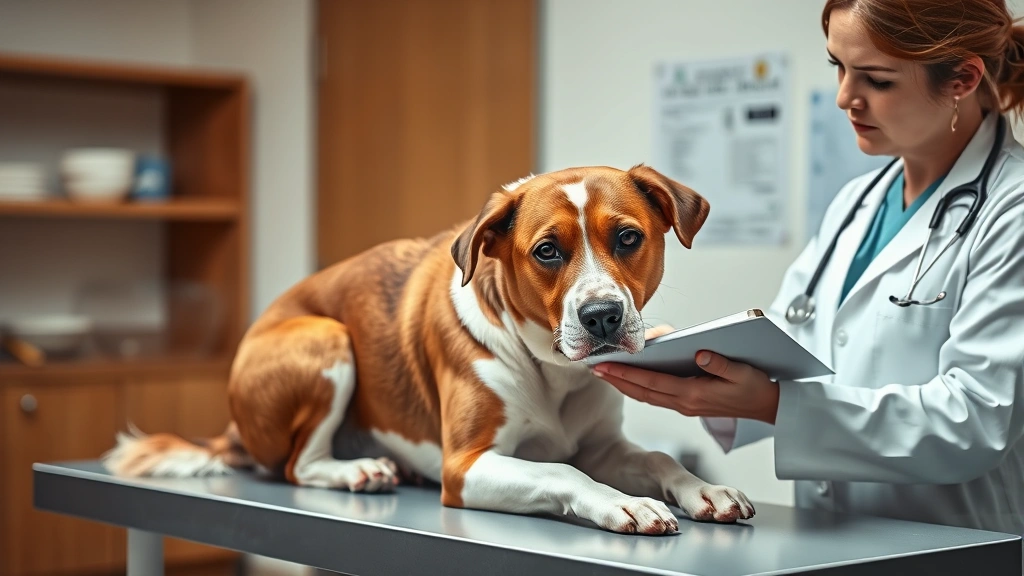
Pain relief medications help your dog feel comfortable enough to move, play, and engage again. This restored activity level often leads to improved overall well-being and mood. Your vet might recommend non-steroidal anti-inflammatory drugs or other pain management options tailored to your dog’s needs.
4. Medications for Gastrointestinal Issues
When your dog’s digestive system isn’t working properly, they can’t absorb nutrients efficiently. This malabsorption leads to weakness and fatigue. Issues ranging from chronic gastrointestinal problems to food sensitivities can cause this.
Medications that address inflammation, regulate digestion, or treat underlying infections can restore your dog’s ability to absorb nutrients. Combined with dietary adjustments, these medications often restore energy quickly.
5. Cardiac Medications
Heart disease reduces the amount of oxygen-rich blood circulating through your dog’s body. The result? Profound lethargy and exercise intolerance. Dogs with heart conditions tire easily and prefer resting.
Cardiac medications improve heart function and blood flow, allowing more oxygen to reach tissues. Many dogs show noticeable energy improvements once their heart condition is managed properly.
6. Medications for Liver or Kidney Disease
The liver and kidneys are vital for removing toxins and maintaining proper body chemistry. When these organs aren’t functioning well, toxins build up and dogs feel exhausted and unwell.
Medications that support organ function or manage the symptoms of organ disease can help your dog feel better. Often these are combined with special diets and other supportive care to slow disease progression.
7. Supplements and Appetite Stimulants
Sometimes lethargy stems from poor nutrition or loss of appetite. If your dog isn’t eating enough, they lack the fuel to maintain energy levels.
Your vet may recommend appetite stimulants to help your dog eat more, or nutritional supplements to fill dietary gaps. These support recovery from underlying conditions and help rebuild strength and stamina.
What to Expect During Your Vet Visit
Your veterinarian will start with a thorough physical examination, checking your dog’s heart, lungs, abdomen, and overall body condition. They’ll ask detailed questions about your dog’s behavior, appetite, bathroom habits, and any recent changes.
Bloodwork is often the next step. A complete blood count and chemistry panel can reveal infections, thyroid problems, organ dysfunction, anemia, and nutritional deficiencies. Some vets may recommend additional testing like urinalysis or imaging.
Once your vet has a diagnosis, they’ll discuss treatment options with you. This is when medication recommendations come into play. Don’t hesitate to ask about potential side effects, how long improvement might take, and what monitoring is necessary.
Supporting Your Dog While on Medication
Medication is often just part of the solution. Here’s how you can support your dog’s recovery:
- Follow dosing instructions carefully – Give medications exactly as prescribed, at the right times.
- Monitor for changes – Keep notes on your dog’s energy, appetite, and behavior. Share observations with your vet.
- Provide good nutrition – A high-quality diet supports recovery and overall health.
- Gentle exercise – As your dog improves, light activity helps rebuild strength. Avoid overexertion.
- Regular vet check-ups – Follow-up appointments ensure the medication is working and doses are appropriate.
- Be patient – Some conditions take time to improve. Trust the process and your vet’s guidance.
When to Seek Urgent Care
While lethargy often develops gradually, some situations need immediate attention. Seek emergency care if your dog is:

- Completely unresponsive or unconscious
- Having difficulty breathing
- Showing signs of severe pain
- Vomiting repeatedly or unable to keep food down
- Bleeding or showing other signs of trauma
- Having seizures
Catching these emergencies early puts you in a great position to help your dog survive and recover.
The Role of Telehealth in Managing Dog Lethargy
If you’re concerned about your dog’s lethargy but unsure whether it requires an emergency visit, telehealth veterinary services can be incredibly helpful. Your vet can assess your dog’s symptoms through video, ask detailed questions, and advise whether in-person evaluation is necessary.
Telehealth is also convenient for follow-up appointments to monitor how well medications are working. Many pet owners find it less stressful for their dogs and more flexible for their own schedules.
Preventing Lethargy: Long-Term Wellness Tips
While not all lethargy is preventable, maintaining your dog’s overall health reduces risk. Feed a balanced, high-quality diet appropriate for your dog’s age and size. Keep your dog at a healthy weight through regular exercise and portion control.
Schedule annual vet checkups, and more frequent visits as your dog ages. Keep vaccinations current and parasite prevention up to date. Provide mental stimulation through play and training to keep your dog engaged and happy.
Address behavioral and emotional needs too. Dogs experiencing anxiety or depression may seem lethargic. A secure, loving environment with regular social interaction supports mental health and energy levels.
Frequently Asked Questions
How long does it take for medication to help my dog’s lethargy?
It depends on the underlying cause and medication type. Some dogs improve within days, while others take weeks. Your vet can give you a timeline based on your dog’s specific condition.
Can lethargy in dogs be caused by something simple like boredom?
Yes, lack of mental and physical stimulation can contribute to low energy. However, sudden lethargy usually signals a medical issue, so always consult your vet to rule out health problems first.
Is lethargy in senior dogs always normal?
While older dogs naturally have less energy, significant lethargy changes warrant investigation. Senior dogs can develop thyroid problems, arthritis, and other conditions that cause unusual tiredness and deserve treatment.
What if my dog doesn’t improve on the prescribed medication?
Tell your vet immediately. They may need to adjust the dose, try a different medication, or run additional tests to identify a condition they initially missed.
Can I use over-the-counter supplements instead of prescription medication?
Some supplements can support health, but they’re not replacements for prescription medications treating specific conditions. Always discuss supplements with your vet before starting them.
What to Do Now
Take these steps to address your dog’s lethargy:
- Schedule a vet appointment – Contact your veterinarian or use a telehealth service to discuss your dog’s symptoms and arrange an evaluation.
- Document observations – Write down when lethargy started, other symptoms present, changes in appetite or bathroom habits, and your dog’s daily activities.
- Gather medical history – Compile your dog’s vaccination records, previous health issues, current diet, and any medications or supplements they’re taking.
- Prepare questions – Ask your vet about the likely cause, treatment options, expected timeline for improvement, and what monitoring is needed.
- Follow through with treatment – Once medication is prescribed, give it exactly as directed and attend follow-up appointments to ensure it’s working.
Summary
Dog lethargy is your pet’s way of telling you something needs attention. Whether caused by thyroid problems, infections, pain, or organ disease, lethargy responds well to proper diagnosis and treatment. By talking to your vet about dog lethargy, you’re taking the most important step toward helping your dog feel energetic and healthy again.
Don’t wait and hope it passes. Your vet has the knowledge and tools to identify what’s wrong and recommend appropriate medications. Whether through traditional appointments or convenient telehealth options, getting professional guidance quickly means your dog can start feeling better sooner. Your attentive care and willingness to seek help make all the difference in your dog’s recovery and long-term wellness.