
If you’ve noticed your dog licking their paws constantly, you’re not alone—and yes, you should definitely talk to a vet about dog licking paws to get to the root of the problem. This behavior can range from a harmless habit to a sign of something more serious, and figuring out which is crucial for your furry friend’s comfort and health.
Table of Contents
- Why Dogs Lick Their Paws: The Most Common Causes
- When Licking Becomes Obsessive: Red Flags to Watch For
- Allergies and Paw Licking: What You Need to Know
- Infections and Parasites: When Paw Licking Signals a Bigger Problem
- Behavioral and Anxiety-Related Paw Licking
- What to Expect When You Talk to a Vet About Dog Licking Paws
- 7 Essential Solutions for Dog Paw Licking
- Home Care Tips While You Wait for Your Vet Appointment
- When to Seek Urgent Veterinary Care
- Frequently Asked Questions
- What to Do Now: Your Action Plan
- Summary: Taking Action on Dog Paw Licking
This article is for informational purposes only and is not a substitute for professional veterinary advice. Always consult a licensed veterinarian for diagnosis and treatment.
Paw licking is one of those behaviors that can seem innocent at first. Maybe your dog does it when they’re bored, or you notice it happening right before bedtime. But when it becomes frequent or obsessive, it’s worth paying attention. The good news? Most cases of excessive paw licking are very manageable once you understand what’s driving the behavior.
Why Dogs Lick Their Paws: The Most Common Causes
Dogs lick their paws for many different reasons, and understanding the underlying cause is the first step toward helping them. Some causes are behavioral, while others are medical—and sometimes it’s a combination of both.
Allergies are one of the most frequent culprits. Whether it’s food allergies, environmental allergies, or contact allergies from walking on certain surfaces, an itchy paw can trigger constant licking. Your dog may be experiencing mild discomfort that feels soothing when they lick it.
Skin infections—bacterial or fungal—can also cause paw licking. Yeast infections in particular are common between the toes and can feel quite uncomfortable. If you notice redness, swelling, or an unusual smell coming from your dog’s paws, these could be signs of infection.
Parasites like fleas or mites are another possibility. Even if you don’t see visible fleas, a single flea bite can trigger itching in sensitive dogs. Mites burrow into the skin and cause intense itching, especially around the paws and ears.
When Licking Becomes Obsessive: Red Flags to Watch For
There’s a difference between occasional paw licking and obsessive behavior. Learning to spot the difference helps you know when it’s time to talk to a vet about dog licking paws.
If your dog is licking their paws so much that they’re causing hair loss, sores, or raw patches, that’s a clear red flag. Similarly, if the licking is happening multiple times throughout the day or seems to be interfering with sleep or play, something needs attention.
Obsessive paw licking can sometimes indicate anxiety or stress. Dogs may develop this habit as a self-soothing behavior, similar to how humans might bite their nails when nervous. If you’ve noticed the licking started after a major life change—a move, a new pet, or a change in routine—anxiety could be the culprit.
Catching this early puts you in a great position to help your dog feel better and prevent the behavior from becoming deeply ingrained.
Allergies and Paw Licking: What You Need to Know
Allergies are the leading cause of excessive paw licking in dogs. The paws are particularly vulnerable because they’re in constant contact with the ground, allergens in grass, and whatever your dog walks through during the day.
Food allergies often show up as itching on the paws, face, and ears. Common culprits include chicken, beef, wheat, and corn. If you suspect a food allergy, your vet can help you identify the trigger through an elimination diet or other testing methods.
Environmental allergies—to pollen, dust mites, or mold—are seasonal or year-round depending on your location. If your dog’s paw licking gets worse during certain times of year, seasonal allergies are likely involved.
You can explore dog skin allergies home treatment options in consultation with your vet, including dietary adjustments, supplements, and environmental changes.
Infections and Parasites: When Paw Licking Signals a Bigger Problem
Yeast and bacterial infections thrive in warm, moist environments—and the space between a dog’s toes is the perfect breeding ground. These infections often develop secondary to allergies or poor paw hygiene.
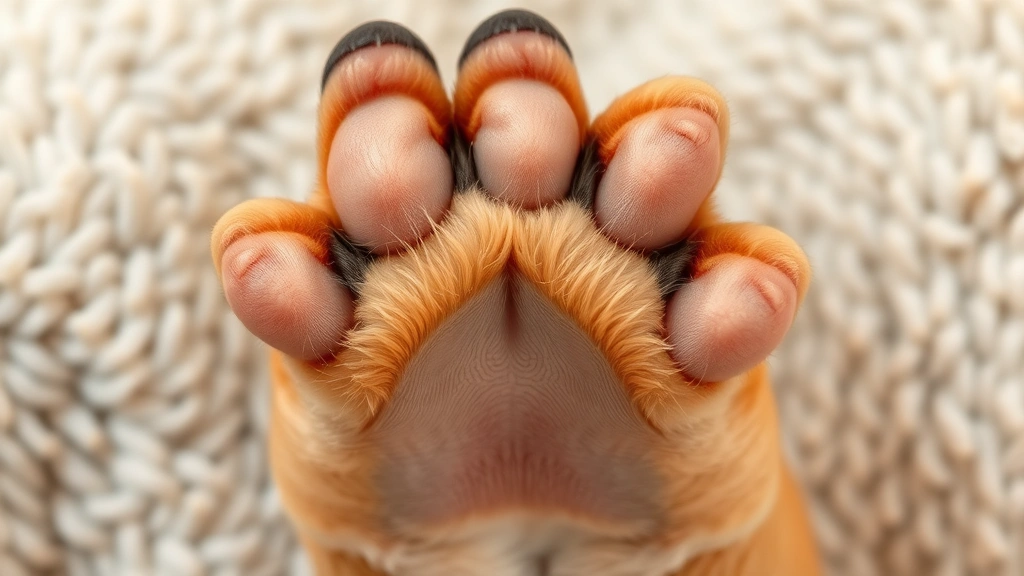
If your dog’s paws have a distinctive corn chip or musty smell, yeast infection is a strong possibility. You might also notice discoloration (reddish or brownish tint) between the toes or on the paw pads.
Fleas and mites require prompt attention. Fleas can cause serious health issues beyond itching, including anemia and tapeworm transmission. Mites, particularly sarcoptic mites, are highly contagious and cause intense itching.
The encouraging news? All of these conditions are treatable. Your vet can identify the specific issue and recommend the right approach to get your dog comfortable again.
Behavioral and Anxiety-Related Paw Licking
Not all paw licking is medical. Some dogs develop this habit as a response to stress, boredom, or anxiety. This type of licking is often more generalized and may affect both front paws equally.
Dogs with separation anxiety might lick their paws excessively when their owners leave. Others may develop the habit if they’re not getting enough mental or physical stimulation during the day. Boredom is a real trigger for repetitive behaviors in dogs.
If behavioral factors are involved, your vet might recommend environmental enrichment, increased exercise, or in some cases, behavioral support or training modifications. Addressing the underlying emotional need is key to breaking the habit.
What to Expect When You Talk to a Vet About Dog Licking Paws
Your vet will start with a thorough physical examination of the paws and surrounding skin. They’ll look for signs of infection, parasites, inflammation, or skin damage from excessive licking.
Be prepared to discuss your dog’s history: When did the licking start? Is it constant or intermittent? Has anything changed recently in your dog’s environment, diet, or routine? Does your dog have any other symptoms like ear scratching, skin rashes, or digestive issues?
Depending on what your vet finds, they may recommend diagnostic tests like skin scrapings, fungal cultures, or allergy testing. These help pinpoint the exact cause so treatment can be targeted and effective.
If you’re unsure whether your pet needs urgent care, a quick telehealth check-in can give you peace of mind—no appointment needed. Many cases of paw licking can be evaluated and discussed online, giving you guidance on next steps.
7 Essential Solutions for Dog Paw Licking
Once you’ve identified the cause, here are evidence-based approaches to address excessive paw licking:
- Treat underlying allergies: Work with your vet to identify and manage food or environmental allergies through diet changes, supplements, or medications as needed.
- Address infections promptly: If yeast or bacterial infection is present, topical or oral treatments can resolve the issue quickly. Keep paws clean and dry.
- Implement parasite prevention: Use vet-recommended flea and tick prevention year-round to eliminate this common irritant.
- Increase exercise and mental stimulation: A tired dog is less likely to develop anxiety-based licking habits. Aim for at least 30 minutes of active play daily.
- Use protective barriers: Dog booties or paw wraps can prevent licking while healing occurs and reduce contact with environmental irritants.
- Maintain paw hygiene: Regular cleaning, drying, and trimming of paw fur reduces moisture and prevents infections from developing.
- Consider calming supplements: In consultation with your vet, certain supplements like omega-3 fatty acids or calming herbs may support skin health and reduce anxiety-driven licking.
Home Care Tips While You Wait for Your Vet Appointment
You don’t have to wait passively while your dog suffers. There are several things you can do right now to provide relief.
Keep the paws clean and dry. Wash them gently with warm water after outdoor time, especially if your dog has been in wet grass or muddy areas. Dry thoroughly between the toes.
Consider using a cone or Elizabethan collar temporarily to prevent further damage from licking while you’re sorting out the cause. This gives any raw areas a chance to heal.
Increase your dog’s activity level. More exercise means less time for anxious licking and better overall stress management.
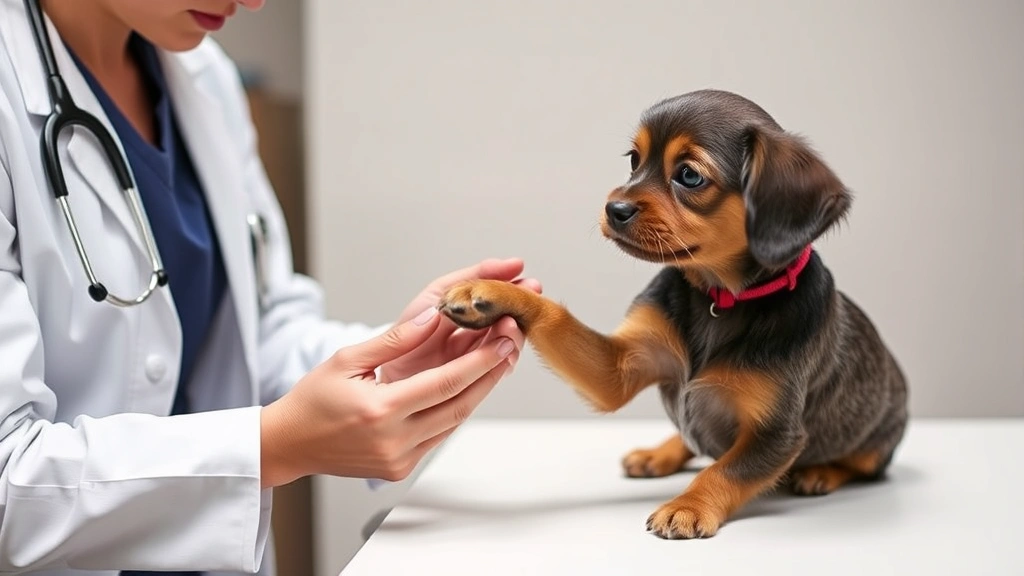
You might also explore talking to a vet about dog itching online to get personalized advice about soothing strategies and whether your dog needs to be seen in person.
When to Seek Urgent Veterinary Care
Most cases of paw licking can be handled with a regular vet appointment, but some situations warrant faster action.
Seek urgent care if your dog has open sores, signs of infection (swelling, pus, warmth), or if the licking is so severe it’s causing bleeding. If your dog seems to be in pain or is limping, that’s also a reason to move up your appointment.
If your dog suddenly starts licking their paws after being bitten by an unknown animal or insect, or if you suspect poisoning from something they stepped in, get them checked right away.
Frequently Asked Questions
Is dog paw licking ever just normal behavior?
Yes, occasional paw licking is completely normal—dogs groom themselves just like cats do. The concern arises when it becomes frequent, obsessive, or causes damage to the paws.
Can I use over-the-counter treatments for paw licking?
Some over-the-counter products may help, but it’s best to identify the underlying cause first with your vet. Treating the symptom without addressing the root cause often leads to the behavior returning.
How long does it take to resolve paw licking once treatment starts?
Timeline varies depending on the cause. Parasites might improve within days of treatment, while allergies may take weeks to stabilize. Behavioral issues often take longer as habits need to be retrained.
Could my dog’s paw licking be a sign of pain elsewhere?
Occasionally, yes. Dogs sometimes lick their paws if they have joint pain or arthritis in their legs. Your vet will rule out these possibilities during examination.
Is paw licking contagious between dogs?
The behavior itself isn’t contagious, but the underlying cause might be. If it’s due to parasites or a fungal infection, other pets in the home could catch it.
What to Do Now: Your Action Plan
Don’t let this concern sit. Here’s exactly what to do next:
- Schedule a vet appointment this week—whether in-person or via telehealth—to get a professional evaluation of your dog’s paw licking.
- Document the behavior: note when it happens, how often, and whether you’ve noticed any patterns (after meals, during certain times of day, in specific locations).
- Check your dog’s paws daily for signs of infection, hair loss, or raw patches, and keep them clean and dry in the meantime.
- Review your dog’s recent diet and environment for any changes that might have triggered the behavior.
- Increase your dog’s daily exercise and playtime to address potential boredom or anxiety factors.
Summary: Taking Action on Dog Paw Licking
Excessive paw licking is your dog’s way of telling you something isn’t right. Whether it’s allergies, infection, parasites, or anxiety, the good news is that most causes are very treatable once identified.
The key is to talk to a vet about dog licking paws sooner rather than later. Early intervention prevents secondary problems like skin damage and infection, and it helps your dog return to comfort faster.
Your vet has the tools and expertise to pinpoint the exact cause and create a treatment plan tailored to your dog’s needs. In the meantime, keep those paws clean, increase activity, and monitor for any changes. You’re already on the right track by recognizing this behavior matters.
Remember: you know your dog best. If something feels off, it’s worth getting checked out. Your dog will thank you for the attention and care.
This article is for general education and is not a substitute for care from your own veterinarian. Learn about The Pet Vet and our editorial policy.