
If your dog is shaking, it’s natural to feel worried—and talking to a vet about dog shaking should be your next step. Tremors in dogs can range from harmless to serious, and understanding what’s causing them helps you get the right care fast.
Table of Contents
- Why Your Dog Is Shaking: The Common Culprits
- 1. Cold and Temperature Sensitivity
- 2. Fear, Anxiety, and Stress
- 3. Pain and Discomfort
- 4. Hypoglycemia (Low Blood Sugar)
- 5. Neurological Issues and Seizures
- 6. Toxin Exposure or Poisoning
- 7. Medical Conditions: Thyroid, Infections, and More
- When to Talk to Your Vet Right Away
- What to Do Now: Your Action Plan
- How Your Vet Will Diagnose the Problem
- Treatment Options: From Home Care to Medical Management
- Can I Talk to a Vet Online About Dog Shaking?
- Frequently Asked Questions
- Summary: Your Next Steps
This article is for informational purposes only and is not a substitute for professional veterinary advice. Always consult a licensed veterinarian for diagnosis and treatment.
Dog shaking can happen for many reasons. Some are minor—like excitement or cold—while others signal underlying health issues that need attention. The good news? Most causes are manageable when caught early. Catching this early puts you in a great position to help your pup feel better.
Why Your Dog Is Shaking: The Common Culprits
Tremors and shaking in dogs fall into a few main categories. Your dog might be shaking due to emotional stress, physical discomfort, or a medical condition. Knowing which one applies to your situation is the first step toward relief.
The most important thing to remember: if the shaking is new, persistent, or accompanied by other symptoms, don’t wait. A quick conversation with your vet can rule out serious issues and give you peace of mind.
1. Cold and Temperature Sensitivity
One of the simplest reasons dogs shake is because they’re cold. Small breeds, thin-coated dogs, and senior pups are especially prone to feeling chilly. If your dog shivers when it’s cool outside or after a bath, this is likely the culprit.
How to help: Provide a cozy sweater, blanket, or warm bed. Keep your home at a comfortable temperature. If shaking stops once your dog warms up, temperature sensitivity is probably the cause.
However, if your dog continues shaking even in warm conditions, it’s time to talk to a vet about dog shaking to rule out other issues.
2. Fear, Anxiety, and Stress
Anxiety is a major reason dogs shake. Thunderstorms, fireworks, vet visits, or changes in routine can trigger trembling. Some dogs are naturally anxious and shake when stressed or overstimulated.
Signs of anxiety-related shaking include:
- Shaking during storms or loud noises
- Tremors when separated from their owner
- Shaking paired with panting or pacing
- Shivering when meeting new people or animals
If anxiety is the cause, creating a calm space and using comfort techniques can help. However, persistent anxiety warrants a vet conversation—they can discuss behavioral strategies or other support options with you.
3. Pain and Discomfort
Dogs often shake when they’re in pain. This could be from arthritis, muscle strain, dental issues, or internal problems. If your dog is limping, whimpering, or reluctant to move, pain is likely involved.
Pain-related shaking is a red flag that needs veterinary attention. Your vet can identify the source and discuss comfort management options. Catching this early puts you in a great position to help your dog stay mobile and comfortable.
Common pain sources include:

- Joint or muscle injuries
- Ear infections or dental disease
- Gastrointestinal upset
- Neurological issues
4. Hypoglycemia (Low Blood Sugar)
Especially in small breeds and puppies, low blood sugar can cause shaking, weakness, and disorientation. This is a medical emergency that requires immediate attention. If your dog is shaking and acting confused or lethargic, seek emergency care right away.
If you suspect hypoglycemia, offer a small amount of honey or sugar water and contact an emergency vet immediately. This condition can progress quickly, so don’t delay.
5. Neurological Issues and Seizures
Seizures, tremor syndromes, and other neurological conditions can cause shaking. Unlike anxiety-related tremors, neurological shaking often happens without an obvious trigger. The dog may seem confused, lose consciousness, or have muscle rigidity.
If you suspect a seizure or neurological problem, video record the episode if possible and contact your vet immediately. Neurological issues need professional diagnosis and management. Your vet may recommend bloodwork, imaging, or specialist referral.
6. Toxin Exposure or Poisoning
Certain toxins cause tremors and shaking in dogs. Chocolate, xylitol, pesticides, medications, and some plants are common culprits. If your dog ate something unusual and then started shaking, this could be poisoning.
This is a potential emergency. Contact your vet or urgent vet consultation services right away. Have the substance name or photo ready so your vet can assess the risk level.
7. Medical Conditions: Thyroid, Infections, and More
Several health conditions cause shaking, including thyroid disorders, infections, and metabolic issues. Dog thyroid disorder sudden onset can trigger tremors. Fever from infection, kidney disease, and other systemic conditions may also present with shaking.
If your dog has other symptoms—like lethargy, appetite changes, or vomiting—medical evaluation is essential. Your vet will likely run bloodwork to check organ function and thyroid levels. Early diagnosis makes treatment more effective.
When to Talk to Your Vet Right Away
Some situations need urgent attention. Contact your vet or emergency clinic immediately if your dog is:
- Shaking uncontrollably or having seizures
- Unresponsive or acting confused
- Vomiting, unable to eat, or showing severe lethargy
- Showing signs of pain or injury
- Possibly exposed to toxins
- Shaking combined with difficulty breathing or collapse
If the shaking is mild and your dog seems otherwise normal, you have a bit more time—but don’t delay more than a day or two. A vet visit will give you answers and peace of mind.
What to Do Now: Your Action Plan
- Observe and document: Note when the shaking started, how long it lasts, what triggers it, and any other symptoms. This information helps your vet narrow down the cause.
- Check for obvious causes: Is your dog cold? Anxious? Did they eat something unusual? Rule out simple explanations first.
- Schedule a vet appointment: Even if the shaking seems minor, a professional evaluation is important. If you’re unsure whether your pet needs urgent care, a quick telehealth check-in can give you peace of mind—no appointment needed.
- Prepare your vet visit: Bring any photos or videos of the shaking, a list of recent diet changes, and notes on your dog’s behavior.
- Follow your vet’s guidance: Once you have a diagnosis, follow treatment recommendations closely. Most causes of shaking are very manageable with proper care.
How Your Vet Will Diagnose the Problem
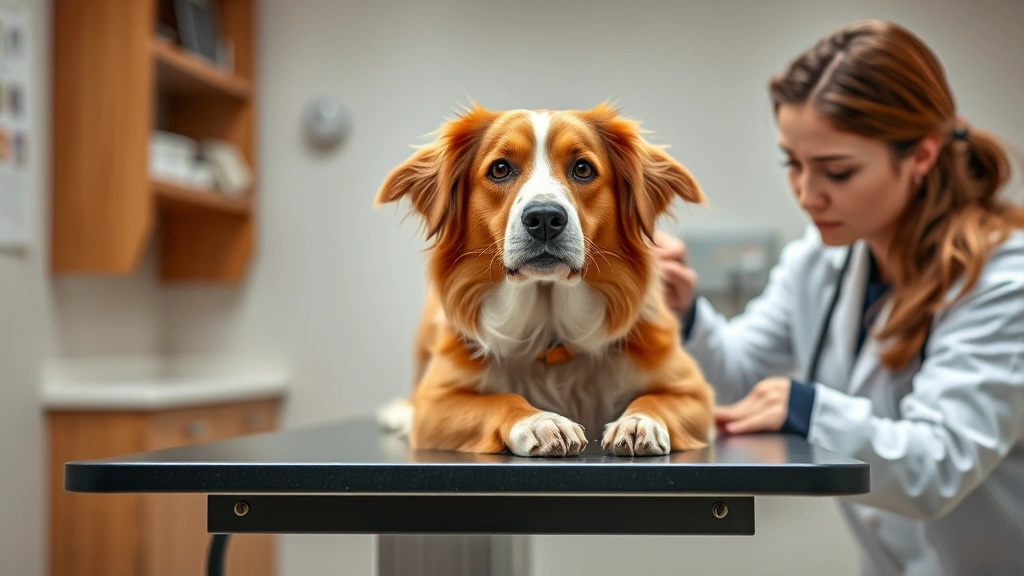
Your vet will start with a physical exam and detailed history. They’ll ask about the shaking pattern, when it started, and any other symptoms. This conversation is crucial—it helps them form a diagnosis.
Depending on what they find, your vet may recommend:
- Blood tests to check organ function and thyroid levels
- Imaging (X-rays or ultrasound) to look for internal issues
- Neurological exams for seizure or nerve problems
- Toxin screening if poisoning is suspected
These tests help pinpoint the exact cause so treatment can be targeted and effective.
Treatment Options: From Home Care to Medical Management
Treatment depends entirely on the underlying cause. For anxiety-related shaking, your vet might suggest behavioral modifications, environmental changes, or other supportive strategies. For pain, comfort measures and appropriate management are key.
Medical conditions like thyroid issues or infections require specific veterinary care. Your vet will create a treatment plan tailored to your dog’s needs. Many conditions improve significantly once diagnosed and managed properly.
The important thing: don’t try to self-diagnose or self-treat. A professional evaluation ensures your dog gets the right care, not just a band-aid solution.
Can I Talk to a Vet Online About Dog Shaking?
Yes! For initial consultations and non-emergency cases, you can talk to a vet about dog shaking online. Telehealth is perfect for describing symptoms, getting professional advice, and deciding whether an in-person visit is needed.
Telehealth works well for:
- Mild, ongoing shaking without emergency signs
- Getting a second opinion
- Quick reassurance and guidance
- Scheduling an in-person appointment if needed
For emergencies—like suspected seizures or toxin exposure—in-person emergency care is necessary. But for many cases, a telehealth conversation is a convenient, helpful first step.
Frequently Asked Questions
Is it normal for dogs to shake sometimes?
Yes, occasional shaking from cold, excitement, or mild stress is normal. However, new, frequent, or persistent shaking warrants a vet check to rule out underlying issues.
Can stress alone cause my dog to shake?
Absolutely. Anxiety from storms, vet visits, or changes in routine commonly causes tremors. If stress-related shaking is frequent, talk to your vet about management strategies.
When is dog shaking a medical emergency?
Seek emergency care if shaking is severe, accompanied by loss of consciousness, difficulty breathing, inability to move, or if you suspect toxin exposure or seizures.
How long should I wait before calling the vet about shaking?
If shaking is new or unusual for your dog, contact your vet within 24 hours. If it’s accompanied by other symptoms, don’t wait—call right away.
Can I give my dog anything at home to stop the shaking?
For cold-related shaking, provide warmth. For anxiety, create a calm environment. For other causes, home remedies aren’t appropriate—veterinary diagnosis is necessary for safe, effective treatment.
Summary: Your Next Steps
Dog shaking can stem from many causes—some simple, some serious. The key is not to ignore it. Observing your dog’s symptoms, documenting when the shaking occurs, and reaching out to your vet gives your pup the best chance at feeling better.
Whether you start with a telehealth conversation or schedule an in-person visit, getting professional input is the right move. Your vet has the expertise to identify the cause and recommend appropriate care. Most cases of shaking are very treatable once properly diagnosed.
Remember: your concern for your dog’s health is exactly right. Trust your instincts, gather information, and work with your vet. Together, you’ll figure out what’s going on and get your dog back to their happy, healthy self.