
If your dog is vomiting, it’s natural to feel worried—and that’s exactly why you should talk to vet about dog vomiting sooner rather than later. Vomiting in dogs can range from a minor hiccup to a sign of something more serious, and knowing what to do makes all the difference in your pet’s recovery.
Table of Contents
- Understanding Why Dogs Vomit
- When Should You Talk to a Vet About Dog Vomiting?
- The 7 Essential Remedies to Discuss With Your Veterinarian
- Common Causes of Dog Vomiting You Should Know
- What to Do Right Now: Your Action Plan
- How Telehealth Can Help When Your Dog Is Vomiting
- Preventing Future Vomiting Episodes
- When to Seek Emergency Care
- Frequently Asked Questions
- Summary: Taking Action When Your Dog Vomits
This article is for informational purposes only and is not a substitute for professional veterinary advice. Always consult a licensed veterinarian for diagnosis and treatment.
Watching your beloved dog struggle with nausea and vomiting is stressful. The good news? Most cases of dog vomiting are manageable, especially when caught early and handled with the right approach. In this guide, we’ll walk you through what causes vomiting, when it’s time to seek help, and practical steps you can take right now.
Understanding Why Dogs Vomit
Dogs vomit for many reasons—some minor, some requiring immediate attention. Your pup might have eaten something they shouldn’t have, or they could be experiencing a more complex gastrointestinal issue. Understanding the root cause is the first step toward helping them feel better.
Common triggers include dietary indiscretion (eating something toxic or spoiled), food sensitivities, infections, or even stress. Sometimes a single vomiting episode is just a one-time occurrence. Other times, it signals an underlying condition that needs professional care.
When Should You Talk to a Vet About Dog Vomiting?
The timing of your call matters. If your dog vomits once and otherwise seems happy and healthy, you might monitor them at home for a few hours. However, certain red flags mean you shouldn’t wait.
Contact your vet immediately if your dog:
- Vomits repeatedly over several hours or days
- Shows signs of lethargy or weakness
- Has a distended or painful abdomen
- Vomits blood or material that looks like coffee grounds
- Won’t eat or drink
- Appears dehydrated (dry gums, sunken eyes)
- Is a puppy, senior dog, or has pre-existing health conditions
Catching this early puts you in a great position to help your dog recover quickly. The sooner your vet evaluates your pup, the sooner they can identify what’s going on.
The 7 Essential Remedies to Discuss With Your Veterinarian
When you talk to vet about dog vomiting, these seven approaches often come up as part of a treatment plan. Your vet will recommend which ones are right for your specific situation.
1. Fasting and a Bland Diet
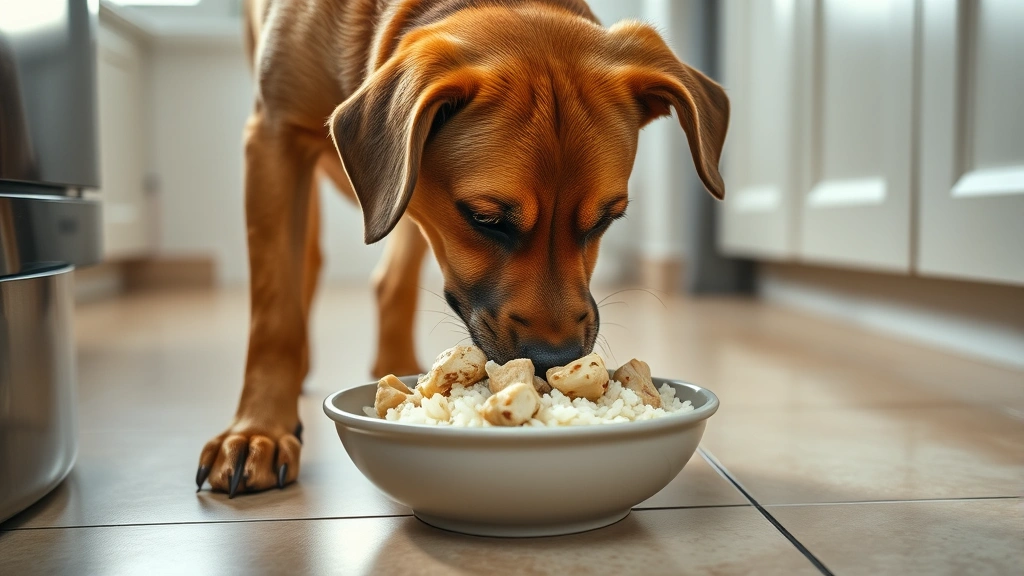
One of the first remedies vets suggest is giving your dog’s stomach a rest. A short fasting period (typically 6–12 hours) can help settle an upset digestive system. After that, introduce a bland diet of plain boiled chicken and white rice in small portions.
This approach gives the digestive tract time to heal without the stress of processing rich or unfamiliar foods. Your vet will advise you on how long to continue this diet based on your dog’s response.
2. Hydration Management
Vomiting causes fluid loss, which can lead to dehydration—a serious concern. Offer small amounts of water frequently rather than one large bowl. Some vets recommend ice chips or low-sodium broth to encourage drinking.
If your dog won’t drink or continues vomiting after water intake, your vet may recommend IV fluids to restore hydration. This is especially important for puppies and senior dogs.
3. Anti-Nausea Medication
Prescription anti-nausea medications can provide relief and allow your dog to keep food and water down. Your vet will determine whether your dog may be experiencing nausea that requires medication. Learn more about options in our guide to dog nausea medication.
These medications work by calming the vomiting reflex, giving your dog’s system a chance to stabilize. Your vet will prescribe the appropriate medication and dosage for your pet’s needs.
4. Addressing Underlying Gastrointestinal Issues
Sometimes vomiting points to a deeper GI problem like gastritis, pancreatitis, or inflammatory bowel disease. Your vet may recommend diagnostic tests—blood work, ultrasound, or X-rays—to identify the root cause.
Once the underlying issue is identified, targeted treatment becomes possible. Explore more in our article on dog gastrointestinal issues treatment options.
5. Probiotics and Digestive Supplements
Beneficial bacteria and digestive enzymes can support your dog’s gut health and reduce vomiting. Probiotics help restore the natural balance of microbes in the digestive tract, which is often disrupted during illness.
Your vet may recommend specific probiotic formulations designed for dogs. These are particularly helpful after antibiotic use or during recovery from gastroenteritis.
6. Environmental and Dietary Adjustments
Sometimes the fix is simpler than expected. Slow down your dog’s eating pace with a puzzle feeder, eliminate table scraps, and keep toxic foods (chocolate, grapes, onions) out of reach. Stress can also trigger vomiting, so a calm environment helps.
If your dog has food sensitivities, your vet may recommend a limited-ingredient or prescription diet. Trial-and-error with your vet’s guidance often reveals the best food for your pup.
7. Monitoring and Follow-Up Care
Recovery doesn’t end after the first vet visit. Regular check-ins and monitoring at home are essential. Keep notes on your dog’s eating, drinking, and bowel habits to share with your vet.
If vomiting returns or your dog doesn’t improve within a few days, contact your vet again. Persistence and communication are key to finding the right solution.
Common Causes of Dog Vomiting You Should Know
Understanding what might be causing the vomiting helps you provide better information when you talk to vet about dog vomiting. Here are the most frequent culprits:
- Dietary indiscretion: Eating spoiled food, trash, or foreign objects
- Food allergies or sensitivities: Reactions to specific ingredients
- Infections: Bacterial, viral, or parasitic infections
- Pancreatitis: Inflammation of the pancreas, often triggered by fatty foods
- Organ disease: Issues with the liver or kidneys
- Gastroenteritis: Inflammation of the stomach and intestines
- Stress or anxiety: Emotional triggers can upset the digestive system
What to Do Right Now: Your Action Plan
If your dog is vomiting, here’s exactly what to do:
- Assess the situation: Is your dog showing any red flag symptoms listed above? If yes, contact your vet or emergency clinic immediately. If it’s a single episode and your dog seems otherwise normal, monitor closely for the next few hours.
- Withhold food temporarily: Stop feeding for 6–12 hours to give the stomach time to settle. Continue offering small amounts of water unless vomiting is severe.
- Schedule a vet appointment: Even if your dog seems fine, a professional evaluation rules out serious conditions. If you’re unsure whether your pet needs urgent care, a quick telehealth check-in with The Pet Vet can give you peace of mind—no appointment needed.
- Gather information: Note when the vomiting started, what it looks like, what your dog ate before it happened, and any other symptoms. This helps your vet narrow down the cause.
- Prepare for the visit: Bring a sample of vomit if possible, recent food labels, and a list of any medications or supplements your dog takes.
How Telehealth Can Help When Your Dog Is Vomiting
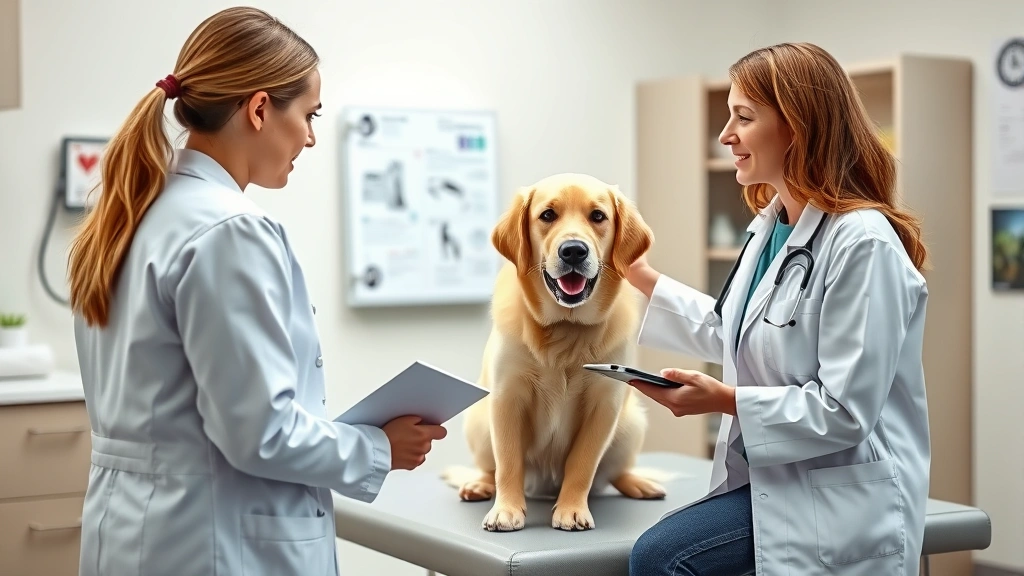
Not every case of dog vomiting requires an in-person emergency visit. Telehealth veterinary services like The Pet Vet allow you to describe symptoms, ask questions, and get professional guidance from your phone or computer—often within minutes.
A telehealth vet can help you determine if your dog needs immediate in-person care or if home monitoring is appropriate. They can also review test results, adjust treatment plans, and provide follow-up care without the stress and expense of a clinic visit.
Preventing Future Vomiting Episodes
Once your dog recovers, prevention becomes the focus. Keep your home free of toxic foods and small objects that could be swallowed. Feed high-quality, consistent meals and avoid sudden diet changes.
Regular vet checkups catch underlying health issues before they cause vomiting. Maintain a stress-free environment, exercise your dog regularly, and keep parasite prevention current. These habits go a long way in keeping your pup’s digestive system happy.
When to Seek Emergency Care
Some situations demand immediate emergency care, not just a regular vet appointment. If your dog is vomiting repeatedly, showing signs of severe dehydration, has a hard or distended abdomen, or vomits blood, get to an emergency clinic right away.
Don’t wait or hope it passes. These symptoms could indicate a blockage, severe infection, or organ failure—all of which worsen rapidly without treatment. Your quick action could save your dog’s life.
Frequently Asked Questions
Is it normal for dogs to vomit occasionally?
A single vomiting episode now and then can be normal, especially if your dog ate something disagreeable. However, repeated vomiting is always worth investigating with your vet.
How long should I wait before calling the vet?
If your dog vomits once and seems fine otherwise, monitor for a few hours. Call your vet if vomiting continues, worsens, or your dog shows other symptoms like lethargy or loss of appetite.
Can I give my dog over-the-counter medication for vomiting?
Never give over-the-counter medications without vet approval. What’s safe for humans may be harmful to dogs, and the underlying cause needs professional diagnosis first.
What should I feed my dog after vomiting?
After a short fast, offer bland foods like plain boiled chicken and white rice in small portions. Your vet will advise when to return to regular food based on your dog’s recovery.
Could my dog’s vomiting be a sign of something serious?
Vomiting can range from minor to serious, which is why professional evaluation is important. Your vet’s expertise helps determine whether it’s a simple upset stomach or something requiring urgent treatment.
Summary: Taking Action When Your Dog Vomits
Vomiting in dogs is never fun to witness, but you’re already doing the right thing by seeking information. When you talk to vet about dog vomiting, you’re taking a proactive step toward your dog’s health and comfort.
Remember: early intervention often means faster recovery. Whether it’s a bland diet, medication, or diagnostic testing, your vet has tools and expertise to help. Don’t hesitate to reach out—your dog is counting on you, and professional care makes all the difference.
Your dog’s health is worth the peace of mind that comes from expert guidance. Schedule that vet appointment today, and give your pup the care they deserve.