
When your kitten starts coughing, it’s natural to feel worried—and that’s exactly why you should talk to vet about kitten coughing sooner rather than later. A persistent cough in kittens isn’t something to ignore, as it can signal anything from a simple hairball to a more serious respiratory condition. The good news? Most causes are treatable, especially when caught early.
Table of Contents
- Why Your Kitten’s Cough Matters
- Common Causes of Kitten Coughing
- When to Talk to a Vet About Your Kitten’s Cough
- Red Flags That Need Immediate Attention
- How to Prepare for Your Vet Conversation
- Questions to Ask Your Veterinarian
- Diagnostic Options Your Vet May Recommend
- Treatment Options for Kitten Coughing
- Telehealth Options for Kitten Coughing Concerns
- Home Care Tips While You Wait for Your Vet Appointment
- Preventing Future Respiratory Issues in Kittens
- Frequently Asked Questions
- What To Do Now
- Summary: Taking Action on Your Kitten’s Cough
This article is for informational purposes only and is not a substitute for professional veterinary advice. Always consult a licensed veterinarian for diagnosis and treatment.
Why Your Kitten’s Cough Matters
Kittens have delicate respiratory systems that are still developing. A cough that seems minor to us might indicate something worth investigating. Unlike adult cats, young kittens don’t have fully matured immune systems, making them more vulnerable to infections and irritants.
The key is recognizing that a cough lasting more than a few days deserves professional attention. Early intervention often means simpler treatment and faster recovery for your little one.
Common Causes of Kitten Coughing
Understanding what might be causing your kitten’s cough can help you communicate more effectively with your veterinarian. Here are the most frequent culprits:
- Hairballs: One of the most common reasons kittens cough. As they groom themselves, they swallow hair that can accumulate in their throat or stomach.
- Upper respiratory infections: Viral or bacterial infections are especially common in kittens under six months old, particularly in multi-cat households or shelters.
- Asthma: Feline asthma causes inflammation of the airways and can trigger coughing fits, wheezing, or difficulty breathing.
- Foreign objects: Kittens are curious and may inhale or swallow small items that irritate their airways.
- Environmental irritants: Dust, smoke, or strong fragrances can trigger coughing in sensitive kittens.
- Parasites: Certain parasites can affect the lungs and cause respiratory symptoms.
Catching this early puts you in a great position to help your kitten feel better quickly.
When to Talk to a Vet About Your Kitten’s Cough
Not every cough requires an emergency visit, but knowing the warning signs helps you respond appropriately. You should reach out to your veterinarian if your kitten’s cough persists for more than a few days, worsens over time, or is accompanied by other symptoms.
Additionally, if your kitten shows signs of difficulty breathing, lethargy, loss of appetite, or discharge from the nose or eyes, contact your vet right away. These symptoms suggest a more serious condition that needs prompt evaluation.
Red Flags That Need Immediate Attention
Certain situations warrant urgent veterinary care. If your kitten is struggling to breathe, making wheezing or gasping sounds, or appears lethargic and unresponsive, seek emergency care immediately. Rapid or shallow breathing, pale gums, or drooling excessively also indicate a need for urgent evaluation.
Your kitten’s safety is the priority. When in doubt, it’s always better to err on the side of caution with young animals.
How to Prepare for Your Vet Conversation
Before you talk to vet about kitten coughing, gather some information that will help with diagnosis. Note when the coughing started, how often it occurs, and whether it seems worse at certain times of day. Does your kitten cough after eating, during play, or throughout the day?
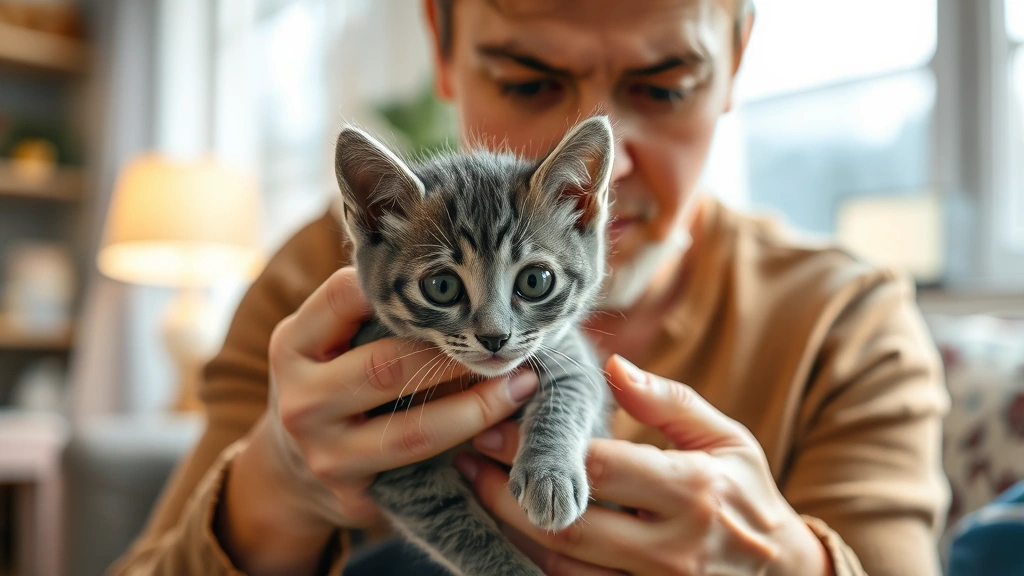
Also observe what the cough sounds like—is it dry and hacking, wet and productive, or more like gagging? Has your kitten been exposed to other sick cats, or have you recently brought them home from a shelter? These details paint a clearer picture for your veterinarian.
Questions to Ask Your Veterinarian
Come prepared with specific questions to get the most from your visit. Ask what your vet believes is causing the cough and what tests might be needed for diagnosis. Understanding the treatment plan is crucial, so ask about the timeline for improvement and what to watch for at home.
Don’t hesitate to ask about preventive measures too. If your kitten has an upper respiratory infection, for example, ask how to prevent future infections. If it’s asthma-related, understanding triggers will help you manage symptoms long-term.
Diagnostic Options Your Vet May Recommend
Your veterinarian might recommend various diagnostic tools depending on the suspected cause. A physical examination is always the starting point, where your vet listens to your kitten’s lungs with a stethoscope. X-rays can reveal pneumonia, fluid in the lungs, or foreign objects.
In some cases, your vet may suggest bloodwork to check for infections or other systemic issues. For persistent coughs, ultrasound or more advanced imaging might be necessary. These tools help pinpoint the exact cause so treatment can be targeted and effective.
Treatment Options for Kitten Coughing
Treatment depends entirely on the underlying cause. For hairballs, your vet might recommend dietary adjustments or supplements to improve digestion. If your kitten has an upper respiratory infection, supportive care like humidity and rest often helps, though your vet may suggest additional interventions.
For asthma or chronic coughing, your veterinarian may discuss management strategies to reduce symptoms and improve your kitten’s quality of life. Environmental modifications, like using unscented litter and avoiding smoke, can make a real difference. Always follow your vet’s guidance on any treatments or lifestyle changes.
Telehealth Options for Kitten Coughing Concerns
If you’re unsure whether your kitten needs urgent care, a quick telehealth check-in can give you peace of mind—no appointment needed. You can talk to a vet about cat coughing online through platforms like The Pet Vet, which offers convenient access to licensed veterinarians from your home.
Telehealth is especially helpful for initial consultations, follow-up questions, or when you need quick reassurance. Your vet can assess your kitten’s symptoms, recommend next steps, and determine if an in-person visit is necessary. This flexibility means your kitten gets care when you need it most.
Home Care Tips While You Wait for Your Vet Appointment
While arranging your vet visit, there are several ways to support your kitten’s comfort. Keep your home at a comfortable temperature and maintain good humidity—dry air can worsen coughing. A humidifier or running a warm shower can help ease respiratory discomfort.

Ensure your kitten has access to fresh water and their favorite foods, as they may lose appetite when feeling unwell. Minimize stress and loud noises, allowing them quiet space to rest. Avoid exposing them to smoke, strong perfumes, or cleaning products that might irritate their airways further.
Preventing Future Respiratory Issues in Kittens
Prevention is always better than treatment. Keep your kitten’s vaccination schedule current, as vaccines protect against common respiratory viruses. Maintain a clean living environment and minimize exposure to other sick cats when possible.
Regular grooming helps reduce hairballs, one of the most common causes of kitten coughing. Brushing your kitten several times a week removes loose fur before they can ingest it. Additionally, ensure your kitten maintains a healthy weight, as obesity can worsen respiratory symptoms.
Frequently Asked Questions
Is kitten coughing always serious?
Not always. While some causes like hairballs are minor, persistent coughing warrants veterinary evaluation to rule out infections or other conditions. When in doubt, it’s best to have your kitten checked.
Can I give my kitten over-the-counter cough medicine?
Never give your kitten any medication without veterinary approval. Many human cough medicines are dangerous for cats and can cause serious side effects. Your vet will recommend safe, appropriate options if needed.
How long does it take for a kitten’s cough to go away?
Recovery time depends on the cause. Hairballs might resolve in days, while respiratory infections could take 1-2 weeks or longer. Your vet will give you a timeline based on your kitten’s specific diagnosis.
Can kittens catch coughs from dogs?
Most respiratory infections are species-specific, so kittens typically won’t catch a dog’s cough. However, they can develop their own respiratory infections from other cats or environmental factors.
Should I be worried if my kitten coughs occasionally?
Occasional coughing might be normal, especially after play or eating. However, if it becomes frequent, persistent, or is accompanied by other symptoms, talk to vet about kitten coughing to rule out underlying issues.
What To Do Now
- Document your kitten’s symptoms: Write down when the coughing started, how often it occurs, and what it sounds like. Note any other symptoms like sneezing, discharge, or lethargy.
- Schedule a vet appointment: Contact your veterinarian or connect with an online vet about cat coughing to discuss your kitten’s symptoms and arrange an evaluation.
- Create a comfortable environment: Set up a quiet, warm space with a humidifier to ease respiratory discomfort while you await your appointment.
- Monitor closely: Watch for any worsening symptoms or new signs like difficulty breathing, which would require emergency care immediately.
- Prepare your questions: List specific questions about diagnosis, treatment, and prevention so you make the most of your vet consultation.
Summary: Taking Action on Your Kitten’s Cough
When your kitten starts coughing, reaching out to your veterinarian is the right call. Whether it’s a simple hairball or something requiring more attention, professional evaluation gives you clarity and peace of mind. Your kitten depends on you to notice when something’s off and take action.
Remember, early detection often means easier treatment and faster recovery. Don’t hesitate to talk to vet about kitten coughing—modern telehealth options like The Pet Vet’s online consultations make it easier than ever to get professional guidance. Your kitten’s health is worth the conversation.
For additional support on other kitten health concerns, you might also explore resources about kitten ear infections or kitten itching issues to build your knowledge about common feline health challenges.