
If your kitten has diarrhea, it’s natural to feel worried—but the good news is that talking to a vet about kitten diarrhea is often the fastest way to get your little one feeling better. Diarrhea in kittens can stem from dozens of causes, ranging from dietary changes to infections, and getting professional guidance early makes all the difference in your kitten’s recovery.
Table of Contents
- Why Kitten Diarrhea Matters More Than You Think
- Common Causes of Diarrhea in Kittens
- When to Talk to a Vet Right Away
- Understanding Kitten Diarrhea Medications
- Common Medication Categories for Kitten Diarrhea
- How to Prepare for Your Vet Conversation
- Supporting Your Kitten While Waiting for Vet Guidance
- Telehealth Options for Busy Pet Parents
- Prevention: Reducing Future Diarrhea Episodes
- Frequently Asked Questions
- What to Do Now
- Summary: Taking the Next Step
This article is for informational purposes only and is not a substitute for professional veterinary advice. Always consult a licensed veterinarian for diagnosis and treatment.
Why Kitten Diarrhea Matters More Than You Think
Kittens are tiny, and they lose fluids quickly. Unlike adult cats, young kittens don’t have the same reserves to handle dehydration, which makes diarrhea a more urgent concern in the early months of life. Even mild cases can become serious within hours if left unchecked.
Beyond dehydration, persistent diarrhea can signal underlying conditions that need prompt attention. The sooner you talk to a vet about your kitten’s diarrhea, the sooner you can rule out serious issues and start your kitten on the path to wellness. Catching this early puts you in a great position to help.
Common Causes of Diarrhea in Kittens
Understanding what might be causing your kitten’s digestive upset helps you communicate better with your veterinarian. Here are the most frequent culprits:
- Dietary transitions: Switching food too quickly can upset a kitten’s stomach. Gradual changes over 7–10 days are gentler.
- Food sensitivities: Some kittens react poorly to certain proteins or ingredients, leading to loose stools.
- Parasites: Roundworms, hookworms, and coccidia are common in young kittens and cause diarrhea.
- Bacterial or viral infections: Feline panleukopenia, feline infectious peritonitis (FIP), and other infections may present with diarrhea.
- Stress: New environments, loud noises, or changes in routine can trigger stress-related loose stools.
- Eating non-food items: Kittens are curious; swallowing string, plants, or toys can cause gastrointestinal upset.
When you talk to your vet about kitten diarrhea, mention when it started, what the stool looks like, and any other symptoms your kitten is showing.
When to Talk to a Vet Right Away
Some situations require urgent veterinary attention. If your kitten shows any of these signs, don’t wait—reach out to your vet immediately or contact an emergency clinic:
- Diarrhea lasting more than 24 hours
- Blood or mucus in the stool
- Lethargy, weakness, or unresponsiveness
- Repeated vomiting alongside diarrhea
- Fever or abnormal temperature
- Abdominal pain or distension
- Signs of severe dehydration (dry gums, sunken eyes)
If you’re unsure whether your kitten needs urgent care, a quick telehealth check-in can give you peace of mind—no appointment needed. Many vets, including The Pet Vet, offer online consultations so you can describe symptoms and get guidance from home.
Understanding Kitten Diarrhea Medications
Once your vet diagnoses the cause, they may recommend medications to help your kitten recover. While we won’t discuss specific dosages (your vet will determine the right amount based on your kitten’s weight and condition), here’s what you should know about common treatment approaches:
Medications work best when paired with supportive care—hydration, rest, and sometimes dietary adjustments. Your vet will explain which medications are appropriate for your kitten’s specific situation.
Common Medication Categories for Kitten Diarrhea
Your veterinarian may recommend one or more of these types of medications to address your kitten’s condition:
1. Anti-Parasitic Medications
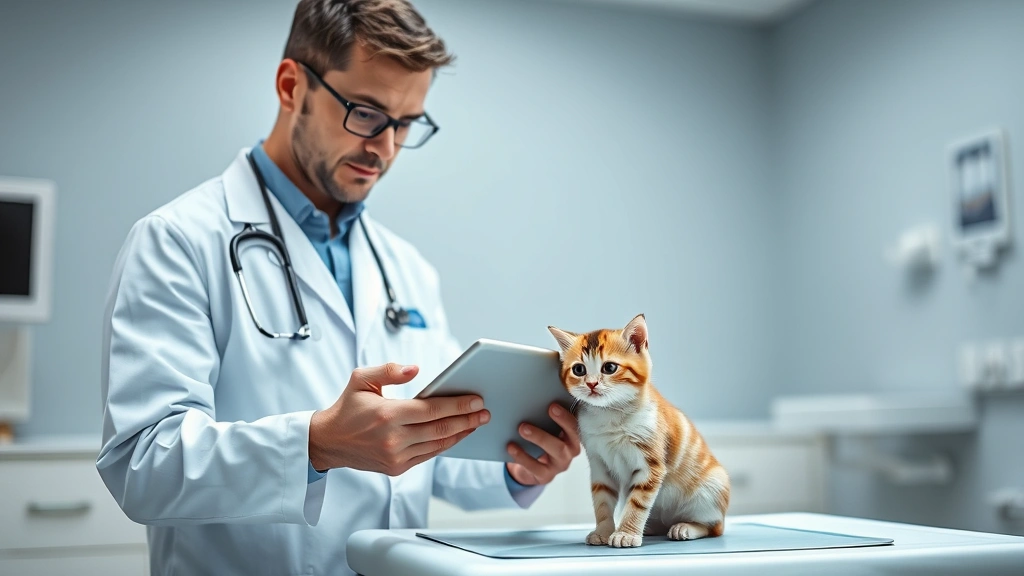
If parasites are the culprit, anti-parasitic medications eliminate worms or protozoa. These are among the most common treatments for kittens with diarrhea. Your vet will prescribe the right type based on what parasite is identified through stool testing.
2. Probiotics and Digestive Aids
Probiotics help restore healthy gut bacteria that may have been disrupted by infection or dietary changes. These are gentle, supportive treatments that work alongside other medications. Many vets recommend probiotics as part of recovery from most types of diarrhea.
3. Anti-Diarrheal Agents
In some cases, vets prescribe medications that slow intestinal movement and reduce fluid loss. However, these are used cautiously in kittens and only when the underlying cause isn’t infectious, since slowing the gut can sometimes trap harmful bacteria.
4. Antibiotics
If bacterial infection is suspected, your vet may recommend antibiotics. These are prescribed only when necessary and should be completed as directed, even if your kitten seems better.
5. Anti-Inflammatory Medications
For inflammatory bowel conditions, vets may suggest medications that reduce inflammation in the digestive tract. These help your kitten feel more comfortable and support healing.
How to Prepare for Your Vet Conversation
Before you talk to your vet about kitten diarrhea, gather information that will help them make the best diagnosis:
- Note the timeline: When did the diarrhea start? Has it been continuous or intermittent?
- Describe the stool: Is it watery, pasty, or mucus-like? Any color changes or unusual odor?
- Record eating and drinking: Is your kitten eating normally? Drinking more or less than usual?
- List recent changes: New food, new environment, new pets, or recent vaccines?
- Note other symptoms: Vomiting, fever, lethargy, or behavioral changes?
- Check vaccination status: When was your kitten last vaccinated or dewormed?
Having this information ready makes your vet appointment—whether in-person or online—much more productive.
Supporting Your Kitten While Waiting for Vet Guidance
While you arrange to talk to a vet about kitten diarrhea, there are supportive steps you can take at home:
- Ensure hydration: Offer fresh water frequently. If your kitten won’t drink, ask your vet about subcutaneous fluids or electrolyte solutions.
- Feed a bland diet: Once your vet approves, offer small, frequent meals of easily digestible food (like boiled chicken or prescription digestive diet).
- Keep the litter area clean: Frequent litter box changes reduce stress and help you monitor stool changes.
- Minimize stress: Keep your kitten in a quiet, comfortable space away from loud noises or other pets if possible.
- Monitor closely: Watch for changes in symptoms, energy level, or appetite.
These measures support recovery but don’t replace veterinary treatment. Your vet’s guidance is essential for addressing the root cause.
Telehealth Options for Busy Pet Parents
If scheduling an in-person appointment feels overwhelming, you can talk to a vet about kitten health concerns online. Telehealth visits are convenient, often faster to schedule, and perfect for initial consultations about diarrhea.
During a telehealth visit, your vet will ask detailed questions, review photos if helpful, and may recommend in-person testing or examination if needed. For many mild to moderate cases, online guidance is enough to get your kitten on the right track.
Similarly, if you have questions about other kitten concerns, you can discuss kitten ear infections online or explore other health topics without leaving home.
Prevention: Reducing Future Diarrhea Episodes
Once your kitten recovers, these steps help prevent future bouts of diarrhea:
- Transition foods slowly: Mix new food with old food over 7–10 days.
- Choose high-quality kitten food: Age-appropriate, digestible diets support gut health.
- Keep up with parasite prevention: Regular deworming and flea/tick prevention are essential.
- Maintain vaccination schedules: Vaccines protect against infectious causes of diarrhea.
- Limit access to non-food items: Secure strings, plants, and small objects.
- Reduce stress: Provide a stable, enriching environment.
Prevention is always easier than treatment, and these habits set your kitten up for lifelong digestive health.
Frequently Asked Questions
Is kitten diarrhea always serious?
Not always, but it should never be ignored. While some cases are mild and resolve quickly, others signal serious conditions. When in doubt, talk to your vet—it’s better to be cautious with kittens.
Can I give my kitten over-the-counter anti-diarrheal medication?
No, never give over-the-counter medications without veterinary approval. Some are unsafe for kittens, and others can mask serious underlying problems. Always consult your vet first.
How long does it take for kitten diarrhea to resolve?
Recovery time depends on the cause. Dietary issues might improve in 24–48 hours, while parasitic infections may take 1–2 weeks of treatment. Your vet will give you a timeline based on your kitten’s diagnosis.
Should I change my kitten’s food if they have diarrhea?
Only if your vet recommends it. Sudden food changes can worsen diarrhea, so gradual transitions are key. Your vet may suggest a temporary bland or prescription diet during recovery.
Can stress cause diarrhea in kittens?
Yes, stress can trigger loose stools in sensitive kittens. However, stress-related diarrhea usually resolves once the kitten settles into their environment. If diarrhea persists, other causes should be ruled out.
What to Do Now
Don’t let worry paralyze you—here’s your action plan:
- Gather information: Document when the diarrhea started, what the stool looks like, and any other symptoms your kitten is showing.
- Contact your veterinarian: Call your vet’s office today or schedule an online telehealth appointment if you prefer convenience and quick answers.
- Support hydration: Offer fresh water frequently and monitor your kitten’s fluid intake while you wait for your vet appointment.
- Keep records: Note any changes in your kitten’s behavior, appetite, or stool over the next 24 hours to share with your vet.
- Avoid self-treatment: Don’t give medications, supplements, or dietary changes without veterinary guidance—even well-intentioned home remedies can backfire.
Summary: Taking the Next Step
Kitten diarrhea is stressful, but it’s also one of the most manageable health issues when addressed promptly. By taking time to talk to your vet about kitten diarrhea, you’re giving your little one the best chance at a quick recovery.
Whether you choose an in-person visit or a convenient telehealth consultation, professional guidance is the cornerstone of effective treatment. Your vet will identify the cause, recommend appropriate medications if needed, and provide supportive care instructions tailored to your kitten’s needs.
Remember: early intervention, clear communication with your vet, and consistent follow-up care lead to the best outcomes. Your kitten is counting on you, and reaching out for help is exactly the right move.
For more information about discussing kitten health concerns online, explore resources like PetMD’s guide to cat emergencies and consult with veterinary professionals at AVMA.org for trusted veterinary resources. You can also explore how telehealth works for pet diarrhea concerns to see if online consultation fits your needs.