
If you’ve noticed your kitten scratching at their ears more than usual, or you’ve spotted redness and discharge inside, it’s time to talk to vet about kitten ear infection concerns. Ear infections in kittens are surprisingly common, and catching them early makes all the difference in keeping your little one comfortable and healthy.
Table of Contents
- Why Your Kitten’s Ears Need Attention
- Common Signs Your Kitten May Have an Ear Infection
- When to Talk to Your Vet About Kitten Ear Problems
- What to Expect During a Vet Visit for Ear Infections
- Common Causes of Kitten Ear Infections
- Treatment Options Your Vet May Recommend
- At-Home Care While Your Kitten Recovers
- Prevention: Keeping Your Kitten’s Ears Healthy
- When to Seek Urgent Care
- Telehealth Options for Ear Infection Concerns
- Summary: Taking Action for Your Kitten’s Ear Health
- Frequently Asked Questions
- What To Do Now
This article is for informational purposes only and is not a substitute for professional veterinary advice. Always consult a licensed veterinarian for diagnosis and treatment.
As a kitten parent, you want the best for your furry friend. Ear infections can be painful and, if left untreated, may lead to more serious complications. The good news? Most kitten ear infections respond beautifully to proper veterinary care, especially when caught early.
Why Your Kitten’s Ears Need Attention
Kittens have delicate ear canals that are more prone to infection than you might think. Their ears are warm, moist environments—perfect breeding grounds for bacteria, yeast, and parasites. Unlike dogs with floppy ears, cats’ pointed ears have better airflow, but they’re still vulnerable to certain conditions.
The earlier you identify and address an ear infection, the faster your kitten recovers. Catching this early puts you in a great position to help your kitten feel better within days.
Common Signs Your Kitten May Have an Ear Infection
Your kitten can’t tell you when something hurts, so watch for these telltale signs:
- Excessive scratching or pawing at the ears
- Head tilting or shaking
- Redness or swelling inside the ear flap
- Dark, waxy, or crusty discharge
- Foul odor coming from the ears
- Sensitivity to touch around the ear area
- Loss of balance or disorientation (in severe cases)
- Behavioral changes like increased irritability
If you spot any combination of these signs, don’t wait—reach out to your veterinarian. The sooner you address the issue, the sooner your kitten returns to their playful self.
When to Talk to Your Vet About Kitten Ear Problems
Timing matters when it comes to ear infections. You should contact your veterinarian if your kitten shows signs for more than a day or two, or if the symptoms seem to be getting worse. Some ear issues resolve on their own, but many require professional intervention.
If your kitten is showing signs of pain, fever, or balance problems, don’t delay—these could indicate a more serious infection spreading deeper into the ear canal. Your vet can examine your kitten and determine the exact cause and severity of the infection.
What to Expect During a Vet Visit for Ear Infections
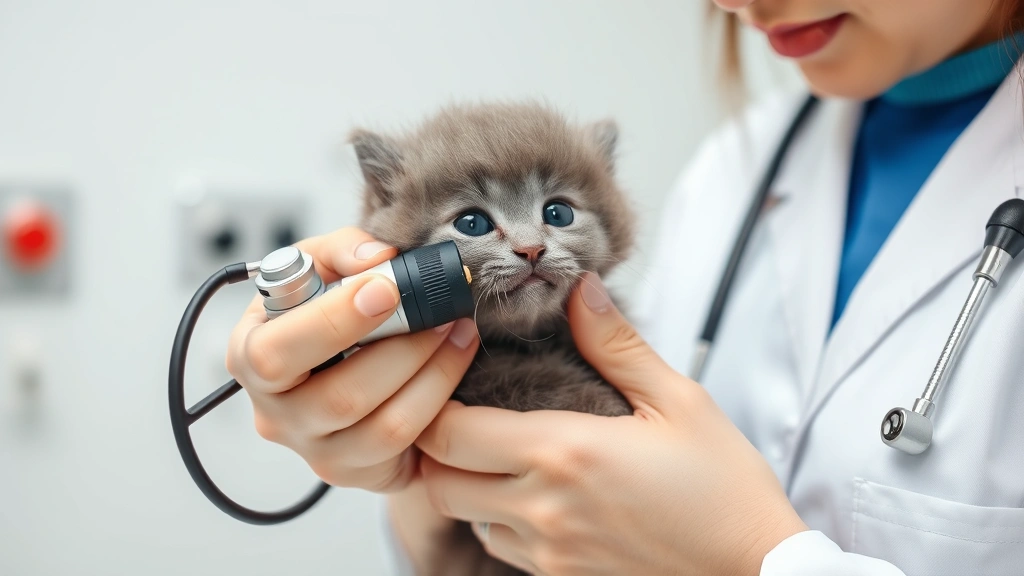
When you ask a kitten vet online or visit your clinic, your veterinarian will perform a thorough ear examination. They’ll use an otoscope to look deep inside the ear canal and may take a sample for microscopic analysis to identify the culprit—whether it’s bacteria, yeast, or mites.
Your vet will ask about your kitten’s symptoms, how long they’ve been occurring, and whether there have been any recent environmental changes. This information helps them determine the underlying cause and the best treatment approach.
The examination is quick and usually painless, though your kitten might feel a bit uncomfortable if their ears are sensitive. Most vets are gentle and experienced with anxious kittens.
Common Causes of Kitten Ear Infections
Understanding what causes ear infections helps you prevent them in the future. The most common culprits include:
- Ear mites: Tiny parasites that are contagious and cause intense itching
- Bacterial infections: Often secondary to other issues like allergies or trauma
- Yeast infections: Common in kittens with allergies or weakened immune systems
- Foreign objects: Debris, grass, or other materials lodged in the ear canal
- Allergies: Food or environmental allergies can trigger ear inflammation
- Wax buildup: Excessive cerumen production can trap bacteria and yeast
Many ear infections are secondary to underlying conditions. Your vet will help identify if allergies or other issues are playing a role, which is crucial for long-term prevention.
Treatment Options Your Vet May Recommend
Once your vet diagnoses the cause, they’ll recommend a treatment plan tailored to your kitten’s specific situation. Treatment may include topical ear drops, oral medication, or both, depending on the severity and type of infection.
Your veterinarian will provide clear instructions on how to apply any medications and how often to do so. It’s important to follow these instructions carefully and complete the full course of treatment, even if your kitten seems better before the medication runs out.
For persistent or recurrent infections, your vet may recommend additional diagnostics or refer you to a veterinary dermatologist to address underlying allergies or other systemic issues.
At-Home Care While Your Kitten Recovers
Supporting your kitten at home is just as important as veterinary treatment. Here’s what you can do:
- Keep the ears clean and dry as directed by your vet—don’t use cotton swabs deep in the canal
- Apply medications exactly as prescribed, at the same time each day
- Prevent your kitten from scratching excessively by keeping their nails trimmed
- Monitor for any changes in symptoms or new signs of discomfort
- Keep your kitten’s environment clean to reduce secondary infections
Most kittens show improvement within 3-7 days of starting treatment. If your kitten isn’t improving after a week, or if symptoms worsen, contact your vet right away—the infection may need a different approach.
Prevention: Keeping Your Kitten’s Ears Healthy
The best medicine is prevention. While you can’t eliminate all risk, you can significantly reduce the chances of ear infections:
- Check your kitten’s ears weekly for signs of redness, discharge, or odor
- Keep your kitten up-to-date on flea and parasite prevention
- Maintain a clean living environment and wash bedding regularly
- Feed a high-quality diet to support immune health
- Monitor for signs of allergies and address them promptly
- Avoid excessive water exposure during baths
- Schedule regular wellness exams with your veterinarian
If your kitten is prone to ear infections, your vet may recommend periodic ear cleaning or preventive treatments during high-risk seasons.
When to Seek Urgent Care
Most ear infections are manageable with routine veterinary care, but some situations warrant immediate attention. Seek urgent care if your kitten:
- Shows signs of severe pain or distress
- Has a fever (temperature above 103°F)
- Develops balance problems or disorientation
- Has discharge mixed with blood
- Shows signs of facial paralysis
- Becomes lethargic or stops eating
These symptoms could indicate the infection has spread deeper into the middle or inner ear, which requires immediate professional evaluation and treatment.
Telehealth Options for Ear Infection Concerns
If you’re unsure whether your kitten’s ear issue needs urgent care or can wait for a regular appointment, talking to a kitten vet online can give you peace of mind—no appointment needed. A quick telehealth check-in allows you to describe symptoms, show photos of your kitten’s ears, and get professional guidance on next steps.
Telehealth is especially helpful if you’re a first-time kitten parent unsure whether symptoms warrant a clinic visit. Many ear issues can be initially assessed through video consultation, helping you make an informed decision about in-person care.
If your kitten has other concurrent symptoms—like kitten coughing or excessive paw licking—a vet can help determine if these are related to allergies or other systemic issues.
Summary: Taking Action for Your Kitten’s Ear Health
Ear infections in kittens are common but highly treatable when caught early. By staying vigilant about your kitten’s ear health and knowing when to talk to vet about kitten ear infection concerns, you’re setting your little one up for a long, healthy, comfortable life.
Remember: your veterinarian is your partner in keeping your kitten healthy. Don’t hesitate to reach out with questions or concerns, no matter how small they seem. Early intervention saves time, money, and most importantly, keeps your kitten pain-free.
Frequently Asked Questions
Can kitten ear infections go away on their own?
Some mild cases may improve without treatment, but most ear infections require veterinary care to fully resolve and prevent complications. It’s best to have your kitten evaluated by a vet rather than wait and hope.
How long does it take to treat a kitten ear infection?
Most ear infections respond to treatment within 7-14 days, though some may take longer depending on severity and underlying causes. Always complete the full course of medication even if symptoms improve sooner.
Are kitten ear infections contagious to other cats?
Ear mites are highly contagious between cats, but bacterial or yeast infections are typically not. If you have multiple cats, inform your vet so they can check the others if needed.
What should I do if my kitten won’t let me apply ear medication?
Ask your vet for tips on restraint and application techniques. Some vets can apply the first dose, and some medications come in easier-to-administer forms. Never force medication, as it may injure the ear canal.
Can I clean my kitten’s ears at home to prevent infections?
Gentle weekly checks are great, but avoid deep cleaning unless your vet specifically recommends it. Using cotton swabs too deeply can damage the ear canal. Your vet can show you safe cleaning techniques if needed.
What To Do Now
- Examine your kitten’s ears today—look for redness, discharge, odor, or excessive wax buildup
- Schedule a veterinary appointment or ask a kitten vet online if you notice any concerning symptoms
- Start a simple ear health routine: check ears weekly and keep your kitten current on flea and parasite prevention
- Keep detailed notes of any symptoms you observe to share with your vet at the appointment
- If your kitten shows signs of pain, fever, or balance problems, seek urgent veterinary care immediately