
If your kitten seems unusually sleepy, uninterested in play, or just not acting like their normal self, you need to talk to vet about kitten lethargy right away. Lethargy in kittens isn’t something to brush off as normal tiredness—it’s often your kitten’s way of telling you something isn’t right.
Table of Contents
- What Is Kitten Lethargy and Why It Matters
- 7 Essential Warning Signs That Demand Immediate Attention
- Common Causes of Lethargy in Kittens
- When Should You Talk to Your Vet About Kitten Lethargy?
- How Your Vet Will Diagnose the Problem
- What You Can Do Right Now
- Preventing Lethargy in Kittens
- The Difference Between Normal Kitten Napping and Concerning Lethargy
- When to Seek Emergency Care
- Understanding Related Symptoms
- Frequently Asked Questions
- What To Do Now
- Summary: Taking Action on Kitten Lethargy
This article is for informational purposes only and is not a substitute for professional veterinary advice. Always consult a licensed veterinarian for diagnosis and treatment.
Kittens are naturally energetic bundles of joy. They pounce, they chase, they explore everything in sight. When that energy suddenly disappears, it can be alarming. But here’s the good news: catching lethargy early puts you in a great position to help your kitten feel better fast.
What Is Kitten Lethargy and Why It Matters
Lethargy in kittens means a noticeable lack of energy and enthusiasm. Your kitten might sleep more than usual, show little interest in toys or interaction, or move slowly when they do get up. This is different from a kitten simply napping after playtime.
The reason this matters so much is simple: lethargy is almost always a sign that your kitten’s body is struggling with something. Whether it’s an infection, nutritional deficiency, or a more serious condition, lethargy is your kitten’s way of conserving energy while their body fights to heal.
7 Essential Warning Signs That Demand Immediate Attention
Recognizing these warning signs will help you know when it’s time to reach out to your veterinarian:
- Extreme Drowsiness: Your kitten sleeps most of the day and shows no interest in waking up for meals or play.
- Loss of Appetite: A lethargic kitten often refuses food or eats significantly less than normal. This is concerning because kittens need consistent nutrition to grow.
- Vomiting or Diarrhea: When lethargy appears alongside digestive issues, it could indicate infections like giardia in cats or other parasites.
- Labored Breathing: If your kitten seems to breathe heavily or struggle for breath, this is a red flag. You may want to talk to a vet about kitten coughing online immediately.
- Fever or Unusual Temperature: A kitten feeling hot to the touch or showing signs of chills needs veterinary evaluation.
- Discharge from Eyes, Nose, or Mouth: Any unusual discharge combined with lethargy suggests infection.
- Unresponsiveness to Stimulation: When your kitten doesn’t react to their favorite toy or your voice, something is definitely wrong.
Catching these signs early puts you in a powerful position to help your kitten recover quickly.
Common Causes of Lethargy in Kittens
Understanding what might be causing your kitten’s lethargy can help you feel more informed when you talk to your vet. Here are the most common culprits:
Infections and Parasites: Viral, bacterial, and parasitic infections are frequent causes of kitten lethargy. Upper respiratory infections, feline distemper, and intestinal parasites all drain a kitten’s energy fast.
Nutritional Deficiencies: Kittens require specific nutrients to thrive. Poor-quality food or inadequate feeding can lead to weakness and lethargy.
Digestive Issues: When your kitten experiences kitten diarrhea or vomiting, they lose fluids and nutrients, leaving them exhausted.
Stress or Environmental Changes: New homes, new pets, or loud environments can stress kittens out, causing temporary lethargy.
Injuries or Pain: A kitten in pain may hide and sleep excessively as a coping mechanism.
When Should You Talk to Your Vet About Kitten Lethargy?
The short answer? Sooner rather than later. Unlike adult cats, kittens can deteriorate quickly when something is wrong. Their small bodies have less reserve energy to draw from.
If lethargy lasts more than a few hours, or if it’s accompanied by any of the warning signs mentioned above, contact your veterinarian immediately. Don’t wait to see if it passes on its own.
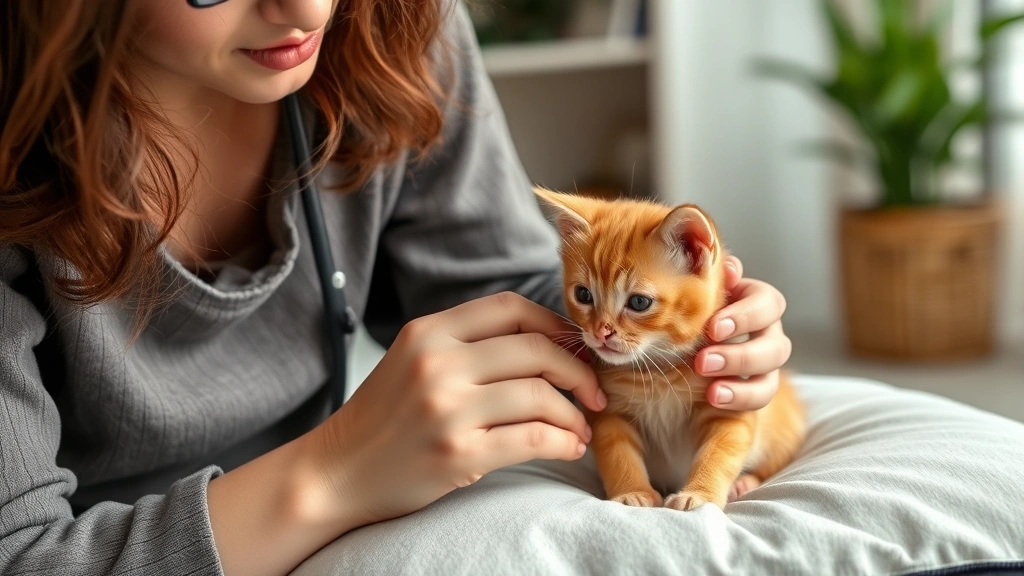
If you’re unsure whether your kitten needs urgent care, a quick telehealth check-in can give you peace of mind—no appointment needed. Urgent vet consultation services like The Pet Vet make it easy to get professional guidance from home.
How Your Vet Will Diagnose the Problem
When you talk to your vet about kitten lethargy, they’ll start with a physical examination. They’ll check your kitten’s temperature, listen to their heart and lungs, and feel their abdomen for any abnormalities.
Depending on what they find, your vet might recommend blood tests, fecal exams, or imaging to pinpoint the cause. These diagnostic tools help rule out serious conditions and guide treatment decisions.
Be prepared to share details about your kitten’s behavior, appetite, bathroom habits, and any recent changes in their environment. This information helps your vet narrow down possibilities quickly.
What You Can Do Right Now
While you’re arranging to talk to your vet about kitten lethargy, take these steps to support your kitten’s comfort:
- Ensure your kitten has access to fresh water at all times.
- Offer high-quality, age-appropriate kitten food, even if they show little interest.
- Create a quiet, comfortable space where your kitten can rest undisturbed.
- Monitor their temperature and note any changes in behavior or symptoms.
- Keep a record of when lethargy started and what other symptoms you’ve noticed.
Having this information ready when you speak with your vet will help them provide better care.
Preventing Lethargy in Kittens
Prevention is always easier than treatment. Here’s how to keep your kitten healthy and energetic:
Maintain Proper Nutrition: Feed high-quality kitten food formulated for their age and size. Kittens need more calories and specific nutrients than adult cats.
Keep Up with Vaccinations: Vaccines protect kittens from serious infections that cause lethargy and other severe symptoms.
Parasite Prevention: Regular deworming and flea prevention keep parasites from draining your kitten’s health.
Provide a Stress-Free Environment: Minimize loud noises, sudden changes, and conflicts with other pets.
Schedule Regular Vet Visits: Routine check-ups catch problems early, before they become serious.
The Difference Between Normal Kitten Napping and Concerning Lethargy
Kittens do sleep a lot—sometimes 16 to 20 hours a day. This is completely normal. The difference is how they act when they’re awake.
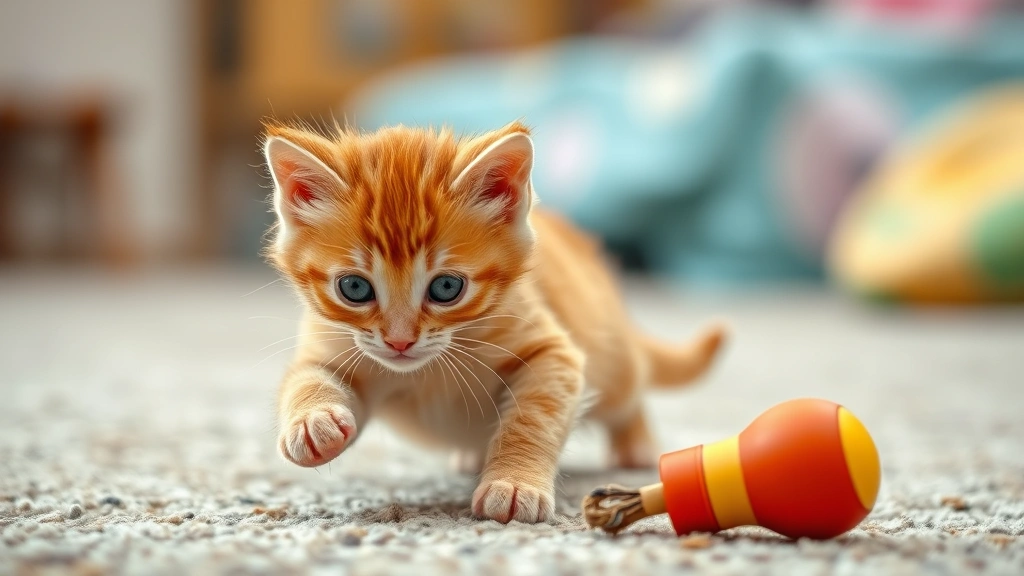
A healthy kitten wakes up ready to play, eat, and explore. They’re curious, responsive, and energetic during their waking hours. A lethargic kitten, on the other hand, seems disinterested even when awake. They might not eat well, respond slowly to stimulation, or show signs of illness.
Trust your instincts. If something feels off about your kitten’s behavior, it probably is.
When to Seek Emergency Care
Some situations require immediate emergency attention, not just a regular vet visit. Seek emergency care if your kitten:
- Is unresponsive or unconscious
- Has difficulty breathing or gasping for air
- Shows signs of severe pain or distress
- Has a temperature above 103°F or below 99°F
- Is unable to urinate or defecate
- Has visible injuries or bleeding
These situations demand urgent care. Don’t delay in getting your kitten to an emergency veterinary clinic.
Understanding Related Symptoms
Lethargy rarely appears in isolation. It often comes with other symptoms that provide clues about what’s happening. If your kitten is lethargic and vomiting, that’s one concern. If they’re lethargic with diarrhea, that’s another pattern entirely.
Keep track of all symptoms and their timeline. This helps your vet connect the dots and reach a diagnosis faster. The more information you provide, the better equipped your vet is to help.
Frequently Asked Questions
How long should I wait before calling the vet about kitten lethargy?
Don’t wait. If lethargy lasts more than a few hours or comes with other symptoms, contact your vet immediately. Kittens can decline quickly.
Is lethargy in kittens always serious?
Not always, but it’s always worth investigating. Even mild lethargy can signal something your kitten needs help with, so it’s better to err on the side of caution.
Can I treat kitten lethargy at home?
You can support your kitten’s comfort at home, but you need a vet to diagnose and treat the underlying cause. Home care alone won’t resolve the problem.
What should I bring when I talk to my vet about kitten lethargy?
Bring your kitten, any medical records you have, and notes about when lethargy started, what your kitten has eaten, and any other symptoms you’ve noticed.
Can stress cause lethargy in kittens?
Yes, stress can cause temporary lethargy, but it usually resolves once the stressor is removed. If lethargy persists, there’s likely a medical cause too.
What To Do Now
Take action today to get your kitten the care they need:
- Contact your veterinarian: Call your regular vet or an emergency clinic if your kitten shows any warning signs of lethargy. Don’t wait for symptoms to worsen.
- Document symptoms: Write down when lethargy started, what your kitten has eaten, bathroom habits, and any other changes you’ve noticed. This information helps your vet diagnose faster.
- Consider a telehealth consultation: If you’re unsure whether urgent care is needed, talk to a vet about cat lethargy through a telehealth service for quick guidance and peace of mind.
- Keep your kitten comfortable: While waiting for your vet appointment, ensure your kitten has access to fresh water, quiet rest space, and their regular food.
- Follow your vet’s recommendations: Once you’ve talked to your vet about kitten lethargy, follow their treatment plan closely and schedule any recommended follow-up visits.
Summary: Taking Action on Kitten Lethargy
Lethargy in kittens is your pet’s way of signaling that something needs attention. Whether it’s an infection, nutritional issue, or something else, the key is recognizing it early and getting professional help fast.
You know your kitten best. If they’re not acting like themselves, that’s reason enough to talk to your vet about kitten lethargy. Modern veterinary care, including convenient telehealth options, makes it easier than ever to get answers and help your kitten feel better.
Don’t hesitate. Your quick action today could make all the difference in your kitten’s health and happiness tomorrow.