
If you’ve noticed your kitten constantly licking their paws, it’s natural to wonder what’s going on—and whether you should talk to vet about kitten licking paws right away. This behavior might seem cute at first, but excessive paw licking can signal anything from simple grooming habits to underlying health concerns that deserve attention.
Table of Contents
- Why Is My Kitten Licking Their Paws So Much?
- 1. Allergies: A Common Culprit Behind Excessive Paw Licking
- 2. Parasites: Tiny Troublemakers Causing Big Discomfort
- 3. Fungal and Bacterial Infections: When Paws Get Infected
- 4. Stress and Anxiety: The Emotional Component
- 5. Nail and Paw Pad Issues: Structural Problems
- When Should You Talk to a Vet About Kitten Licking Paws?
- How to Examine Your Kitten’s Paws at Home
- Home Care Tips While Awaiting a Vet Visit
- Online Vet Consultation: A Convenient First Step
- Prevention: Keeping Your Kitten’s Paws Healthy
- Summary: Taking Action for Your Kitten’s Comfort
- Frequently Asked Questions
- What to Do Now
This article is for informational purposes only and is not a substitute for professional veterinary advice. Always consult a licensed veterinarian for diagnosis and treatment.
The good news? Catching this early puts you in a great position to help your kitten feel better and get back to their playful self. Let’s explore what might be behind those adorable pink toe beans and how to know when a vet visit is necessary.
Why Is My Kitten Licking Their Paws So Much?
Kittens groom themselves constantly—it’s part of their normal behavior. However, there’s a difference between casual grooming and obsessive licking. When your kitten spends an unusual amount of time focused on their paws, it often points to an underlying issue that needs investigation.
The paws are one of the most sensitive areas on a cat’s body, packed with nerve endings. This makes them a prime target when something feels uncomfortable or irritating. Understanding the root cause is the first step toward helping your kitten feel better.
1. Allergies: A Common Culprit Behind Excessive Paw Licking
Just like humans, kittens can develop allergies to food, environmental factors, or contact irritants. When allergens trigger an immune response, itching and inflammation often concentrate on the paws and between the toes.
Food allergies in kittens commonly involve chicken, fish, dairy, or grains. Environmental allergies might stem from pollen, dust mites, or mold. If your kitten’s paw licking worsens seasonally or after dietary changes, allergies could be the answer.
Look for additional signs like redness between the toes, swelling, or a musty odor on the paws. You can talk to a vet about kitten itching online if you suspect allergies are at play.
2. Parasites: Tiny Troublemakers Causing Big Discomfort
Fleas, mites, and lice are microscopic menaces that can drive your kitten crazy with itching. Even if you don’t see visible parasites, they can cause intense irritation, especially around the paws and between the toes.
Mange mites, in particular, love to burrow into paw pads and cause relentless itching. Indoor kittens can still contract parasites through contaminated bedding or even on your clothing. Regular parasite prevention is essential, even for indoor cats.
If your kitten has outdoor access or you’ve recently adopted them, parasites should be high on your suspect list. A vet can perform a simple skin scraping or examination to rule this out quickly.
3. Fungal and Bacterial Infections: When Paws Get Infected
Ringworm (a fungal infection) and bacterial infections can settle into your kitten’s paw pads, causing itching, redness, and sometimes visible lesions. These infections thrive in warm, moist environments—making paws an ideal breeding ground.
Ringworm is contagious to other pets and humans, so prompt identification matters. You might notice circular patches of hair loss or crusty, scaly skin on or around the paws. Bacterial infections often develop after excessive licking breaks the skin barrier.
Catching this early puts you in a great position to prevent spread and discomfort. A vet can culture or examine samples under a microscope to confirm infection.
4. Stress and Anxiety: The Emotional Component
Kittens sometimes lick their paws excessively as a self-soothing behavior when stressed, anxious, or bored. This is similar to how humans might bite their nails during tense moments. Environmental changes, new pets, or lack of enrichment can trigger this habit.
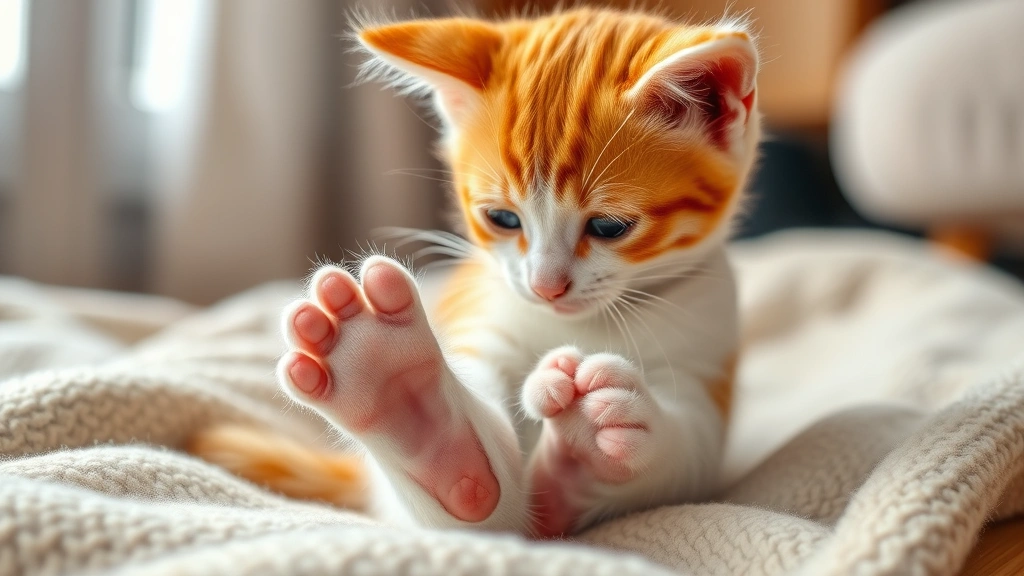
Psychogenic licking typically affects multiple paws and may not show obvious physical symptoms like redness or swelling. However, repeated licking can eventually lead to sore spots and hair loss if the underlying stress isn’t addressed.
Enrichment activities, play sessions, and a calm environment often help. If stress seems like the culprit, you can talk to a vet about cat behavior problems online for personalized strategies.
5. Nail and Paw Pad Issues: Structural Problems
Sometimes the problem is physical. Ingrown nails, overgrown claws, or splinters embedded in paw pads can cause localized licking and chewing. Kittens with polydactylism (extra toes) may have alignment issues that trigger discomfort.
Dry, cracked paw pads or chemical irritation from litter box additives or household cleaners can also spark excessive licking. Examine your kitten’s paws closely under good lighting to spot any visible abnormalities.
Regular nail trims and keeping paws clean help prevent many of these issues. If you notice swelling, discharge, or your kitten limping, a vet visit is warranted.
When Should You Talk to a Vet About Kitten Licking Paws?
Not every instance of paw licking requires an emergency vet visit, but certain signs warrant prompt attention. If the licking is constant, causing visible damage, or accompanied by other symptoms, it’s time to reach out.
Red flags include:
- Visible redness, swelling, or discharge from the paws
- Hair loss around the paws or between the toes
- Your kitten limping or showing signs of pain
- Foul odor coming from the paws
- Licking that interferes with sleep, play, or eating
- Presence of scabs, wounds, or bleeding
- Systemic symptoms like fever, lethargy, or vomiting
Even if symptoms seem mild, persistent paw licking lasting more than a few days deserves professional evaluation. Early intervention often prevents complications and reduces your kitten’s discomfort.
How to Examine Your Kitten’s Paws at Home
Before scheduling a vet visit, do a gentle at-home inspection. Gently press each paw pad and check between the toes for redness, swelling, debris, or unusual odors. Look for parasites, scabs, or areas of missing hair.
Note when the licking occurs most frequently—during specific times of day, after meals, or during certain activities. Document any patterns or triggers you notice. This information helps your vet narrow down the cause.
Keep a brief log of other symptoms: Does your kitten seem itchy elsewhere? Are they eating normally? Do they have diarrhea or vomiting? These details paint a fuller picture of your kitten’s health.
Home Care Tips While Awaiting a Vet Visit
While you’re arranging a veterinary consultation, several safe home care measures can provide comfort:
- Soak the paws: Warm (not hot) water soaks for 5-10 minutes can soothe irritation and soften debris. Pat dry thoroughly afterward.
- Keep paws clean: Gently wipe paws with a damp cloth daily to remove irritants or allergens from the environment.
- Trim nails regularly: Short nails reduce scratching and prevent ingrown issues.
- Provide enrichment: Increase playtime and environmental stimulation to reduce stress-related licking.
- Use a cone if necessary: If licking is causing visible damage, a soft Elizabethan collar prevents further trauma while you await professional care.
Avoid applying any topical treatments without vet approval, as some products can be toxic if ingested during grooming.
Online Vet Consultation: A Convenient First Step
If you’re unsure whether your kitten needs urgent in-person care, a quick telehealth check-in can give you peace of mind—no appointment needed. You can talk to a vet about kitten licking paws online from the comfort of your home, and many issues can be evaluated through photo or video consultation.
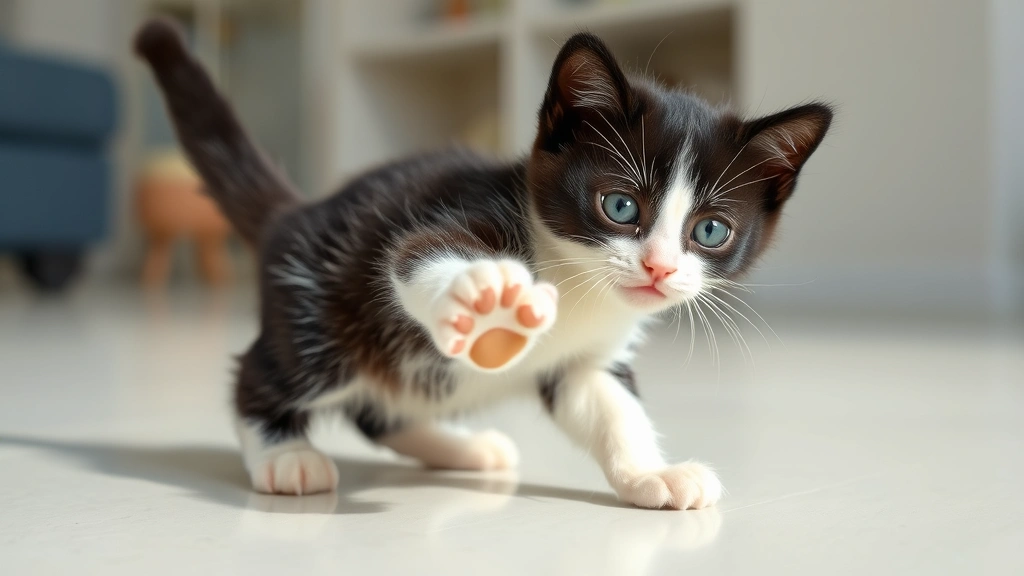
Telehealth is particularly helpful for ruling out emergencies, getting preliminary guidance, or determining whether an in-person visit is necessary. This approach saves time and reduces stress for both you and your kitten.
Have clear photos of the affected paws ready, and be prepared to describe the licking behavior in detail. The more information you provide, the more accurate the assessment.
Prevention: Keeping Your Kitten’s Paws Healthy
An ounce of prevention is worth a pound of cure. Regular parasite prevention—even for indoor kittens—is non-negotiable. Monthly flea and tick treatments recommended by your vet keep parasites at bay.
Maintain a clean litter box and change litter regularly to reduce exposure to fungal spores and bacteria. Provide a balanced, high-quality diet suited to your kitten’s age and health status, as proper nutrition supports skin and immune health.
Keep your kitten’s environment enriched with toys, scratching posts, and climbing structures. Mental stimulation reduces stress-related behaviors and supports overall well-being.
Summary: Taking Action for Your Kitten’s Comfort
Excessive paw licking in kittens can stem from allergies, parasites, infections, stress, or physical issues. While occasional grooming is normal, persistent or intense licking warrants veterinary attention. By examining your kitten’s paws, documenting symptoms, and reaching out to a vet promptly, you’re taking the right steps to ensure their health and comfort.
Remember, your kitten can’t tell you what’s wrong—but their behavior gives you clues. Trust your instincts, and don’t hesitate to seek professional guidance. Early intervention often leads to faster recovery and a happier, healthier kitten.
Frequently Asked Questions
Is it normal for kittens to lick their paws?
Yes, grooming is normal kitten behavior. However, excessive or obsessive licking—especially if it causes redness, hair loss, or seems to cause discomfort—warrants veterinary evaluation.
Can I use human lotion or moisturizer on my kitten’s paws?
No, many human products are toxic to cats if ingested during grooming. Always consult your vet before applying anything topical to your kitten’s paws.
How quickly do fungal infections spread in kittens?
Ringworm can spread to other pets and humans within days of exposure. If you suspect a fungal infection, seek vet care promptly and practice good hygiene (hand washing, separate bedding).
What’s the difference between normal grooming and obsessive licking?
Normal grooming is brief and occasional. Obsessive licking is frequent, prolonged, and often causes visible damage like hair loss, redness, or sores. If your kitten seems unable to stop, it’s time to call the vet.
Can stress alone cause paw licking, or is it always a physical problem?
Stress can absolutely cause excessive paw licking without any physical illness. However, physical issues are more common, so a vet should rule out allergies, parasites, and infections first.
What to Do Now
- Examine your kitten’s paws today. Look for redness, swelling, discharge, parasites, or other abnormalities. Take clear photos to share with a vet if needed.
- Document the licking behavior. Note when it occurs, how long it lasts, and any patterns or triggers. Track any other symptoms your kitten may be experiencing.
- Schedule a vet consultation. Contact your regular veterinarian or use an online telehealth service to talk to a vet about kitten licking paws if you need a faster response or want to rule out emergencies first.
- Implement home care measures. Keep paws clean, provide enrichment, trim nails regularly, and avoid applying any treatments without vet approval.
- Monitor closely after your vet visit. Follow all treatment recommendations, watch for improvement or worsening, and report back to your vet if symptoms persist or change.