
Noticing your kitten limping can be worrying, and it’s completely natural to want answers fast. When you talk to vet about kitten limping, you’re taking the right first step toward understanding what’s causing your little one discomfort and how to help. Limping in kittens can range from something minor that resolves on its own to a sign that needs professional attention, so knowing when and how to reach out to your veterinarian is crucial.
Table of Contents
- Why Your Kitten Might Be Limping
- When to Talk to a Vet About Your Kitten’s Limp
- Red Flags That Require Urgent Attention
- How to Observe and Document Your Kitten’s Symptoms
- Preparing for Your Veterinary Consultation
- Understanding Possible Diagnoses
- Treatment Options Your Vet Might Recommend
- Using Telehealth for Your Kitten’s Limp
- Home Care While You Wait for Your Appointment
- Prevention Tips for Future Limping Issues
- Frequently Asked Questions
- What To Do Now
- Summary: Taking Action on Your Kitten’s Limp
This article is for informational purposes only and is not a substitute for professional veterinary advice. Always consult a licensed veterinarian for diagnosis and treatment.
Why Your Kitten Might Be Limping
Kittens are playful bundles of energy, and sometimes that enthusiasm leads to minor stumbles or strains. A kitten limping could be experiencing anything from a small paw pad injury or muscle strain after an overly enthusiastic play session to something more serious. The key is observing how severe the limp appears and whether it’s getting better or worse.
Common causes include soft tissue injuries, joint issues, or even something as simple as a thorn stuck in their paw. Catching this early puts you in a great position to help your kitten feel better quickly. The good news? Many causes of kitten limping are very treatable when caught promptly.
When to Talk to a Vet About Your Kitten’s Limp
Timing matters when it comes to veterinary care. If your kitten is putting no weight on a leg, seems to be in significant pain, or the limp appeared suddenly after an obvious injury or fall, contact your vet right away. These signs suggest your kitten may be experiencing acute pain that needs prompt evaluation.
On the other hand, if your kitten is still moving around, eating normally, and the limp is mild, you have a bit more flexibility to schedule a regular appointment. However, don’t wait more than a few days—persistent limping can indicate an underlying issue that benefits from early intervention.
Red Flags That Require Urgent Attention
Some situations call for immediate veterinary care rather than waiting for a regular appointment. If your kitten’s leg appears swollen, deformed, or if your kitten is crying out in pain, these are signs that something more serious may be happening.
Other urgent red flags include:
- Inability or complete refusal to bear weight on the affected leg
- Visible wounds, bleeding, or discharge from the paw or leg
- Fever or lethargy accompanying the limp
- Limping that worsens rapidly over hours
- Signs of infection like redness or warmth around the joint
If you notice any of these signs, reach out to an emergency veterinary clinic or your regular vet’s emergency line immediately. Early intervention can prevent complications and get your kitten feeling better faster.
How to Observe and Document Your Kitten’s Symptoms
Before you talk to vet about kitten limping, gather as much information as possible about what you’re seeing. Vets rely on detailed observations from pet owners to make accurate assessments. Start by noting when the limp began and whether it appeared suddenly or gradually over time.
Document these helpful details:
- Which leg is affected and how severe the limp appears (mild, moderate, severe)
- Whether your kitten will put any weight on the leg or avoids it completely
- Any visible swelling, wounds, or abnormalities on the paw or leg
- Your kitten’s behavior—is she eating, drinking, and playing normally?
- Whether the limp seems better or worse at certain times of day
- Any recent injuries, falls, or changes in activity level
If possible, take a short video of your kitten walking or running. This visual record helps your vet see exactly what you’re describing and can be especially valuable during a telehealth consultation.
Preparing for Your Veterinary Consultation
Getting ready for your vet appointment makes the conversation more productive and helps your vet reach a diagnosis faster. Have your kitten’s medical history available, including any previous injuries, medications, or health conditions. If your kitten was recently adopted or is very young, knowing her background helps provide context.
Write down your main concerns and questions before the appointment so you don’t forget anything in the moment. Be prepared to discuss your kitten’s diet, activity level, and any recent changes in behavior or environment. The more information you provide, the better your vet can help.
Understanding Possible Diagnoses
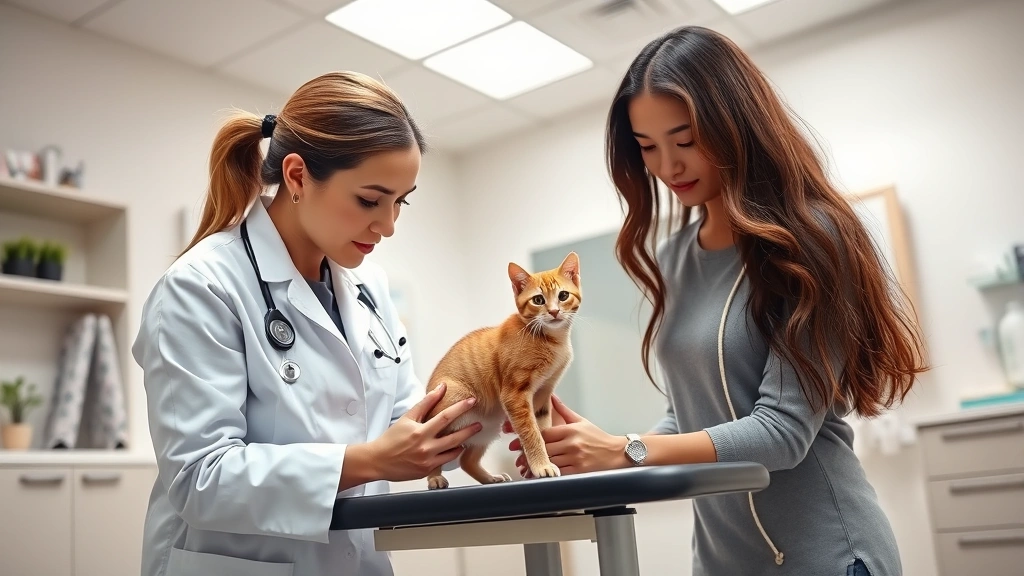
When you talk to vet about kitten limping, your veterinarian will likely perform a physical examination to narrow down the cause. They may recommend diagnostic imaging like X-rays if they suspect a fracture, joint issue, or other structural problem. These tools help vets see what’s happening beneath the surface.
Some kittens may be experiencing growing pains, which are common in young cats and typically resolve on their own. Others might have a sprain, strain, or ligament issue that benefits from rest and pain management. In some cases, infections or more complex orthopedic conditions could be involved, which is why professional evaluation is so important.
Your vet will explain their findings in clear terms and discuss treatment options tailored to your kitten’s specific situation. Don’t hesitate to ask questions about the diagnosis or recommended treatment plan.
Treatment Options Your Vet Might Recommend
Treatment for kitten limping depends entirely on the underlying cause. For minor sprains or strains, your vet may recommend rest, restricted activity, and monitoring at home. Keeping your kitten calm and limiting jumping or running for a few days can make a big difference in recovery.
More complex issues might require additional interventions. Your veterinarian can discuss pain management options, physical therapy, or other treatments suited to your kitten’s needs. The goal is always to get your kitten back to normal activity as safely and quickly as possible.
If your kitten needs ongoing care or monitoring, your vet will provide clear instructions on what to watch for and when to follow up. Follow-up appointments ensure your kitten is healing properly and help catch any complications early.
Using Telehealth for Your Kitten’s Limp
If you’re unsure whether your kitten needs urgent care, a quick telehealth check-in can give you peace of mind—no appointment needed. Many pet owners find telehealth convenient for initial consultations about limping, especially if they’re trying to determine whether an emergency visit is necessary.
During a telehealth visit, your vet can ask detailed questions and review any photos or videos you’ve taken of your kitten limping. While some issues require hands-on examination, telehealth is often a great first step for getting professional guidance. You can also learn more about talking to a vet about kitten concerns online to understand how this process works.
Telehealth consultations can help you decide whether to schedule an in-person visit or if home care and monitoring are appropriate for your situation. This flexibility is especially valuable for busy pet owners or those in areas with limited veterinary services.
Home Care While You Wait for Your Appointment
If your kitten’s limp isn’t an emergency but you’re waiting for a vet appointment, there are steps you can take to keep her comfortable. Provide a quiet, comfortable space where she can rest without the temptation to jump or run excessively. Use soft bedding and keep her food and water bowls easily accessible.
Limit playtime and strenuous activity until you’ve spoken with your vet. Avoid rough play or anything that might aggravate the affected leg. Keep an eye on her appetite, water intake, and bathroom habits—changes in these areas could indicate pain or a more serious issue.
Monitor the limp closely and note any changes. If it worsens suddenly or your kitten seems to be in more pain, don’t wait for your scheduled appointment—reach out to your vet right away or seek emergency care.
Prevention Tips for Future Limping Issues
While not all limping can be prevented, there are ways to reduce your kitten’s risk of injury. Provide a safe environment with appropriate climbing structures, scratching posts, and play areas that minimize fall risks. Supervise playtime, especially with older cats or during rough games.
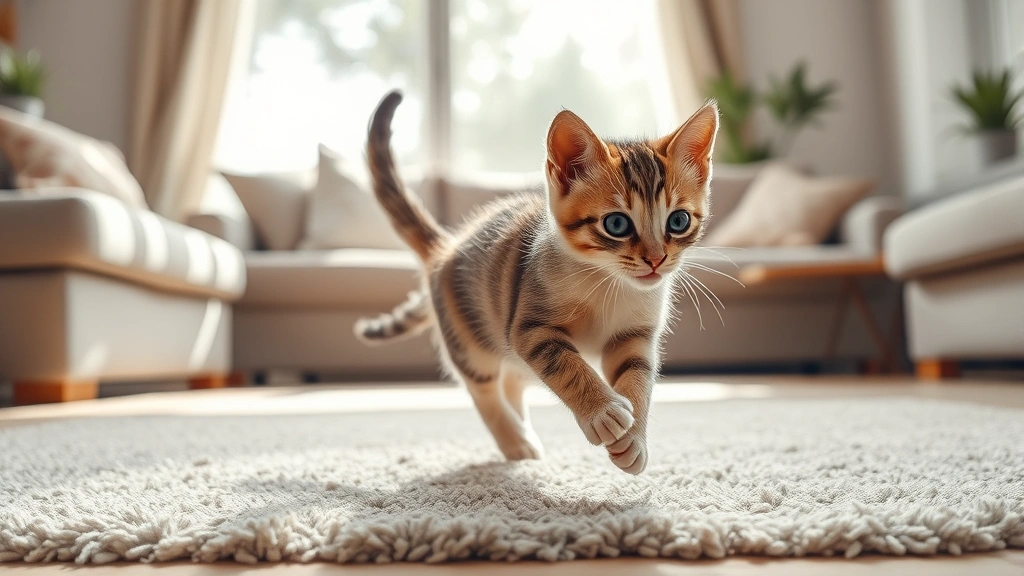
Keep your kitten at a healthy weight, as excess weight puts extra stress on growing joints. Provide age-appropriate toys and activities that encourage natural movement without overexertion. Regular veterinary check-ups help catch early signs of joint or mobility issues before they become problems.
If your kitten has a history of injuries or mobility concerns, talk to your vet about preventive care strategies. Early intervention and proper care can help your kitten stay active and healthy throughout her life.
Frequently Asked Questions
How long should I wait before calling the vet about my kitten’s limp?
If the limp is mild and your kitten is otherwise acting normal, you can usually schedule a regular appointment within a few days. However, if the limp is severe, your kitten won’t put weight on the leg, or you notice other concerning symptoms, contact your vet immediately.
Can a kitten’s limp go away on its own?
Minor sprains and strains sometimes improve with rest, but persistent limping should always be evaluated by a vet. Getting professional assessment ensures nothing serious is being missed.
What questions should I ask my vet about my kitten’s limp?
Ask about the cause, recommended treatment, activity restrictions, pain management options, and when to expect improvement. Also ask about warning signs that would require urgent follow-up care.
Is it normal for kittens to limp after playing?
Occasional mild limping after vigorous play can happen, but it should resolve quickly. If limping persists or worsens, have your kitten examined by a vet to rule out injury.
Can I give my kitten pain relief at home?
Never give your kitten human pain medications or over-the-counter drugs without explicit veterinary guidance. Your vet can recommend safe pain management options appropriate for kittens if needed.
What To Do Now
- Observe and document: Watch your kitten’s limp carefully and note which leg is affected, how severe it appears, and when it started. Take a short video if possible to share with your vet.
- Assess urgency: Determine whether your kitten needs emergency care (inability to bear weight, visible injury, severe pain) or can wait for a regular appointment (mild limp, normal behavior otherwise).
- Schedule your consultation: Contact your veterinarian or use a telehealth service like The Pet Vet to discuss your kitten’s symptoms and get professional guidance on next steps.
- Prepare for the visit: Gather your kitten’s medical history, write down your questions, and have any photos or videos ready to share with your vet.
- Provide home care: While waiting for your appointment, keep your kitten calm and comfortable, limit activity, and monitor for any changes in her condition or behavior.
Summary: Taking Action on Your Kitten’s Limp
When you talk to vet about kitten limping, you’re doing exactly what your kitten needs. Limping in kittens can stem from many different causes, ranging from minor to more serious, and professional evaluation is the best way to determine what’s happening and how to help.
Start by carefully observing your kitten’s symptoms and documenting what you see. Determine whether your kitten needs urgent care or can wait for a regular appointment. Reach out to your veterinarian with your observations and concerns—they’re your best resource for getting your kitten back to running, jumping, and playing comfortably.
Remember, early intervention often leads to better outcomes and faster recovery. Your kitten’s comfort and health are worth the effort of getting professional veterinary care. With the right guidance and treatment, most kittens bounce back from limping issues and return to their playful, energetic selves.
External Resources: For more information about kitten health and orthopedic issues, visit PetMD’s cat care section or the American Veterinary Medical Association (AVMA) for veterinary guidance and resources.
If you’re concerned about other behavioral or health issues in your kitten, you can also explore resources on kitten anxiety support and other kitten health concerns to better understand your pet’s overall well-being.