
If you’ve noticed your kitten shaking, trembling, or quivering unexpectedly, it’s natural to feel concerned. Kittens shake for many different reasons—some completely harmless, others requiring prompt veterinary attention. The good news? Talk to vet about kitten shaking early, and you’ll have clarity on what’s happening and how to help.
Table of Contents
- Why Do Kittens Shake? Understanding the Basics
- Cause #1: Cold Temperature and Shivering
- Cause #2: Fear and Anxiety
- Cause #3: Hypoglycemia (Low Blood Sugar)
- Cause #4: Fever and Infection
- Cause #5: Toxin Exposure or Poisoning
- Cause #6: Neurological Issues or Seizures
- Cause #7: Muscle Tremors from Excitement or Play
- When Should You Talk to a Vet About Kitten Shaking?
- What To Do Now: 5 Actionable Steps
- How The Pet Vet Can Help
- Prevention: Keeping Your Kitten Healthy and Calm
- Summary: What You Need to Know
- Frequently Asked Questions
This article is for informational purposes only and is not a substitute for professional veterinary advice. Always consult a licensed veterinarian for diagnosis and treatment.
As a kitten owner, understanding the difference between normal behavior and a potential health concern is crucial. Shaking can range from playful excitement to a sign of something more serious. Let’s explore the most common causes, when to worry, and exactly what steps you should take next.
Why Do Kittens Shake? Understanding the Basics
Kittens shake for surprisingly diverse reasons. Sometimes it’s pure joy—a kitten trembling with excitement before pouncing on a toy. Other times, shaking indicates discomfort, fear, or an underlying medical issue.
The key is learning to read the context. Is your kitten shaking after playtime, or during rest? Are there other symptoms present? These details matter enormously when you talk to a vet about kitten shaking online.
Cause #1: Cold Temperature and Shivering
Young kittens struggle to regulate body temperature. If your home is chilly or your kitten has been in a cool environment, shaking is their natural response to generate warmth.
Signs of cold-related shaking include:
- Trembling that stops once the kitten warms up
- Seeking warm spots (blankets, sunlight, your lap)
- Normal eating and behavior otherwise
Catching this early puts you in a great position to help—simply provide a cozy, warm environment. Kittens typically feel comfortable between 75–80°F.
Cause #2: Fear and Anxiety
A frightened kitten will shake noticeably. New environments, loud noises, unfamiliar people, or stressful situations can trigger visible trembling in sensitive kittens.
Common anxiety triggers include:
- Moving to a new home
- Veterinary visits
- Introduction to other pets
- Thunderstorms or fireworks
If anxiety seems to be the culprit, creating a safe, quiet space helps tremendously. However, if your kitten’s anxiety persists or interferes with eating and play, an online vet for kitten anxiety can provide guidance on behavioral support and calming strategies.
Cause #3: Hypoglycemia (Low Blood Sugar)
Young kittens, especially those under 12 weeks old, can experience dangerously low blood sugar levels. This is a medical concern that requires attention. Hypoglycemia may be experiencing symptoms like shaking, weakness, lethargy, or even seizures in severe cases.
Risk factors include:
- Premature or orphaned kittens
- Kittens not eating frequently enough
- Illness or parasites
- Prolonged stress
If you suspect hypoglycemia, offer a small amount of honey or kitten formula immediately and contact your vet without delay. This is one situation where quick action truly matters.
Cause #4: Fever and Infection
A kitten running a fever may shake as their body works to fight infection. This could indicate anything from a respiratory infection to feline panleukopenia (a serious viral disease) or other bacterial infections.
Additional signs to watch for:
- Lethargy or unusual quietness
- Loss of appetite
- Warm ears or nose
- Discharge from eyes or nose
Fever-related shaking paired with other symptoms warrants a vet visit. Your veterinarian can run tests to identify the cause and recommend appropriate treatment.
Cause #5: Toxin Exposure or Poisoning
Accidental ingestion of toxic substances can cause trembling in kittens. Common household toxins include certain plants, medications, cleaning products, and human foods.
If you suspect poisoning, note what your kitten may have eaten and contact your vet or poison control immediately. Don’t wait for other symptoms to develop—prompt intervention saves lives.
Cause #6: Neurological Issues or Seizures
In some cases, shaking could be experiencing a neurological origin. Seizures, cerebellar hypoplasia (a developmental condition), or other neurological disorders may cause trembling or rhythmic shaking.
Seizure-related shaking typically involves:
- Loss of consciousness or disorientation
- Rigid muscle tension
- Involuntary jerking motions
- Confusion after the episode
If you witness what appears to be a seizure, keep your kitten safe from injury and contact your vet immediately. A virtual kitten vet appointment can provide initial guidance, but in-person evaluation is usually necessary for neurological concerns.
Cause #7: Muscle Tremors from Excitement or Play
Sometimes, shaking is simply a sign of an excited, energetic kitten. After intense play or before a meal, kittens often tremble with anticipation or residual adrenaline.
This type of shaking is harmless and typically accompanied by:
- Alert, playful behavior
- Normal appetite and energy
- No other concerning symptoms
These tremors usually fade within minutes once your kitten settles down.
When Should You Talk to a Vet About Kitten Shaking?
Not every instance of shaking requires emergency care, but certain situations demand prompt veterinary attention. Here’s a practical guide:
Contact your vet within 24 hours if:
- Shaking persists for more than a few minutes
- Your kitten shows other symptoms (lethargy, vomiting, diarrhea)
- The trembling happens repeatedly throughout the day
- Your kitten is younger than 8 weeks old and shaking
Seek immediate emergency care if:
- You suspect poisoning or toxin exposure
- Shaking resembles seizures with loss of consciousness
- Your kitten is unable to stand or walk
- There’s difficulty breathing or choking
- Your kitten is unresponsive or unconscious
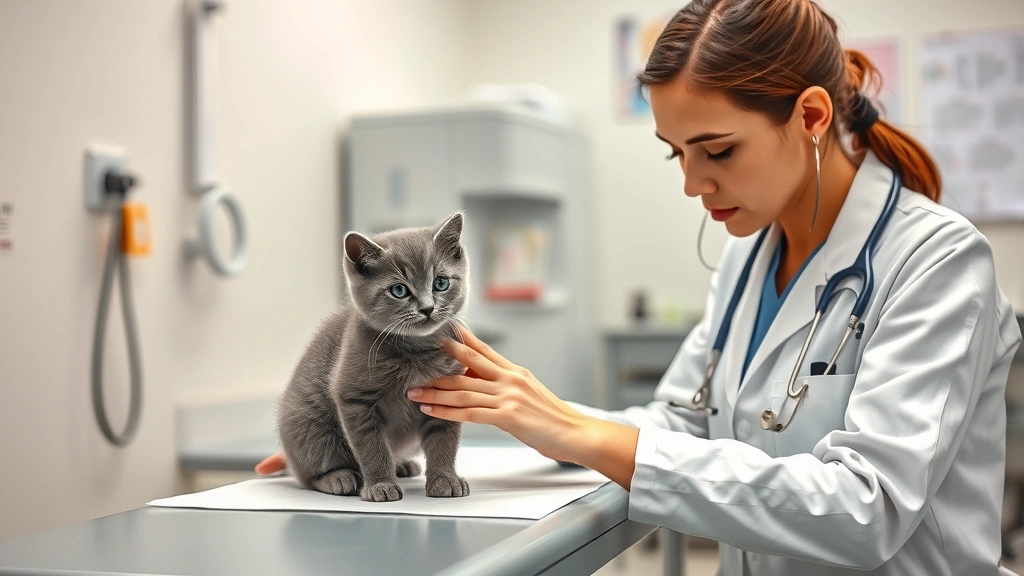
If you’re unsure whether your kitten needs urgent care, instant vet advice online can give you peace of mind—no appointment needed. A quick telehealth check-in helps you determine the next best step.
What To Do Now: 5 Actionable Steps
- Observe and document: Note when the shaking occurs, how long it lasts, and what your kitten is doing. Write down any other symptoms you notice (appetite changes, behavior shifts, discharge, etc.). This information is invaluable when you speak with your vet.
- Check your kitten’s environment: Ensure your home is warm enough (75–80°F), free of toxins, and provides a safe, quiet space. Remove any potential hazards or stressors.
- Monitor eating and hydration: Make sure your kitten eats regularly (kittens need food every 4–6 hours when young) and has access to fresh water. Frequent feeding prevents hypoglycemia.
- Schedule a vet appointment: Don’t delay. Whether in-person or virtual, getting professional eyes on your kitten provides answers. A vet can rule out serious conditions and guide your care approach.
- Keep detailed records: Track the frequency, duration, and context of shaking episodes. Share these notes with your vet to help with diagnosis and treatment planning.
How The Pet Vet Can Help
When you’re worried about your kitten’s health, waiting for an in-person appointment can feel stressful. That’s where telehealth becomes invaluable. Through The Pet Vet’s online platform, you can talk to a vet about kitten shaking from the comfort of your home.
Our licensed veterinarians can:
- Review symptoms and medical history
- Provide initial guidance and recommendations
- Determine if in-person care is necessary
- Offer reassurance and answer your questions
- Create a care plan tailored to your kitten’s needs
Many kitten owners find that a quick virtual consultation gives them the clarity and confidence they need to move forward—whether that means monitoring at home or scheduling an urgent in-person visit.
Prevention: Keeping Your Kitten Healthy and Calm
While not all causes of shaking are preventable, several strategies reduce risk:
- Maintain a warm, comfortable home: Keep temperatures stable and provide cozy resting areas.
- Feed frequently and appropriately: Young kittens need multiple small meals daily. Consult your vet on the right feeding schedule for your kitten’s age.
- Minimize stress: Introduce changes gradually, provide hiding spots, and create a predictable routine.
- Keep toxins out of reach: Store medications, cleaning products, and toxic plants securely.
- Stay current on preventive care: Regular vet visits catch health issues early.
Summary: What You Need to Know
Kitten shaking has many possible causes, ranging from benign to serious. Cold, fear, excitement, and low blood sugar are common culprits. However, fever, infection, toxin exposure, and neurological issues also cause trembling and require veterinary evaluation.
The safest approach is simple: when in doubt, reach out to your vet. Whether through a quick telehealth consultation or an in-person exam, professional guidance ensures your kitten gets the right care. Early intervention often prevents complications and gives you peace of mind.
Your kitten depends on you to notice changes and act responsibly. By staying observant and seeking veterinary help when needed, you’re already doing everything right.
Frequently Asked Questions
Is it normal for kittens to shake?
Some shaking is normal, especially from cold, excitement, or fear. However, persistent or unexplained trembling warrants a vet check to rule out underlying health issues.
Can stress cause my kitten to shake?
Yes, anxiety and stress absolutely cause visible shaking in kittens. Creating a calm, safe environment helps, but if anxiety persists, consult your vet for behavioral guidance.
What does a kitten seizure look like?
Seizures typically involve loss of consciousness, rigid muscle tension, involuntary jerking, and confusion afterward. If you witness this, contact your vet immediately.
How often should young kittens eat?
Kittens under 12 weeks need food every 4–6 hours. Older kittens (3–6 months) can eat 3–4 times daily. Ask your vet for specific feeding guidelines for your kitten’s age.
Should I take my kitten to the ER for shaking?
Seek emergency care if shaking resembles seizures, your kitten is unresponsive, there’s difficulty breathing, or you suspect poisoning. For other cases, a same-day vet appointment is usually appropriate.