
If your kitten is vomiting, it’s natural to feel worried—but knowing when and how to talk to vet about kitten vomiting can make all the difference in getting your little one the help they need. Vomiting in kittens isn’t always an emergency, but it does deserve your attention because it can signal anything from a simple hairball to something more serious that requires professional care.
Table of Contents
- Why Kittens Vomit: Common Causes
- When to Talk to Your Vet Right Away
- How to Prepare for Your Vet Conversation
- 5 Essential Solutions to Discuss With Your Vet
- Telehealth Options for Convenient Vet Consultations
- Home Care Tips While You Wait for Your Vet Appointment
- Questions to Ask Your Vet
- When Vomiting Signals a More Serious Issue
- Building a Relationship With Your Vet
- Frequently Asked Questions
- What To Do Now
- Summary
This article is for informational purposes only and is not a substitute for professional veterinary advice. Always consult a licensed veterinarian for diagnosis and treatment.
The good news? Most cases of kitten vomiting are manageable once you understand what’s happening and take the right steps. In this guide, we’ll walk you through the common causes, what questions to ask your vet, and practical solutions that can help your kitten feel better.
Why Kittens Vomit: Common Causes
Kittens vomit for many reasons, and not all of them are serious. Understanding the potential cause helps you communicate better with your veterinarian and prepares you for what to expect during a check-up.
Hairballs are one of the most common culprits, especially in kittens with longer coats. As they groom themselves, they swallow loose hair that can accumulate in their stomach and trigger vomiting. This is usually harmless but can be prevented with regular brushing.
Eating too quickly is another frequent cause. Kittens sometimes get overly excited about mealtime and gulp their food without chewing, which can cause regurgitation shortly after eating. Slowing down their eating pace often solves this issue.
Food sensitivities or dietary changes can upset a kitten’s digestive system. If you’ve recently switched brands or types of food, your kitten’s stomach may need time to adjust—or the new food simply may not agree with them.
Parasites are another possibility, especially in younger kittens or those from shelters. Internal parasites can irritate the digestive tract and lead to vomiting. A vet visit with a stool sample can rule this out quickly.
Infections or inflammatory conditions like acid reflux in cats or chronic pancreatitis in cats may also be at play. These require professional diagnosis and a tailored treatment plan.
Catching the pattern early puts you in a great position to help your kitten recover quickly.
When to Talk to Your Vet Right Away
Not every instance of vomiting requires an emergency vet visit, but certain situations definitely warrant immediate professional attention.
Contact your vet urgently if your kitten is vomiting repeatedly (more than once or twice in a short period), shows signs of lethargy or weakness, or refuses to eat or drink for more than a few hours. Dehydration can develop quickly in young cats, so don’t wait if you notice these red flags.
Also seek immediate care if the vomit contains blood, looks like coffee grounds, or if your kitten appears to be in pain or discomfort. These could indicate a more serious underlying condition that needs prompt evaluation.
If your kitten has a known medical condition or is on medication, always err on the side of caution and reach out to your vet even if the vomiting seems mild. Your vet knows your kitten’s health history and can advise whether an in-person visit is necessary.
Early intervention often leads to better outcomes and less stress for both you and your kitten.
How to Prepare for Your Vet Conversation
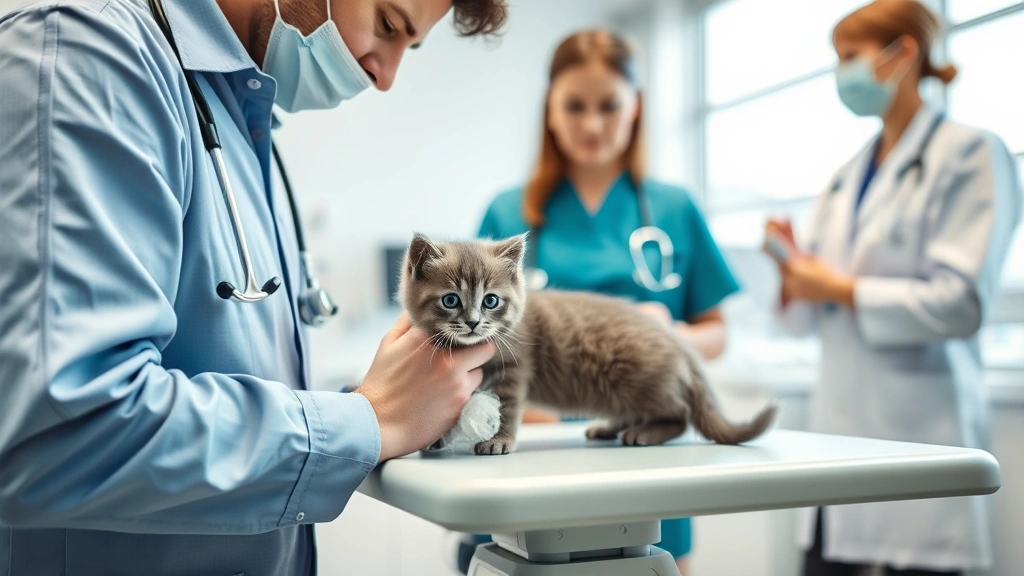
Before you talk to a vet about cat vomiting online or schedule an in-person appointment, gather some key information. Your vet will want to know details that can help narrow down the cause.
Document the vomiting pattern: How often is it happening? Is it related to meals or random throughout the day? Does it happen after your kitten plays or rests? Keep a simple log for a day or two.
Note what the vomit looks like: Is it clear, yellowish, or does it contain food? Color and consistency can offer clues about what’s going on in your kitten’s digestive system.
Record recent changes: Have you switched food brands, introduced new treats, or made any environmental changes? Did the vomiting start after a specific event or gradually?
Monitor other symptoms: Is your kitten eating normally? How’s their energy level? Are they drinking water? Are there any changes in litter box habits?
Having this information ready makes your vet visit more productive and helps your veterinarian reach a diagnosis faster.
5 Essential Solutions to Discuss With Your Vet
Once you’ve connected with your veterinarian, here are five key solutions that often come up in conversations about kitten vomiting.
1. Dietary Adjustments
Your vet may recommend switching to a different food formula or introducing a bland diet temporarily. Some kittens do better on grain-free options, while others benefit from limited-ingredient diets. Your vet can guide you toward the best choice for your kitten’s age and health status.
2. Slower Feeding Methods
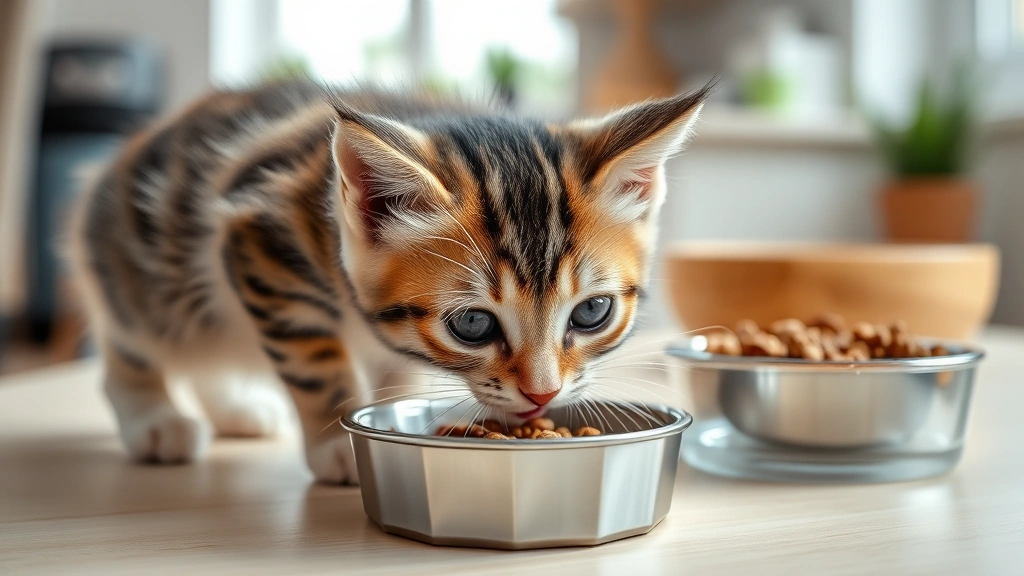
If your kitten eats too fast, using a slow-feeder bowl or spreading meals into smaller, more frequent portions can help. Your vet might also suggest hand-feeding for a period to help your kitten learn to eat more mindfully.
3. Parasite Prevention and Treatment
Your vet will likely recommend or prescribe a parasite treatment if parasites are suspected. Regular parasite prevention is also important for young kittens to keep them healthy long-term.
4. Hairball Management
Regular brushing is the first line of defense, but your vet might also suggest hairball-control food formulas or other supportive measures. These are safe, non-invasive ways to reduce hairball-related vomiting.
5. Monitoring and Follow-Up Care
Your vet may recommend a follow-up visit or a telehealth check-in after a few days to see how your kitten is responding to any recommended changes. This ensures you’re on the right track and adjusts the plan if needed.
Your vet is your partner in keeping your kitten healthy, so don’t hesitate to ask questions about any of these solutions.
Telehealth Options for Convenient Vet Consultations
If you’re unsure whether your kitten needs urgent care or want to discuss initial concerns without leaving home, telehealth veterinary services can be incredibly helpful. You can talk to a vet about cat vomiting online through platforms like The Pet Vet, which offer quick, affordable consultations with licensed veterinarians.
A telehealth vet can help you assess whether the situation is urgent, answer your immediate questions, and recommend next steps—all without the stress of traveling to a clinic. If your kitten needs hands-on examination or testing, your vet can refer you to a local clinic.
If you are unsure whether your pet needs urgent care, a quick telehealth check-in can give you peace of mind — no appointment needed.
Home Care Tips While You Wait for Your Vet Appointment
While you’re arranging to talk to your vet about your kitten’s vomiting, there are gentle steps you can take at home to support their comfort and recovery.
- Offer small, frequent meals: Instead of one large bowl, try giving your kitten smaller portions every few hours. This reduces the load on their stomach.
- Ensure fresh water is always available: Dehydration is a real concern with vomiting, so keep multiple water bowls around and consider a cat water fountain if your kitten prefers running water.
- Keep your kitten calm and rested: Minimize playtime and loud noises, which can stress their digestive system further.
- Avoid new foods and treats: Stick to their regular diet until your vet gives you the green light to make changes.
- Monitor litter box activity: Note any changes in urination or bowel movements, as this information helps your vet.
These simple measures often help your kitten feel a bit better while you work toward a professional diagnosis.
Questions to Ask Your Vet
When you do speak with your veterinarian, here are some important questions to ensure you have a complete understanding of your kitten’s situation:
- “What do you think is causing the vomiting, and what tests might help confirm that?”
- “Are there any warning signs I should watch for that would mean my kitten needs emergency care?”
- “What dietary changes do you recommend, and how long should it take to see improvement?”
- “Is there anything I can do at home to help manage the vomiting?”
- “How often should I follow up with you about this issue?”
- “Could this be related to any underlying health conditions I should know about?”
Asking these questions helps you feel more informed and empowered as your kitten’s caregiver.
When Vomiting Signals a More Serious Issue
While most kitten vomiting cases resolve with simple adjustments, sometimes vomiting can indicate a more complex health issue. Conditions like inflammatory bowel disease, food allergies, or gastrointestinal obstructions require more intensive investigation and treatment.
Your vet may recommend bloodwork, imaging, or other diagnostic tests if initial home remedies don’t help. Don’t be discouraged if the first approach doesn’t solve the problem—sometimes it takes a bit of detective work to find the right answer.
The fact that you’re being proactive and reaching out to your vet puts your kitten in the best position for a positive outcome.
Building a Relationship With Your Vet
One of the best things you can do for your kitten’s long-term health is to establish a strong relationship with a veterinarian you trust. Regular check-ups, open communication, and a willingness to follow professional advice all contribute to better health outcomes.
Whether you choose traditional in-person visits, ask a vet about cat vomiting through telehealth, or use a combination of both, having a vet in your corner makes managing issues like vomiting much easier. Your vet becomes familiar with your kitten’s history and can spot patterns you might miss.
Don’t hesitate to reach out with questions—that’s what your vet is there for.
Frequently Asked Questions
Is it normal for kittens to vomit occasionally?
Occasional vomiting (once or twice a month) can be normal, especially if related to hairballs or eating too quickly. However, frequent or persistent vomiting should always be evaluated by a vet to rule out underlying issues.
How long should I wait before calling the vet about kitten vomiting?
If your kitten vomits once and seems otherwise healthy and playful, you can monitor for a day or two. However, if vomiting happens multiple times, your kitten seems lethargic, or you notice other symptoms, contact your vet the same day.
Can I treat kitten vomiting at home without a vet visit?
Minor cases related to eating too fast or hairballs may improve with home adjustments like slower feeding and more brushing. However, persistent or unexplained vomiting requires professional evaluation to identify the underlying cause.
What should I feed my kitten after vomiting?
After vomiting, wait a few hours before offering food, then provide small amounts of their regular diet or a bland option recommended by your vet. Always follow your vet’s specific dietary guidance for your kitten’s situation.
Can telehealth vets diagnose the cause of kitten vomiting?
Telehealth vets can assess symptoms, ask detailed questions, and recommend next steps, but they cannot perform physical exams or run diagnostic tests. If those are needed, they’ll refer you to a local vet clinic for in-person care.
What To Do Now
Here’s your action plan for addressing your kitten’s vomiting:
- Document the details: Spend the next 24 hours noting when your kitten vomits, what it looks like, and any patterns you notice. This information is gold for your vet.
- Schedule a vet appointment or telehealth consultation: Don’t wait if your kitten is vomiting frequently or showing other signs of illness. A quick check-in can give you peace of mind and direction.
- Implement gentle home care: Offer smaller, more frequent meals, ensure fresh water is available, and keep your kitten calm and rested while you arrange professional care.
- Prepare your questions: Use the list provided above to jot down what you want to ask your vet, so you make the most of your consultation.
- Follow your vet’s recommendations: Once you have professional guidance, commit to the recommended changes and monitor your kitten’s response closely.
Summary
Kitten vomiting is concerning, but it’s also very manageable when you take the right steps. By learning to talk to vet about kitten vomiting effectively, preparing information ahead of time, and following professional guidance, you’re setting your kitten up for a healthy recovery.
Remember, your veterinarian is your best resource, and reaching out early—whether through telehealth or in-person—is always the right call. Your kitten is lucky to have someone who cares enough to seek answers. With proper care and attention, most cases of kitten vomiting resolve quickly, and your little one will be back to their playful, healthy self in no time.