
When your puppy starts coughing, it’s natural to feel worried—and that’s exactly why you should talk to vet about puppy coughing as soon as possible. A persistent cough in a young dog can range from something minor like a throat tickle to a sign of a more serious respiratory condition, and getting professional guidance early makes all the difference.
Table of Contents
- Why Your Puppy’s Cough Matters
- When to Seek Veterinary Care Immediately
- Question 1: What Type of Cough Is My Puppy Experiencing?
- Question 2: Could This Be Kennel Cough or Another Infectious Disease?
- Question 3: Is This Related to a Heart or Structural Problem?
- Question 4: What Environmental or Dietary Factors Could Be Contributing?
- Question 5: What Treatment Options Are Available?
- Preparing for Your Vet Conversation
- Understanding Your Puppy’s Vaccination Status
- What to Expect During the Vet Exam
- Managing Your Puppy’s Cough at Home
- When to Consider Telehealth for Puppy Coughing
- Summary: Taking Action for Your Coughing Puppy
- Frequently Asked Questions
- What To Do Now
This article is for informational purposes only and is not a substitute for professional veterinary advice. Always consult a licensed veterinarian for diagnosis and treatment.
The good news? Most puppy coughs are manageable when caught early, and your vet has the tools and experience to figure out exactly what’s going on. In this guide, we’ll walk you through the key questions to ask your veterinarian, what symptoms warrant urgent attention, and how to prepare for that conversation so you get the answers you need.
Why Your Puppy’s Cough Matters
Puppies are naturally curious and playful, which means they’re exposed to all sorts of environmental triggers and infectious agents. A cough in a young dog isn’t something to ignore, even if your puppy seems otherwise cheerful and energetic.
Coughing is your puppy’s way of clearing their airway, but it can also signal inflammation, infection, or irritation in the respiratory tract. Some causes are benign and self-limiting, while others need prompt treatment to prevent complications.
The sooner you talk to vet about puppy coughing, the sooner you’ll have a clear picture of what’s happening and a plan to help your pup feel better. Early intervention often leads to faster recovery and fewer complications.
When to Seek Veterinary Care Immediately
Not all coughs are created equal. Some situations call for urgent veterinary attention rather than a routine appointment.
You should seek immediate care if your puppy is:
- Coughing up blood or blood-tinged mucus
- Having difficulty breathing or showing labored breathing
- Displaying signs of collapse or extreme lethargy
- Running a high fever (above 103°F)
- Refusing food or water for more than a few hours
- Making wheezing or gasping sounds between coughs
If you notice any of these red flags, don’t wait for a routine appointment—contact your vet or an emergency clinic right away. Catching respiratory issues early puts you in a great position to help your puppy recover quickly.
If you’re unsure whether your pet needs urgent care, a quick telehealth check-in can give you peace of mind—no appointment needed. Many vets offer same-day consultations that help you determine the next best step.
Question 1: What Type of Cough Is My Puppy Experiencing?
Your vet will want to know as much detail as possible about your puppy’s cough. The characteristics of the cough can actually help narrow down the cause.
Here’s what to observe and report:
- Dry vs. wet: Is it a harsh, dry cough or one that sounds wet and productive?
- Frequency: Does your puppy cough once in a while or constantly throughout the day?
- Timing: Does it happen during play, after drinking water, at night, or randomly?
- Triggers: Does excitement, exercise, or pulling on the leash make it worse?
- Associated sounds: Do you hear gagging, wheezing, or reverse sneezing?
A dry cough might suggest kennel cough or irritation, while a wet cough could indicate fluid in the airways. Your veterinarian will use this information along with a physical exam to guide their diagnostic approach.
Question 2: Could This Be Kennel Cough or Another Infectious Disease?
Kennel cough (infectious tracheobronchitis) is one of the most common causes of coughing in puppies, especially those who’ve recently been around other dogs at shelters, rescues, or training classes.
When you talk to vet about puppy coughing, ask specifically whether kennel cough is a possibility. This condition is highly contagious but usually self-limiting, meaning many puppies recover on their own with supportive care in 1-3 weeks.
Other infectious respiratory conditions your vet might consider include:
- Canine distemper (preventable with vaccination)
- Canine influenza
- Pneumonia (bacterial or viral)
- Parasitic infections affecting the lungs
Your vet may recommend diagnostic testing like chest X-rays or cultures to identify the exact culprit. Understanding whether the cough is infectious helps determine if your puppy needs to be isolated from other dogs while recovering.
Question 3: Is This Related to a Heart or Structural Problem?
While less common in young puppies, some coughs can signal underlying cardiac or structural issues. Certain breeds are predisposed to heart disease in young pets, and a persistent cough might be an early warning sign.

Ask your vet whether a cardiac workup is needed. This might include listening carefully with a stethoscope for heart murmurs or irregular rhythms, or potentially ordering an ultrasound if indicated.
Structural issues like a collapsed trachea (more common in small breeds) or other anatomical abnormalities can also trigger coughing. Your veterinarian’s physical exam will help determine if further imaging is necessary.
Catching cardiac or structural issues early puts your puppy in the best position for long-term health and quality of life.
Question 4: What Environmental or Dietary Factors Could Be Contributing?
Sometimes a puppy’s cough is linked to their environment or what they’re eating rather than an infection. Be prepared to discuss your puppy’s living situation and diet when you talk to vet about puppy coughing.
Environmental factors to mention:
- Recent changes in living environment (new home, boarding facility, etc.)
- Exposure to smoke, strong perfumes, or air pollutants
- Dry indoor air (especially in winter)
- Recently acquired toys or bedding that might trigger allergies
- Outdoor allergens like pollen or mold
Your vet may also ask about diet to rule out aspiration (food or liquid going into the airway instead of the stomach) or allergic reactions to food ingredients. Some puppies develop coughs after eating too quickly or drinking excessively.
Addressing environmental triggers can sometimes resolve the cough without medication.
Question 5: What Treatment Options Are Available?
Once your vet has identified the likely cause, ask about all available treatment options. The approach depends entirely on what’s causing the cough.
Treatment might include:
- Supportive care: Rest, humidity, and fluids to help your puppy’s body fight off infection naturally
- Prescription medications: Your vet will recommend what’s appropriate for your puppy’s specific condition
- Dietary adjustments: Special feeding techniques or food changes if needed
- Environmental modifications: Humidifiers, air purifiers, or reducing irritants at home
- Natural remedies: Some puppies benefit from dog respiratory infection natural remedies used alongside conventional care
Ask your vet about the timeline for improvement and what warning signs would mean you need to come back in. Also discuss whether your puppy needs follow-up appointments to ensure the cough is resolving as expected.
Preparing for Your Vet Conversation
Going into a vet appointment organized and prepared helps you make the most of the visit. Here’s how to get ready:
- Keep a symptom log: Note when the cough happens, how long it lasts, and what seems to trigger it
- Take a video: A short clip of your puppy coughing can help your vet assess the sound and character
- Gather history: Write down any recent exposure to other dogs, vaccination status, and recent illnesses
- List your questions: Bring the five questions from this guide plus any others you think of
- Mention other symptoms: Tell your vet about any changes in appetite, energy, or bathroom habits
The more information you provide, the faster your vet can narrow down the diagnosis and recommend the right treatment plan.
Understanding Your Puppy’s Vaccination Status
Vaccination history plays a huge role in determining what might be causing your puppy’s cough. When you talk to vet about puppy coughing, make sure you have your puppy’s vaccination records ready.
Ask your vet:
- Is my puppy fully protected against kennel cough and other respiratory infections?
- Are there any additional vaccines that might help prevent future coughing episodes?
- When is my puppy due for the next round of vaccinations?
Keeping your puppy’s vaccinations current is one of the best preventive measures you can take. Some respiratory diseases are entirely preventable with proper vaccination protocols.
What to Expect During the Vet Exam
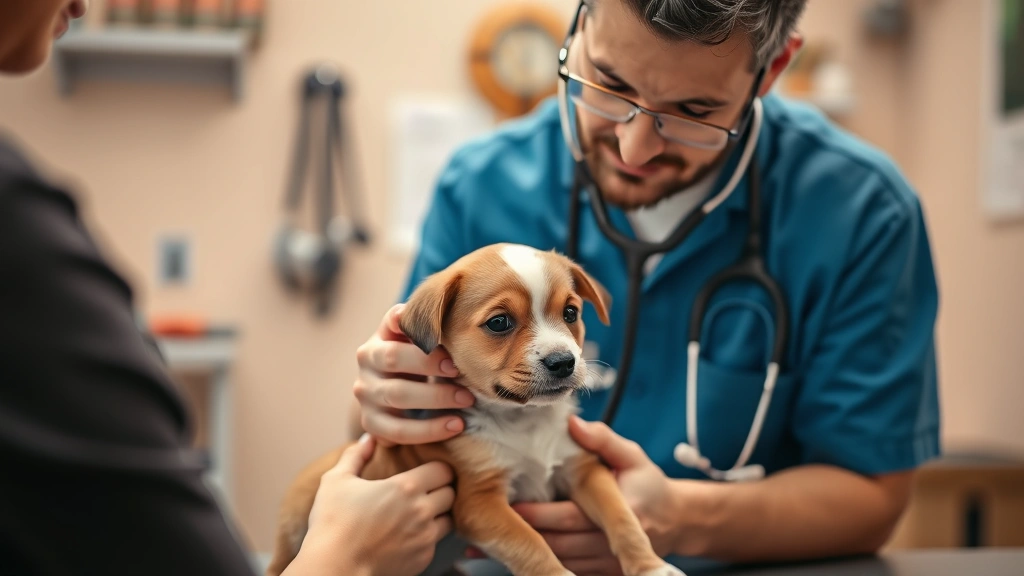
Your veterinarian will conduct a thorough physical examination focused on your puppy’s respiratory system. They’ll listen to the lungs with a stethoscope, check for fever, and observe your puppy’s breathing pattern.
Depending on what they find, your vet might recommend:
- Chest X-rays to visualize the lungs and airways
- Blood work or cultures to identify infections
- A throat swab to test for specific pathogens
- An ultrasound if cardiac involvement is suspected
Don’t hesitate to ask your vet to explain what they’re looking for and why. Understanding the diagnostic process helps you feel more confident in the recommended treatment plan.
Managing Your Puppy’s Cough at Home
While you’re waiting for your vet appointment or following their treatment recommendations, there are gentle steps you can take to help your puppy feel more comfortable.
- Use a humidifier: Moist air can soothe irritated airways
- Ensure plenty of rest: Let your puppy sleep and limit strenuous play
- Offer fresh water: Hydration supports the immune system
- Avoid irritants: Keep your puppy away from smoke and strong odors
- Use a harness instead of a collar: This reduces pressure on the trachea during walks
These supportive measures complement whatever treatment your vet recommends and can help your puppy recover faster.
When to Consider Telehealth for Puppy Coughing
If you’re unsure whether your puppy needs an in-person exam or if you want a second opinion, telehealth can be incredibly helpful. A virtual consultation allows you to talk to vet about puppy coughing from the comfort of your home.
Telehealth works especially well for:
- Initial assessment of mild coughs
- Follow-up questions after an in-person visit
- Determining whether urgent care is needed
- Getting guidance on home care and monitoring
Many pet owners find that a quick telehealth check-in gives them the confidence to know whether to schedule an in-person appointment or manage the cough at home with supportive care. The Pet Vet and similar platforms make it easy to connect with licensed veterinarians without the wait time of a traditional clinic.
Summary: Taking Action for Your Coughing Puppy
A persistent cough in your puppy deserves professional attention, but you don’t need to panic. Most puppy coughs are manageable when identified and treated promptly. By preparing thoughtful questions and providing your vet with detailed information, you’ll help them reach an accurate diagnosis quickly.
Remember that your role as a pet parent is to observe, report, and follow your vet’s recommendations. The five essential questions in this guide—about cough type, infectious disease, cardiac issues, environmental factors, and treatment options—will help you have a productive conversation with your veterinarian.
Whether you choose an in-person visit or start with a telehealth consultation, the important thing is to take action. Your puppy is counting on you to help them feel better.
Frequently Asked Questions
How long should I wait before calling the vet about a puppy cough?
If the cough lasts more than a few days, is worsening, or is accompanied by other symptoms like fever or lethargy, call your vet right away. Don’t wait if your puppy shows difficulty breathing or other red flags.
Can I give my puppy cough medicine from the pet store?
Over-the-counter cough medicines aren’t recommended for puppies without veterinary guidance. Your vet needs to know the underlying cause before recommending any treatment to ensure it’s safe and effective for your puppy’s age and condition.
Is kennel cough serious in puppies?
Kennel cough is usually self-limiting and not life-threatening, but it’s uncomfortable and highly contagious. Most puppies recover within 1-3 weeks with supportive care, though your vet may recommend treatment to speed recovery and reduce symptoms.
What should I avoid if my puppy is coughing?
Avoid strenuous exercise, exposure to other dogs, smoke, strong perfumes, and anything that irritates the airway. Use a harness instead of a collar to reduce pressure on the trachea during walks.
Can allergies cause coughing in puppies?
Yes, environmental or food allergies can trigger coughing in puppies. Your vet can help determine if allergies are the cause and recommend appropriate management strategies.
What To Do Now
- Observe and document your puppy’s cough—note the type (dry or wet), frequency, timing, and any triggers you notice.
- Schedule a veterinary appointment or start with a telehealth consultation to discuss your puppy’s symptoms with a licensed vet.
- Gather your puppy’s vaccination records and any recent health history to share with your veterinarian during the visit.
- Implement supportive home care measures like using a humidifier, ensuring rest, and avoiding respiratory irritants while you await professional guidance.
- Follow your vet’s treatment recommendations closely and schedule any recommended follow-up appointments to monitor your puppy’s recovery.
You’re doing the right thing by seeking information and planning to talk to vet about puppy coughing. Your attentiveness to your puppy’s health is exactly what they need to feel better soon.
For more guidance on other common puppy health concerns, explore resources on talking to a vet about puppy vomiting online and discussing puppy feeding issues with your veterinarian. If you ever suspect cardiac involvement, our guide on heart disease in young pets provides helpful context. For additional support, check out our resource on natural remedies for dog respiratory infections to complement your vet’s recommendations.
This article is for general education and is not a substitute for care from your own veterinarian. Learn about The Pet Vet and our editorial policy.