
If you’ve noticed your puppy constantly licking their paws, you’re not alone—and it’s absolutely worth a conversation with your vet. This behavior might seem harmless at first, but persistent paw licking can signal anything from mild irritation to underlying health concerns that need attention.
Table of Contents
- Why Your Puppy Is Licking Their Paws So Much
- Common Reasons Puppies Lick Their Paws Excessively
- When to Schedule a Vet Appointment
- What Your Vet Will Likely Examine
- 7 Essential Solutions to Address Paw Licking
- How to Talk to Your Vet Effectively About This Issue
- Prevention Strategies for Long-Term Paw Health
- The Importance of Early Intervention
- When Paw Licking Becomes Compulsive Behavior
- Frequently Asked Questions
- What To Do Now
- Summary: Taking Action on Puppy Paw Licking
This article is for informational purposes only and is not a substitute for professional veterinary advice. Always consult a licensed veterinarian for diagnosis and treatment.
Why Your Puppy Is Licking Their Paws So Much
Puppies explore the world with their mouths, so some paw licking is completely normal. However, when it becomes excessive or obsessive, it’s a sign something needs investigating. Your puppy could be experiencing discomfort, boredom, anxiety, or even a skin condition.
The key is recognizing the difference between casual grooming and problematic licking. If your puppy is licking their paws multiple times throughout the day, leaving red marks, or showing signs of hair loss, these are red flags worth discussing with your veterinarian.
Common Reasons Puppies Lick Their Paws Excessively
Understanding the root cause is the first step toward helping your puppy feel better. Here are the most common reasons vets see excessive paw licking in puppies:
- Allergies: Food allergies and environmental allergies are leading culprits. Puppies may be reacting to ingredients in their food or seasonal allergens like pollen and mold.
- Skin infections: Fungal or bacterial infections can cause itching and discomfort. Yeast infections are particularly common in puppies with moist paw pads.
- Parasites: Fleas, mites, and lice can cause intense itching. Even one flea bite can trigger licking in sensitive puppies.
- Dry skin: Low humidity, frequent bathing, or nutritional deficiencies can lead to dry, itchy skin.
- Foreign objects: Grass awns, sand, or small stones stuck between toes cause localized licking and discomfort.
- Anxiety or boredom: Puppies sometimes develop compulsive licking as a self-soothing behavior when anxious or under-stimulated.
- Injuries or pain: A cut, sprain, or other injury might cause your puppy to focus on one particular paw.
Catching excessive paw licking early puts you in a great position to prevent secondary skin infections and help your puppy feel comfortable again.
When to Schedule a Vet Appointment
Not every instance of paw licking requires an emergency visit, but certain signs mean you should reach out to your vet soon. Talk to your vet about puppy itching if you notice redness, swelling, or raw patches on the paws.
You should also schedule an appointment if the licking started suddenly, is accompanied by other symptoms like excessive scratching or hair loss, or if your puppy seems uncomfortable or in pain. If you’re unsure whether your pet needs urgent care, a quick telehealth check-in can give you peace of mind—no appointment needed.
What Your Vet Will Likely Examine
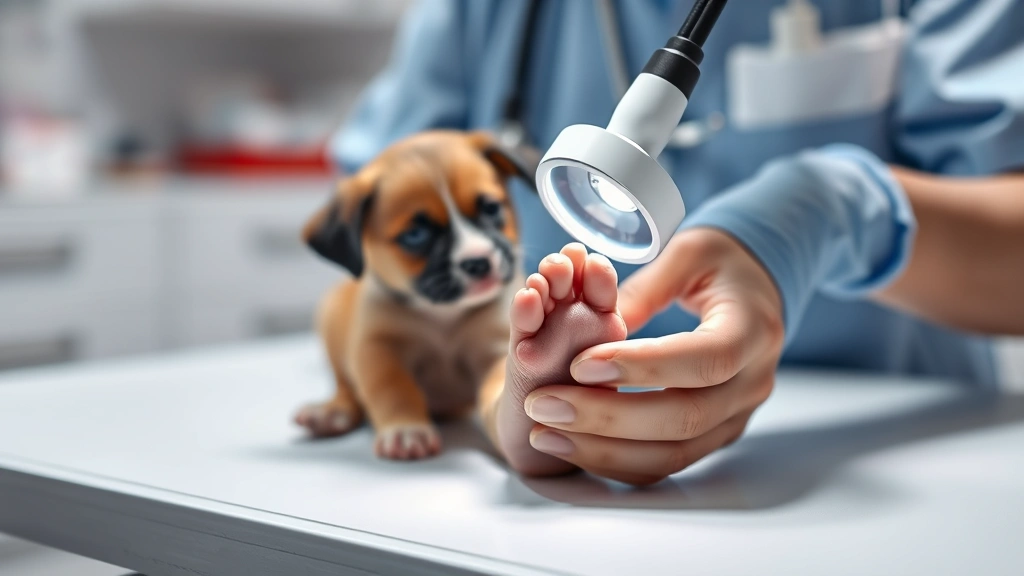
When you bring your puppy in for a paw-licking concern, your vet will perform a thorough examination. They’ll look at the paw pads, between the toes, and the nail beds for signs of infection, inflammation, or injury.
Your vet may also ask detailed questions about when the licking started, what your puppy eats, recent environmental changes, and whether other pets in the home show similar symptoms. Sometimes they’ll recommend skin scrapings or fungal cultures to rule out infections. This information helps narrow down the cause and guide treatment.
7 Essential Solutions to Address Paw Licking
1. Identify and Eliminate Allergens
If allergies are the culprit, your vet may recommend an elimination diet or allergy testing. Removing the trigger—whether it’s a specific protein, grain, or environmental factor—can dramatically reduce licking within weeks.
2. Treat Parasites Preventatively
Regular flea and tick prevention is essential for all puppies. Your vet can recommend the safest, most effective options for your puppy’s age and weight. Consistent prevention stops parasites before they cause itching.
3. Address Skin Infections Promptly
If your vet diagnoses a yeast or bacterial infection, they may recommend medicated shampoos, topical treatments, or other interventions. Treating infections early prevents them from spreading and becoming more uncomfortable.
4. Optimize Your Puppy’s Diet
A high-quality, balanced diet supports healthy skin and coat. Your vet can recommend puppy formulas with omega-3 fatty acids and other nutrients that reduce inflammation and support skin barrier function.
5. Increase Mental and Physical Stimulation
Bored puppies sometimes develop compulsive behaviors like excessive licking. More playtime, training sessions, and interactive toys can redirect that energy and reduce anxiety-driven licking.
6. Keep Paws Clean and Dry
Moisture between the toes creates an ideal environment for yeast and bacteria. After walks or playtime outside, gently dry your puppy’s paws with a clean towel. This simple step prevents many infections.
7. Use Protective Barriers When Needed
In some cases, your vet may recommend booties or protective wraps to prevent further licking while the underlying issue heals. This gives irritated skin a chance to recover without constant moisture and friction.
How to Talk to Your Vet Effectively About This Issue
When you reach out, be specific and organized. Write down when the licking started, how often it happens, which paws are affected, and any other symptoms you’ve noticed. Mention recent diet changes, new environments, or stressful events.
Don’t hesitate to ask questions about treatment options, prevention strategies, and what to watch for at home. You can talk to a vet about puppy behavior problems online, which makes it easy to get professional guidance without leaving home.
Prevention Strategies for Long-Term Paw Health
Once you’ve addressed the immediate issue, focus on prevention. Regular nail trims, routine paw inspections, consistent parasite prevention, and a nutritious diet form the foundation of healthy paws.
Environmental management matters too. Keep your puppy’s sleeping areas clean and dry, wash their bedding regularly, and minimize exposure to known allergens. A healthy routine prevents many paw problems before they start.
The Importance of Early Intervention
Excessive paw licking rarely resolves on its own. The longer it continues, the more likely secondary infections develop, and the more entrenched the behavior becomes. Early intervention—whether through instant vet advice online or a scheduled appointment—saves time, money, and your puppy’s comfort.
Your vet has the expertise to distinguish between normal grooming and problematic licking, identify underlying causes, and recommend evidence-based solutions tailored to your puppy’s needs.
When Paw Licking Becomes Compulsive Behavior
In some cases, especially when anxiety or stress is the underlying cause, paw licking can develop into a compulsive habit. Your puppy may continue the behavior even after the original trigger is gone. Talk to your vet about dog itching and behavioral concerns to explore management strategies like environmental enrichment, training, or other interventions.
Breaking compulsive behaviors requires patience and consistency, but it’s absolutely possible with professional guidance and commitment.
Frequently Asked Questions
Is it normal for puppies to lick their paws?
Yes, occasional paw licking is normal grooming behavior. However, constant or obsessive licking warrants a vet visit to rule out underlying issues.
How can I tell if my puppy’s paw licking is a problem?
Look for redness, swelling, hair loss, raw patches, or signs of discomfort. If licking happens multiple times daily or your puppy seems bothered, it’s time to call your vet.
Can I treat excessive paw licking at home?
While keeping paws clean and dry helps, most excessive licking requires professional diagnosis and treatment. Home care alone won’t address underlying allergies, infections, or behavioral issues.
How long does it take to see improvement after treatment?
This depends on the cause. Parasite treatments may show results within days, while allergy management or behavioral changes may take several weeks to show full improvement.
Will my puppy outgrow paw licking?
Not necessarily. Without addressing the underlying cause, excessive paw licking typically persists or worsens over time. Professional intervention offers the best chance for resolution.
What To Do Now
- Observe and document your puppy’s paw licking behavior over the next few days, noting frequency, which paws are affected, and any other symptoms like redness or odor.
- Schedule a veterinary appointment or use a telehealth service like The Pet Vet for a quick consultation if you’re concerned about the severity or frequency of the licking.
- In the meantime, keep your puppy’s paws clean and dry after outdoor play, and check between the toes daily for signs of infection or injury.
- Review your puppy’s current diet and note any recent changes; bring this information to your vet appointment to help identify potential food allergies.
- Increase playtime and mental stimulation through training, puzzle toys, and interactive games to rule out boredom or anxiety as contributing factors.
Summary: Taking Action on Puppy Paw Licking
Excessive paw licking is your puppy’s way of communicating that something isn’t right. Whether it’s allergies, parasites, infections, or behavioral issues, the solution starts with a conversation with your vet. They can identify the root cause and recommend targeted solutions that work for your specific puppy.
Don’t wait and hope the behavior resolves on its own. Early intervention prevents complications, reduces your puppy’s discomfort, and sets the foundation for long-term paw health. Your puppy deserves to feel comfortable and happy, and your vet is your best partner in making that happen.