
If your puppy isn’t eating, it’s natural to feel worried—and that’s exactly why you should talk to vet about puppy not eating sooner rather than later. A sudden loss of appetite in puppies can signal anything from a minor digestive upset to something more serious, and getting professional guidance quickly makes all the difference.
Table of Contents
- Why Your Puppy Might Not Be Eating
- When to Talk to Your Vet About Puppy Not Eating
- Common Reasons Puppies Stop Eating
- How to Prepare for Your Vet Conversation
- 7 Essential Solutions to Try at Home (Before or After Vet Visit)
- Understanding Telehealth Options for Puppy Feeding Concerns
- Related Health Issues That Affect Appetite
- What Your Vet Will Likely Do
- Nutrition and Recovery
- Prevention Tips for the Future
- Frequently Asked Questions
- What to Do Now
- Summary
This article is for informational purposes only and is not a substitute for professional veterinary advice. Always consult a licensed veterinarian for diagnosis and treatment.
Why Your Puppy Might Not Be Eating
Puppies are usually enthusiastic little eaters, so when they turn their nose up at food, something’s off. There are many reasons a puppy could lose interest in meals—some are simple fixes, while others need veterinary attention.
Common causes include stress from a new environment, dietary changes, dental discomfort, parasites, infections, or gastrointestinal issues. Sometimes it’s as straightforward as the food being too cold or the bowl being in an uncomfortable spot. Other times, it points to something that requires professional care.
The key is recognizing when to monitor at home versus when to reach out for help. Catching appetite issues early puts you in a great position to help your puppy bounce back quickly.
When to Talk to Your Vet About Puppy Not Eating
Not every missed meal is an emergency, but timing matters. If your puppy skips one meal and seems otherwise normal, you can wait and observe. However, if your puppy hasn’t eaten for more than 12 hours, it’s time to contact your veterinarian.
You should also reach out immediately if loss of appetite comes with other symptoms:
- Vomiting or retching
- Diarrhea or constipation
- Lethargy or unusual tiredness
- Abdominal swelling or tenderness
- Excessive drooling or difficulty swallowing
- Bad breath or visible mouth sores
- Fever or shivering
If your puppy is very young (under 8 weeks), hasn’t eaten in more than 4-6 hours, or shows any of the above signs, don’t wait—contact your vet right away. Young puppies have smaller energy reserves and can deteriorate faster.
Common Reasons Puppies Stop Eating
Understanding what might be causing the problem helps you explain the situation clearly when you talk to vet about puppy not eating. Here are the most frequent culprits:
Stress and Environmental Changes: Moving to a new home, loud noises, or changes in routine can make puppies anxious and suppress their appetite. This usually resolves within a few days as they adjust.
Dietary Transitions: Switching food too quickly can upset a puppy’s stomach and cause them to reject meals. A gradual transition over 7-10 days is always better than an abrupt change.
Dental Issues: Teething puppies may experience sore gums, making eating uncomfortable. You might notice them chewing on toys more than usual or drooling excessively.
Parasites: Intestinal worms, giardia, and other parasites are common in puppies and can reduce appetite. Regular deworming is part of standard puppy care for this reason.
Infections or Illness: Viral or bacterial infections, ear infections, or other illnesses naturally decrease appetite. These require professional diagnosis and treatment.
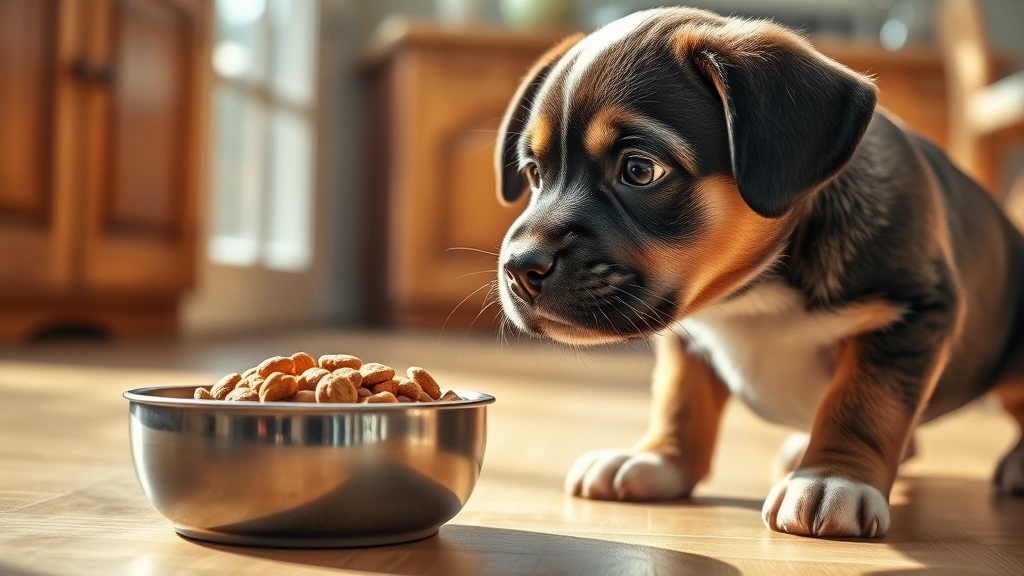
Food Quality or Temperature: Puppies can be picky about food temperature and freshness. Stale kibble or cold canned food might be rejected, even if it’s nutritionally fine.
How to Prepare for Your Vet Conversation
When you talk to vet about puppy not eating, having detailed information ready makes the appointment more productive. Write down when the appetite loss started, what your puppy normally eats, and any recent changes in diet or environment.
Note any other symptoms you’ve observed, even if they seem minor. Keep track of:
- How many meals your puppy has skipped
- Whether they’re drinking water normally
- Changes in energy level or behavior
- Any vomiting, diarrhea, or constipation
- Recent vaccinations or medications
- Any access to unusual foods or objects
If possible, bring a sample of your puppy’s current food to the appointment. This helps your vet rule out food-related issues and ensures you’re feeding an age-appropriate diet.
7 Essential Solutions to Try at Home (Before or After Vet Visit)
While you arrange to talk to vet about puppy not eating, there are some safe steps you can take at home to encourage eating:
- Warm the food slightly: Cold food is less appealing. Try warming canned food or adding warm (not hot) water to kibble to release aromas and improve palatability.
- Offer smaller, more frequent meals: Instead of two large meals, try four to five smaller portions throughout the day. This can feel less overwhelming to an upset stomach.
- Create a calm eating environment: Remove distractions, place the bowl in a quiet spot, and give your puppy privacy during meals. Some puppies eat better without an audience.
- Try different food textures: If your puppy normally eats kibble, offer wet food temporarily. The change in texture and taste might spark interest.
- Add low-sodium broth: A small amount of warm, unsalted chicken or beef broth mixed with food can make meals more enticing without being harmful.
- Ensure fresh water is always available: Dehydration can worsen appetite loss. Check that water bowls are clean and filled throughout the day.
- Avoid table scraps and treats: These can upset digestion and make regular food less appealing. Stick to their normal diet while investigating the issue.
These solutions are gentle and safe to try while you wait for your vet appointment. However, they’re not substitutes for professional diagnosis—they’re just supportive measures.
Understanding Telehealth Options for Puppy Feeding Concerns
If you’re unsure whether your puppy needs urgent in-person care or you want initial guidance before scheduling a full exam, telehealth can be incredibly helpful. If you are unsure whether your pet needs urgent care, a quick telehealth check-in can give you peace of mind — no appointment needed.
A vet can often assess your puppy’s situation through a video call, review photos of any symptoms, and advise whether an in-person visit is necessary. This is especially useful for first-time puppy owners who want reassurance or expert guidance on what they’re observing.
The Pet Vet’s online consultations make it easy to connect with a licensed veterinarian without leaving home. You can discuss your puppy’s appetite loss, get professional recommendations, and receive a clear action plan—all in minutes.
Related Health Issues That Affect Appetite
Sometimes appetite loss is connected to other health concerns. If your puppy is also experiencing digestive issues, you might want to explore resources on puppy diarrhea or puppy coughing, as these can all be interconnected.
Respiratory symptoms like coughing can make swallowing uncomfortable, leading to reduced food intake. Digestive upset naturally suppresses appetite. Behavioral stress can affect eating patterns too. Your vet will look at the complete picture to identify the root cause.
What Your Vet Will Likely Do
When you talk to vet about puppy not eating, expect a thorough evaluation. Your veterinarian will perform a physical exam, checking your puppy’s mouth for dental issues, palpating the abdomen for pain or blockages, and assessing overall body condition.
They may recommend blood work, fecal testing, or imaging (like X-rays or ultrasound) depending on the symptoms and exam findings. These tests help rule out infections, parasites, organ dysfunction, and other serious conditions.
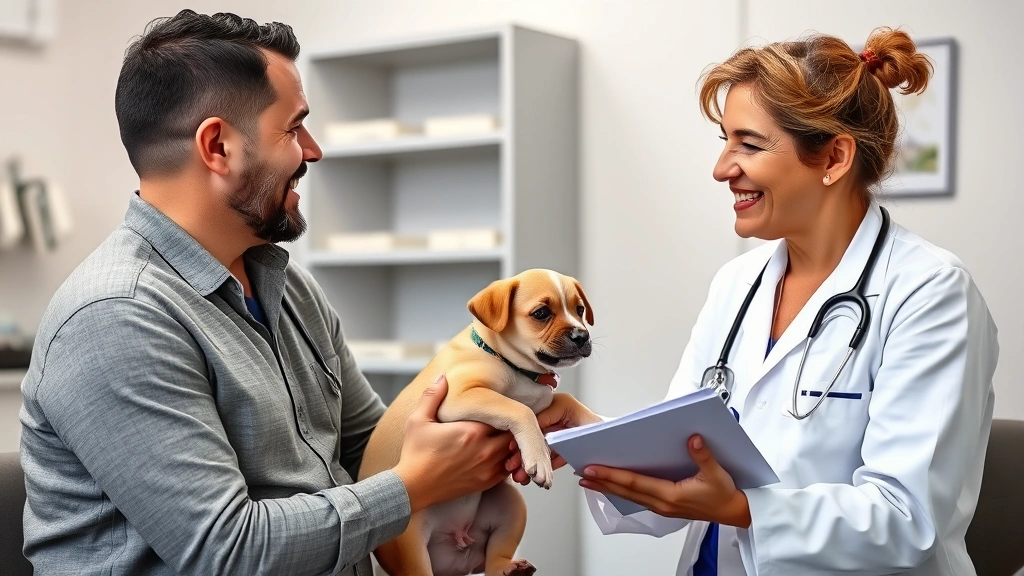
Once they identify the cause, your vet will discuss treatment options tailored to your puppy’s specific situation. This might include dietary adjustments, supplements, or other supportive care measures.
Nutrition and Recovery
After your vet identifies the problem, feeding your puppy properly during recovery is essential. Your vet may recommend a low-fat diet temporarily if there’s digestive upset, or a prescription food if there’s a specific health condition.
Follow your vet’s feeding guidelines closely during this time. Puppies need consistent nutrition to grow and develop properly, so getting back on track quickly is important. Your vet might also suggest a structured feeding schedule to monitor progress and ensure your puppy is eating enough.
Prevention Tips for the Future
Once your puppy is eating normally again, these prevention strategies can help avoid future appetite issues:
- Transition to new foods gradually over 7-10 days
- Keep a consistent feeding schedule
- Maintain regular veterinary check-ups and preventive care
- Keep your puppy’s environment calm and stress-free during transitions
- Monitor for signs of illness early
- Ensure age-appropriate, high-quality nutrition
- Keep harmful objects and foods out of reach
Prevention is always easier than treatment, and staying proactive about your puppy’s health sets them up for a long, healthy life.
Frequently Asked Questions
How long can a puppy go without eating?
Healthy puppies shouldn’t go more than 4-6 hours without eating, especially young puppies under 3 months old. If your puppy hasn’t eaten for more than 12 hours, contact your vet.
Can stress cause a puppy to stop eating?
Yes, stress from environmental changes, loud noises, or new situations can temporarily suppress appetite. This usually improves within a few days as your puppy adjusts, but contact your vet if it persists.
Is it normal for puppies to be picky eaters?
Some puppies are pickier than others, but sudden changes in appetite are not normal and warrant a vet visit. Consistent picky eating might indicate food preferences, but it could also signal underlying issues.
Should I force my puppy to eat?
Never force-feed a puppy, as this can cause stress and potentially lead to aspiration. Instead, offer food in a calm environment and let your puppy eat at their own pace. If they refuse multiple meals, contact your vet.
Can I give my puppy treats to encourage eating?
While treats might tempt a puppy short-term, they can actually suppress appetite for regular meals. Stick to their normal food while investigating appetite loss, and avoid treats until your vet gives the all-clear.
What to Do Now
If you’re concerned about your puppy’s appetite, here’s your action plan:
- Monitor closely: Note exactly when the appetite loss started, what your puppy normally eats, and any other symptoms you’ve noticed. Write this down so you have it ready.
- Schedule a vet appointment or telehealth consult: Contact your veterinarian today if your puppy hasn’t eaten for more than 12 hours or shows other symptoms. If you prefer to start with a quick telehealth check, The Pet Vet can connect you with a licensed vet within minutes.
- Try gentle at-home measures: While waiting for your appointment, warm the food, offer smaller meals, and create a calm eating environment. Avoid table scraps and ensure fresh water is always available.
- Gather information: Bring your puppy’s current food, a list of recent dietary changes, and notes on any symptoms to your vet appointment.
- Follow your vet’s recommendations: Once you’ve talked to your vet about puppy not eating and received a diagnosis, follow their treatment plan closely and schedule follow-up care as needed.
Summary
A puppy not eating is understandably stressful, but taking swift action puts you in the best position to help. Whether it’s a simple fix like a dietary transition or something requiring treatment, your vet is your best resource for getting answers.
Don’t hesitate to talk to vet about puppy not eating—early intervention often leads to faster recovery and better outcomes. If you’re unsure where to start, telehealth consultations offer a quick, convenient way to get professional guidance without the wait. Your puppy’s health and happiness are worth the peace of mind.