
If you’ve noticed your puppy panting heavily or more frequently than usual, you’re right to wonder what’s going on—and you should definitely talk to a vet about puppy panting to rule out anything serious. Puppies do pant naturally, especially when they’re playing, warm, or excited, but excessive panting can sometimes signal an underlying health concern that deserves professional attention.
Table of Contents
- Why Puppies Pant: The Basics
- Heat and Temperature Sensitivity in Young Puppies
- Stress, Anxiety, and Fear-Related Panting
- Exercise and Play-Induced Panting
- Respiratory Infections and Breathing Issues
- Pain and Discomfort as Hidden Causes
- Heart and Cardiac Concerns in Puppies
- Fever and Illness-Related Panting
- When to Talk to Your Vet: Red Flags and Warning Signs
- How to Help Your Panting Puppy at Home
- The Importance of Early Veterinary Care for Puppies
- Frequently Asked Questions
- What To Do Now
- Summary
This article is for informational purposes only and is not a substitute for professional veterinary advice. Always consult a licensed veterinarian for diagnosis and treatment.
As a devoted puppy parent, you’ve likely noticed your little furball breathing heavily after playtime or a sunny afternoon. But how do you know when panting crosses the line from normal to concerning? Understanding the difference is key to keeping your puppy healthy and catching potential problems early.
Why Puppies Pant: The Basics
Puppies pant for many of the same reasons adult dogs do, but their smaller bodies and developing systems make them more sensitive to temperature changes and stress. Unlike humans, dogs don’t sweat through their skin—panting is their primary cooling mechanism.
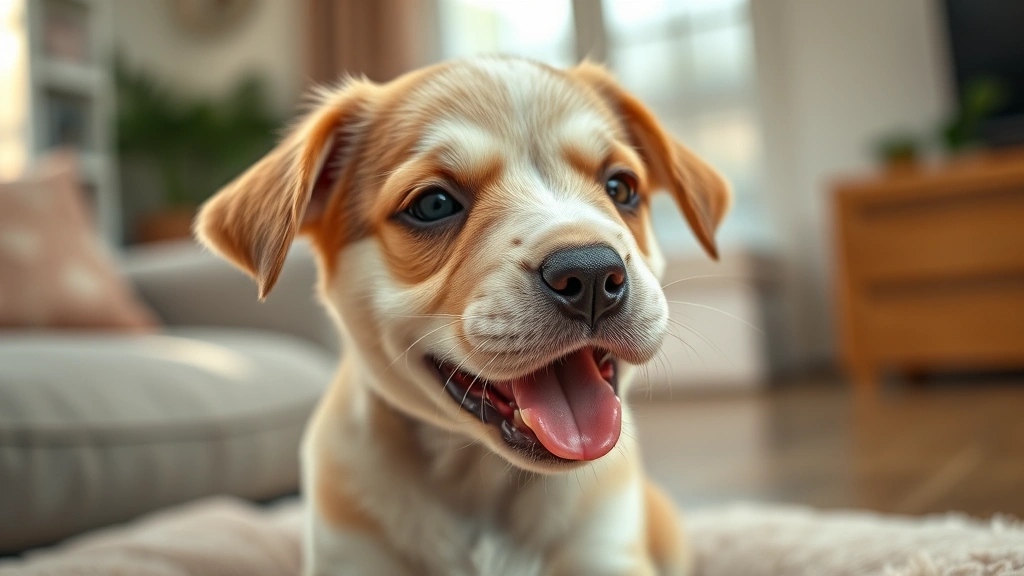
Normal puppy panting is usually rhythmic, relaxed, and stops once they cool down or calm down. Their tongue hangs out slightly, and their breathing returns to normal within minutes. This is completely healthy behavior and nothing to worry about.
When panting becomes rapid, shallow, or persistent even at rest, that’s when you should talk to a vet about dog panting online or schedule an in-person appointment to get answers.
Heat and Temperature Sensitivity in Young Puppies
Puppies are notoriously bad at regulating their body temperature, especially during their first few months of life. They can overheat quickly in warm environments, during intense play sessions, or even when wearing heavy collars or harnesses.
If your puppy has been playing outside on a warm day or is bundled up indoors, excessive panting is usually their way of cooling off. Move them to a shaded, cool area, offer fresh water, and watch their breathing slow down naturally.
However, if your puppy continues panting heavily indoors in a cool environment, or if they seem lethargic alongside the panting, this warrants a conversation with your veterinarian. Catching this early puts you in a great position to help.
Stress, Anxiety, and Fear-Related Panting
Puppies experience stress just like humans do, and panting is often their physical response to anxiety or fear. New environments, loud noises, separation from littermates, or unfamiliar people can trigger stress panting in young dogs.
You might notice rapid, shallow breathing during car rides, vet visits, thunderstorms, or when your puppy is left alone for the first time. This type of panting usually subsides once the stressful situation ends.
If anxiety-related panting is persistent or affecting your puppy’s quality of life, your vet can discuss behavioral strategies or training approaches. For more on puppy behavior concerns, explore online vet support for puppy behavior problems to find solutions that work for your family.
Exercise and Play-Induced Panting
Puppies have seemingly endless energy, and after a vigorous play session or training session, they’ll pant as their bodies work to cool down and recover. This is completely normal and healthy—it’s actually a sign that your puppy is getting good exercise.
The key difference is that post-exercise panting should gradually slow as your puppy rests. Their breathing should return to normal within 15–30 minutes, depending on the intensity of play.
If your puppy pants heavily even during quiet time or after only mild activity, or if they seem reluctant to play, this could indicate a respiratory or cardiac issue that deserves veterinary attention.
Respiratory Infections and Breathing Issues
Puppies are susceptible to respiratory infections like kennel cough, pneumonia, and other upper respiratory infections, especially in their first months of life. Panting combined with coughing, sneezing, or nasal discharge may be a sign of infection.
Certain breeds, particularly brachycephalic (flat-faced) breeds like Bulldogs and Pugs, are naturally prone to breathing difficulties due to their anatomy. These puppies may pant more heavily than other breeds even under normal circumstances.
If your puppy shows signs of respiratory distress—such as labored breathing, wheezing, or difficulty catching their breath—consult your vet about puppy coughing online or seek immediate veterinary care. Early intervention can prevent complications.
Pain and Discomfort as Hidden Causes
Sometimes puppies pant excessively when they’re experiencing pain or discomfort that isn’t immediately obvious. Dental pain, ear infections, or orthopedic issues can all trigger stress panting as your puppy’s body responds to physical distress.
If your puppy is panting alongside other signs like whimpering, reluctance to eat, or limping, pain could be the culprit. A thorough veterinary exam can help identify the source.
Catching pain-related issues early is crucial for puppies, as their bodies are still developing. Your vet can recommend appropriate pain management and treatment options tailored to your puppy’s age and condition.
Heart and Cardiac Concerns in Puppies
While less common in young puppies, certain congenital heart conditions can cause excessive panting, especially during or after exertion. Some breeds are predisposed to early-onset heart disease, which may present with panting as an early warning sign.
Panting caused by cardiac issues is often accompanied by fatigue, reluctance to play, or fainting episodes. If you notice these symptoms together, it’s important to talk to your vet about puppy panting in the context of your puppy’s overall activity level and family history.
If your puppy has a known heart condition or a breed predisposition, learn more about sudden-onset heart disease in dogs to recognize warning signs. Catching this early puts you in a great position to help.
Fever and Illness-Related Panting
Puppies with fever or systemic illness often pant as their bodies attempt to regulate temperature. Panting alongside lethargy, loss of appetite, or vomiting suggests your puppy may be fighting an infection or illness.
Common causes include viral or bacterial infections, parasites, or inflammatory conditions. Your vet can perform bloodwork and a physical exam to identify the underlying cause.
If your puppy seems unwell and is panting heavily, don’t wait—schedule a veterinary appointment or consider a telehealth check-in for guidance on next steps.
When to Talk to Your Vet: Red Flags and Warning Signs
Not all puppy panting requires emergency care, but certain signs should prompt immediate veterinary attention. Here’s what to watch for:
- Rapid, persistent panting at rest – especially when your puppy is calm and in a cool environment
- Difficulty breathing or labored respiration – gasping, wheezing, or noisy breathing
- Pale or blue-tinged gums – a sign of poor oxygen circulation
- Excessive drooling alongside panting – may indicate pain, stress, or neurological issues
- Lethargy and reluctance to play – combined with panting suggests systemic illness
- Coughing, sneezing, or nasal discharge – respiratory infection indicators
- Inability to settle or relax – constant agitation and panting
- Collapse or fainting episodes – an emergency requiring immediate care
If your puppy displays any of these warning signs, reach out to your veterinarian right away. If you are unsure whether your pet needs urgent care, a quick telehealth check-in can give you peace of mind—no appointment needed.
How to Help Your Panting Puppy at Home
While you’re arranging a vet visit, there are several ways to keep your puppy comfortable:
- Provide cool water – Always have fresh, cool water available. Dehydration can worsen panting.
- Create a cool environment – Move your puppy to a shaded, well-ventilated area away from direct sunlight or heat sources.
- Limit activity temporarily – Reduce playtime and exercise until you’ve ruled out underlying issues.
- Use cooling tools – A cool (not cold) damp cloth on their paws or a cooling mat can help regulate temperature.
- Monitor their behavior – Keep track of when panting occurs, how long it lasts, and what triggers it. This information helps your vet.
These steps provide comfort while you work with your vet to identify the cause.
The Importance of Early Veterinary Care for Puppies
Puppies are in a critical developmental stage, and early detection of health issues can make a huge difference in their long-term well-being. Excessive panting might seem minor, but it can be your first clue that something needs attention.
Regular wellness exams, vaccinations, and open communication with your vet create a strong foundation for your puppy’s health. Don’t hesitate to ask questions or express concerns—your vet is there to help you navigate puppy parenthood.
If you prefer the convenience of online consultations, The Pet Vet offers online guidance for dog panting concerns, making it easier to get professional advice without leaving home.
Frequently Asked Questions
Is it normal for puppies to pant a lot?
Yes, puppies pant more than adult dogs because they’re less efficient at regulating body temperature. However, excessive panting at rest or in cool environments isn’t normal and warrants a vet check.
How can I tell if my puppy’s panting is abnormal?
Normal panting slows and stops once your puppy cools down or calms down. Abnormal panting is rapid, persistent, or happens even when your puppy is resting in a cool environment.
Can stress cause puppies to pant?
Absolutely. Anxiety, fear, and stress trigger panting in puppies just as they do in adult dogs. This usually resolves once the stressful situation passes.
Should I be worried if my puppy pants during sleep?
Light panting during sleep is usually normal, especially in puppies. However, rapid or labored breathing during rest warrants a vet visit.
When should I take my panting puppy to the emergency vet?
Seek emergency care if your puppy has difficulty breathing, blue-tinged gums, collapse, or severe lethargy alongside panting. These are signs of a potentially serious condition.
What To Do Now
- Observe and document – Note when your puppy pants, how long it lasts, and what seems to trigger it. Share this information with your vet.
- Schedule a veterinary appointment – Contact your regular vet or explore telehealth options for quick guidance if you need immediate answers.
- Keep your puppy cool and hydrated – Provide fresh water and a comfortable, cool resting space while you wait for your appointment.
- Avoid stressful situations – Minimize triggers like loud noises or separation until you’ve identified the cause of panting.
- Ask your vet about breed-specific concerns – If your puppy is a breed prone to breathing or heart issues, discuss preventive care and early warning signs.
Summary
Puppy panting is usually normal, but excessive or persistent panting can signal heat sensitivity, stress, infection, pain, or even cardiac issues. The key is knowing the difference between healthy cooling-off panting and panting that warrants professional attention.
By observing your puppy’s behavior, staying alert to warning signs, and maintaining open communication with your veterinarian, you’re setting your puppy up for a healthy future. Don’t hesitate to talk to a vet about puppy panting—early intervention makes all the difference. Your puppy depends on you to advocate for their health, and reaching out for professional guidance is exactly what a caring pet parent does.