
If you’re worried about whether your cat is getting enough taurine in cat food, you’re asking exactly the right question—because this single amino acid could be the difference between a thriving cat and one facing serious heart and vision problems down the road.
Table of Contents
- What Is Taurine and Why Do Cats Need It?
- The Dangers of Taurine Deficiency in Cats
- How Much Taurine Does Your Cat Actually Need?
- Reading Labels: How to Spot Taurine in Cat Food
- Best Food Choices for Taurine Content
- Taurine Supplements: When and How to Use Them
- Special Populations: Kittens, Seniors, and Cats with Health Conditions
- Common Myths About Taurine in Cat Food
- What To Do Now: Actionable Steps for Your Cat’s Health
- Summary: Taurine Matters More Than You Might Think
- Frequently Asked Questions
This article is for informational purposes only and is not a substitute for professional veterinary advice. Always consult a licensed veterinarian for diagnosis and treatment.
Taurine is one of those nutrients that often flies under the radar for cat parents, yet it’s absolutely critical for your feline friend’s survival. Unlike dogs, cats cannot synthesize taurine on their own, which means they depend entirely on their diet to meet this essential need. The good news? Understanding taurine and how to spot it on a food label takes just a few minutes—and the payoff is enormous.
What Is Taurine and Why Do Cats Need It?
Taurine is a conditionally essential amino acid that plays a starring role in your cat’s body. Think of it as a molecular workhorse: it supports heart muscle function, maintains healthy vision, supports immune response, and even helps regulate bile acids for proper digestion.
Here’s the critical difference between cats and dogs: while dogs can produce small amounts of taurine from other amino acids, cats have lost this ability through evolution. This means every single cat—kitten, adult, or senior—must get taurine from food sources. It’s not optional; it’s survival.
The feline body is simply wired differently. Cats are obligate carnivores, meaning they evolved eating meat, which naturally contains abundant taurine. Their digestive system is optimized to extract and utilize taurine from animal proteins, not plant-based sources.
The Dangers of Taurine Deficiency in Cats
When a cat doesn’t get enough taurine, the consequences can be devastating—and sometimes irreversible. Dilated cardiomyopathy (DCM), a condition where the heart becomes enlarged and weakens, is one of the most serious risks. Cats may be experiencing early stages of this disease without showing obvious symptoms until significant damage has occurred. Catching this early puts you in a great position to help.
Vision problems are another hallmark of taurine deficiency. Cats can develop central retinal degeneration, which leads to blindness—often starting with night vision loss. Some cats may appear clumsy or hesitant in dim lighting before owners realize something is wrong.
Additional concerns from inadequate taurine include:
- Weak immune function and increased susceptibility to infections
- Reproductive issues and poor kitten development in breeding cats
- Neurological problems and developmental delays in kittens
- Compromised digestive health and nutrient absorption
The heartbreaking part? Many of these issues are preventable with proper nutrition.
How Much Taurine Does Your Cat Actually Need?
The Association of American Feed Control Officials (AAFCO) sets minimum taurine requirements for cat food at 0.1% on a dry matter basis for adult cats, and 0.2% for kittens and pregnant or nursing cats. However, many veterinarians and feline nutritionists recommend levels closer to 0.15–0.2% for optimal health.
Think of these numbers as a minimum safety net, not a target. Higher levels within reason are generally considered beneficial, especially for cats with existing heart conditions or those in senior years.
The amount your individual cat needs can vary based on age, health status, metabolism, and activity level. This is where working with your veterinarian becomes invaluable—they can assess your cat’s specific needs and recommend appropriate food or supplementation.
Reading Labels: How to Spot Taurine in Cat Food
Not all cat foods are created equal when it comes to taurine content. Here’s how to become a savvy label reader:
- Look for the AAFCO statement: It should say the food is “complete and balanced” for your cat’s life stage. This is a baseline assurance.
- Check the ingredient list: Taurine may be listed as a separate ingredient, often near the end. If you see it explicitly listed, that’s a good sign the manufacturer is being transparent.
- Prioritize meat-based proteins: Chicken, fish, beef, and turkey naturally contain taurine. Foods with these as primary ingredients are more likely to have adequate levels.
- Be cautious with grain-heavy foods: While not automatically deficient, foods heavy in grains and light on meat may have lower natural taurine content.
- Contact the manufacturer: If taurine isn’t listed and you’re unsure, email the company directly. Reputable brands will provide this information.
Many premium and prescription cat foods now explicitly list taurine content on packaging or their website. This transparency is a positive trend in the pet food industry.
Best Food Choices for Taurine Content
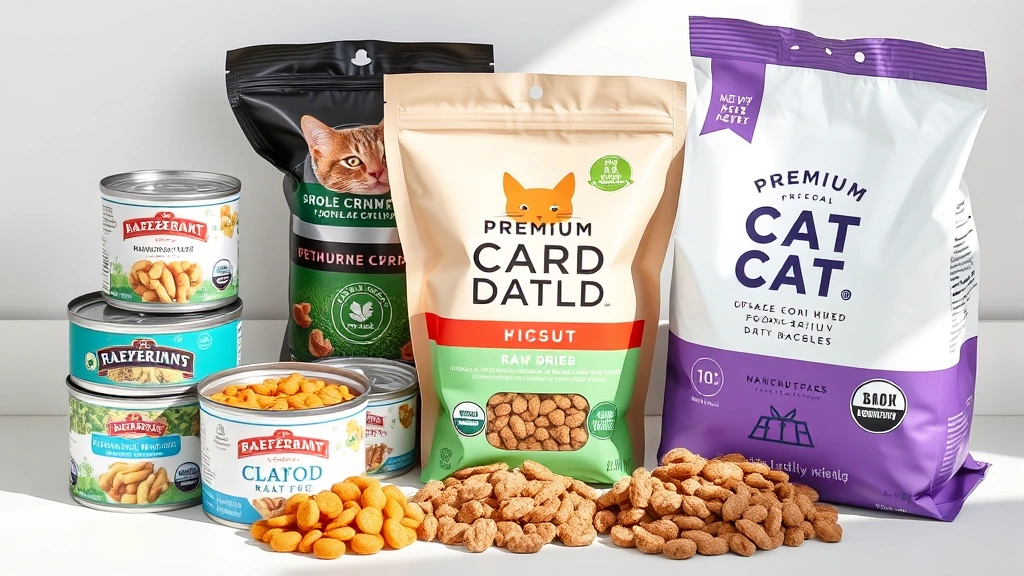
High-quality wet food (canned or pouches) typically contains more taurine than dry kibble, partly because moisture content helps preserve the amino acid and because wet foods often feature higher meat content. If your cat eats primarily dry food, ensure it’s a reputable brand formulated specifically for cats.
Raw and freeze-dried diets can be excellent sources of taurine, as these processing methods preserve amino acids better than high-heat cooking. However, raw diets require careful handling and veterinary guidance to ensure complete nutrition.
Prescription diets formulated for heart health or kidney support (like those discussed in our feline kidney support diet guide) are specifically designed with taurine optimization in mind. If your cat has health concerns, your vet may recommend these targeted options.
Homemade cat food requires particular attention to taurine levels. If you prepare food at home, work with a veterinary nutritionist to ensure recipes include adequate taurine supplementation, as home cooking can deplete this critical nutrient.
Taurine Supplements: When and How to Use Them
If your cat has been diagnosed with a taurine deficiency or a heart condition related to low taurine, your veterinarian may recommend supplementation. Taurine supplements come in powder or capsule form and can be added to food or given directly.
Supplementation is particularly important for cats with dilated cardiomyopathy, as studies show that taurine therapy can sometimes reverse early-stage heart damage. This is genuinely hopeful news for cats caught early in the disease process.
Never start supplements without veterinary guidance, as determining the right dose is crucial. Your vet will also monitor your cat’s taurine levels through bloodwork to ensure supplementation is working effectively.
Special Populations: Kittens, Seniors, and Cats with Health Conditions
Kittens have higher taurine requirements than adult cats because they’re building developing tissues and organs. Ensure kitten food meets AAFCO standards for growth, which mandate higher taurine levels. If you’re considering kitten overfeeding prevention, remember that proper nutrition—including adequate taurine—supports healthy development without excess calories.
Senior cats may benefit from slightly elevated taurine levels to support aging hearts and maintain muscle mass. As cats age, their ability to absorb and utilize certain nutrients can decline, making adequate dietary taurine even more important.
Cats with existing heart disease, kidney disease, or diabetes need special attention to taurine status. These conditions can affect taurine metabolism, making supplementation or specialized diets necessary. A low phosphorus cat food designed for kidney support often includes optimized taurine levels as well.
Common Myths About Taurine in Cat Food
Myth: “All commercial cat foods have enough taurine.” Reality: While AAFCO standards help, not all brands meet optimal levels, and some lower-quality foods may barely meet minimums. Always verify with the manufacturer.
Myth: “Taurine is only important for indoor cats.” Reality: All cats, regardless of lifestyle, need adequate taurine. Activity level doesn’t change this fundamental requirement.
Myth: “You can give your cat dog food if it’s cheaper.” Reality: Dog food is formulated for dogs’ nutritional needs and often lacks adequate taurine for cats. This can cause serious deficiency over time.
Myth: “Taurine supplements can hurt your cat if given unnecessarily.” Reality: Excess taurine is generally excreted in urine, making toxicity extremely unlikely. However, supplementation should still be guided by your vet.
What To Do Now: Actionable Steps for Your Cat’s Health
- Review your current cat food: Check the label or contact the manufacturer to confirm taurine content. If the information isn’t available, consider switching to a brand that provides transparency.
- Schedule a vet check-in: Discuss your cat’s current diet and taurine intake during your next visit. If your cat has any risk factors (older age, heart concerns, or dietary changes), ask specifically about taurine status.
- Consider a telehealth consultation: If you are unsure whether your pet needs a full exam or just want quick guidance on food choices, a quick telehealth check-in can give you peace of mind—no appointment needed. The Pet Vet’s veterinarians can review your cat’s diet and make personalized recommendations.
- Transition gradually to a better option: If switching foods, mix the new food with the old over 7–10 days to avoid digestive upset.
- Monitor your cat for symptoms: Watch for lethargy, decreased appetite, labored breathing, or vision changes. Early detection of any issues allows for faster intervention.
Summary: Taurine Matters More Than You Might Think
Taurine in cat food isn’t just another nutrient on a label—it’s the foundation of your cat’s heart health, vision, and overall wellbeing. Because cats cannot manufacture their own taurine, every meal is an opportunity to support their long-term health.
The positive news is that choosing the right food is straightforward once you know what to look for. Prioritize reputable brands, verify taurine content, and work with your veterinarian to ensure your cat’s diet matches their individual needs. Small choices today prevent serious health crises tomorrow.
Your cat depends on you to make informed nutrition decisions. By understanding taurine and its role in feline health, you’re already doing that—and your cat will thank you with years of healthy, vibrant living.
Frequently Asked Questions
Can cats get taurine from plant-based sources?
No. While some plants contain trace amounts of taurine, cats cannot synthesize taurine from plant proteins and require meat-based sources. This is why cats are obligate carnivores.
Is taurine deficiency common in cats eating commercial food?
It’s less common now than in the 1980s–90s, but it still occurs, especially in lower-quality brands or homemade diets without proper supplementation. Always verify your specific food’s taurine content.
How quickly can a cat recover from taurine deficiency?
Recovery depends on how long the deficiency lasted and how severe the damage is. Early-stage heart disease may improve with supplementation, but advanced damage may be irreversible. This is why prevention is crucial.
Are grain-free cat foods better for taurine content?
Not necessarily. Grain-free doesn’t guarantee higher taurine—it depends on the specific ingredients and meat content. Check the label regardless of whether the food is grain-free.
Should I give my healthy cat taurine supplements?
If your cat eats a quality commercial diet, supplementation is usually unnecessary. However, if your cat eats homemade food or has certain health conditions, your vet may recommend it.
References & Further Reading: