
If you’ve noticed your cat’s eyes watering more than usual, or maybe some crusty discharge around the corners of their eyes, you might be dealing with tear duct blockage in cats—and you’re definitely not alone in this worry. Many cat owners face this uncomfortable condition, which can range from mildly annoying to genuinely painful for their feline friends if left untreated.
Table of Contents
- What Is Tear Duct Blockage in Cats?
- Common Signs Your Cat May Have Tear Duct Blockage
- What Causes Tear Duct Blockage in Cats?
- How Your Vet Diagnoses Tear Duct Blockage
- Medication Solutions for Tear Duct Blockage in Cats
- Home Care and Supportive Measures
- When Might Your Cat Need More Than Medication?
- Preventing Future Tear Duct Problems
- Understanding Your Cat’s Discomfort
- Frequently Asked Questions
- What To Do Now
- Summary: Taking Care of Your Cat’s Eyes
This article is for informational purposes only and is not a substitute for professional veterinary advice. Always consult a licensed veterinarian for diagnosis and treatment.
Tear duct blockage is more common than you might think, and the good news is that once you understand what’s happening, there are several effective ways to help your cat feel better. Let’s walk through the signs, causes, and most importantly, the medication solutions your vet might recommend.
What Is Tear Duct Blockage in Cats?
Your cat’s tear ducts are tiny channels that drain tears from the eyes into the nasal cavity. When these ducts become blocked, tears can’t drain properly, leading to watery eyes and potential infection. Think of it like a clogged drain in your kitchen—the water backs up instead of flowing where it should.
This condition can develop suddenly or gradually, and it affects cats of all ages, though some breeds are more prone to it than others. The blockage might be partial or complete, which affects how severe your cat’s symptoms become.
Common Signs Your Cat May Have Tear Duct Blockage
Recognizing the early signs of tear duct blockage can help you get your cat treatment faster. Here are the most common symptoms to watch for:
- Excessive tearing or watery eyes – One or both eyes may appear wet or teary
- Crusty or sticky discharge – You might see brown or reddish staining on the fur below the eye
- Eye redness or irritation – The eye itself may look inflamed
- Squinting or keeping the eye partially closed – This suggests discomfort
- Pawing at the face – Your cat may try to rub or scratch at their eyes
- Swelling around the eye area – The tissue surrounding the eye might look puffy
If you’re seeing any combination of these signs, catching it early puts you in a great position to help your cat recover quickly and comfortably.
What Causes Tear Duct Blockage in Cats?
Understanding the underlying cause helps your vet choose the best treatment approach. Several factors can lead to tear duct blockage:
Infections are one of the most common culprits. Bacterial or viral infections can cause inflammation and swelling that narrows or blocks the tear duct. Upper respiratory infections in particular often trigger this problem, which is why keeping your cat’s overall health strong matters.
Facial trauma or injury can also damage the tear duct system. Even a minor accident or fall might cause swelling that blocks drainage. Inflammation or allergies may cause the tissue lining the tear duct to swell, restricting flow.
Some cats are born with anatomical abnormalities affecting their tear ducts, while others develop blockages due to tumors or growths. Foreign objects, debris, or even dried mucus can occasionally lodge in the duct and cause obstruction.
How Your Vet Diagnoses Tear Duct Blockage
Your veterinarian will perform a thorough eye examination to determine whether your cat has tear duct blockage. They may use a special dye test called the Schirmer tear test to measure tear production and check drainage patterns.
In some cases, your vet might recommend imaging studies to visualize the tear duct system and identify exactly where the blockage is located. This helps them decide whether medication alone will work or if other interventions might be necessary. A telehealth consultation can be a helpful first step if you’re unsure whether your cat needs urgent in-person care.
Medication Solutions for Tear Duct Blockage in Cats
Most cases of tear duct blockage respond well to medication, especially when caught early. Your veterinarian may recommend one or more of the following approaches:
Antibiotic eye drops or ointments are often prescribed to prevent or treat secondary bacterial infections. These medications help keep the eye comfortable and reduce inflammation while the blockage resolves.
Anti-inflammatory medications can reduce swelling in the tear duct tissue, which may help restore drainage. These might be administered as eye drops or sometimes as oral medications, depending on what your vet determines is best for your cat’s situation.
Lubricating eye drops provide comfort and help flush the tear duct system. They’re especially helpful while your cat is healing and can prevent additional irritation.
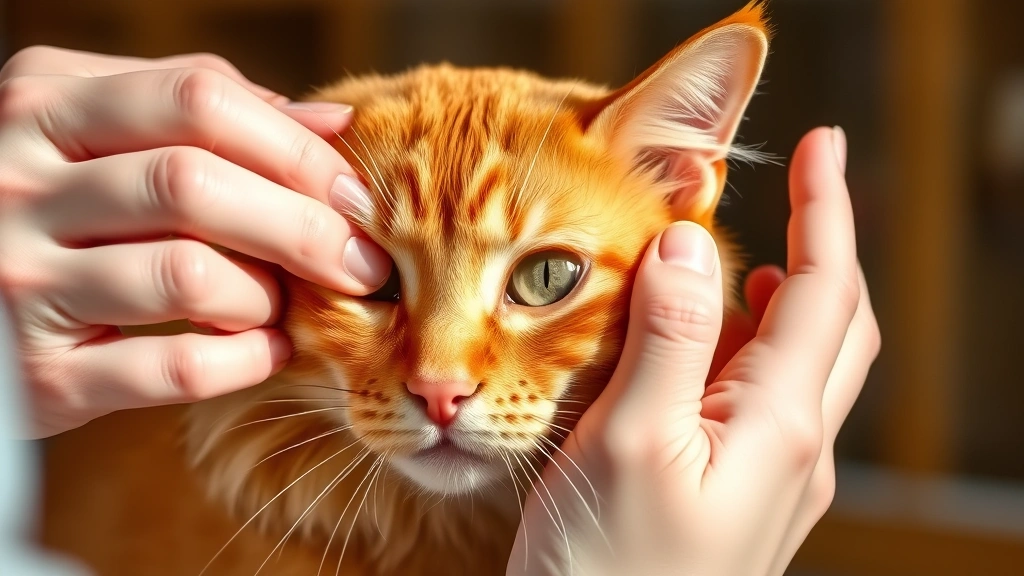
Your vet may also recommend warm compresses applied gently to the affected eye several times daily. This soothing approach can help reduce inflammation and sometimes encourage the blockage to clear naturally. Always follow your vet’s specific instructions on application and frequency.
In cases where infection is suspected, your veterinarian might prescribe oral antibiotics to address the underlying infection causing the blockage. This systemic approach targets the root problem rather than just the symptoms.
Home Care and Supportive Measures
While medication does the heavy lifting, there are several things you can do at home to support your cat’s recovery:
- Keep the eye area clean – Gently wipe away any discharge with a soft, damp cloth
- Apply warm compresses – Use a clean washcloth warmed with warm (not hot) water for 5-10 minutes, 2-3 times daily
- Administer medications exactly as prescribed – Consistency matters with eye medications
- Prevent your cat from rubbing their eyes – This can worsen irritation and introduce bacteria
- Maintain good nutrition – A healthy diet supports immune function and healing
If you’re unsure whether your pet needs urgent care, a quick telehealth check-in can give you peace of mind—no appointment needed. The Pet Vet is available to answer questions about your cat’s eye health anytime.
When Might Your Cat Need More Than Medication?
In most cases, medication successfully resolves tear duct blockage within a few weeks. However, some cats may need additional interventions if the blockage doesn’t respond to conservative treatment.
Your vet might recommend tear duct flushing, where sterile saline solution is gently flushed through the duct system to dislodge the blockage. This is typically performed under sedation to keep your cat comfortable and still during the procedure.
In rare cases where the blockage is severe, recurring, or caused by a structural problem, surgery might be discussed. Your vet will only recommend this if medication and other non-invasive approaches haven’t worked.
Preventing Future Tear Duct Problems
Once your cat recovers, you’ll want to prevent this issue from happening again. Here are some practical prevention strategies:
- Keep your cat’s environment clean – Reduce dust and irritants that can trigger eye problems
- Maintain regular veterinary checkups – Early detection of health issues prevents complications
- Monitor for signs of upper respiratory infections – Prompt treatment prevents secondary eye problems
- Keep your cat’s face and eyes clean – Regular gentle wiping helps prevent debris accumulation
- Ensure proper nutrition – A balanced diet supports immune function and eye health
Some cats are simply more prone to tear duct issues due to their genetics or breed characteristics. If your cat falls into this category, staying vigilant about eye health becomes even more important.
Understanding Your Cat’s Discomfort
It’s easy to underestimate how uncomfortable tear duct blockage can be for your cat. Beyond the watery eyes, the constant irritation and potential infection can cause real pain. Your cat might seem withdrawn, avoid bright light, or become irritable—all signs they’re struggling with eye discomfort.
The good news is that once treatment starts working, you’ll often notice a dramatic improvement in your cat’s mood and behavior. Many owners report that their cats seem noticeably more relaxed and playful within just a few days of starting medication. This improvement is a wonderful sign that you’re on the right track.
Frequently Asked Questions
How long does it take for tear duct blockage medication to work?
Most cats show improvement within 3-7 days of starting appropriate medication, though complete resolution may take 2-4 weeks depending on the severity and cause of the blockage.
Can tear duct blockage in cats go away on its own?
Mild blockages might occasionally resolve without treatment, but most cases require medication to prevent infection and discomfort. Early treatment prevents complications.
Is tear duct blockage painful for cats?
Yes, the irritation and potential infection associated with blockage can be uncomfortable. Your cat may show signs of eye pain like squinting or pawing at their face.
Can certain cat breeds be more prone to tear duct blockage?
Cats with flatter faces or certain anatomical features may be slightly more prone to tear duct issues, though blockage can affect any cat breed.
What should I do if my cat’s tear duct blockage doesn’t improve with medication?
Contact your veterinarian to discuss additional options like tear duct flushing or imaging studies to identify any underlying structural problems.
What To Do Now
If you suspect your cat has tear duct blockage, here are your next steps:
- Schedule a veterinary examination – Get a professional diagnosis and treatment plan from your vet
- Document your cat’s symptoms – Note when you first noticed the watery eyes or discharge to share with your vet
- Prepare for medication administration – Have supplies ready (soft cloths, warm water) for home care support
- Set a reminder system – If prescribed eye drops or ointment, set phone alarms to ensure consistent administration
- Monitor progress daily – Take note of improvements or any worsening symptoms to report back to your vet
Summary: Taking Care of Your Cat’s Eyes
Tear duct blockage in cats is a manageable condition when caught early and treated appropriately. By recognizing the signs—excessive tearing, crusty discharge, eye redness, and your cat’s discomfort—you’re already halfway to helping your feline friend feel better.
Medication solutions ranging from antibiotic drops to anti-inflammatory treatments work well for most cats. Combined with supportive home care like warm compresses and gentle eye cleaning, your cat can recover fully and return to their normal happy self.
Don’t hesitate to reach out to your veterinarian if you notice any signs of eye trouble. Early intervention prevents complications and gets your cat back to comfort faster. Your cat depends on you to notice these changes, and getting them help quickly shows just how much you care.