
If you’ve noticed your cat’s head tilting to one side or their neck twisted in an unusual way, you may be looking at torticollis in cats—a condition where the neck muscles contract involuntarily, causing that distinctive head tilt. It’s unsettling to see your beloved feline companion struggling with this, but the good news is that early recognition and proper care can make a real difference.
Table of Contents
- What Is Torticollis in Cats?
- Common Causes of Neck Tilt in Cats
- How Vets Diagnose Torticollis
- Treatment Option 1: Physical Therapy and Gentle Exercise
- Treatment Option 2: Addressing Underlying Infections
- Treatment Option 3: Nutritional Support and Vitamin Supplementation
- Treatment Option 4: Anti-Inflammatory Medications
- Treatment Option 5: Vestibular Support for Inner Ear Issues
- Treatment Option 6: Surgical Intervention When Necessary
- Treatment Option 7: Supportive Care and Monitoring
- When to Seek Emergency Care
- Home Care Tips While Your Cat Recovers
- Frequently Asked Questions
- What To Do Now
- Summary: Moving Forward With Your Cat’s Recovery
This article is for informational purposes only and is not a substitute for professional veterinary advice. Always consult a licensed veterinarian for diagnosis and treatment.
What Is Torticollis in Cats?
Torticollis, sometimes called wry neck, is a condition characterized by involuntary contraction of the neck muscles. This causes your cat’s head to twist or tilt persistently, often to one side. The condition can develop suddenly or gradually, and it’s important to understand that it’s not a disease itself—rather, it’s a symptom of an underlying issue that needs investigation.
Your cat may hold their head at an angle, seem uncomfortable when moving their neck, or avoid certain head positions. Some cats appear anxious or distressed because the muscle tension creates genuine discomfort. Catching this early puts you in a great position to help your cat feel better quickly.
Common Causes of Neck Tilt in Cats
Understanding what triggers torticollis helps you work with your vet more effectively. The underlying causes are diverse, ranging from neurological issues to ear infections.
Vestibular disease is one of the most common culprits. This inner ear condition affects your cat’s balance and spatial orientation, often causing that telltale head tilt. Ear infections can also lead to torticollis by irritating the vestibular system. If your cat has a history of ear problems, mention this to your vet right away.
Other potential causes include:
- Cervical spine injuries or trauma
- Neurological conditions affecting the brainstem
- Muscle wasting in cats or muscular dystrophy
- Brain tumors or lesions
- Toxoplasmosis or other infections
- Vitamin deficiencies, particularly thiamine (B1)
- Stroke or bleeding in the brain
Some causes are more serious than others, which is why professional diagnosis is so important. Your vet will run specific tests to pinpoint what’s happening.
How Vets Diagnose Torticollis
When you bring your cat in, your veterinarian will start with a thorough physical exam and detailed history. They’ll assess your cat’s neurological function, checking reflexes, coordination, and eye movements. This helps them determine whether the problem is muscular, neurological, or related to the inner ear.
Depending on what they find, your vet may recommend:
- Blood work to rule out infections or deficiencies
- Imaging such as X-rays or CT scans to check the spine and brain
- MRI for detailed neurological assessment
- Otoscopic examination to look inside the ear canal
Don’t feel overwhelmed by these tests. They’re designed to give your vet the clearest picture so they can recommend the right treatment path for your specific cat.
Treatment Option 1: Physical Therapy and Gentle Exercise
Once your vet has identified the cause, physical therapy often becomes part of the recovery plan. Gentle, guided movements help rebuild strength and flexibility in the neck muscles while reducing tension.
Your vet or a veterinary rehabilitation specialist can teach you simple exercises to do at home. These might include gentle neck stretches, range-of-motion work, and controlled movement sessions. The key is consistency—short, frequent sessions work better than occasional intense efforts.
Many cats respond well to this approach, especially when the underlying cause is muscular tension or mild neurological involvement. Your cat will likely feel more comfortable within days of starting a proper routine.
Treatment Option 2: Addressing Underlying Infections
If your cat has an ear infection or other infection driving the torticollis, treating that infection is the priority. Ear infections respond well to topical or systemic antibiotics prescribed by your vet.
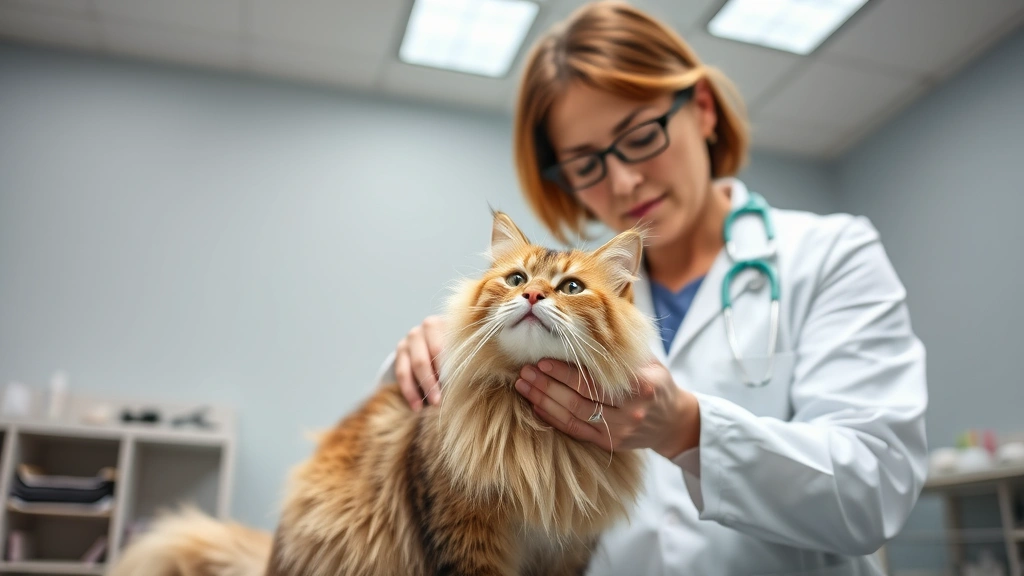
Similarly, if your cat has feline urinary tract infection or another systemic infection contributing to their condition, addressing it directly often resolves the neck tilt. Your vet will culture any discharge and select the most effective treatment.
The good news: once the infection clears, many cats experience rapid improvement. This is one of the most straightforward paths to recovery.
Treatment Option 3: Nutritional Support and Vitamin Supplementation
Certain vitamin deficiencies, particularly thiamine (vitamin B1), can cause or worsen torticollis. If blood work reveals a deficiency, your vet will recommend supplementation.
Beyond addressing specific deficiencies, proper nutrition supports muscle health and recovery. Your vet might suggest a diet with optimal protein content and micronutrient balance. Feeding for immune support also plays a role in helping your cat’s body fight underlying infections or inflammation.
Nutritional support works best as part of a comprehensive approach rather than as a standalone treatment, but it’s a valuable piece of the puzzle.
Treatment Option 4: Anti-Inflammatory Medications
Inflammation in the neck muscles or nervous system often contributes to torticollis. Your vet may recommend anti-inflammatory medications to reduce swelling and discomfort, making it easier for your cat to move and recover.
These medications help manage pain while other treatments address the root cause. Your vet will monitor your cat’s response and adjust dosing as needed. Always follow your vet’s guidance on administration and never adjust doses on your own.
Treatment Option 5: Vestibular Support for Inner Ear Issues
When vestibular disease is the culprit, specific supportive care helps your cat’s brain recalibrate its balance system. This might include medications to reduce nausea and dizziness, which are common companions to the head tilt.
Environmental modifications also help—keeping your cat in a smaller, quieter space during recovery reduces overstimulation. Soft bedding and easy access to food and water minimize stress on the recovering system. Most cats with vestibular-related torticollis show improvement within weeks to months with proper support.
Treatment Option 6: Surgical Intervention When Necessary
In cases where torticollis stems from a structural problem—like a spinal injury, tumor, or significant skeletal abnormality—surgery may be the best option. Your vet will discuss whether surgical correction is appropriate for your cat’s specific situation.
Surgical cases require careful post-operative care, including restricted activity and close monitoring. Your vet will provide detailed instructions for recovery. While surgery sounds daunting, it can be truly life-changing for cats whose condition warrants it.
Treatment Option 7: Supportive Care and Monitoring
Regardless of which specific treatments your vet recommends, consistent supportive care forms the foundation of recovery. This includes regular monitoring to track progress, adjusting treatment as your cat improves, and keeping stress levels low.
Supportive care means maintaining excellent nutrition, providing a comfortable environment, and staying alert for any changes in your cat’s condition. Many cats benefit from a combination of treatments rather than relying on just one approach.
When to Seek Emergency Care
Most cases of torticollis develop gradually and can be managed during a regular vet visit. However, seek emergency care if your cat suddenly develops severe head tilt along with:
- Loss of balance or inability to stand
- Rapid eye movements (nystagmus)
- Vomiting or severe nausea
- Loss of consciousness or extreme lethargy
- Inability to eat or drink
- Signs of severe pain
These symptoms suggest a more urgent underlying condition that needs immediate attention. Don’t wait—get your cat to an emergency clinic right away if you notice any of these red flags.
Home Care Tips While Your Cat Recovers
While professional treatment is essential, what you do at home matters tremendously. Here are practical steps to support your cat’s recovery:
- Create a safe, comfortable space where your cat can rest without obstacles. Remove furniture your cat might bump into and ensure litter box and food bowls are easily accessible.
- Follow physical therapy exercises exactly as your vet recommends. Consistency matters more than intensity—gentle, daily work beats occasional aggressive sessions.
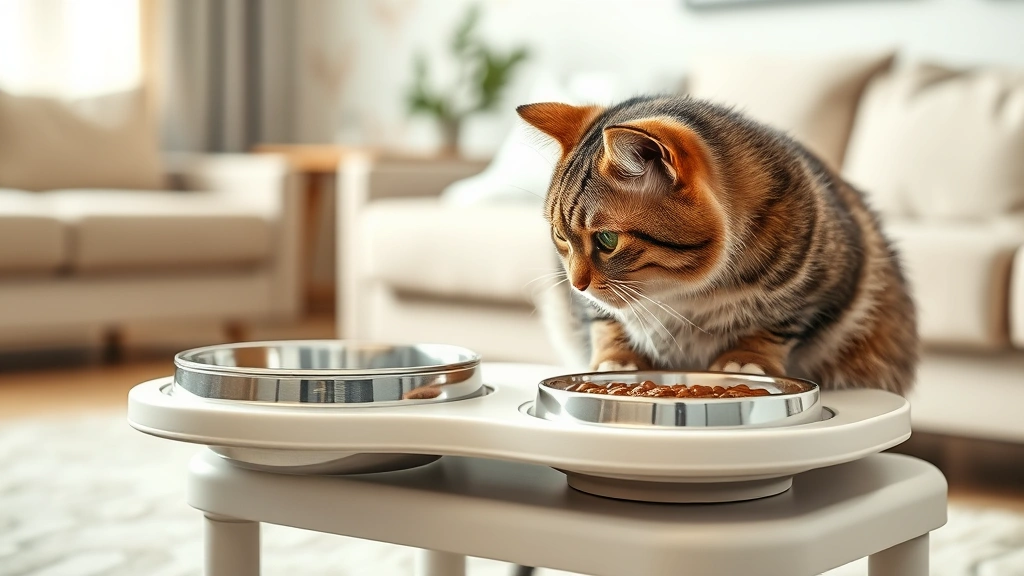
- Monitor eating and drinking closely. Torticollis sometimes makes it harder for cats to eat or drink comfortably. You may need to adjust bowl heights or offer softer food temporarily.
- Keep stress low by maintaining a quiet environment and avoiding unnecessary handling. Stress can worsen symptoms and slow recovery.
- Track symptoms daily and note any improvements or changes. This information helps your vet assess whether the current treatment plan is working.
Frequently Asked Questions
Is torticollis in cats painful?
Yes, torticollis typically causes discomfort due to muscle tension and the underlying condition causing it. Your cat may seem anxious or reluctant to move their neck. Pain management is an important part of treatment.
Can torticollis in cats go away on its own?
Some mild cases may improve without treatment, but most benefit significantly from veterinary care. The underlying cause—whether infection, neurological, or structural—usually needs professional attention to resolve completely.
How long does recovery from torticollis take?
Recovery time varies widely depending on the cause and severity. Infection-related cases may improve within weeks, while neurological causes might take months. Your vet will give you a more specific timeline based on your cat’s situation.
Will my cat have a head tilt forever?
Not necessarily. Many cats recover fully or nearly fully with proper treatment. Even those with residual mild tilting often adapt well and maintain excellent quality of life. Early intervention improves outcomes.
Can I treat torticollis at home without seeing a vet?
No—you need a professional diagnosis to determine the underlying cause and appropriate treatment. Home care supports veterinary treatment but cannot replace it. Some causes are serious and need prompt professional attention.
What To Do Now
If you’ve noticed your cat displaying signs of torticollis, take these steps:
- Schedule a veterinary appointment as soon as possible. Describe the onset of symptoms, any recent injuries or illnesses, and how your cat’s behavior has changed.
- If you’re unsure whether your pet needs urgent care, a quick telehealth check-in with The Pet Vet can give you peace of mind—no appointment needed. Our vets can assess whether your cat needs to be seen immediately or can wait for a regular appointment.
- Gather medical history including any previous ear infections, neurological issues, or injuries. This information helps your vet narrow down possibilities quickly.
- Prepare to discuss your cat’s diet and any supplements they’re currently taking. This helps your vet rule out nutritional causes and avoid harmful interactions.
- Be ready to commit to the treatment plan your vet recommends, whether that’s physical therapy, medication, dietary changes, or imaging. Consistency is key to your cat’s recovery.
Summary: Moving Forward With Your Cat’s Recovery
Torticollis in cats is concerning, but it’s very treatable when caught and managed properly. The condition stems from various underlying causes—some straightforward, others more complex—which is why professional diagnosis is your first critical step.
Treatment options range from physical therapy and infection management to nutritional support and, in some cases, surgery. Most cats respond well to a tailored approach that addresses their specific situation. Your role as a pet owner is to recognize the symptoms early, seek professional care promptly, and follow through with the recommended treatment plan consistently.
Remember that recovery is a process. Some cats improve rapidly, while others need more time. What matters most is that you’re taking action and providing the supportive care your cat needs. With proper treatment and your dedication, many cats with torticollis go on to live comfortable, happy lives.
Your cat is depending on you to notice when something’s wrong and to advocate for their health. You’re already doing that by reading this and learning about the condition. That’s an excellent first step toward helping your feline friend feel better.