
If your dog is straining to urinate, having accidents indoors, or showing signs of discomfort, you’re likely worried—and rightfully so. Urinary tract disease in dogs is one of the most common health issues veterinarians see, affecting dogs of all ages and breeds. The good news? When caught early and managed properly, most dogs recover well and return to their happy, healthy selves.
Table of Contents
- What Is Urinary Tract Disease in Dogs?
- Common Signs Your Dog May Have Urinary Tract Issues
- How Vets Diagnose Urinary Tract Disease in Dogs
- Treatment Approaches for Urinary Tract Disease in Dogs
- Medication Options Your Vet May Consider
- Dietary Changes That Support Recovery
- Prevention Strategies for Future Urinary Health
- When to Seek Emergency Care
- Connection to Broader Kidney and Urinary Health
- Frequently Asked Questions
- What To Do Now
- Summary: Managing Urinary Tract Disease in Dogs
This article is for informational purposes only and is not a substitute for professional veterinary advice. Always consult a licensed veterinarian for diagnosis and treatment.
What Is Urinary Tract Disease in Dogs?
Urinary tract disease encompasses several conditions affecting your dog’s bladder, urethra, and urinary system. These range from urinary tract infections (UTIs) to bladder stones, incontinence, and other inflammatory conditions. The urinary system is responsible for filtering waste and maintaining proper hydration, so when something goes wrong, it affects your dog’s overall comfort and health.
The term “urinary tract disease in dogs” is broad because the underlying causes vary widely. Some cases are bacterial infections, while others involve crystal formation, anatomical issues, or age-related changes. Understanding what type of urinary problem your dog has is the first step toward effective treatment.
Common Signs Your Dog May Have Urinary Tract Issues
Recognizing the early warning signs can make a huge difference in your dog’s recovery. Here are the most common symptoms pet owners notice:
- Frequent urination: Your dog asks to go outside more often than usual, sometimes every few hours.
- Straining or difficulty urinating: You notice your dog squatting longer or seeming uncomfortable during bathroom breaks.
- Accidents indoors: Even housetrained dogs may have unexpected accidents, especially at night.
- Blood in urine: The urine may appear pink, red, or cloudy.
- Excessive licking of the genital area: Your dog seems focused on cleaning this area more than normal.
- Lethargy or loss of appetite: Your dog seems less interested in food or play.
- Strong-smelling urine: The odor is noticeably different or unpleasant.
Catching these signs early puts you in a great position to help your dog feel better quickly. If you notice any combination of these symptoms, don’t wait—schedule a veterinary visit soon.
How Vets Diagnose Urinary Tract Disease in Dogs
Your veterinarian will use several diagnostic tools to identify what’s happening in your dog’s urinary system. A urinalysis is typically the first step, examining the urine for bacteria, crystals, blood, and other abnormalities. Your vet may also perform a physical exam and ask detailed questions about your dog’s symptoms and medical history.
In some cases, imaging like ultrasound or X-rays helps identify bladder stones, anatomical problems, or other structural issues. Urine culture may be recommended to identify the specific bacteria causing an infection, which helps determine the most effective antibiotic. These diagnostic steps ensure your dog receives targeted, appropriate treatment rather than a one-size-fits-all approach.
Treatment Approaches for Urinary Tract Disease in Dogs
Treatment depends entirely on the underlying cause. For bacterial infections, antibiotics are the primary treatment—your vet will select one based on culture results and your dog’s individual health profile. For bladder stones, dietary changes or surgical removal may be necessary. Some dogs benefit from increased water intake, dietary modifications, or supplements that support urinary health.
Your veterinarian may also recommend pain management to keep your dog comfortable during recovery. Anti-inflammatory medications can reduce bladder irritation and help your dog feel better while the infection clears. The combination of treatments is personalized to your dog’s specific diagnosis and overall health status.
Medication Options Your Vet May Consider
Several classes of medications are commonly used to manage urinary tract disease in dogs. Understanding what these do helps you have informed conversations with your veterinary team.
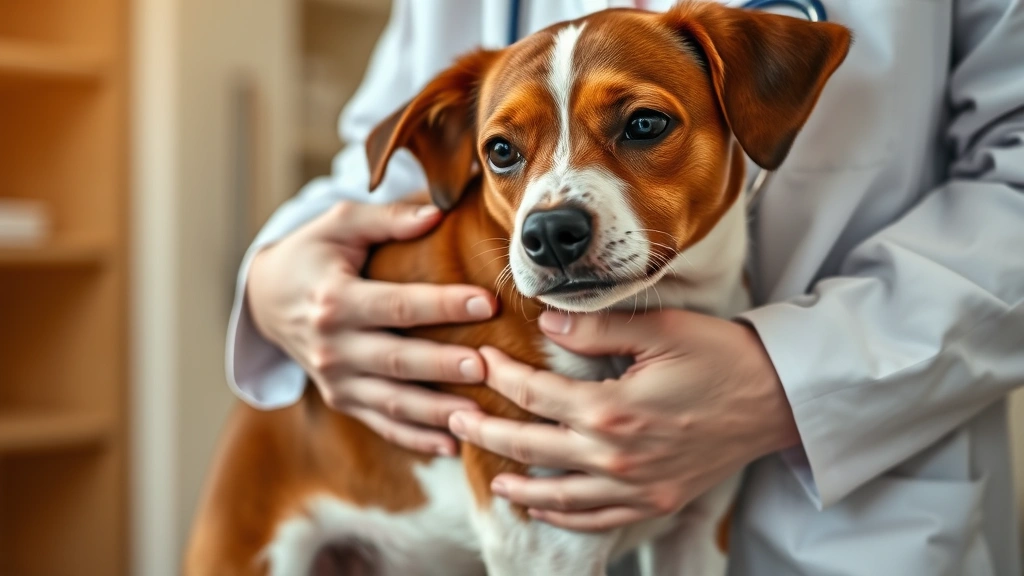
Antibiotics are the cornerstone of treating bacterial urinary tract infections. Your vet selects the most appropriate option based on culture results and your dog’s kidney function. The full course is critical—even if your dog feels better, completing the prescribed treatment prevents recurrence.
Anti-inflammatory medications reduce pain and inflammation in the bladder and urethra. These help your dog feel more comfortable and can improve urination. They’re often used alongside antibiotics or as standalone treatment for non-bacterial inflammation.
Urinary acidifiers or alkalinizers may be recommended depending on the type of crystals or stones involved. These modify urine pH to prevent crystal formation and promote dissolution of existing stones. Your vet will determine which approach suits your dog’s specific condition.
Supplements and nutraceuticals support urinary health by promoting proper urine flow, reducing inflammation, and supporting bladder function. Common options include cranberry extract, probiotics, and omega-3 fatty acids, though effectiveness varies by individual.
Dietary Changes That Support Recovery
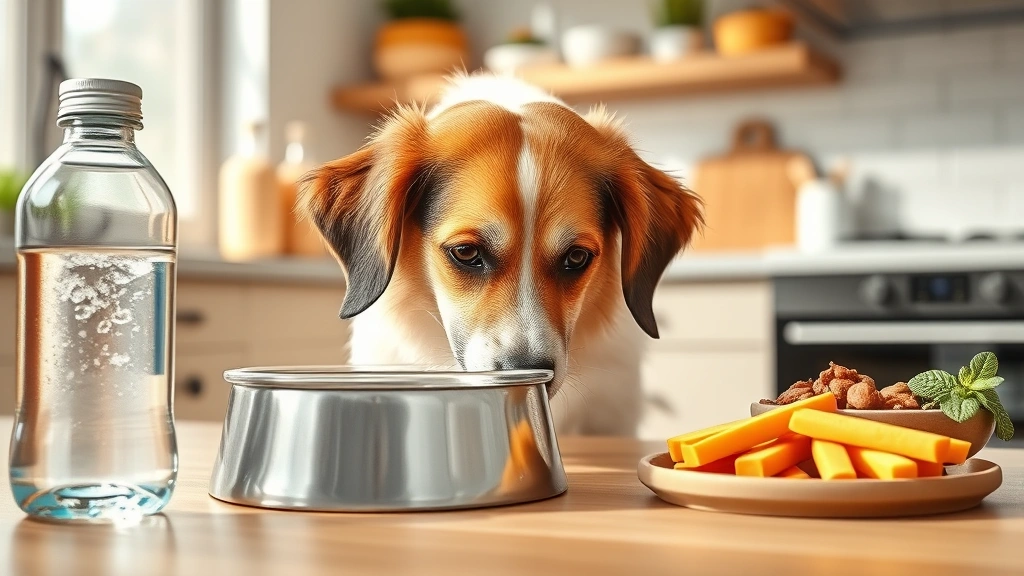
Diet plays a surprisingly important role in managing urinary tract disease in dogs. Increased water intake helps dilute urine and promotes more frequent urination, which flushes the urinary system naturally. You can encourage hydration by providing fresh water throughout the day, adding water to dry food, or offering wet food more frequently.
Depending on your dog’s diagnosis, your vet may recommend a prescription urinary diet formulated to prevent crystal formation or support urinary health. Some dogs benefit from an elimination diet feeding plan if food allergies are contributing to urinary issues. Proper nutrition paired with medication creates the best environment for recovery.
Prevention Strategies for Future Urinary Health
Once your dog recovers, preventing future episodes becomes important. Regular bathroom breaks—ideally every 4-6 hours—reduce urine retention and keep the urinary system flushed. Many recurrent UTIs stem from dogs holding urine too long, so frequent outdoor access is preventive medicine.
Maintaining proper hydration is equally crucial. Ensure your dog always has access to fresh, clean water. Some vets recommend adding a bit of water to meals to increase overall fluid intake. Annual veterinary checkups catch early signs of urinary issues before they become serious problems.
For dogs prone to urinary crystals or stones, discuss long-term dietary management with your vet. Certain supplements and feeding strategies can significantly reduce recurrence risk. Keeping your dog at a healthy weight and managing any underlying conditions like diabetes also supports urinary health.
When to Seek Emergency Care
Most urinary tract issues can be managed during regular business hours, but some situations require urgent attention. If your dog cannot urinate at all, is in severe pain, has blood-filled urine, or shows signs of systemic illness like fever or vomiting, seek emergency care immediately. Complete urinary blockage is life-threatening and requires immediate veterinary intervention.
If you’re unsure whether your dog needs urgent care, a quick telehealth check-in can give you peace of mind—no appointment needed. The Pet Vet’s telehealth service connects you with licensed veterinarians who can assess your dog’s symptoms and advise whether in-person evaluation is necessary.
Connection to Broader Kidney and Urinary Health
Untreated or recurrent urinary tract infections can potentially progress to more serious conditions affecting kidney function. Understanding the connection between urinary tract health and overall kidney wellness helps you prioritize preventive care. If your dog has a history of urinary issues, your vet may monitor kidney function through periodic bloodwork.
Some dogs with chronic urinary problems develop complications like renal failure in dogs, making early intervention and proper management even more critical. Consistent follow-up care and adherence to your vet’s recommendations significantly reduce this risk.
Frequently Asked Questions
How long does it take for antibiotics to work on a urinary tract infection in dogs?
Most dogs show improvement within 3-5 days of starting antibiotics, though the full course typically lasts 7-14 days. It’s essential to complete the entire prescribed treatment even if your dog feels better.
Can urinary tract disease in dogs be prevented?
While not all cases are preventable, frequent bathroom breaks, adequate hydration, proper diet, and regular veterinary checkups significantly reduce risk. Some breeds are more prone to urinary issues, so discuss prevention strategies with your vet.
Is urinary tract disease in dogs contagious to other pets?
Bacterial UTIs are not contagious between dogs. However, maintaining good hygiene and separate food and water bowls is always a good practice for overall health.
What’s the difference between a urinary tract infection and urinary tract disease?
UTI is one type of urinary tract disease caused by bacterial infection. Urinary tract disease is a broader term encompassing infections, stones, incontinence, and inflammation.
Do male and female dogs experience urinary tract disease differently?
Female dogs are more prone to UTIs due to their shorter urethra, but both sexes can develop various urinary tract conditions. Treatment approaches are similar regardless of sex.
What To Do Now
- Schedule a veterinary appointment: If you notice any urinary symptoms, contact your vet today. Early diagnosis makes treatment more straightforward and prevents complications.
- Increase water availability: Place water bowls in multiple locations and encourage your dog to drink more throughout the day.
- Plan for frequent bathroom breaks: Arrange your schedule to let your dog outside every 4-6 hours, especially during treatment.
- Keep detailed notes: Track your dog’s symptoms, urination frequency, and any changes you notice. This information helps your vet make the best diagnosis.
- Ask about follow-up testing: Discuss with your vet whether a follow-up urinalysis is needed to confirm the infection has cleared after treatment.
Summary: Managing Urinary Tract Disease in Dogs
Urinary tract disease in dogs is treatable and manageable when addressed promptly. Recognizing early symptoms, getting a proper diagnosis, and following your vet’s treatment plan sets your dog up for recovery. Whether your dog needs antibiotics, dietary changes, supplements, or a combination of approaches, consistent care makes all the difference.
Your dog depends on you to notice when something’s wrong and take action. By staying informed about urinary health, maintaining preventive care habits, and working closely with your veterinarian, you’re giving your dog the best chance at a long, healthy, and comfortable life. If questions arise during treatment, don’t hesitate to reach out to your vet or consider a telehealth consultation for quick guidance.