
If your beloved dog or cat is struggling with a urinary tract infection, you know how stressful it can be to watch them suffer. A thoughtful urinary tract infection diet can play a meaningful role in supporting their recovery and preventing future episodes. While antibiotics prescribed by your vet are essential for treating the infection itself, the right nutrition can help create an environment in your pet’s urinary system that’s less hospitable to harmful bacteria and more conducive to healing.
Table of Contents
- Understanding Urinary Tract Infections in Pets
- Why Diet Matters for UTI Recovery
- Best Foods for Dogs with Urinary Tract Infections
- Nutritional Support for Cats with UTIs
- Foods to Avoid During UTI Recovery
- Hydration: The Unsung Hero of UTI Management
- Supplements That Support Urinary Health
- Transitioning to a UTI-Supportive Diet
- When to Seek Professional Guidance
- Long-Term Dietary Management and Prevention
- Frequently Asked Questions
- What To Do Now
- Summary
This article is for informational purposes only and is not a substitute for professional veterinary advice. Always consult a licensed veterinarian for diagnosis and treatment.
Understanding Urinary Tract Infections in Pets
Urinary tract infections (UTIs) occur when bacteria colonize the bladder, urethra, or kidneys. Both dogs and cats can develop UTIs, though the condition manifests differently in each species. Your pet may be experiencing increased urgency to urinate, accidents in the house, or visible discomfort during bathroom trips.
The good news? Catching this early puts you in a great position to help your pet recover quickly. Diet works alongside veterinary treatment to support healing and reduce recurrence risk.
Why Diet Matters for UTI Recovery
Nutrition influences your pet’s urinary pH, hydration status, and immune function—all critical factors in UTI management. Certain foods can help acidify or alkalize the urine depending on your pet’s specific needs, while others support bladder health and reduce inflammation.
Your veterinarian may recommend specific dietary adjustments based on whether your pet’s infection is bacterial, fungal, or related to crystal formation. This personalized approach gives your pet the best chance at recovery.
Best Foods for Dogs with Urinary Tract Infections
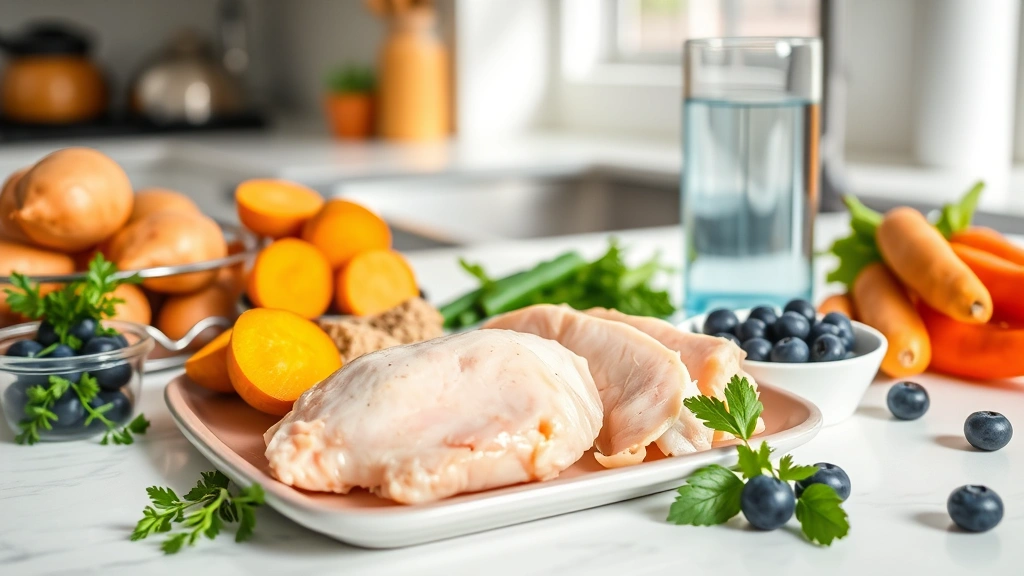
Dogs benefit from high-quality proteins and foods that support a healthy urinary environment. Lean meats like chicken, turkey, and beef provide essential amino acids without excess fat that could complicate recovery.
Consider these dietary additions:
- Cooked chicken or turkey: Easily digestible and rich in protein
- Plain, cooked pumpkin: Supports digestive and urinary health
- Carrots: Low in calories and may help flush the urinary system
- Blueberries: Contain compounds that may inhibit bacterial adhesion
- Sweet potatoes: Nutrient-dense and gentle on the system
Many veterinarians recommend a elimination diet feeding plan to identify any food sensitivities that might be contributing to urinary issues. Working with your vet to transition your dog to an appropriate therapeutic diet ensures consistency and proper nutrient balance.
Nutritional Support for Cats with UTIs
Cats have unique nutritional needs, and their diet plays an especially important role in urinary health. Moisture content is critical—cats naturally have a low thirst drive, so wet food helps increase hydration and dilute urine, which supports healing.
Optimal foods for cats with UTIs include:
- High-quality wet food: Increases water intake and supports hydration
- Cooked chicken or fish: Lean proteins that most cats tolerate well
- Bone broth (low-sodium): Adds moisture and flavor to meals
- Prescription urinary diets: Formulated specifically for UTI prevention
A feline kidney support diet often overlaps with UTI management, as both conditions benefit from increased hydration and controlled mineral content. Your vet can recommend the best option for your cat’s situation.
Foods to Avoid During UTI Recovery
Certain foods can worsen urinary health or interfere with recovery. Understanding what to eliminate is just as important as knowing what to add.
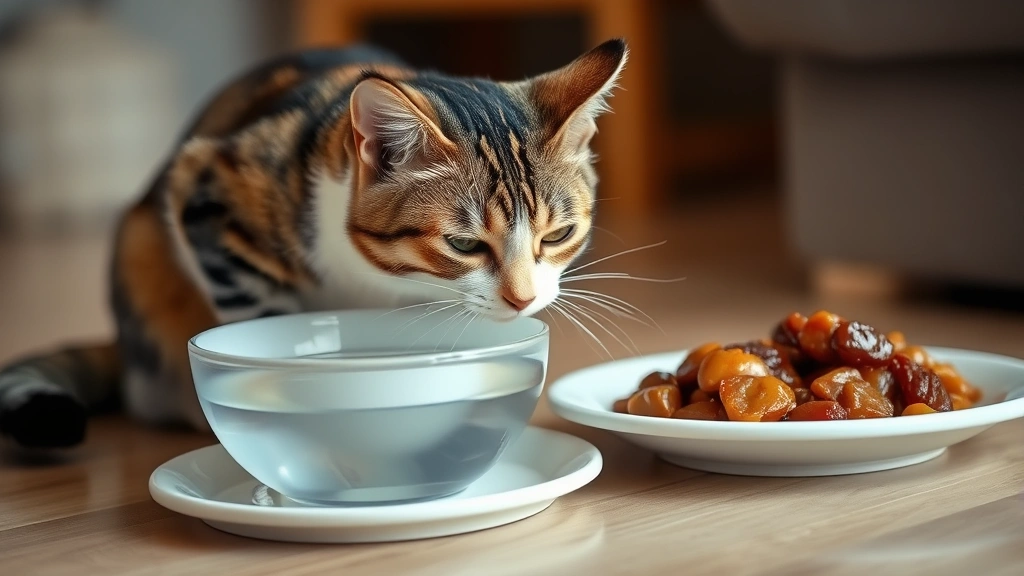
Steer clear of:
- Dry kibble alone: Provides insufficient moisture; combine with wet food if used
- High-magnesium foods: Can contribute to crystal formation in susceptible pets
- Excessive salt: May increase mineral concentration in urine
- Artificial additives and dyes: Can irritate the urinary tract
- Rich, fatty foods: May complicate digestion and recovery
If your pet has been eating a commercial dry food exclusively, transitioning to a moisture-rich diet can make a noticeable difference in urinary health.
Hydration: The Unsung Hero of UTI Management
Water intake is absolutely fundamental to urinary tract health. Dilute urine is less likely to support bacterial growth and helps flush irritants from the system.
Encourage hydration through:
- Offering fresh water multiple times daily
- Using a cat water fountain (cats often drink more from moving water)
- Adding low-sodium broth to meals
- Feeding wet food or adding water to kibble
- Placing water bowls in multiple locations around your home
A well-hydrated pet is a pet with better urinary health. This simple step costs nothing but can yield significant results.
Supplements That Support Urinary Health
Beyond whole foods, certain supplements may support your pet’s recovery when recommended by your veterinarian. Cat kidney supplements often contain ingredients beneficial for urinary tract health, though your vet should guide supplement selection.
Common supportive supplements include cranberry extract, D-mannose, and probiotics. These work best as part of a comprehensive dietary strategy rather than as standalone solutions. Always consult your veterinarian before introducing new supplements, as some may interact with medications or affect urinary pH in unexpected ways.
Transitioning to a UTI-Supportive Diet
Sudden dietary changes can upset your pet’s stomach, so transition gradually over 7-10 days. Mix increasing amounts of the new food with the old food until your pet is eating exclusively the recommended diet.
A slow transition helps:
- Prevent digestive upset and diarrhea
- Allow your pet’s system to adjust to new foods
- Make the change feel less stressful for your pet
- Identify any food sensitivities that emerge
Monitor your pet closely during this transition and note any changes in bathroom habits, energy levels, or appetite. This information helps your vet fine-tune recommendations.
When to Seek Professional Guidance
While dietary support is powerful, it’s never a substitute for veterinary care. If your pet shows signs of a urinary tract infection—such as frequent urination, straining, accidents indoors, or blood in urine—schedule a vet appointment promptly.
Your veterinarian can confirm a UTI through urinalysis and urine culture, prescribe appropriate antibiotics if needed, and recommend a diet tailored to your pet’s specific situation. If you are unsure whether your pet needs urgent care, a quick telehealth check-in can give you peace of mind—no appointment needed.
Long-Term Dietary Management and Prevention
Once your pet recovers from an acute UTI, maintaining a supportive diet helps prevent recurrence. Some pets are prone to repeated infections, and consistent nutrition can significantly reduce this risk.
Consider these permanent feeding routine adjustments for UTI-prone pets:
- Keep moisture content high in daily meals
- Maintain consistent feeding schedules
- Monitor water intake and encourage hydration
- Schedule regular vet check-ups to catch issues early
- Avoid foods your pet has shown sensitivity to in the past
A stable, supportive diet becomes part of your pet’s wellness routine, much like exercise and regular veterinary care.
Frequently Asked Questions
Can diet alone cure a urinary tract infection?
No. While diet supports recovery and prevention, bacterial UTIs require veterinary treatment, typically antibiotics prescribed by your vet. Diet works alongside medical care to optimize healing.
How long does it take for dietary changes to help a UTI?
Many pets show improvement within 1-2 weeks of dietary adjustment, though complete recovery depends on the infection severity and prescribed treatment. Your vet can monitor progress through follow-up urinalysis.
Is wet food better than dry food for UTI prevention?
Yes, wet food provides more moisture and encourages hydration, which supports urinary health. If using dry kibble, supplement with wet food or add water to increase moisture content.
Are prescription urinary diets necessary?
Prescription diets are formulated specifically for urinary health and may be recommended by your vet, especially for recurrent infections. Your vet can determine whether a prescription diet or home-prepared meals are best for your pet.
Can probiotics help prevent future UTIs?
Some research suggests certain probiotics may support urinary and digestive health, but evidence is still emerging. Always discuss probiotic use with your veterinarian before starting.
What To Do Now
- Schedule a vet appointment: If your pet hasn’t been diagnosed, get a professional evaluation to confirm UTI and rule out other conditions like renal failure in dogs or other urinary issues.
- Discuss diet with your veterinarian: Ask for specific food recommendations tailored to your pet’s age, weight, and health status. Request a transition plan to minimize digestive upset.
- Increase water access: Place multiple water bowls throughout your home and consider a cat fountain if you have a feline friend. Monitor daily water intake as a sign of recovery.
- Begin dietary transition: Gradually introduce recommended foods over 7-10 days while keeping detailed notes on your pet’s bathroom habits and overall behavior.
- Follow up with your vet: Schedule a recheck appointment after 2-3 weeks to confirm recovery and adjust the diet if needed. This ensures your pet is on the optimal long-term nutrition plan.
Summary
A thoughtful urinary tract infection diet is a cornerstone of supporting your pet’s recovery and preventing future infections. By focusing on hydration, appropriate proteins, and moisture-rich foods while avoiding potential irritants, you create an environment where your pet’s urinary system can heal.
Remember that diet complements—but never replaces—professional veterinary care. Work closely with your vet to develop a personalized nutrition plan, monitor your pet’s progress, and make adjustments as needed. With the right combination of medical treatment and dietary support, most pets recover well from UTIs and go on to live happy, healthy lives. Your commitment to understanding your pet’s nutritional needs is a powerful act of love and care.